Tripods and Film Photography: A Love Story
A passionate look at why tripods have mattered to film photographers for a century - the technical reasons, the tactile rituals, and candid interviews with film shooters about their beloved vintage tripods.

A passionate look at why tripods have mattered to film photographers for a century - the technical reasons, the tactile rituals, and candid interviews with film shooters about their beloved vintage tripods.

How do you resurrect a beloved virtual pet world without turning it into a cynical cash-grab or an ugly museum exhibit? This guide lays out design principles, concrete feature ideas, tech patterns, and community playbooks to revive NeoPets for both old fans and new players.

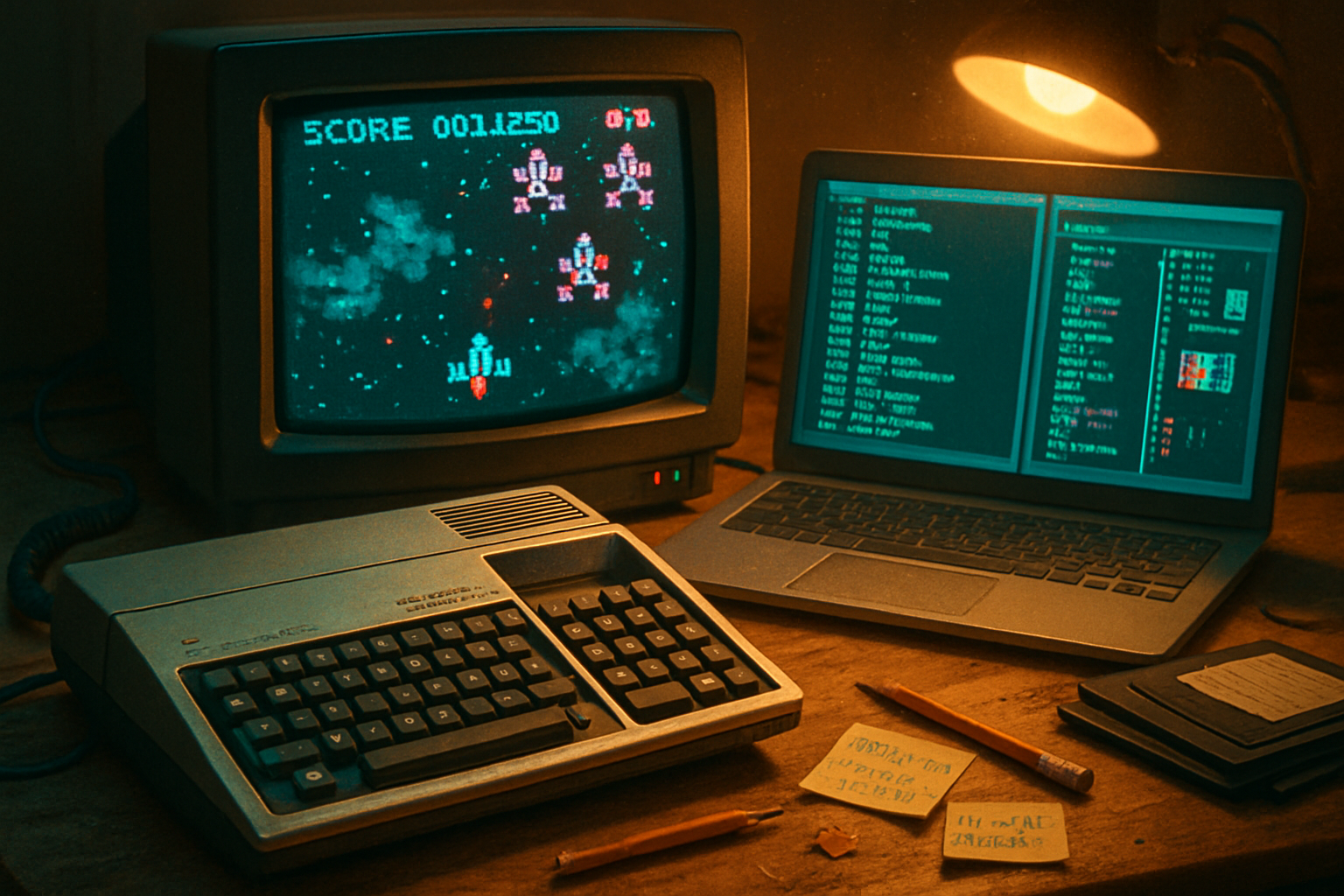
The Amstrad CPC arrived as a practical, packaged alternative to the Spectrum and Commodore 64 - beloved by owners, sneered at by some historians. This article reopens the debate: what did the CPC actually contribute to home computing, and why has its reputation been so uneven?

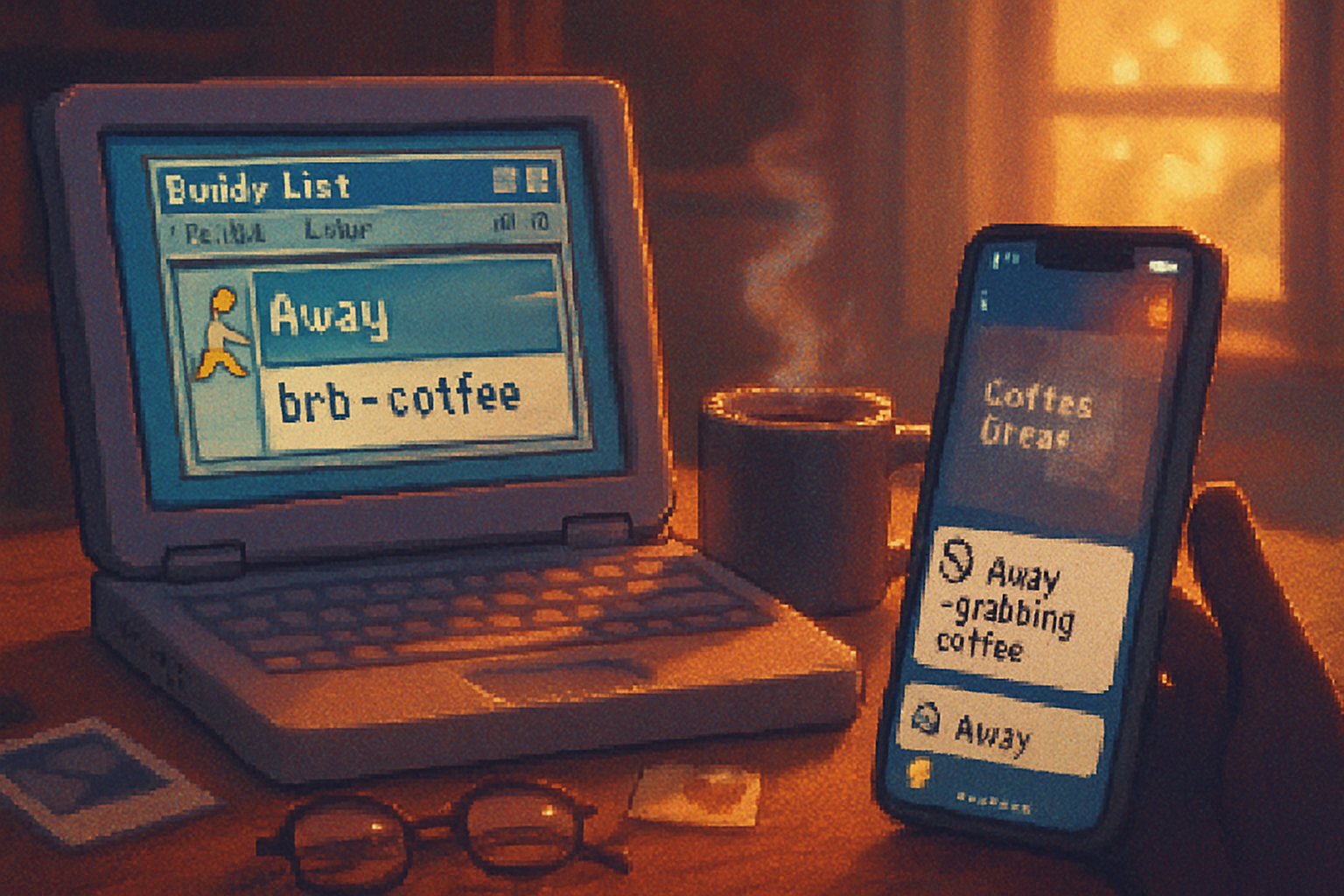
AOL Instant Messenger (AIM) did more than deliver messages - it taught a generation how to be present, absent, flirt, and fight in ways that still shape millennial friendships and romantic relationships today.

Remember the dial‑up chirp, the Netscape splash, and pages that felt like tiny cities? Far from mere sentiment, the design instincts of the 90s web-pioneered by Netscape-contain lessons for modern designers: clarity, visible affordances, forgiving defaults, and open standards. This post explains what to keep, what to abandon, and how Netscape’s legacy still shapes usable web today.

Before timelines, likes, and algorithmic feeds, Angelfire pages-glitter GIFs, guestbooks, and hand-coded fan shrines-were where friendships were made and communities learned how to be social online. This piece traces how those small, home-made corners anticipated the social networks we use today and why their lessons still matter.

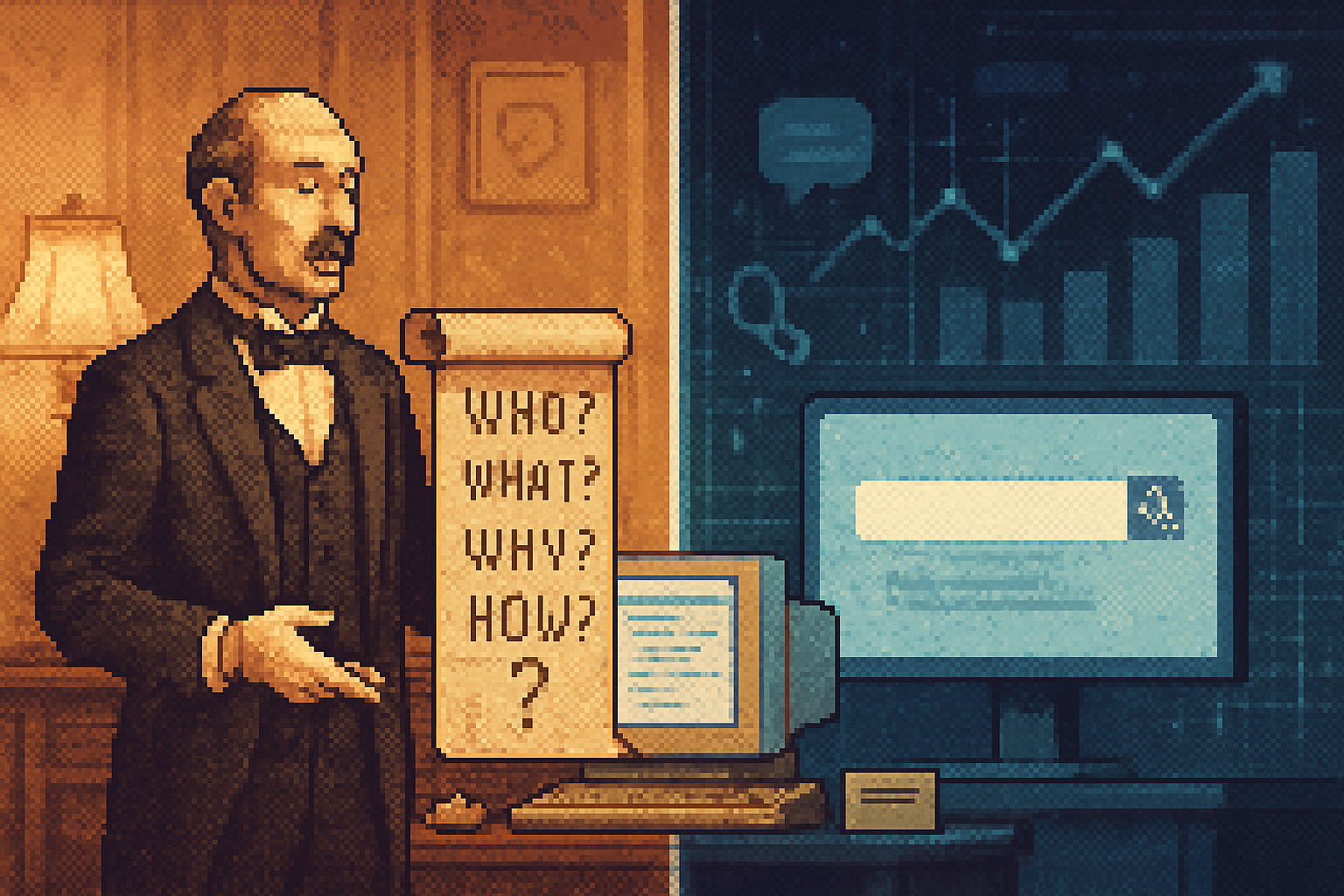
Reimagine Ask Jeeves for 2026: a conversational, personality-driven search that merges retrieval-augmented generation, provenance-aware answers, privacy-first personalization, and a tasteful dose of Jeevesian wit. A product blueprint, architecture, UX, and business model for a modern user-driven search service.

MP3.com can feel like a relic or a prophecy. This article revisits what MP3.com got right and wrong, explains why its fatal legal mistake would be fatal today too, and outlines practical, modern adaptations that could restore its promise: fairer artist pay, real user ownership, and a healthier discovery funnel.