· culture
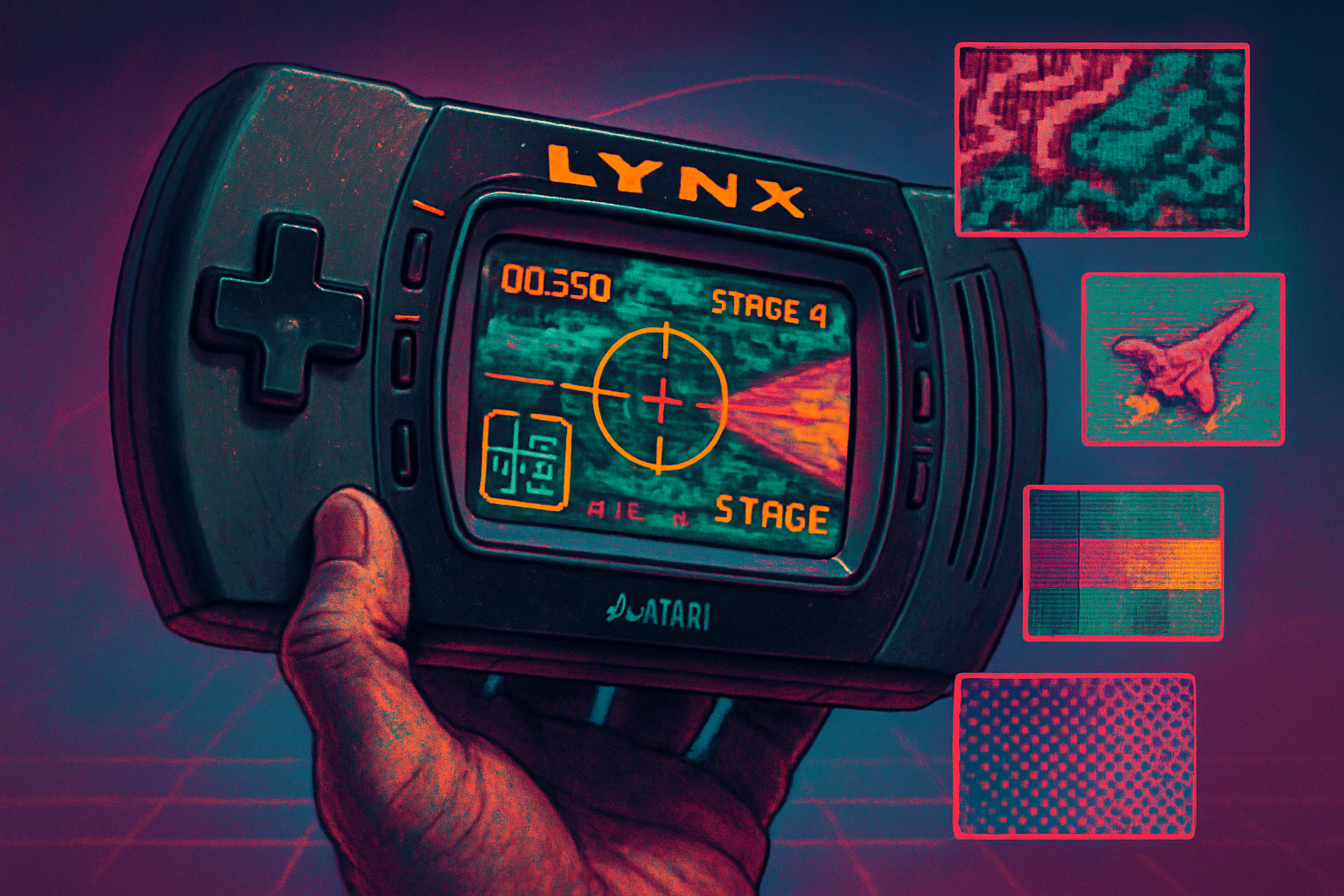
The Art of Lynx: A Look at the Unique Visual Style of Atari’s Handheld
How a short-lived, underdog handheld pushed color, scale and texture into compact cartridges - and how artists and fans keep its bruised-but-brilliant aesthetic alive.

How a short-lived, underdog handheld pushed color, scale and texture into compact cartridges - and how artists and fans keep its bruised-but-brilliant aesthetic alive.
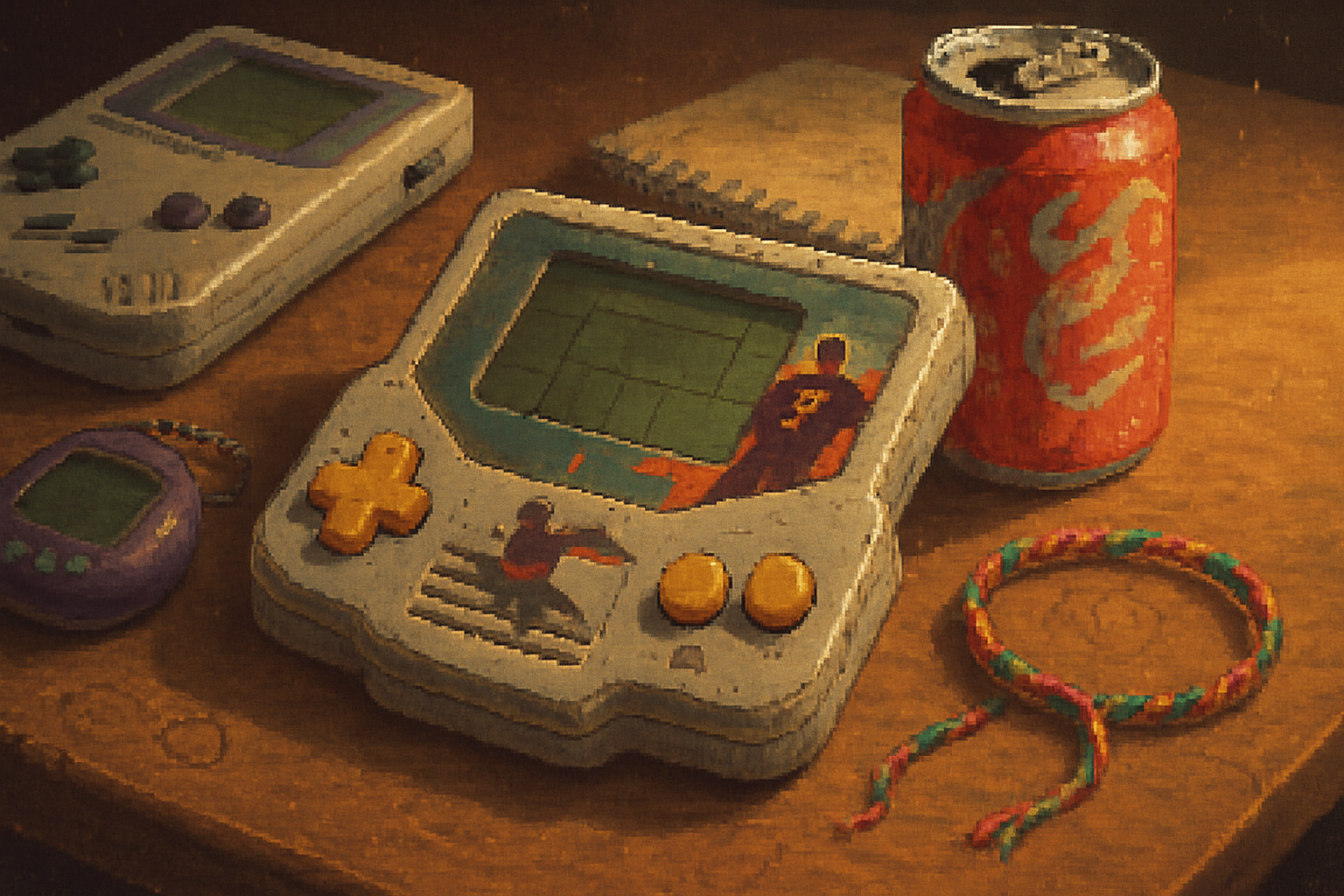
We remember the beep as a hymn and the plastic as warm. But Tiger Electronics’ handhelds - the tiny licensed LCD games that populated pockets and schoolyards - survive mostly in memory, not in mechanics. This piece explains why nostalgia smooths over the clunkiness, and what that tells us about memory, identity, and why we keep buying broken pasts.
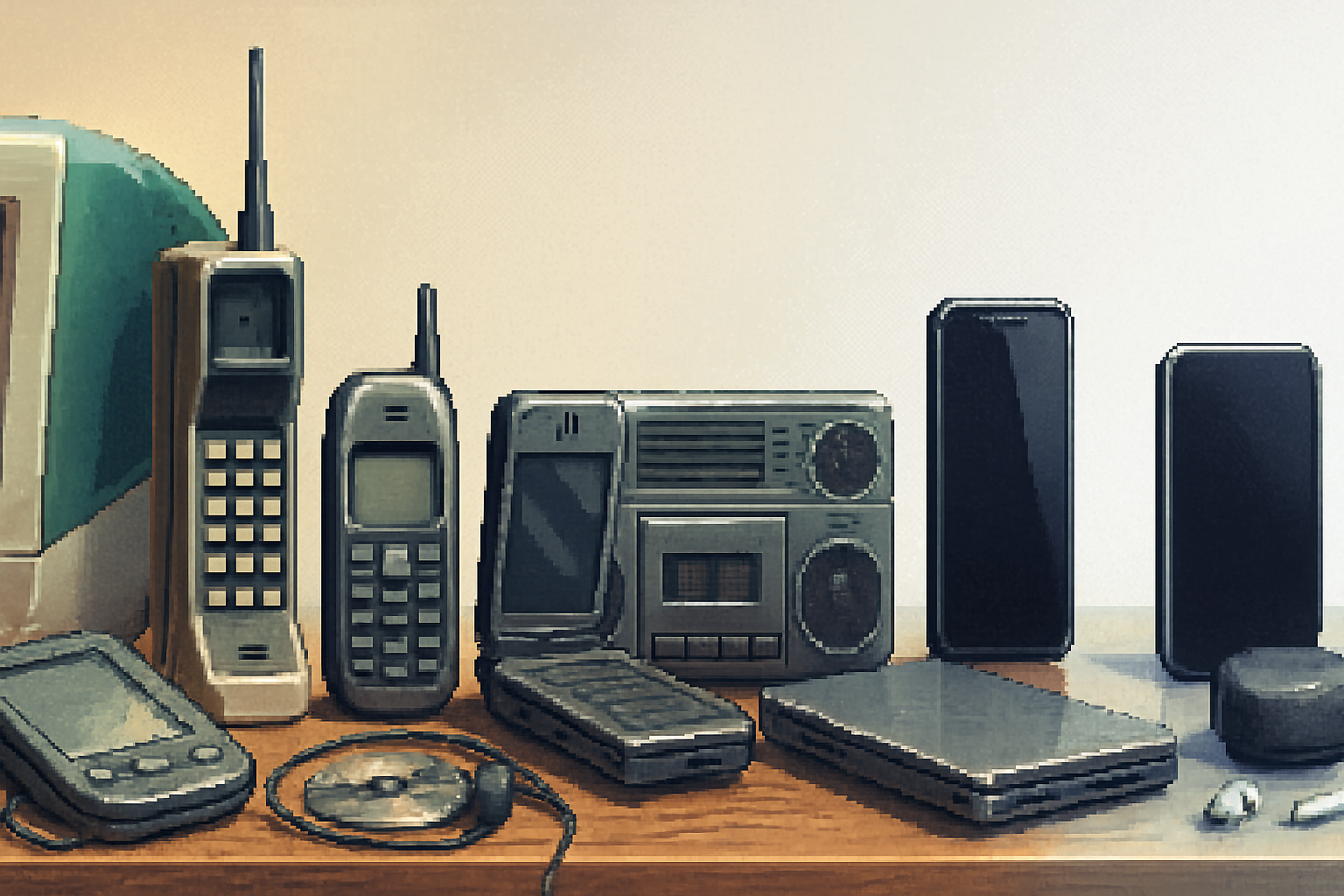
A visual and cultural tour from the chunky, earnest attempts at 90s ‘minimalism’ to today’s svelte, almost invisible devices - what changed, what we lost, and what designers should steal back.
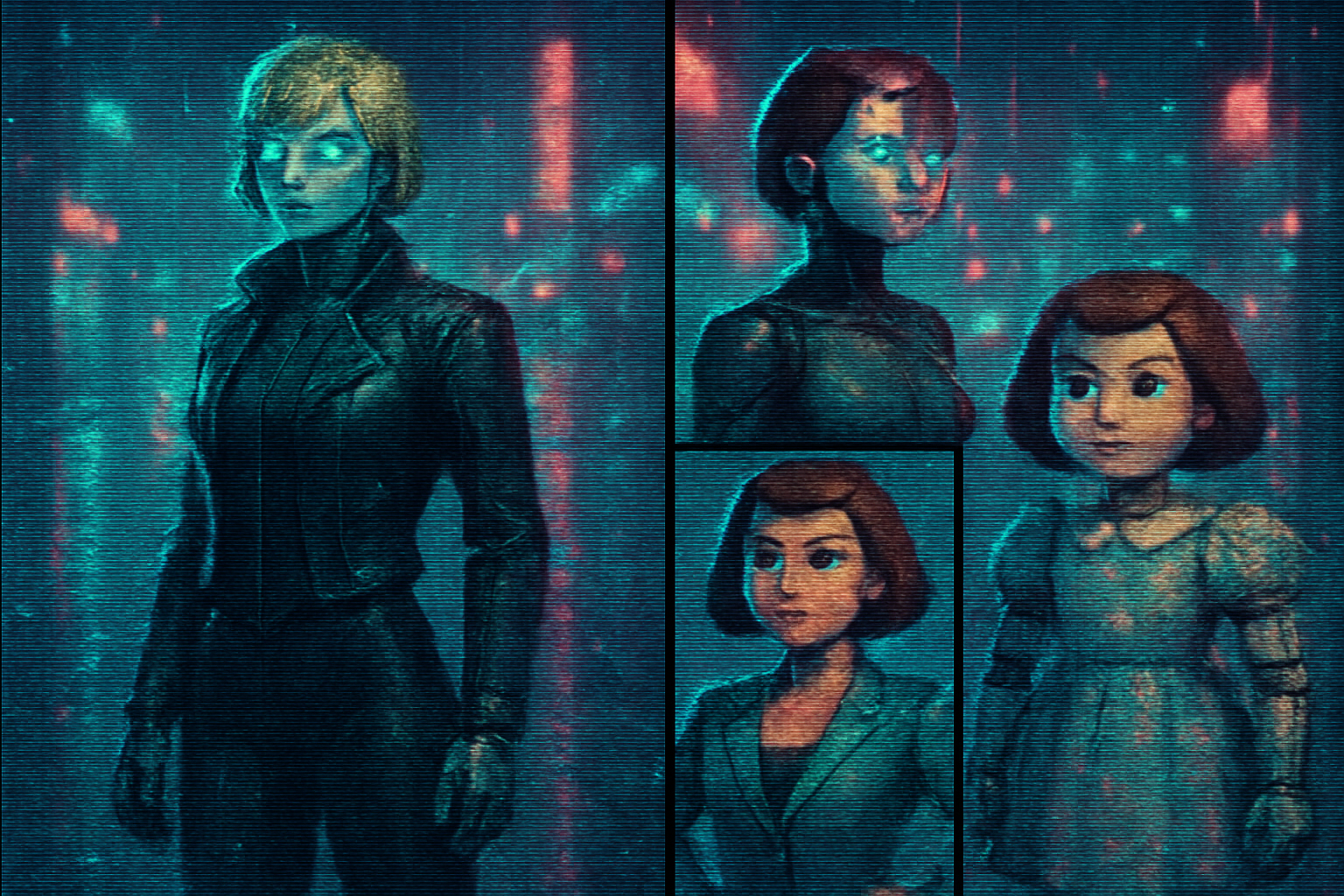
A look back at the overlooked female-coded androids and cyborgs of 1980s–90s media - from Pris in Blade Runner to Dot in ReBoot - and how they quietly challenged, embodied, and complicated gendered ideas about tech, agency, and desire.

Should Dell mine the gold of its past - beige boxes, chrome logos and reassuringly clunky keyboards - or keep sprinting toward an ever-sleeker future? A debate-style examination of brand, business, and design, with perspectives from industry practitioners and market data.
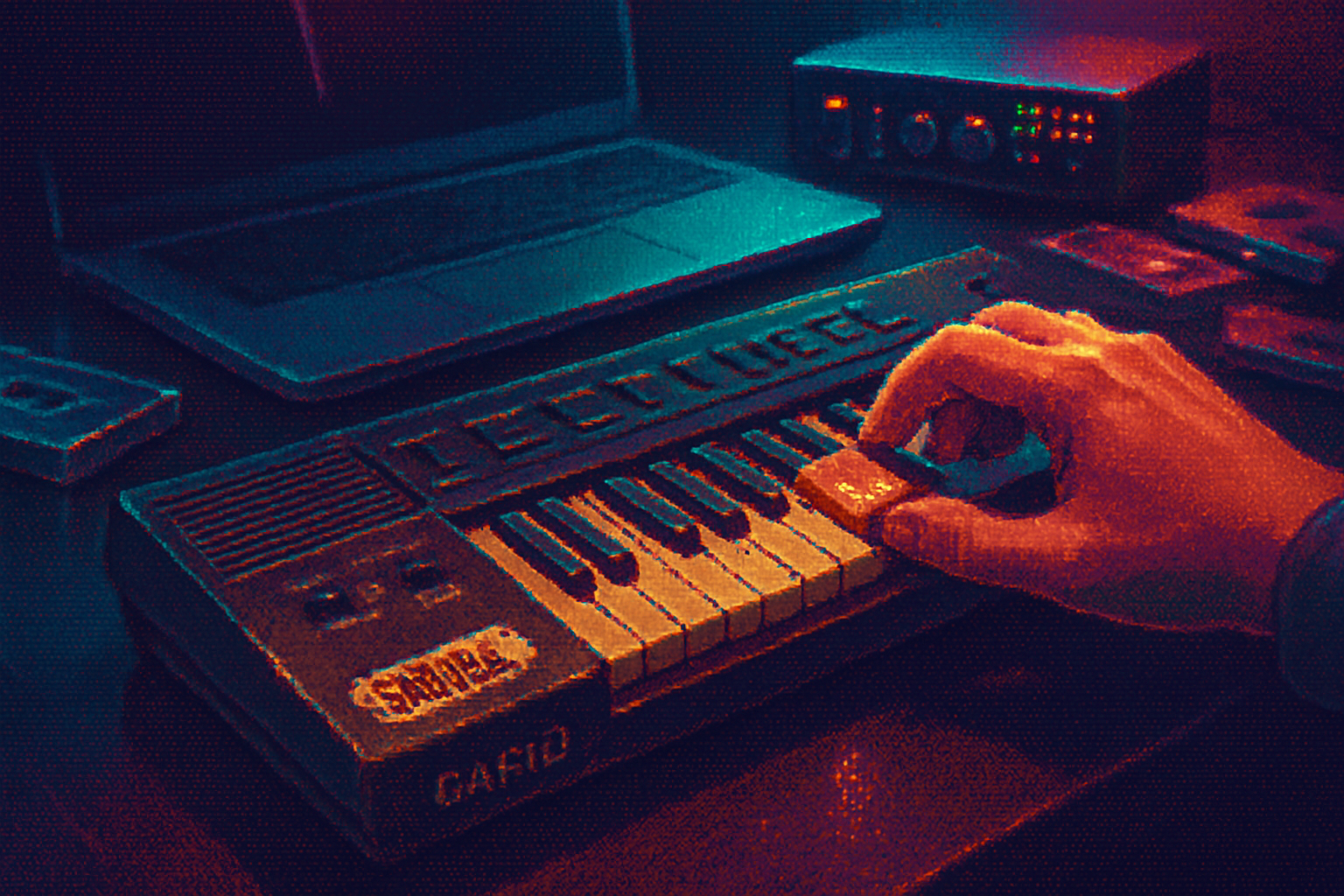
Cheap, plastic keyboards that once lived in toy aisles are back in studios and playlists. This piece explores how Casio's humble instruments-their quirks, presets, and sonic “flaws”-have become deliberate aesthetic choices that shape new genres and production methods.
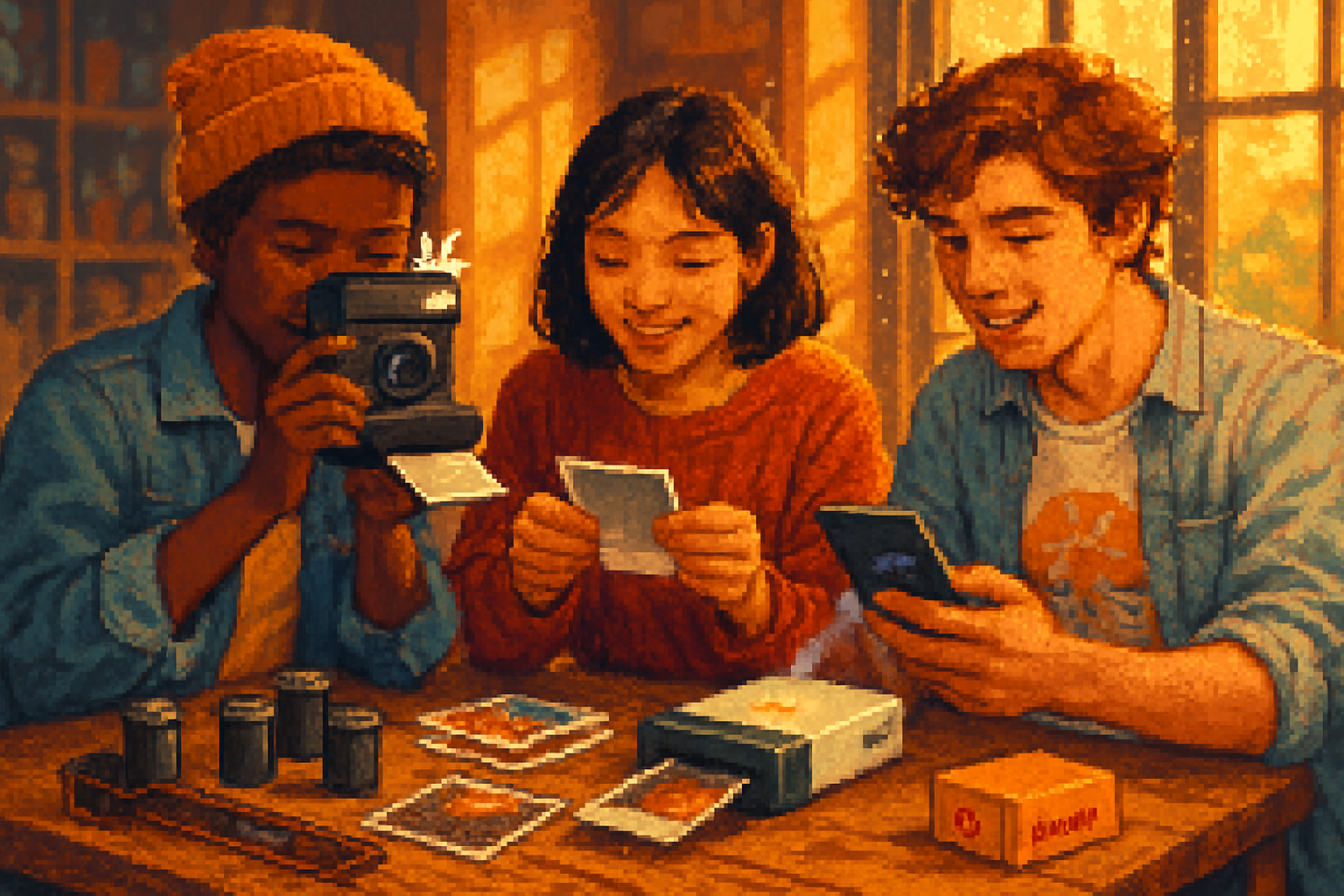
Kodak is leaning into nostalgia while shipping new hybrid tools - instant-print cameras, mobile printers, film relaunches and cloud-to-print services - to shepherd a new generation from pixels back to paper. Here’s how the company is marrying its analog DNA with digital-first habits to court young creatives.
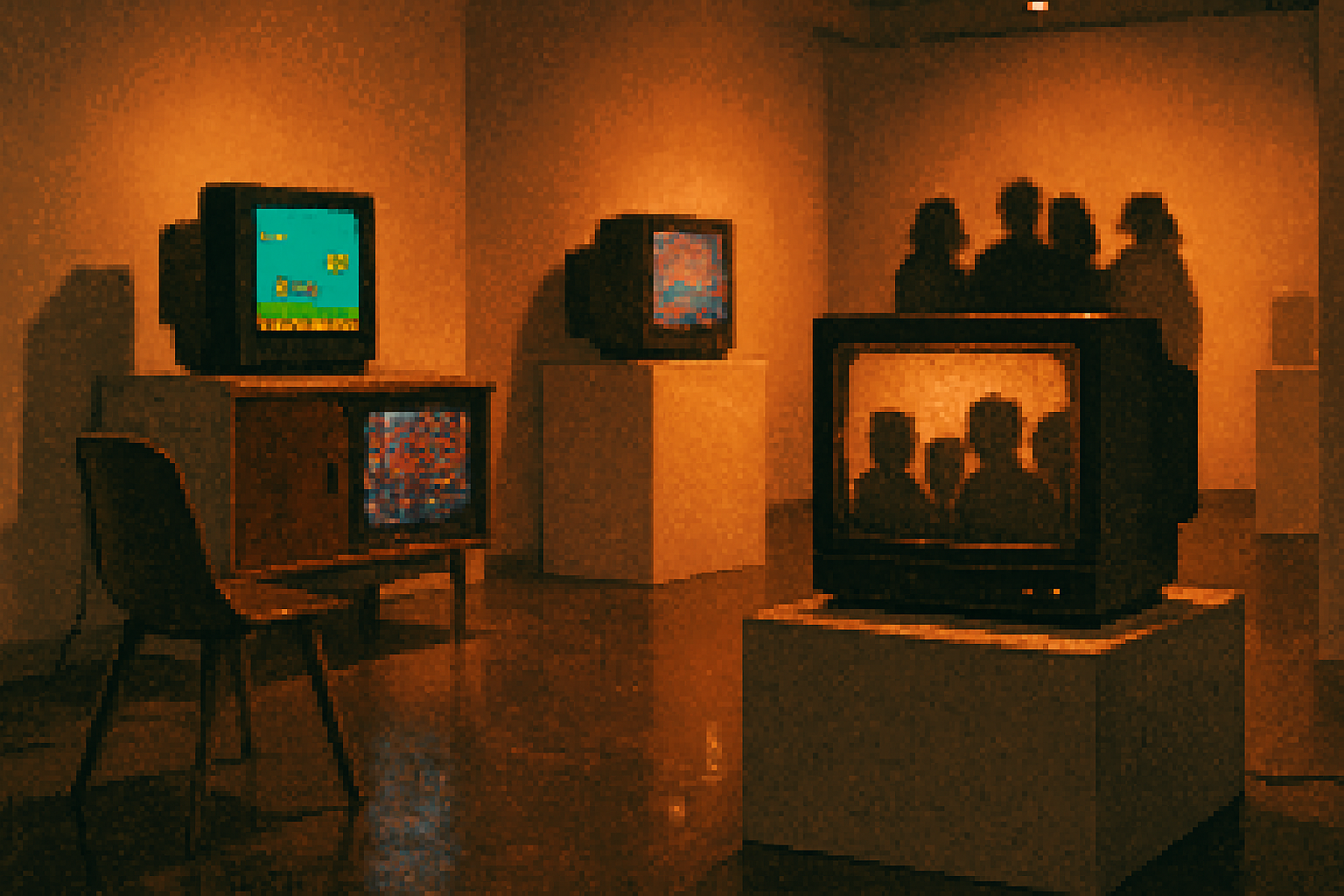
More than a nostalgia prop, CRT televisions are actively shaping contemporary media - from retro gaming fidelity to avant‑garde art, boutique branding, and cinematic authenticity. This piece explains why the old tube still matters, how it's used today, and what limits (and ethics) accompany its comeback.