· culture · 6 min read
Game Over: Why the Nostalgia for Tiger Electronics Might Not Be What It Seems
We remember the beep as a hymn and the plastic as warm. But Tiger Electronics’ handhelds - the tiny licensed LCD games that populated pockets and schoolyards - survive mostly in memory, not in mechanics. This piece explains why nostalgia smooths over the clunkiness, and what that tells us about memory, identity, and why we keep buying broken pasts.
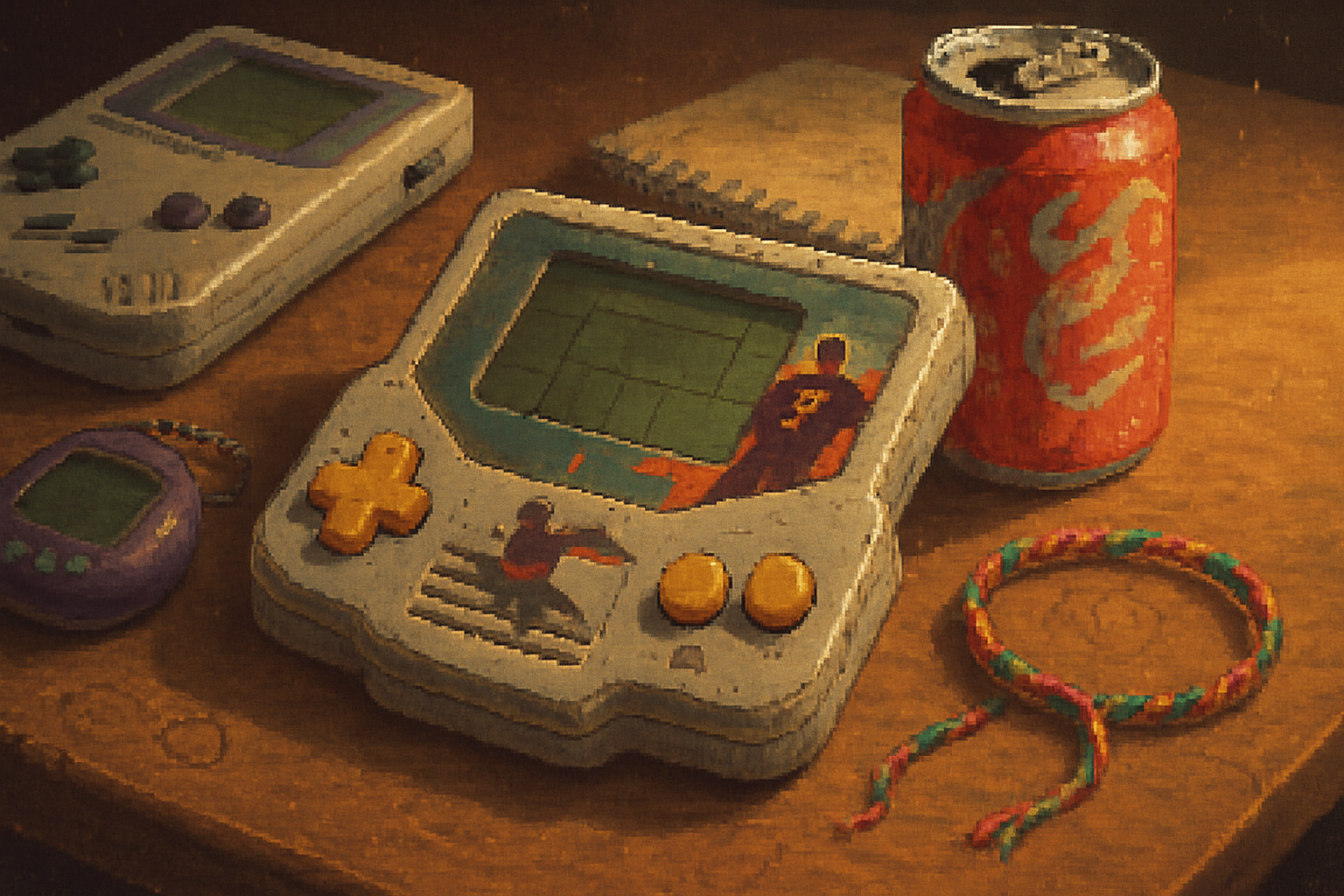
I still remember the sound: a high, tinny chirp when the villain was defeated, followed by three triumphant beeps that felt like a coronation. My sister lifted her Tiger handheld out of a dusty box, pressed the power button with theatrical reverence, and waited for the coronation. The device blinked, chirped, and then produced the sort of game victory that sounds like a malfunctioning smoke detector. We laughed. The memory was somehow more triumphant than the reality.
There’s a delicious cruelty to nostalgia: it flatters you with an edited highlight reel while skipping the boring - and occasionally awful - bits. If you grew up with a Tiger Electronics handheld, you probably remember something vivid and joyful: the licensed logo, the simple mission, the single-tune fanfare. You almost certainly forget the stuttering LCD segments, the limited inputs, the maddeningly repetitive gameplay and the plastic that smelled of factory glue.
Tiger Electronics: the company that sold cheap magic
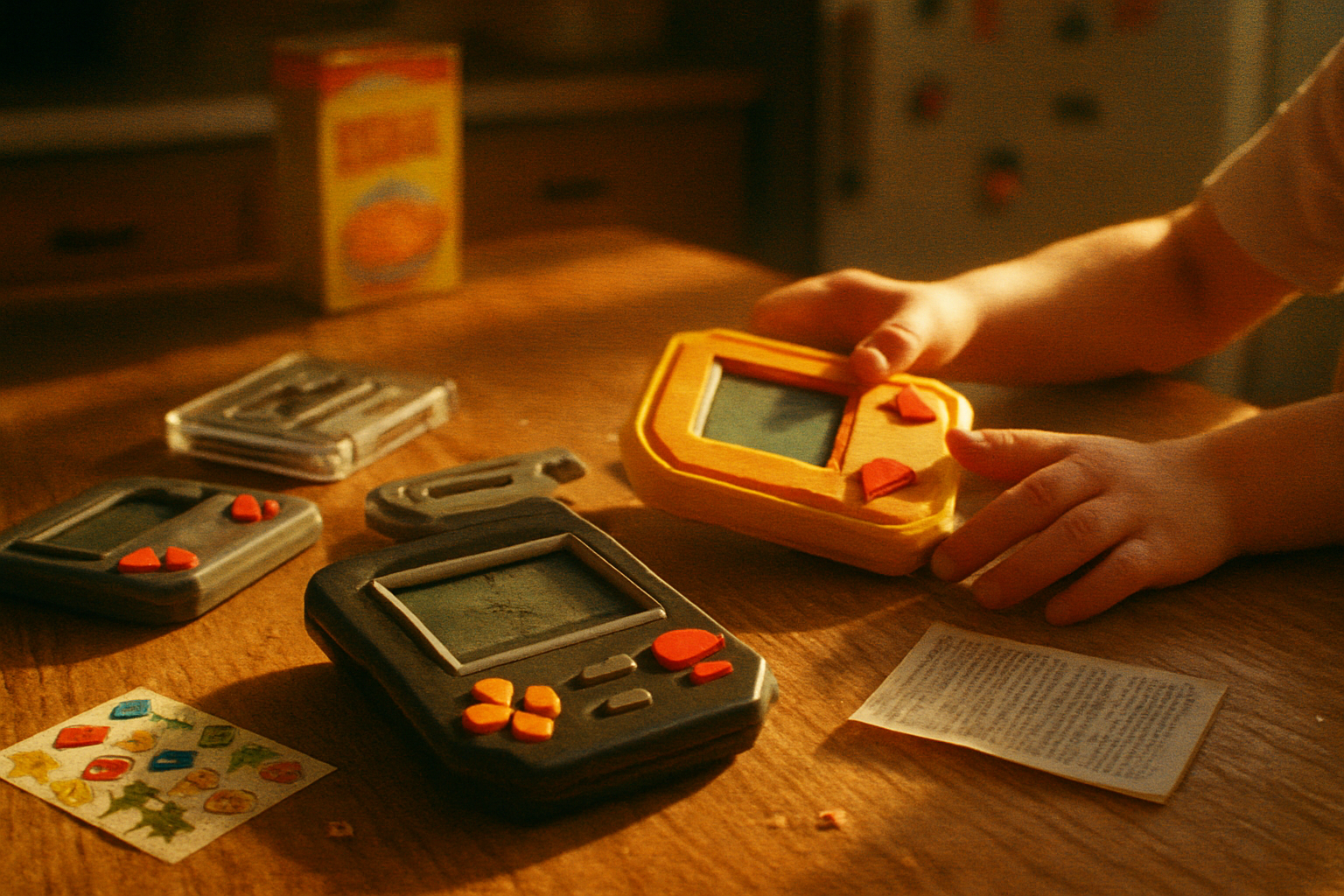
Tiger Electronics made cheap, licensed handhelds in the 1980s and ’90s. Think of them as the bargain cousin to Nintendo’s Game & Watch and the Game Boy: single-game, segmented-LCD devices that bore the names of Batman, Star Wars, Power Rangers and an entire parade of licensed franchises [https://en.wikipedia.org/wiki/Tiger_Electronics]. They were inexpensive to produce, easier to license than a cartridge-based title, and emotionally efficient - a name you recognized and a one-button promise of fun.
But the promise was small. These devices ran single-loop games with a handful of sprites, rigidly segmented screens, and sounds made on a single cheap speaker. The experience was an exercise in patience and imagination, not technological wonder.
Why we love them: reasons that aren’t about pixels
Nostalgia is not an incorrect memory fault. It’s a useful emotion. Researchers describe nostalgia as a bittersweet resource that supports identity, meaning, and social connection [https://www.annualreviews.org/doi/10.1146/annurev-psych-010814-015239]. The Tiger handhelds meet a lot of nostalgia’s needs:
- Identity anchors - They tell a compact story about who you were - a kid with a backpack, a favorite movie tie-in, a trading partner at recess.
- Social currency - They were pocketed conversation pieces, not solitary masterpieces. Swapping tips or letting a friend try a miraculous high score created micro-communities.
- Ritual and scale - Few modern devices compress a childhood into a 4-inch plastic rectangle with an irreversible ‘ON/OFF’. That simplicity becomes a ritual.
In short: it wasn’t the gameplay so much as what the games did for your life.
Why they disappoint when you actually play them
The gulf between remembered joy and present friction grows fast when you power one up again. The disappointment usually comes from several technical realities:
- Clunky mechanics - Inputs were often binary and laggy. Timing windows were unforgiving. Winning felt like pressing a button at the exact millisecond the game allowed.
- Primitive visuals - Segmented LCD screens display pre-drawn shapes. No smooth motion, no detailed sprites. Movement is an illusion achieved by toggling segments on and off.
- Repetitive design - Most games were endless loops with escalating speed - not levels with narrative or variety. That means the emotional arc is basically “repeat until you fail.”
- Sound and feedback - The fanfare was a few beeps. No soundtrack, no nuanced audio cues. Success sounded like a calculator.
- Fragile hardware - Battery corrosion, brittle plastic, dead segments - the physical objects age badly.
If you strip away the mythology, you’re left with a handful of rigid rules, a single UX trick, and a manufacturer’s relentless drive to cut costs. None of that is glamorous. It is, however, persistent.
Why memory edits out the clunk
Three psychological mechanisms do most of the heavy lifting:
- Rosy retrospection - We remember experiences as more pleasurable than they were. The bad parts blur; the good bits compress into a few potent scenes [
- Peak–end rule - Our memory of an experience is disproportionately influenced by its peak moments and how it ends, not by average quality. The half-second of triumph when you beat a level becomes the whole anecdote [
- Reconstruction - Memory is constructive, not replayed. We fill gaps with cultural narratives - toy commercials, shared jokes, and sibling exaggerations - that reinforce the pleasant take.
Put together: your brain lops off the tedious middle and saves the highlight reel.
Licensed happiness: the business model of cheap nostalgia
Tiger’s approach was astute in a capitalist way: license a big name, make a cheap product, and sell emotion. The cost of production was low; the cost of sentiment was near-zero. The company mastered what marketing folks call “emotional shorthand”: slap a superhero on cheap plastic, and you’ve bought trust by association.
That meant two things for consumers. First, the toy delivered immediate recognition: a Batman logo = trust. Second, because these were inexpensive, disappointment felt less like betrayal and more like a small, forgivable scam - and that’s fertile soil for nostalgia.
A cultural mirror: what Tiger nostalgia says about us
People don’t long for things so much as for feelings: ease, community, the illusion of endless time. Tiger handhelds stand for a childhood where entertainment was physical and finite, and where buying one small toy could feel like expanding your world. As adults we chase that sensation with collectors’ auctions, curated Instagram shots, and a thousand think pieces about the good old days.
But there’s a hush-hush cost: the objects of nostalgia often fall short of our romanticized memories. We’re left with artifacts that reveal which parts of our past were real and which were projection.
How to have a less dishonest nostalgia
If you want to enjoy Tiger handhelds without the self-deception, try a few practices:
- Play them as artifacts, not as modern entertainment. Appreciate the engineering improvisation rather than demand modern game design.
- Celebrate the social rituals around them - trading tips, showing them off - instead of the gameplay itself.
- Keep historical context - recognize licensing economics and the limits of segmented LCDs. Read one paragraph about how Game & Watch influenced this era [
- Add contrast. Play a period game on a modern emulator and then the Tiger. The difference clarifies what you love.
Final level: why this doesn’t invalidate nostalgia
Acknowledging that Tiger Electronics were clunky doesn’t ruin your memory. It refines it. Memory that admits both warmth and flinch is more honest, and honesty is kinder than myth. Love the beep. Laugh at the plastic. Collect the joy without mistaking the artifact for perfection.
We keep the little rectangles in boxes and on shelves because they compress an era - not because they were flawless. Let them be what they were: earnest, licensed, and marginally playable attempts at creating tiny pockets of magic. The real miracle is not that the games were perfect, but that our lives were capacious enough to make them mean everything.