· culture · 6 min read
The Dell Dilemma: Nostalgia vs. Modernity
Should Dell mine the gold of its past - beige boxes, chrome logos and reassuringly clunky keyboards - or keep sprinting toward an ever-sleeker future? A debate-style examination of brand, business, and design, with perspectives from industry practitioners and market data.

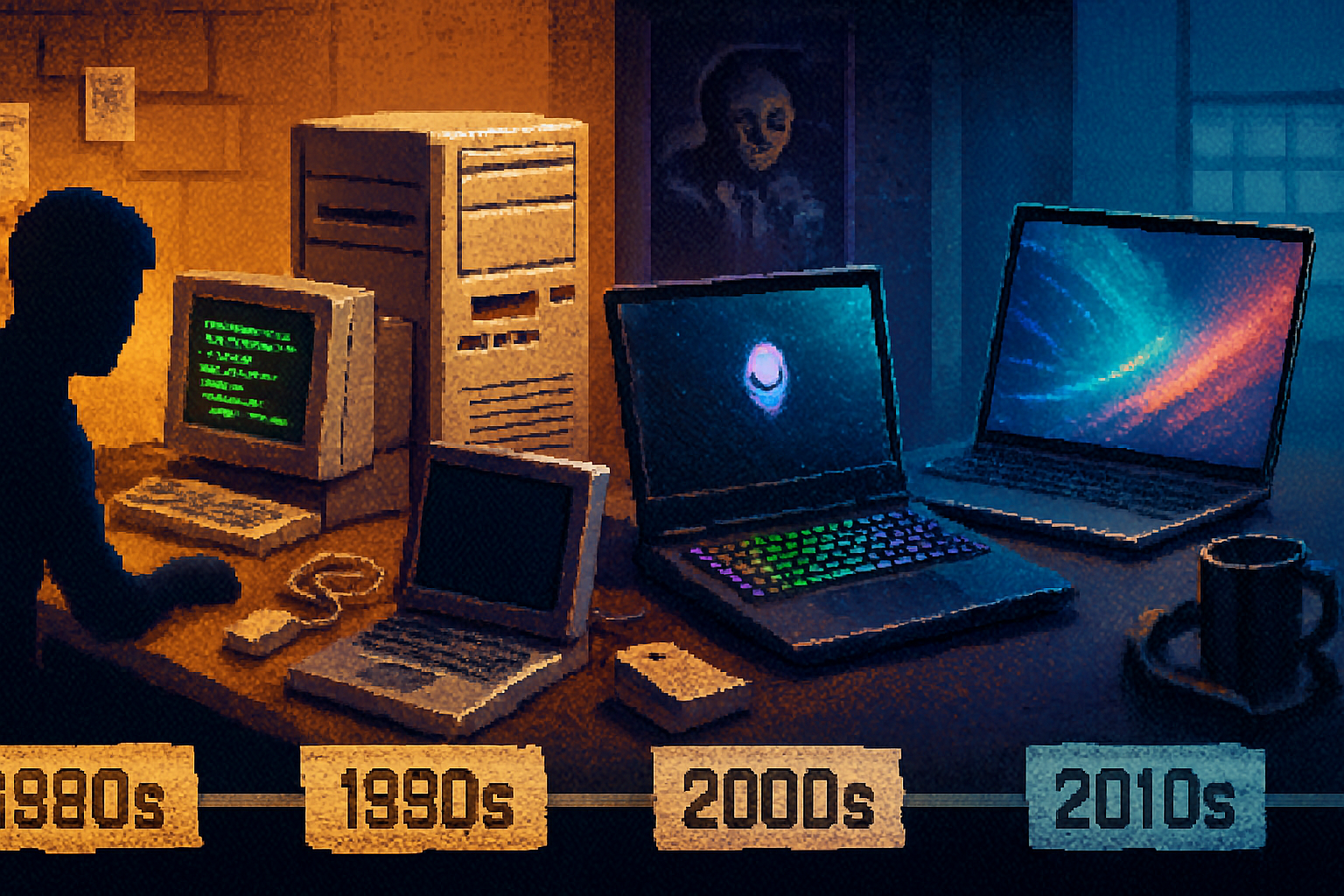
When I pulled an old Dell Inspiron out of a friend’s garage last year, it felt like finding a Polaroid in a shoebox: silly, a little sticky, and stubbornly evocative. The clack of the keys, the weight of the machine, the Dell logo stamped like a promise - it was nostalgia in plastic and screws.
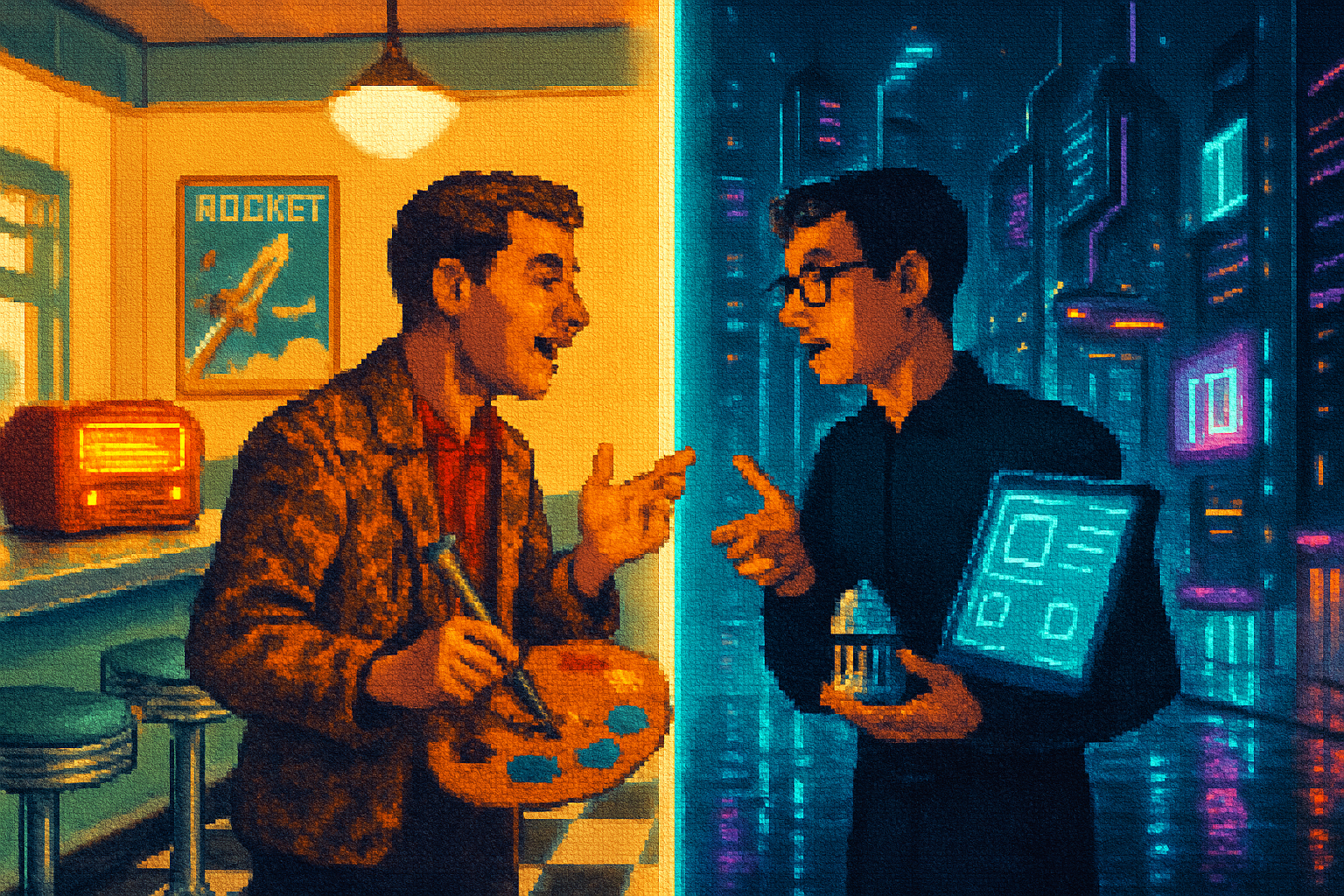
That moment is the exact problem and opportunity facing Dell in 2026: nostalgia is seductive, but innovation pays the bills. Should Dell remake the machines people remember fondly, or should it keep erasing memory with ever-thinner bezels and ever-fainter logos?
This article is a debate. Two sides. Data. Voices from the field. A recommendation that isn’t a bland compromise.
The case for nostalgia: sell memory, sell loyalty
Nostalgia isn’t a gimmick. It’s marketing hydraulics - heavy, predictable, and very effective when you redirect it.
- Nostalgia reduces friction. A familiar silhouette or logo short-circuits decision-making - consumers think, “I remember this,” and the path to purchase shortens.
- It monetizes emotional capital. Brands like Nintendo (NES Classic), Polaroid and Leica have proven that retro reissues can command premium margins and earned media.1
- It reactivates lapsed users. Lapsed Dell owners, laptop-hand-me-down culture, parents buying a ‘reliable’ machine for kids - nostalgia targets them effortlessly.
Practical examples Dell could pursue:
- Limited-run Inspiron Classics with tactile keyboards and thicker chassis, sold as premium nostalgia pieces.
- A curated “Dell Heritage” collection for collectors and retro enthusiasts, with modern internals but vintage aesthetics.
Pros for Dell
- Fast PR wins. Retro launches generate headlines and social shares faster than incremental spec bumps.
- Brand warmth. A nostalgia line humanizes a corporation that otherwise reads as rational and rationalizing.
- Low technical risk. Reissuing old designs is cheaper than long skylab-style R&D programs.
Cons for Dell
- Not a long-term moat. Nostalgia is seasonal theatre, not sustainable differentiation.
- Brand confusion. Too much looking backward can make Dell appear directionless in markets that prize forward-thinking design.
The case for modernity: future-proof the brand
If nostalgia is comfort food, modernity is medicine. It’s bitter, expensive, and keeps you alive longer.
Why push modern innovation?
- The enterprise and creator markets value performance, thermals, battery life, and reliability above retro aesthetics. Dell’s lucrative partnerships with businesses and data centers depend on cutting-edge engineering.
- The high end rewards boundary-pushing. The XPS and Alienware lines have allowed Dell to command higher ASPs and to be seen as a design and performance contender.2
- Sustainability and modularity require modern thinking. Thicker, retro shells are harder to reconcile with modern sustainability goals.
Pros for Dell
- Long-term revenue growth. Innovation leads to new platforms, services, and higher margins.
- Keeps the brand relevant among younger buyers who judge you by what you enable, not what you evoke.
Cons for Dell
- Incrementalism fatigue. The market yawns at yet another spec bump if it comes without emotional resonance.
- Risk of alienating the brand’s core - customers who still equate Dell with durability and no-nonsense value.
Voices from the field
Below are distilled perspectives from people who live in product, market, and culture - not quotes attributed to any single person, but the industry’s chorus.
Veteran Industrial Designer (Design side) - “Nostalgia can be honest if it’s done with integrity - keep the proportions, not the compromises. Use modern materials to replicate the feel without the weight.”
PC Market Analyst (Commercial side) - “Short-term nostalgia lines drive attention and margins, but the real money comes from sustaining engineering, manufacturing scale, and enterprise contracts.”
Retail Strategist (Channel side) - “Limited editions create scarcity. Retailers love SKUs that move with storytelling attached; they pay for displays, they’ll run bundles.”
Consumer Psychologist (Behavioral side) - “Nostalgia taps into identity. People buy ‘the Dell I grew up with’ because it’s a way to anchor themselves in a chaotic present.”
These voices agree on one thing: nostalgia works, but it’s a complement, not a replacement.
The business math: what the market data suggests
- The PC market’s growth is uneven, cyclical, and dominated by value and premium pockets. IDC and Gartner data show demand swings with enterprise refresh cycles and consumer sentiment.3
- Premiumization pays. Moving customers up the stack - from commodity Inspirons to XPS/Alienware - improves margins more sustainably than one-off retro sells.
So: nostalgia lines will spike sales and attention. They won’t fix thin margins or win enterprise deals.
Hybrid strategy: nostalgia as a probe, not a pivot
This is the practical answer, and it’s mercilessly unromantic: combine both. Use nostalgia to lubricate the brand while you continue to invest in future-facing platforms.
Tactical roadmap for Dell
Limited Heritage Editions
- Small runs (think - a few thousand units worldwide) of retro-styled laptops with modern internals.
- Price them as collectibles; include certificates and optional acrylic display stands. Make them events, not catalog entries.
Design language cues across lines
- Don’t burden every SKU with retro heft. Instead, borrow honest cues - a grille line, a typeface treatment, or a tactile metal badge - and apply them to modern designs. It keeps the memory alive without sacrificing performance.
Story-driven retail and resale strategy
- Partner with retailers for pop-up nostalgia experiences, trade-in events, and certified refurbished programs that highlight Dell’s longevity.
Invest in R&D and sustainability
- Double down on thermals, battery, and serviceability for core lines. Use nostalgia profits to fund ambitious, risky research projects.
Measure like a villain
- Track cost-per-PR, uplift in brand favorability, delta in ASP, and cannibalization. If a heritage SKU steals from XPS margins, cancel the next run.
Risks and rebuttals
Risk - Nostalgia cheapens the brand.
- Rebuttal - Properly priced, limited releases elevate the brand. Cheap imitation is the enemy; curated artistry is the friend.
Risk - Engineering distraction.
- Rebuttal - Keep heritage teams small and outsourced. Let the core engineering ship focus on the future.
Risk - Greenwashing accusations for thicker retro shells.
- Rebuttal - Require any heritage device to meet the same EPR/sustainability reporting as mainstream products.
Verdict: nostalgia as seasoning, not the meal
Dell shouldn’t decide between nostalgia and modernity like a binary moral choice. Nostalgia is a tool - sharp, emotional, and effective - but it cannot be the foundation. The company’s future depends on continued engineering excellence, enterprise relationships, and the ability to surprise the market with performance and sustainability.
Do a few heritage runs. Make them beautiful. Make them scarce. Then get back to building machines that strangers will write thinkpieces about in 2030.
After all: nostalgia is profitable when it amplifies what you already do well. It becomes tragic when it replaces it.
Footnotes
The NES Classic and other retro reissues demonstrate the market appetite for limited-run nostalgia; retro product coverage and cultural analysis appear regularly in outlets like Wired. ↩
Dell’s premium lines, like XPS and Alienware, are positioned to capture higher ASPs and performance-focused buyers: https://www.dell.com ↩
For quarterly PC market trends and shipment data, see industry trackers such as IDC and Gartner. ↩