· culture · 6 min read
From Desktop Dynasties to Laptop Legacies: The Evolution of Dell
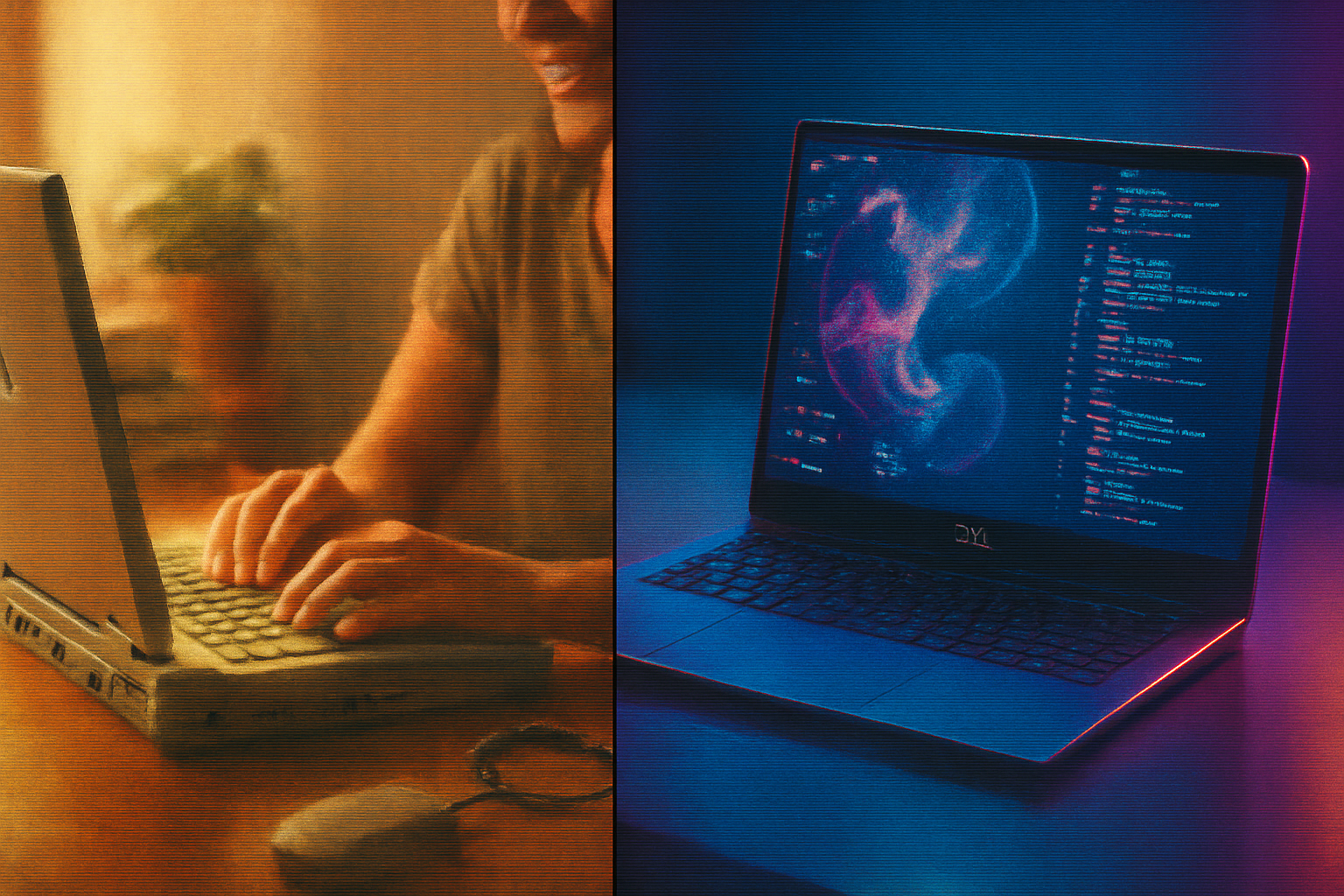
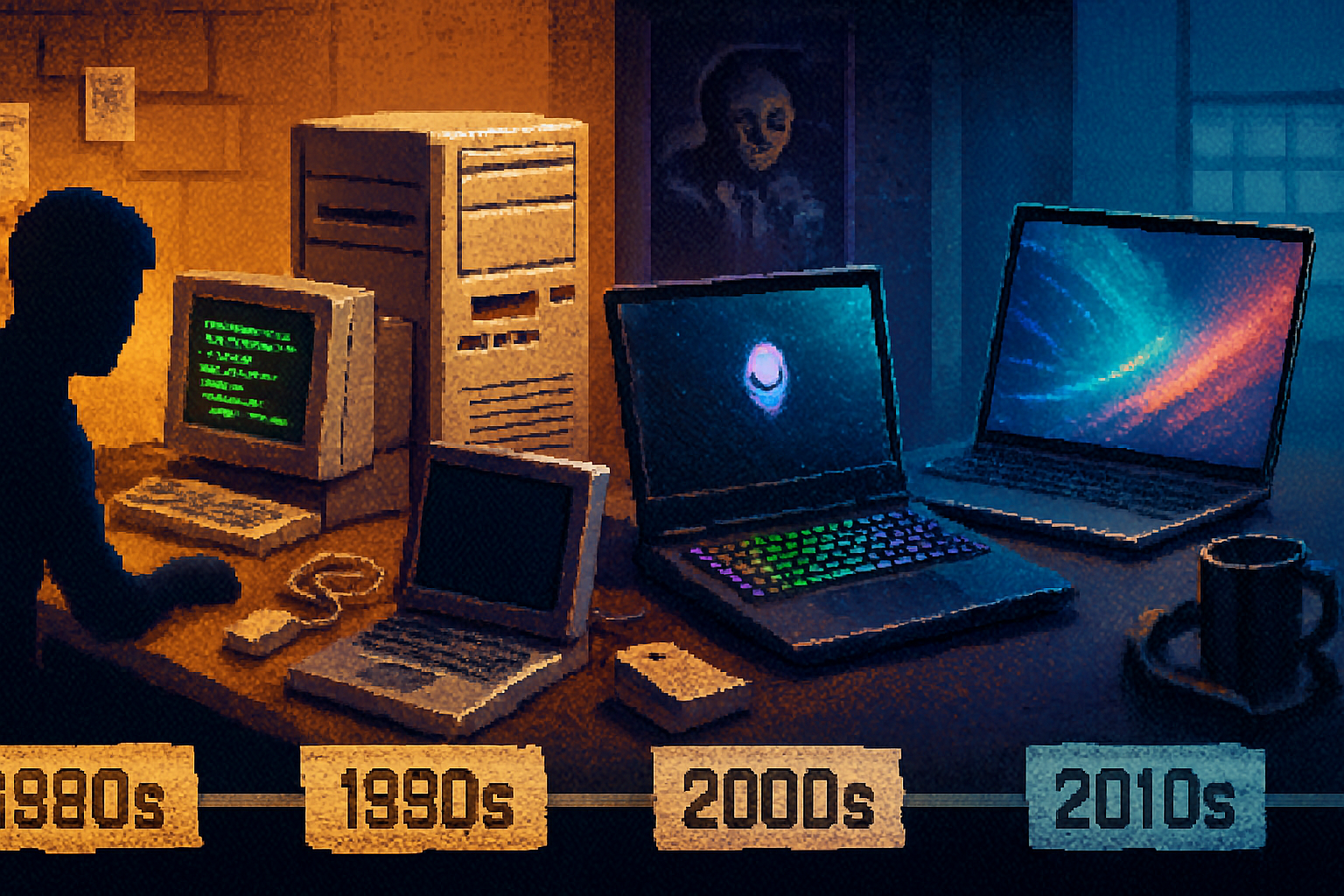
A visual timeline and analysis tracing Dell’s transformation from Michael Dell’s dorm-room startup and beige towers to the thin, CNC-milled laptops and gaming rigs that define the brand today - and what that journey means for consumer tech.
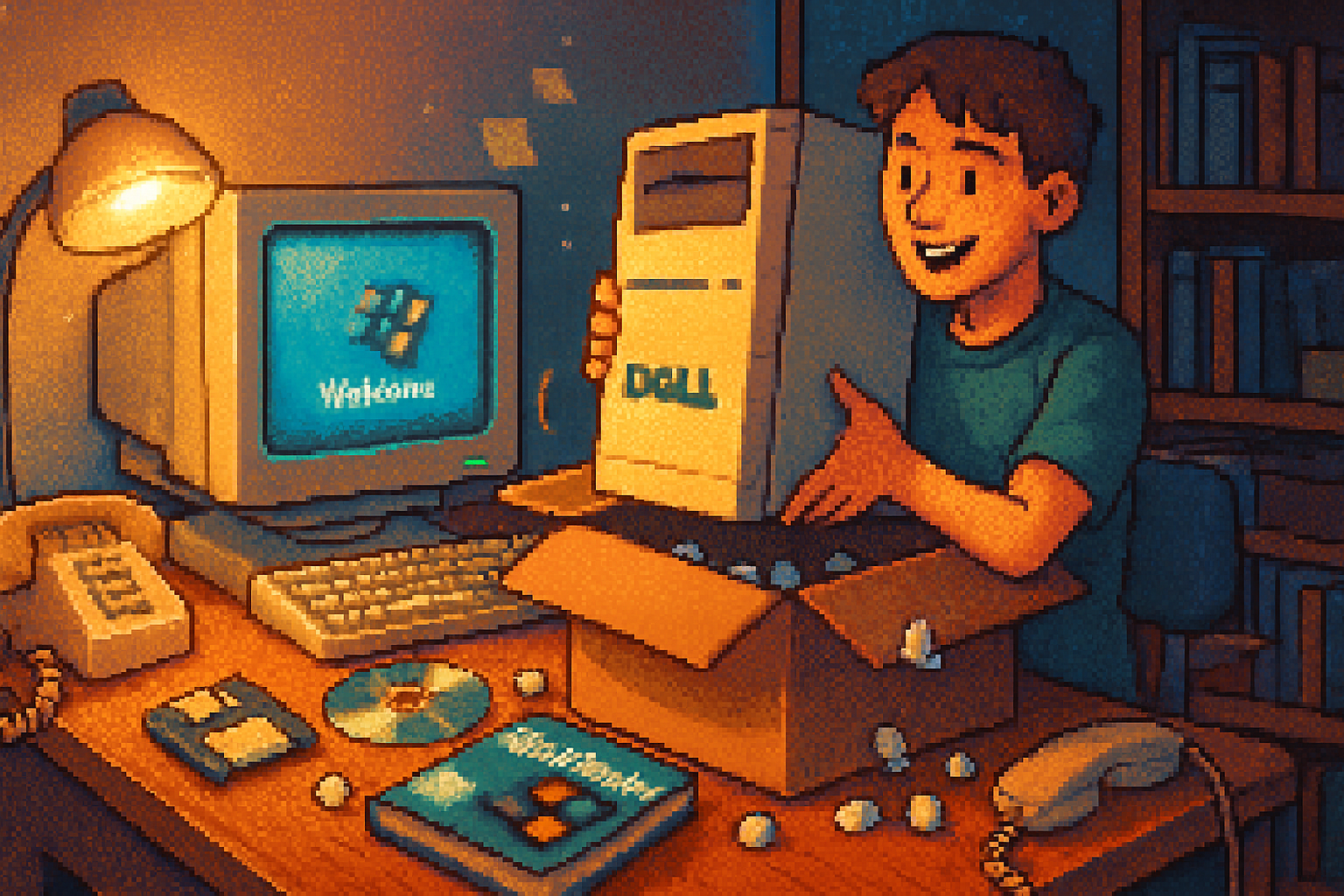
When Michael Dell wrote a three‑line business plan in his dorm room - “sell computers directly to customers” - he didn’t draw a blueprint for a product so much as for an entire business model that would make bulky beige boxes embarrassingly commonplace and then, a few decades later, make sleek aluminum laptops seem inevitable. That little plan, scribbled in 1984, was the seed of a company that taught the world two things: how to buy a computer, and later, what a computer should feel like in your hands.
Why Dell matters (besides making things that boot)
Dell matters because it rewired the relationship between maker and buyer. Instead of going through retailers, Dell perfected direct sales and just‑in‑time manufacturing. That sounds technical and dry. In plain terms: you stopped buying what a store shoved on a shelf and started ordering something built for you - faster, cheaper, and often spiffier. The ripple effects hit supply chains, retail malls, and the design of machines themselves.
Below is a visual timeline - a sequence of machines and decisions - that traces how Dell moved from desktop dynasties to laptop legacies.
1980s - The Dorm Room and the Turbo PC
- 1984 - Michael Dell founded PC’s Limited while a student at the University of Texas; the company emphasized direct sales and configurability (
- 1985 - The Turbo PC and early IBM-compatible systems. Small, beige, and loud - and hugely important because they were affordable and directly configurable by customers (
What changed: the idea that the customer could be part of the manufacturing equation. Dell’s margin was less about markup and more about shaving inventory and offering choice.
1990s - From Power Towers to Brand Lines: OptiPlex, Dimension
- OptiPlex (business desktops) - Dell began to be taken seriously by corporations that wanted standardized, reliable boxes with service contracts (
- Dimension (consumer desktops) - design still tower‑centric but with more colorful marketing; the desktop was still king in homes.
Why it mattered: Dell became two machines at once - the utilitarian business workhorse and the aspirational family PC. That duality kept the company safe through shifting tides.
Late 1990s – Early 2000s - Laptops move front and center: Latitude and Inspiron
- Latitude (business laptops) established Dell as a provider of corporate notebooks, with an emphasis on durability and service (Latitude - Wikipedia).
- Inspiron (consumer laptops) simplified buying for the masses and tied into Dell’s direct model to offer configurable consumer notebooks (Inspiron - Wikipedia).
Human effect: people started thinking of a PC as something you could carry. The room full of cables and dust became a thing of the past - a liberating shift for people who moved between home and work.
Mid‑2000s - The Gaming and Performance Era: XPS and Alienware
- 2006 - Dell acquired Alienware, slinging RGB and unapologetically loud aesthetics into their line-up and giving Dell bona fide gaming cred (
- XPS (premium performance line) began to distinguish Dell as a maker of machines that competed on performance, materials, and design, not just price (XPS - Wikipedia).
Why this was pivotal: brands matter. Dell could be both the sensible office supplier and the maker of aspirational gear for creators and gamers. It signaled maturity - the company was no longer just a value vendor.
Late 2000s – Early 2010s - The Ultraportable and Design Wars
- Adamo (2009) - Dell’s short‑lived, beautiful, and expensive answer to Apple’s MacBook Air. A stylistic signal more than a long‑lasting product line.
- Ultrabook era (post‑2011) - Dell adapted with thinner laptops, premium materials, and attention to battery life and thermals.
Interpretation: Dell was learning to play by Apple’s aesthetic rules while keeping its own manufacturing and customizing strengths. Not all attempts stuck, but they taught design lessons that returned in better XPS and Latitude devices.
2015 - The InfinityEdge Moment and the Modern XPS
- The XPS 13’s InfinityEdge display (edge‑to‑edge bezels) became emblematic of a new approach to laptops - small footprints with large screens. It was less about raw complexity and more about making technology feel minimal and immediate (
Why this matters: design can save a product line. By trimming bezels and upgrading materials (CNC‑milled aluminum, carbon fiber), Dell turned commodity laptops into objects you wanted to touch.
2013–2018 - Corporate Maneuvers: Privatization and Return
- 2013 - Michael Dell led a leveraged buyout to take the company private in partnership with Silver Lake, arguing that long‑term innovation needed refuge from public‑market pressures.
- 2016–2018 - Dell shifted into enterprise solutions and then returned to public markets after acquiring EMC and integrating infrastructure businesses (
Why this matters: Dell became more than PCs. The company’s investment in servers, storage, and enterprise IT shaped decisions about laptop portfolios, services, and lifecycle management.
2020s - Sustainability, Thin‑and‑Light, and Hybrid Work
- Materials and recycling - Dell invested in recycled plastics, closed‑loop materials, and sustainable packaging - a response to both consumer expectations and supply‑chain responsibility.
- Hybrid work designs - hinges, microphones, battery life, and cameras got the attention once lavished on raw CPU benchmarks. The laptop became a social device, not just a compute box.
Impact on people: laptops had to be good on Zoom and terrible at being blown away by dust. They needed subtlety: quiet fans, long battery life, and polite thermals.
Selected Memorable Models and Why They Mattered
- Turbo PC (1985) - Democratized access to affordable, customizable PCs.
- OptiPlex family - The short, unglamorous backbone of many offices worldwide.
- Inspiron - The onramp for millions of first‑time laptop buyers.
- Latitude - A briefcase staple for road warriors who needed reliability more than style.
- Alienware - Gave Dell street cred in the gaming subculture.
- XPS 13 (InfinityEdge) - A design masterstroke that proved Dell could do desire as well as distribution.
The Patterns - What Dell’s evolution tells us about the tech industry
- Business model beats gadgetry - Dell’s original insight - sell direct, reduce inventory - mattered more than any single CPU choice. It reshaped retail before retail was ‘disrupted.’
- Design follows markets, but markets also follow design - once consumers demanded thinness and style, Dell learned to deliver without abandoning configurability.
- Diversify or die - Dell’s move into enterprise infrastructure insulated it when PC margins compressed.
- Culture and credibility are bought and borrowed - acquiring Alienware and launching premium XPS devices let Dell play in arenas it had never owned alone.
A sardonic thought before we close
If the 1980s Dell was a thrifty carpenter selling affordable, solid tables to everyone in the village, the 2010s Dell is a furniture maker who learned to produce both Scandinavian minimalism and deluxe, velvet‑lined gaming thrones. Both are useful. Both are profitable. But only one gets Instagram likes.
Where Dell goes next (short prognosis)
- Expect subtler differentiation - better thermals, AI‑tuned battery life, and features that make hybrid work bearable.
- Expect sustainability to cease being a marketing bullet point and become a baseline - recycled materials, modular repairability, and verified supply chains.
- Expect Dell to keep straddling markets - enterprise contracts will bankroll consumer experiments, and gaming brands will continue to push thermal and display advances into mainstream laptops.
Dell’s arc is a reminder: the shape of our machines follows how we choose to work, play, and buy. The bulky desktop did not vanish because it was obsolete; it lost a battle for convenience, weight, and fashion. Dell helped manufacture that consent.
References
- “Michael Dell” - Wikipedia: https://en.wikipedia.org/wiki/Michael_Dell
- Dell corporate timeline - Dell Technologies: https://corporate.delltechnologies.com/en-us/about/our-history.htm
- “Dell” - Wikipedia: https://en.wikipedia.org/wiki/Dell
- Dell OptiPlex - Wikipedia: https://en.wikipedia.org/wiki/Dell_OptiPlex
- Dell Inspiron - Wikipedia: https://en.wikipedia.org/wiki/Dell_Inspiron
- Dell Latitude - Wikipedia: https://en.wikipedia.org/wiki/Dell_Latitude
- Dell XPS - Wikipedia: https://en.wikipedia.org/wiki/Dell_XPS
- Alienware - Wikipedia: https://en.wikipedia.org/wiki/Alienware