· retrotech · 5 min read
Unpacking the Charm of Ask Jeeves: What Made It So Special?
Ask Jeeves felt like asking a polite butler for answers - not typing keywords at a machine. This piece explores the product choices, branding, and cultural resonance that made Ask Jeeves an oddball success in the late 90s and early 2000s, and what designers can learn from its brief reign.
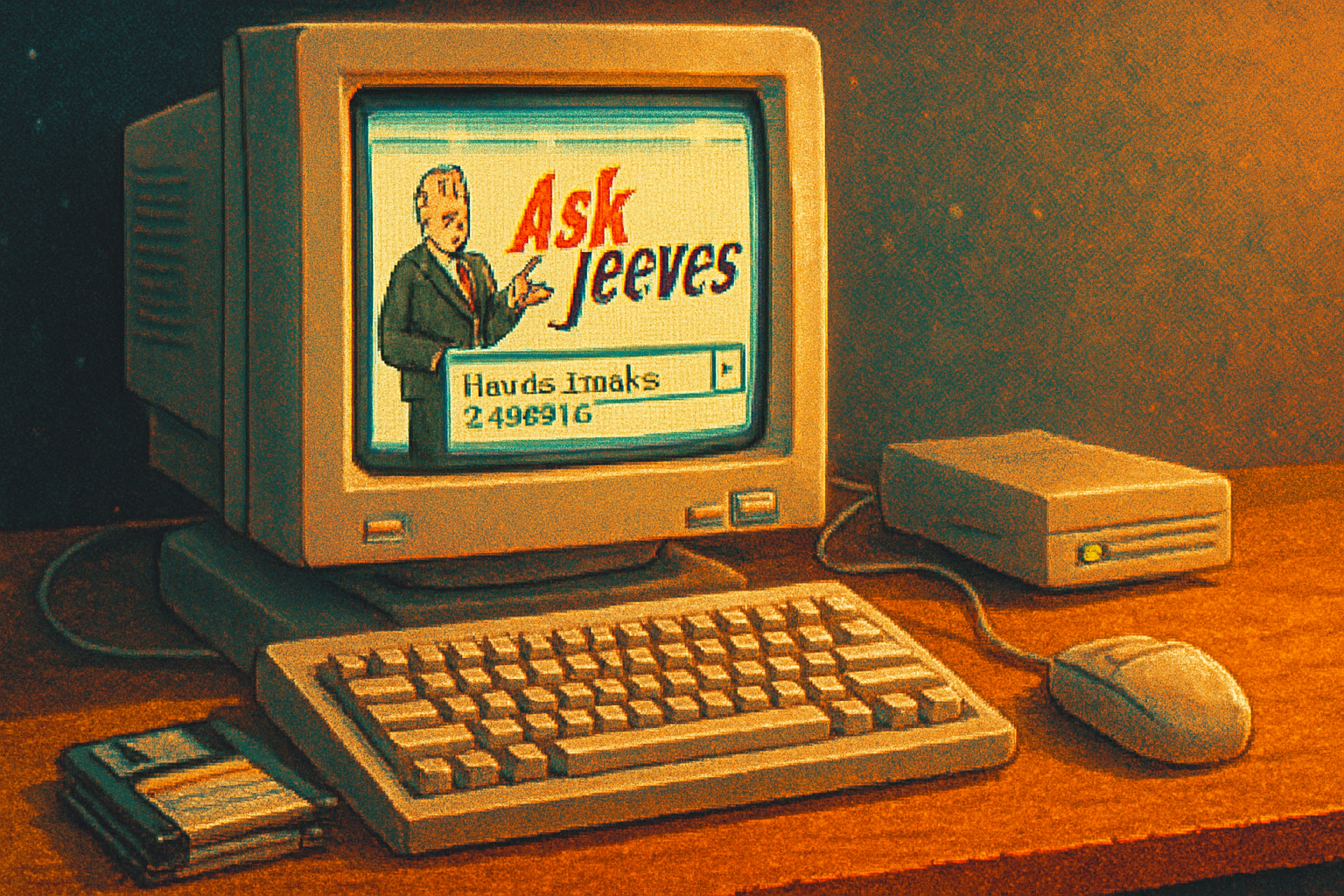
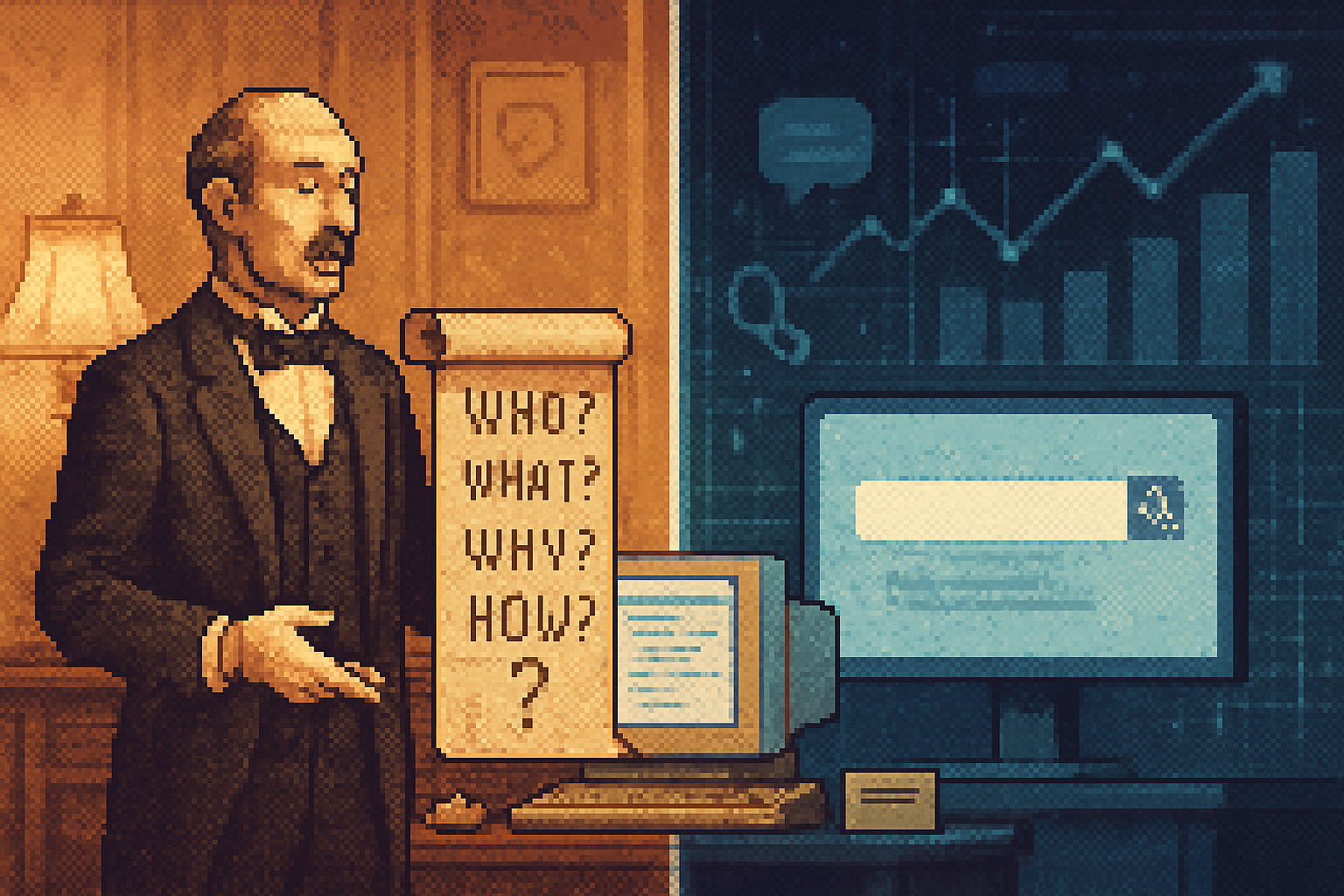
I can still hear the dial-up tone in the background. Somewhere between a crumpled homework assignment and a desperate need to know whether Pluto was a planet, a teen in flannel typed a full sentence into a search box: “Who discovered Pluto?”
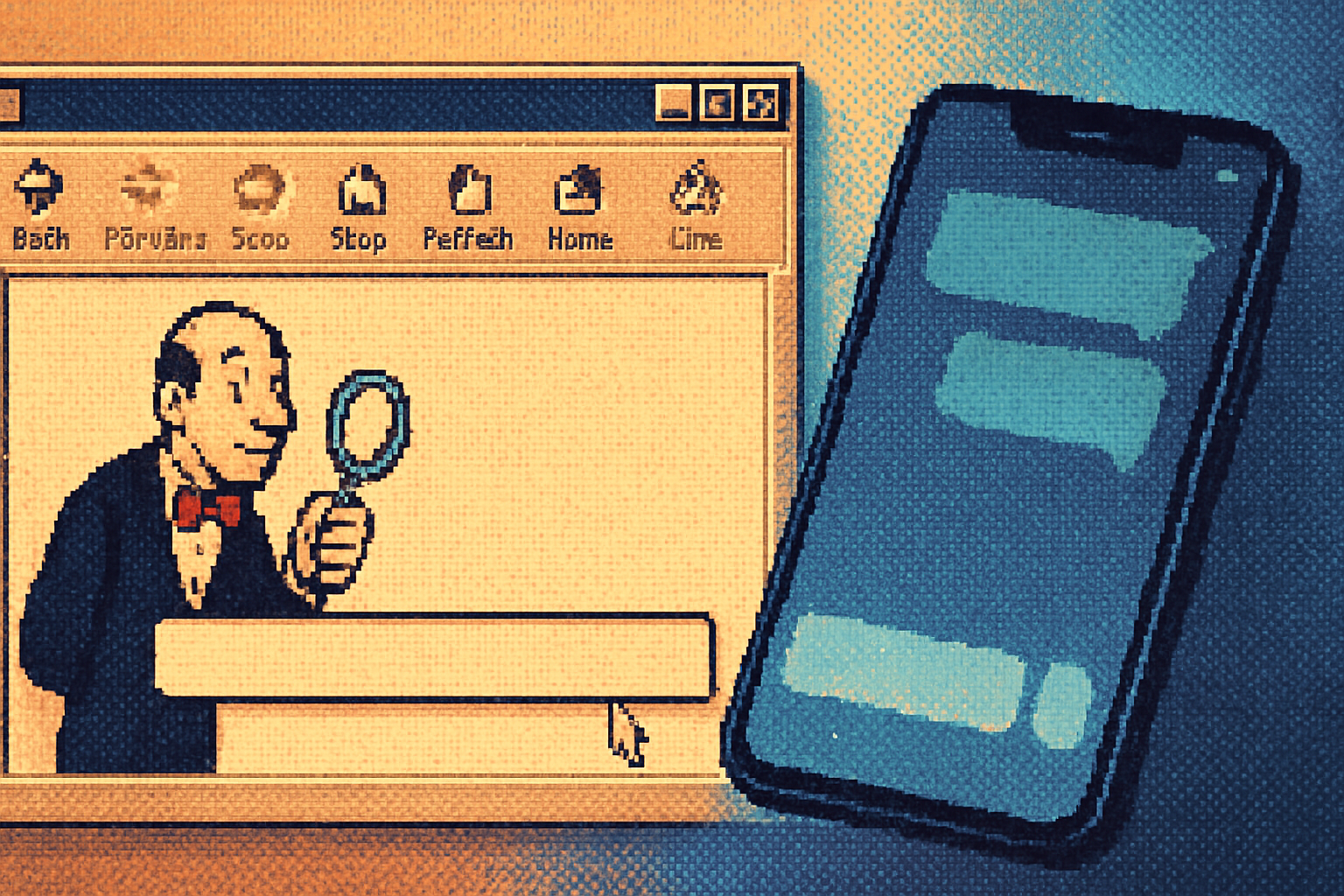
Instead of sullenly splitting the question into keywords, the page offered a smiling, immaculate butler named Jeeves. It felt like asking someone in a waistcoat. The answer arrived like a small mercy.
This is the story of why Ask Jeeves mattered - not because it had better algorithms, but because it treated the user as a human asking a question, not a machine throwing keywords into the void.
The pitch: questions, not keywords
In 1996 Ask Jeeves launched with a simple, seductive idea: search should understand natural language. Type your question the way you’d ask a person and get an answer.
That sounds obvious now. It wasn’t then.
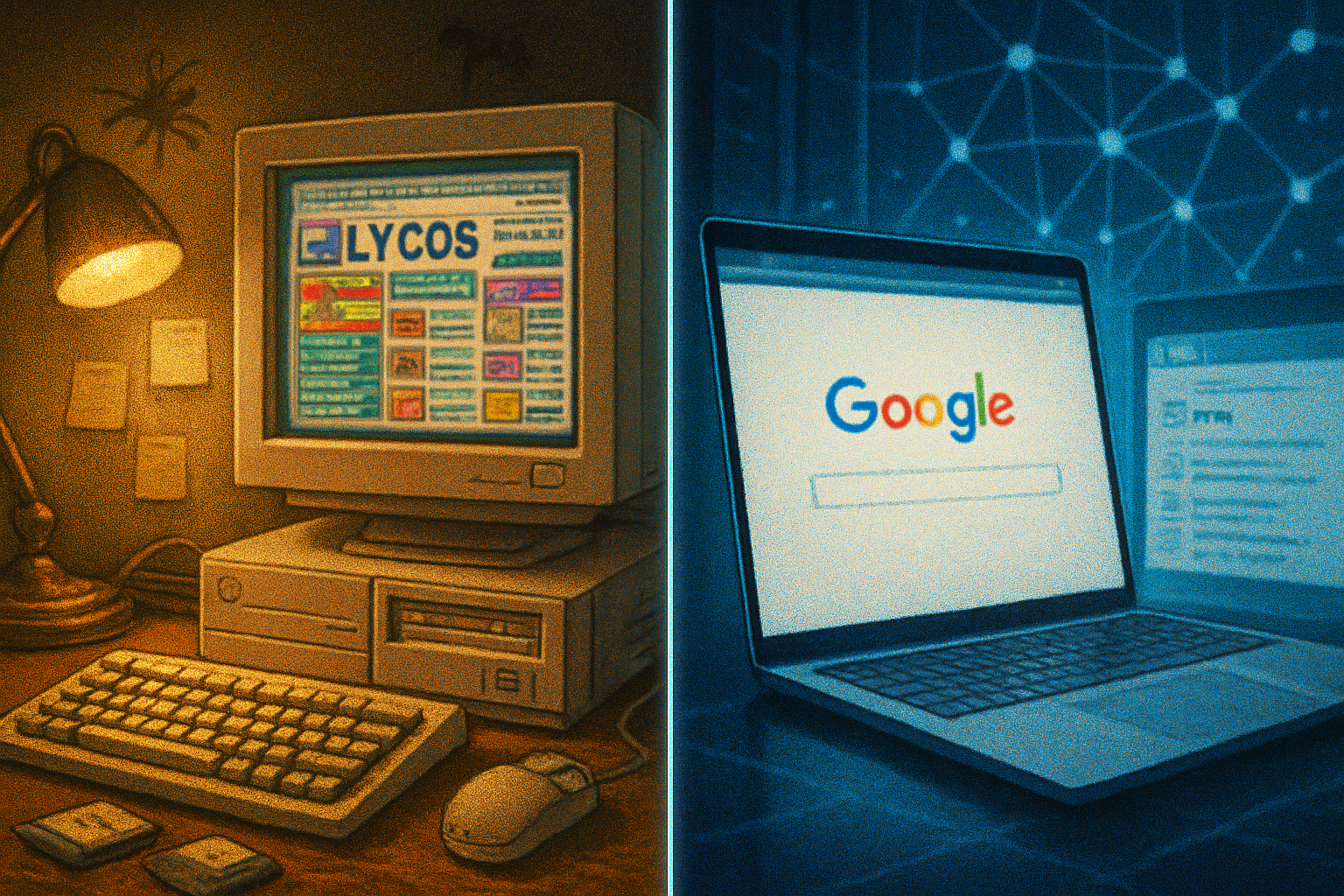
Google popularized the minimalist keyword box and algorithmic ranking (PageRank), but Ask built an alternative identity: conversational query handling, an explicit question-answer focus, and a mascot who acted as a social agent. The product was signaling a different relationship between human and machine - more like a Q&A with an assistant, less like interrogating a database.
What made Ask Jeeves distinct (feature-by-feature)
Natural-language parsing - Ask invested in parsing whole-sentence queries and mapping them to answer templates rather than just matching keywords. That translated into better results for everyday questions (“How tall is Mount Everest?”) without the user needing to think like a search engine.
Question-answer architecture - Instead of surfacing a list of links only, Ask often tried to return a direct answer or a short explanatory snippet, prefiguring modern featured snippets and instant answers.
Anthropomorphic interface - The Jeeves character - borrowed from P.G. Wodehouse’s valet - was a deliberate human face for an otherwise abstract service. He reduced friction. People are more patient with a smiling social actor than with an opaque system.
Disambiguation and guidance - Ask jealously tended to guide users when queries were messy. The interface asked clarifying questions or offered reformulations, helping users refine queries more gently than a cold search box.
Clean, friendly UI - Late-90s visuals leaned towards clutter. Ask’s presentation was comparatively warm and approachable - a design choice that mattered when most users were still learning how to interact with the web.
For a good summary of the service’s evolution and tech decisions, see Ask.com’s history and the concept of question answering on Wikipedia.
- Ask.com (history): https://en.wikipedia.org/wiki/Ask.com
- Question answering (overview): https://en.wikipedia.org/wiki/Question_answering
The cultural moment: why Jeeves fit the late-90s psyche
The late 90s was a peculiar place: the internet felt new, generous, and human-scaled. We believed interfaces could be friendly. The dot-com era’s optimism loved mascots - think animated characters, chatty portals, and the belief that design could be social.
Jeeves arrived with impeccable timing. He embodied three cultural needs:
- Trust. A butler implies competence and discretion. Users wanted reassurance that the machine wasn’t going to misbehave.
- Literacy aid. Many early users were novices. Natural-language search lowered the bar - you didn’t have to learn operators or Boolean logic.
- Entertainment. Searching was still a small drama in daily life. The mascot made it fun.
Ask’s ads - courteous, slightly whimsical - leaned hard into that feeling. When Ask later scrubbed the butler from its branding (rebranding to Ask.com in the mid-2000s), the move felt like adulthood: tidy, efficient, and less fun.
Why the charm didn’t win the long game
Charm is not an algorithm.
Ask’s conversational strengths were undermined by two brutal realities:
Scale and ranking. Google’s ranking algorithm and massive index scaled far better for the open web. It delivered broader coverage and often more relevant results for exploratory or commercial queries.
Monetization and search data. The race to monetize search favored companies that could treat queries as signals for ad targeting. Google’s integration of relevance and advertising was ruthlessly effective.
Ask tried technical pivots - acquiring technology like Teoma to improve ranking - but rebranding, reorganizations, and the pace of algorithmic competition eroded its lead. By the mid-2000s the butler was more museum than monarch.
See Teoma and Ask’s evolution for more technical background:
- Teoma (search tech): https://en.wikipedia.org/wiki/Teoma
What Ask Jeeves taught designers and product people
Ask Jeeves is more than a footnote; it’s a case study in aligning persona, capability, and promise.
Personality reduces friction - but only if the system delivers. A charming assistant who flubs answers is a liability.
Empathy scales as design, not décor. The anthropomorphic approach worked because it solved a real pain - users didn’t know how to format queries. The remedy was design that reshaped behavior.
Boundaries matter. Natural-language interfaces must set expectations. When users expect a human-level conversation, they judge failures harshly. Clear affordances - like offering clarifying prompts - help.
Cultural timing shapes memory. Je ne sais quoi - sometimes a product is loved because it appears when people are emotionally open to it, not because it’s objectively superior.
The modern echo: from Jeeves to Siri and Alexa
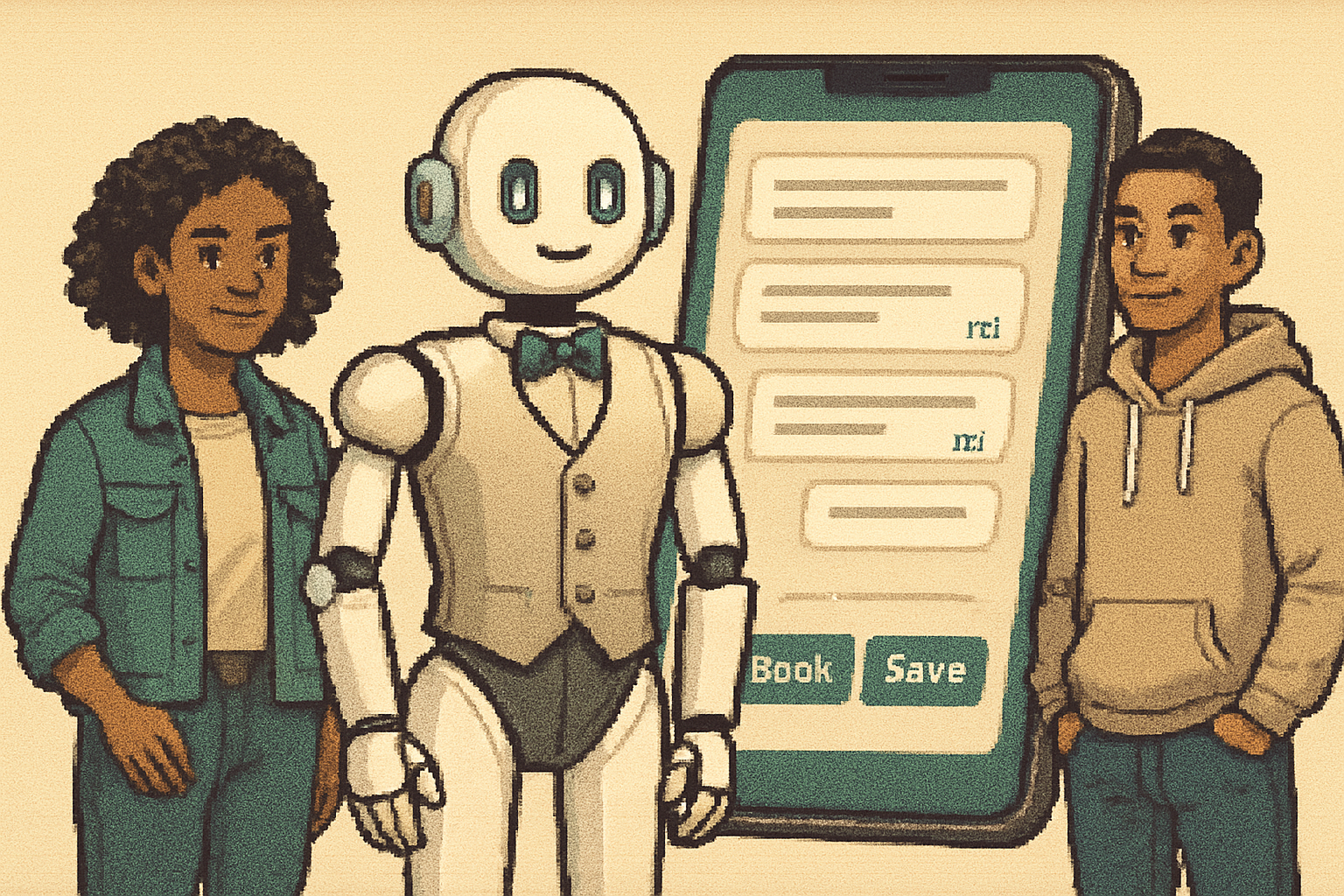
The idea of a polite, helpful agent didn’t die with Jeeves. Voice assistants and chatbots are the spiritual heirs to that personality-first approach. Siri, Alexa, and Google Assistant returned the social layer to search - but with far better context, data, and voice UI.
Where they succeed, they learned Jeeves’ lesson: humans want to ask in their own words. Where they struggle, they repeat Jeeves’ fate: personality without reliable competence breeds frustration.
The last line: why we still care
Ask Jeeves was never the most technically sophisticated search engine. It didn’t need to be. It mattered because it tried to be human first - to offer an interface that respected how people actually talk and think.
In a world obsessed with metrics and precision, that aim feels strangely quaint. But it’s also a reminder: technology’s point is to serve human problems, not to force humans to learn machines. The butler may have bowed out, but the etiquette he taught the web - ask plainly, expect an answer - endures.
References
- Ask.com - Wikipedia: https://en.wikipedia.org/wiki/Ask.com
- Jeeves (P. G. Wodehouse character): https://en.wikipedia.org/wiki/Jeeves
- Question answering - Wikipedia: https://en.wikipedia.org/wiki/Question_answering
- Teoma - Wikipedia: https://en.wikipedia.org/wiki/Teoma