· culture · 7 min read
Why LaserDisc is Making a Comeback in the Age of Streaming
In an era when everything is an indexed stream, a growing cohort of millennials and Gen Z collectors are choosing giant, clunky discs over effortless playback. This article explains why LaserDisc - once obsolete, now fetishized - fits a yearning for ritual, superior presentation, and resistance to algorithmic consumption.
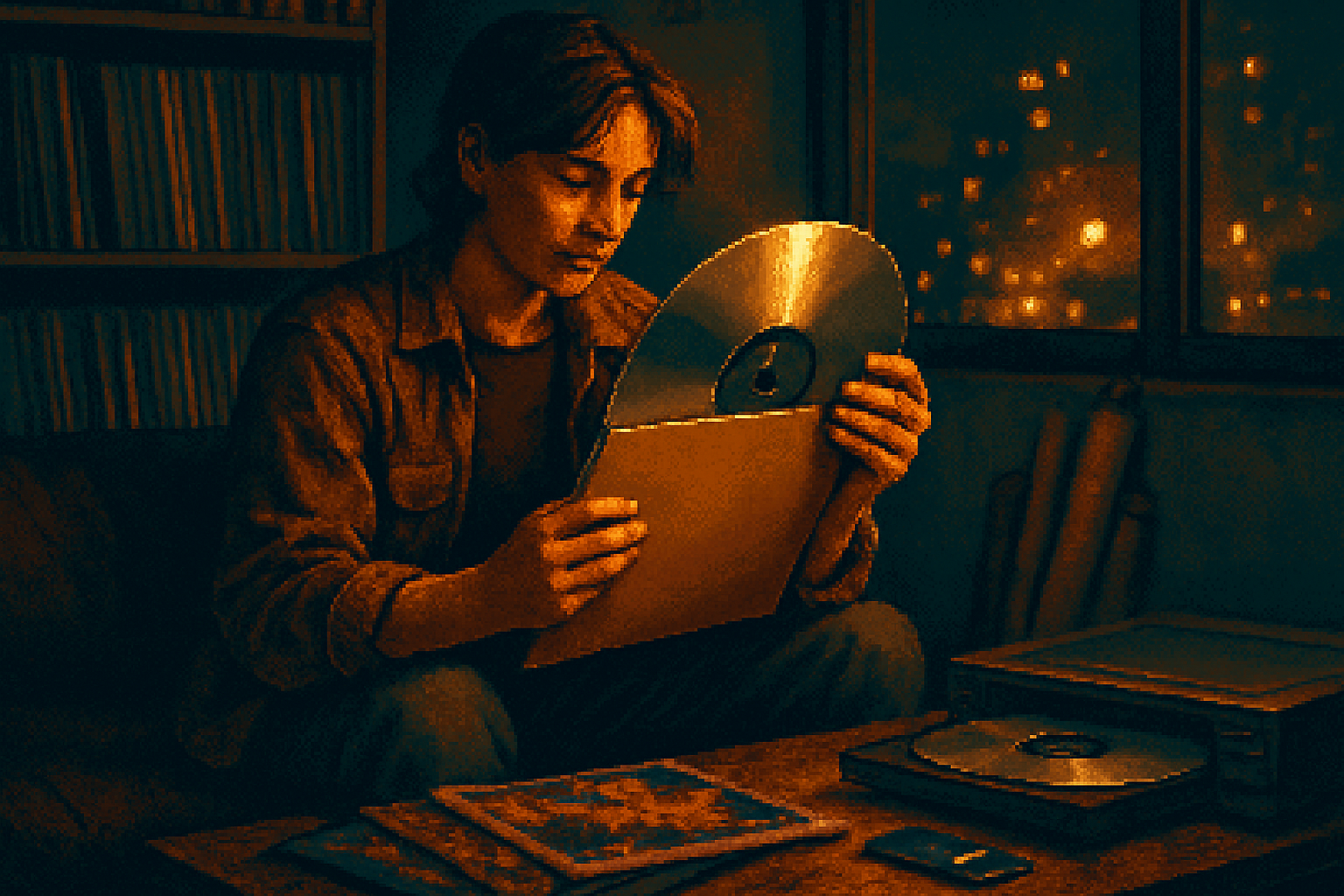
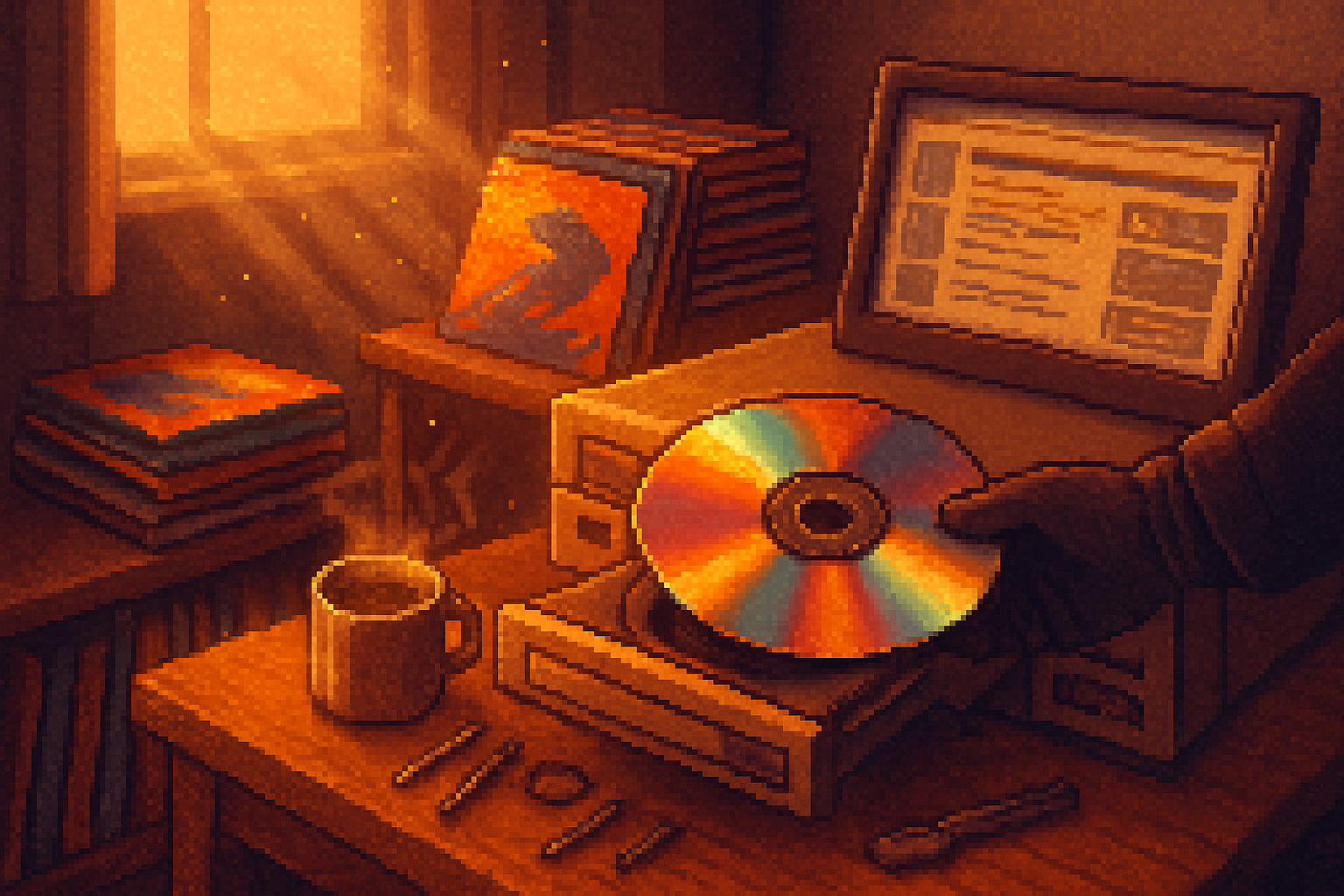
At a weekend flea market I watched a twenty-something take a LaserDisc from a box, hold it like an altar object, and say, without irony, “This is how Die Hard was meant to be seen.” He paid forty dollars and walked away grinning, the disc’s silver surface catching the sun like a tiny moon.
That handful of silver plastic tells you everything you need to know about the LaserDisc comeback: this isn’t about convenience. It’s about spectacle, ritual, and a kind of cultural defiance - the deliberate choosing of something analog and bulky over something frictionless and invisible.
A brief history so we know what we’re romanticizing
LaserDisc arrived in the late 1970s as the upscale, terrifyingly expensive older sibling to VHS - a disc format that offered superior video and audio quality long before DVDs and Blu‑ray split the market. It never massed like VHS or DVD, but it found a passionate niche among cinephiles and collectors. The format’s story is well summarized on the LaserDisc page at Wikipedia.
- See the basics: LaserDisc - Wikipedia
Why mention the history? Because comebacks are rarely new inventions - they’re repetitions with a twist. Vinyl returned for similar reasons. LaserDisc is just the cultier cousin, and its reappearance follows the same cultural script.
What LaserDisc offers that streaming doesn’t (and why people care)
Streaming is the best thing for convenience, the worst thing for romance. LaserDisc’s appeal breaks down into several interlocking reasons:
Physical aesthetics and ritual. The heft of the sleeve, the artful inserts, the act of removing a disc from its jacket - these things give consumption ceremony. Physical media is jewelry for your living room; streaming is air.
Superior presentation for certain releases. Early LaserDiscs, especially well‑mastered releases, can look and sound remarkably good. Before compression became the law of streaming, LaserDisc often carried higher bitrates and less destructive encoding than what you see on many streaming services today. That technical edge matters to folks who obsess over grain, blacks, and analog warmth.
Extras and director presence. In the pre‑Netflix extras drought, LaserDiscs sometimes carried multiple cuts, commentary tracks, and special packaging that made them collectible. That tangible sense of an edition - a “this is the director’s preferred way” object - can’t be replicated by a generic streaming player.
Rarity and collectibility. The market for rare titles is real. Because LaserDisc never saturated the mass market, many editions are scarce. Scarcity turns media into trophy goods, and humans - millennial and Gen Z included - are still susceptible to trophy goods.
The audience: why millennials and Gen Z?
You might assume baby boomers are the keepers of discs. But the surprising growth is among younger people. Why?
Nostalgia, but not only personal nostalgia. Millennials remember the ritual of physical media from childhood; Gen Z grew up with the aesthetic but not necessarily the lived experience. Owning a LaserDisc is a way to touch an earlier era - to experience a past that’s exotic to their streaming‑native selves.
Anti‑algorithmic impulse. Younger consumers are burned out by algorithmic curation - feeds that groom taste, autoplay that devours attention, and platforms that obscure provenance and credits. A LaserDisc is a refutation of that: it has fixed track lists, printed credits, packaging you can read, and no autoplay.
Social signaling and identity. Cultural capital now includes the obscure. Posting a photo of a LaserDisc library says - I care about the medium, I read liner notes, I will discuss compression artifacts for three hours.
The tactile internet. In an environment of intangible goods (NFTs notwithstanding), physical objects confer a sense of ownership and permanence. Vinyl taught a whole generation that owning the object felt better than owning a file. LaserDisc exploits the same psychological architecture.
Aesthetics: why the format feels ‘cool’ again
There’s a genre of cool that loves analog imperfection. Grain, slight timing jitter, the sometimes idiosyncratic chapter breaks on a LaserDisc - these are textures streaming strips away. Think of LaserDisc as film noir to streaming’s technocratic minimalism: more character, more blemishes, more personality.
Even the packaging language matters. LaserDisc jackets were often typographic, sometimes playful, frequently earnest in a way that feels honest. That earnestness is a luxury in an era of product-managed irony.
Where collectors meet reality: cost, logistics, and the market
Let’s be frank. Owning LaserDisc is a logistical hobby. The discs are big, players are bulky and aging, and the best copies are rare. That’s part of the charm for collectors - difficulty confers status - but it also imposes limits.
- Finding hardware - working players are finite and require maintenance.
- Space - the discs are physically large (larger than a vinyl sleeve in many cases).
- Variability - region coding, CLV vs. CAV formats, and differing masters mean the same title can differ wildly in quality.
If you want to browse a currently active marketplace, Discogs shows a lively bridge between vintage media and collectors’ markets. Many purchases happen there, or in dedicated forums and auctions.
- See listings: LaserDisc - Discogs
The psychology: why ritual still beats speed
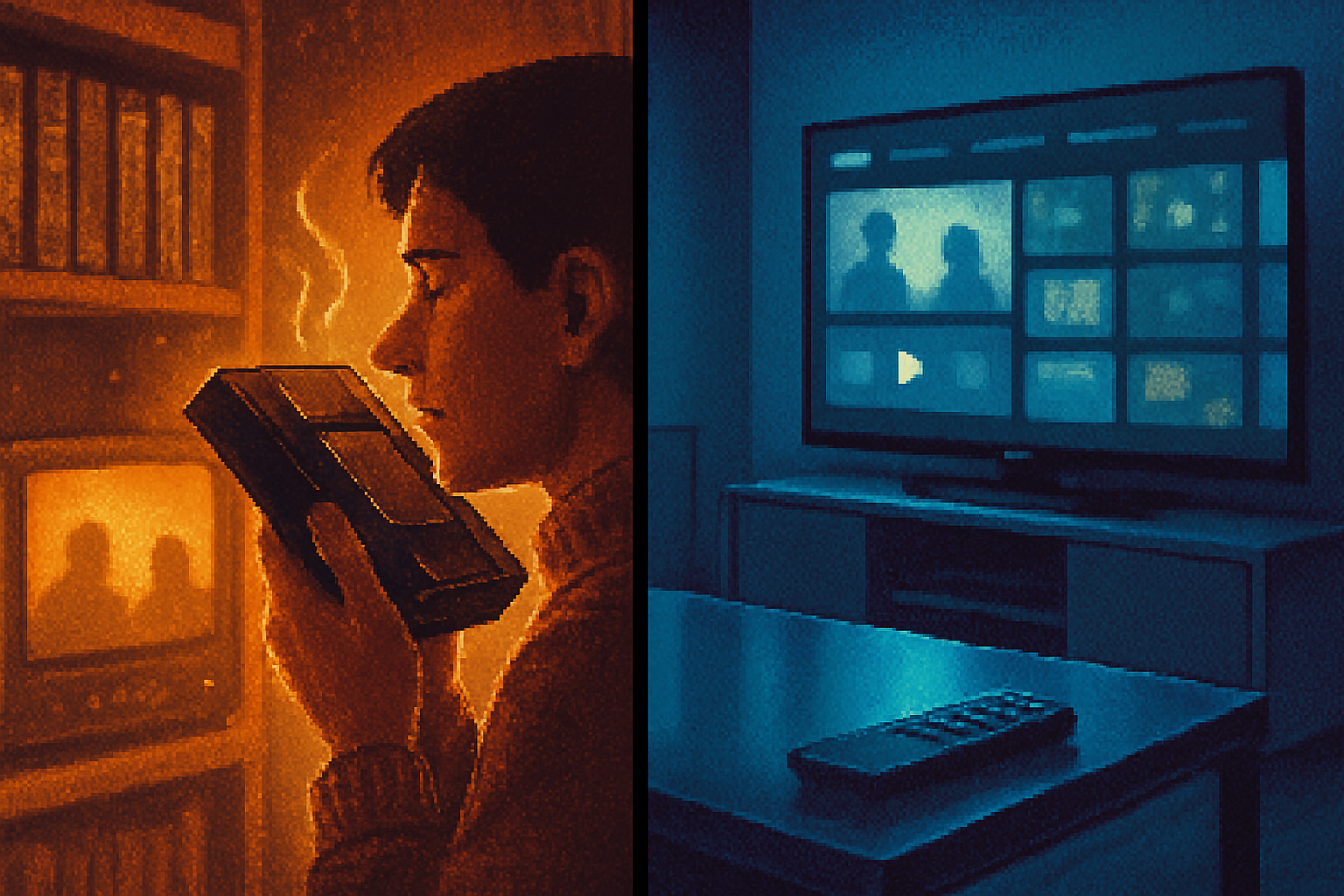
Culture isn’t just utility. We use objects to build meaning. Streaming optimized for frictionless viewing, which is wonderful when you want to watch something fast. But when watching a film becomes an event - a date night, a study in cinematography, a shared ritual between friends - friction becomes function: it structures the experience.
Buying, cleaning, cueing, and pressing play is a set of motions that mark intention. It demarcates time. The LaserDisc is a device for saying, loudly and physically, that this hour matters.
Is this just a hipster affectation? Partly. But it’s also a critique
Yes, there is affectation. Some of the comeback is posture. But affectation often masks a real critique: streaming centralizes taste, erases edition distinctions, strips metadata, and compresses art to fit a capitalist pipe. Collectors want agency - to own a particular cut, to preserve a particular transfer, to keep a physical record of cultural production.
History shows this pattern. When a dominant distribution model flattens choices, a minority retreats to formats that preserve nuance. Vinyl did it in the 2000s; LaserDisc is replaying the tune at a different pitch.
- For a parallel, read about the vinyl resurgence: Vinyl revival - Wikipedia
Practical advice if you want to try it (without looking like a poseur)
- Start small. Buy a single favorite film and the player later. If you love the viewing, you’ll want more.
- Learn the differences. Not every LaserDisc transfer is great. Read forums and watch comparison clips before you buy a rare, expensive copy.
- Budget for maintenance. Players fail. Heads need cleaning. Factor that into the hobby cost.
- Celebrate the ritual. Make the night - press play, read the credits, don’t use your phone.
The cultural upshot - what LaserDisc’s comeback tells us
This is not just about tech fetishism. It’s a cultural reaction to a media ecology that favors invisibility, optimization, and unending choice. The tiny LaserDisc diaspora are asking for three things:
- Slower consumption - the luxury of intention.
- Better provenance - knowing which edition you have and why it matters.
- Physical narrative - packaging and extras that tell a story beyond pixels.
If streaming is oxygen - necessary, invisible, mostly inert until it’s missing - physical formats are like architecture: they shape how we live in the world and how we tell stories about ourselves.
Final image: what they’re actually buying
Collectors aren’t buying playback. They’re buying a story: of care, of history, and of deliberate resistance to the flattening algorithms. If you stroll a market someday and see someone cradle a LaserDisc, you’ll know they are not nostalgic for nostalgia itself - they are building a tiny bulwark against a culture that increasingly prefers everything to be immediate, forgettable, and identical.
Whether LaserDisc becomes more than a niche is unlikely; it doesn’t need to. Small movements change aesthetics, which then filter into mainstream culture in subtler ways. In the meantime, there’s a particular, delicious pleasure in watching a perfect frame of analog light bloom from a disc that weighs as much as a small moon.