· culture · 7 min read
VHS vs. Streaming: The Battle for Nostalgia
A nostalgic, critical look at how streaming services have transformed how we watch, own, and remember media - and what we lose when tactile ritual gives way to endless catalogs and license fees.
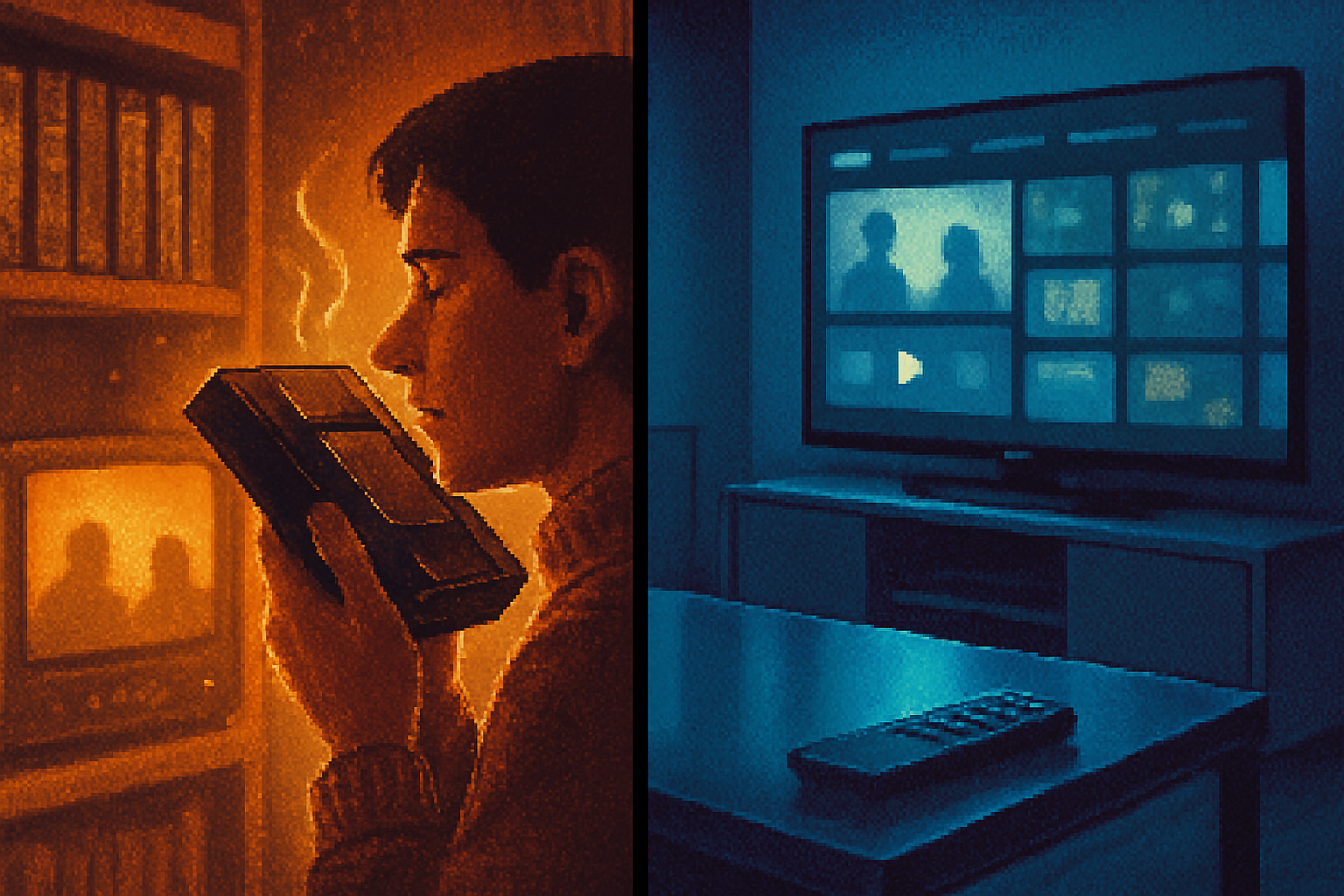
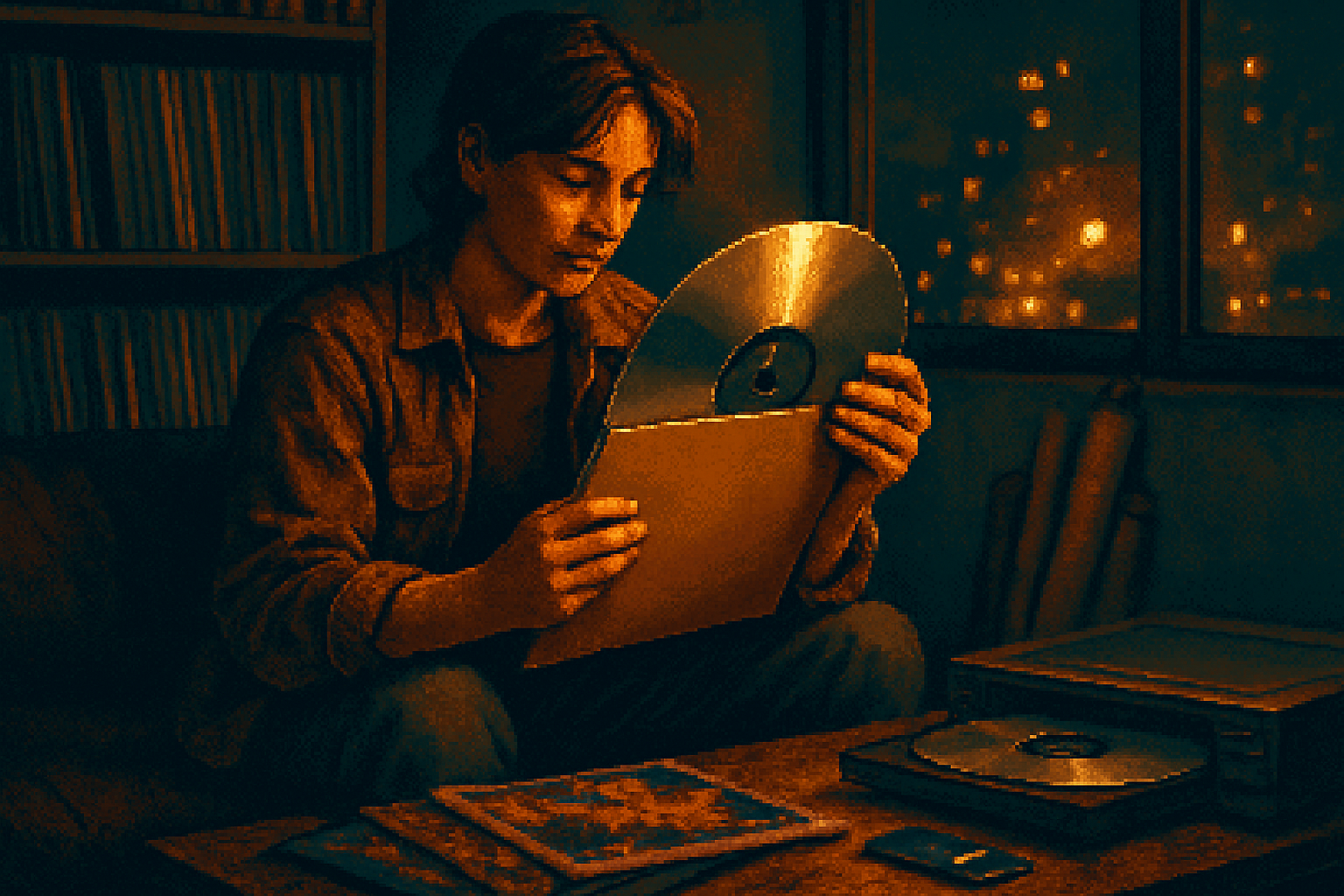
I still remember the smell. It was a humid Sunday, a church basement yard sale, and I cradled a dog-eared VHS of a movie I’d never seen. The cardboard box was stained. The sticker on the spine read $1. I bought it because I could - because the act of buying an object felt like a small, defiant vote for the movie’s continued existence.
That vote feels quaint now. We live in an era where the nearest theater, rental kiosk, and storefront have been replaced by a small grid of icons and algorithmic suggestions. Streaming gave us convenience. It also dissolved a set of rituals that made watching a movie an event. This is a short, sharp argument about what we gained and what we surrendered: picture quality, emotional attachment, and the simple fact of ownership.
The Ritual of Tape: Why VHS Felt Like Possession
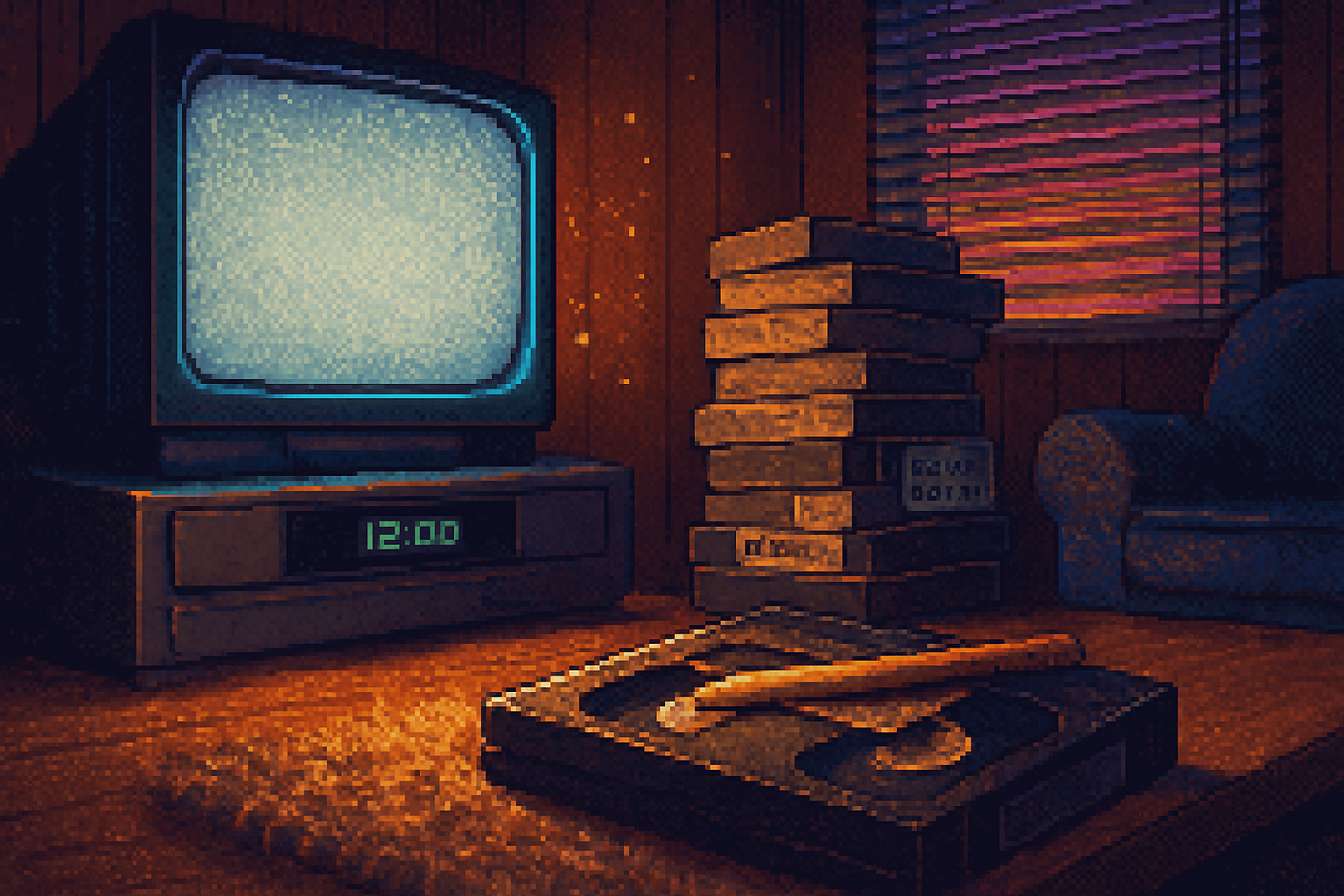
VHS was a clumsy, beautiful technology. You bought a tape, admired the cover art, slid the cassette into the player, and listened to the whirring like a prayer. That sequence - purchase, physical handling, manual play - turned a film into a thing you could keep on your shelf. Ownership was literal. You could lend, resell, lose, or hang onto a tape for decades.
That tactile loop created emotional value. Home movies and commercial tapes alike carried fingerprints and labels: rewound to the start, scuffed corners, the scribbled date on a label. The object was memory’s body. Even mistakes - tracking glitches, that distinct analog softness - are part of the nostalgia. The medium shaped the memory.
Picture Quality: Nostalgia vs. Fidelity
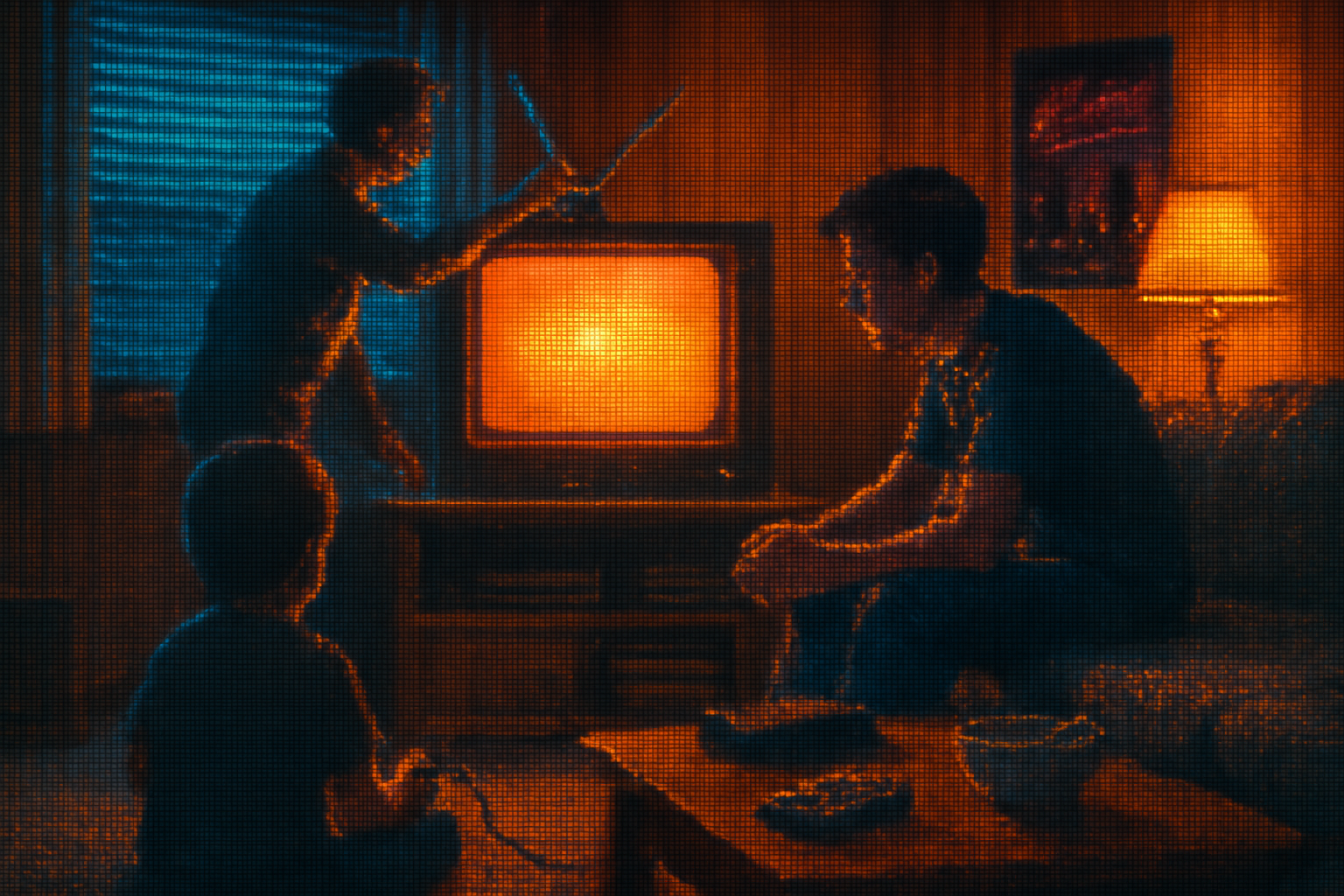
Nineteen-inch CRTs had their own magic. VHS on such a screen looks warm, forgiving, and invented for cheap sofas. But let’s not romanticize technical inferiority. VHS is limited: 240–300 lines of resolution at best, color bleed, tape noise. Digital streams can deliver 4K HDR, lossless audio, frame-accurate restoration - fidelity that VHS simply can’t approximate.
Still, fidelity isn’t the whole story. Higher resolution reveals things that old viewers weren’t meant to see - stitches in costumes, clutter on set, the cheapness of a practical effect. Restoration can bring films back to life, but sometimes it strips away the edges we associate with memory. The difference is like seeing your childhood photograph scanned in high-res: suddenly you notice the acne, the sloppy haircut. Clearer does not always mean kinder.
Ownership vs. Access: The Contract You Didn’t Read
Here’s the crux. Physical media = ownership. Digital streaming = access (license). When you buy a VHS or a DVD, you own a copy. You can lend it, resell it, or keep it buried in a box. Streaming platforms sell time-limited rights and server-side control.
That matters.
- Catalog volatility - Titles vanish. Licensing deals expire and content bombs out of platforms overnight, sometimes with little notice. Your favorite childhood movie can become gone unless it’s been acquired by another service or reissued.
- No resale, no permanent possession - Paid subscriptions are subscriptions. You do not own the bits. Purchase options exist (digital ownership on storefronts), but they often come with DRM that constrains transfer and long-term access.
- DRM and vendor lock-in - Even purchases are bound to accounts, formats, and platform ecosystems. Lose your account, lose your library. Companies can change file formats, update terms, or terminate sales.
If you want an argument that modern tech has worsened the user’s leverage: consider the disappearance of shows from Netflix when licensing agreements flip, or when a platform decides a show doesn’t meet its retention calculus. Ownership meant you could ignore corporate churn. Streaming expects you to acquiesce.
For more on how DRM shapes ownership, the Electronic Frontier Foundation provides a useful primer: https://www.eff.org/issues/drm
Preservation, Rot, and the Archivist’s Dilemma
Physical media can degrade. Tape demagnetizes; VHS suffers binder hydrolysis (“sticky-shed syndrome”). But films on film stock have proven surprisingly resilient if properly stored; archives treat film as a first-class object to be preserved and migrated. Institutions like the Library of Congress and preservation bodies spend vast resources ensuring physical copies survive: https://www.loc.gov/programs/national-film-preservation-board/film-preservation/
Streaming puts a lot of faith in corporate servers and goodwill. If no company sees value in preserving a marquee but niche title, it may simply vanish from public view. Digital files are fragile in another way: format obsolescence, loss of server-side metadata, bit-rot, or a company’s decision to delete content when licensing becomes uneconomic. The Internet Archive and other nonprofit initiatives actively try to counter this erosion: https://archive.org/
There is a bitter irony here. Streaming promises infinite shelves. In practice those shelves are porous. The long tail becomes a leaky pipe.
Community and Curation: From Video Store Clerks to Algorithmic Taste
Walk into a well-curated video store and stand in front of a wall of copies of indie cinema, B-movies, foreign films, and Criterion spine numbers. The clerk suggested films. You discovered movies by serendipity. Video stores were messy cultural gardens.
Streaming replaced that clerk with a recommendation engine. That algorithm excels at repetition. It will feed you more of what you already like. It will rarely expose you to a strange gem outside your behavioral envelope unless a platform invests in editorial curation or a human programmer builds out a collection.
Platforms do curate - but often through promotional priority, licensing deals, and commercial visibility rather than a love of cinema. The merchant’s taste replaces the clerk’s. That changes what becomes canonical.
Economics: Who Profits From Nostalgia Now?
VHS and DVD sales are straightforward. A percentage of each box sale goes to studios, creators, and retailers. Streaming revenue is a complex algorithm of subscriber fees, licensing costs, and opaque distribution of royalties. For many creators, streaming pays less per play than physical sales once did. The economics reshape what gets made and what gets kept.
That affects archiving and availability. Studios will clip entire catalogs if the math doesn’t work, or they’ll gate content behind platform exclusivity to drive subscriptions. The result: content is monetized as leverage rather than preserved as cultural heritage.
A Middle Path: How to Be a Thoughtful Viewer in the Streaming Age
This is not nostalgia-fueled Luddism. Streaming is magical when it works. But you can be smarter about how you consume and preserve.
- Buy physical for works you love - Criterion editions, special restorations, director-approved transfers exist for a reason. Owning a physical copy still offers the surest preservation.
- Use multiple platforms - If a show matters, check which services offer permanent purchase (and what DRM attaches to those purchases) and consider buying when available.
- Archive responsibly - Ripping for personal backups can be legally gray, but institutions and collectors use archival methods to preserve at-risk works. Support libraries and archives that do preservation work.
- Support restoration efforts - Buy restorations, attend repertory screenings, donate to preservation nonprofits.
The Library of Congress and nonprofit archives offer pathways to understanding and supporting preservation: https://www.loc.gov/
Final Frame: What Nostalgia Should Teach Us
Nostalgia can be sentimental. It can also be clarifying.
VHS taught us that media could be owned, handled, and passed on. It taught us that scarcity and ritual create value. Streaming taught us convenience, access, and the possibility of impeccable fidelity. It also taught us fragility masked by convenience.
If nostalgia has a moral, it’s this: the form in which culture is stored matters. Not only for aesthetics, but for longevity, access, and who gets to tell the story. Let’s stop pretending that endless catalogs are the same as permanent collections. One is a library; the other is a shop window.
Keep a tape if it matters. Buy the Criterion edition if it exists. Stream what you love, but know that when you click “remove from my list,” an institution - sometimes a corporation - has decided whether that art deserves a shelf or a momentary glow on a glowing glass screen.
References
- Electronic Frontier Foundation - DRM: https://www.eff.org/issues/drm
- Library of Congress - Film Preservation: https://www.loc.gov/programs/national-film-preservation-board/film-preservation/
- The Internet Archive - moving-image collections: https://archive.org/details/movies
- The Criterion Collection - reliable physical restorations and releases: https://www.criterion.com/