· culture · 7 min read
Pixelated Memories: A Look Back at Iconic CRT TV Moments That Shaped Pop Culture
From grainy moonwalks to the crackle of a Super Bowl ad, CRT televisions didn’t just show culture - they helped make it. A nostalgic tour through the shows, commercials, and shared rituals that shaped generations.
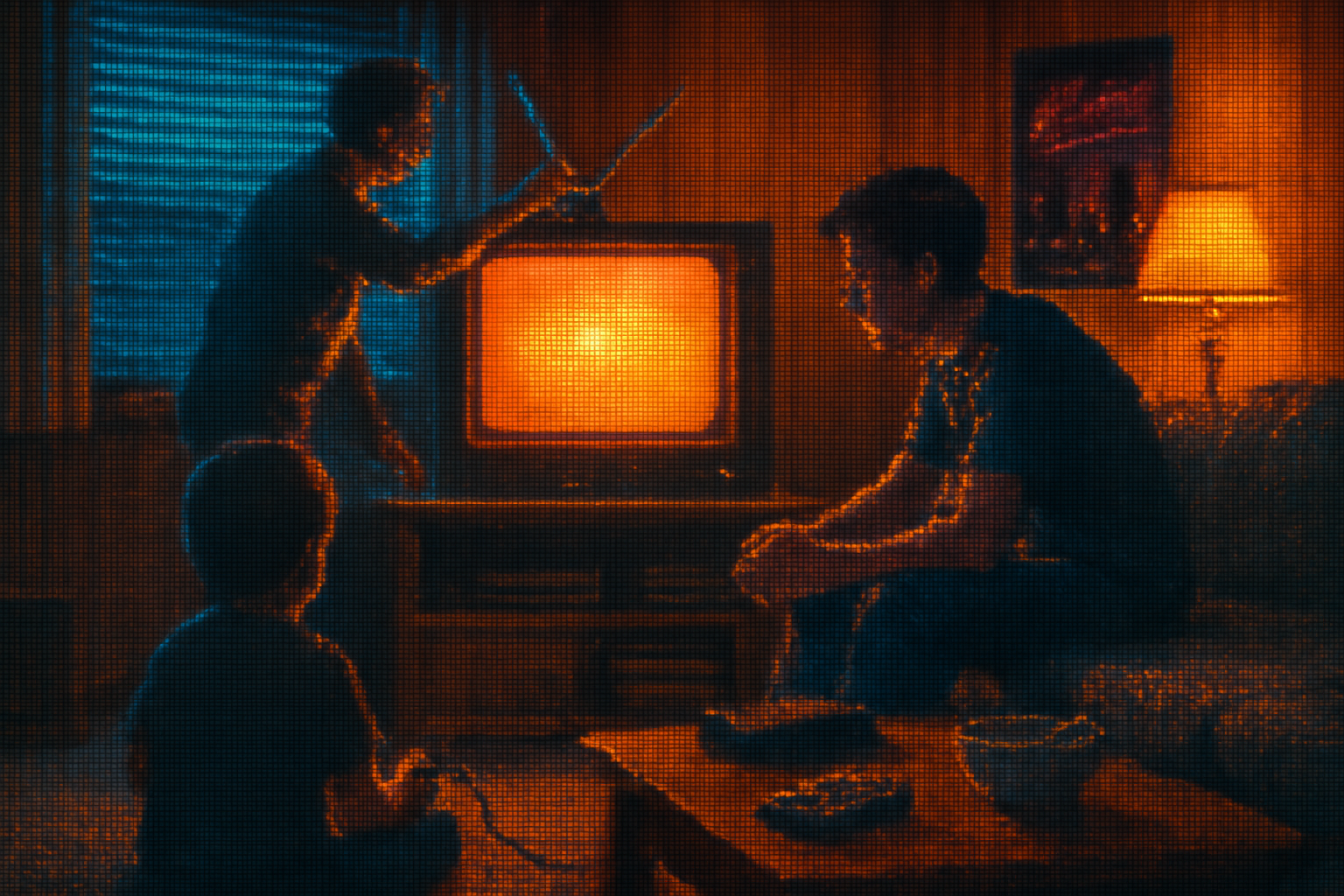
I can still see my father, a man who otherwise disliked electronics with the passion of a philosopher resisting fads, wrestling with the rabbit ears until the picture cleared. We were in a small living room that smelled vaguely of coffee and vinyl; the CRT screen hummed, its glass curved like a small stage. When the image snapped into focus-fuzzy scanlines and all-something happened. The world that fit in that glowing rectangle felt both immense and intimate.
Why a Fussy Box Mattered
A CRT isn’t merely a display. It was a ritual engine. Unlike the sleek, forgettable rectangles of today, CRT televisions demanded participation: the ritual of adjusting antennas, scheduling shows around dinner, and crowding close for the fuzzy details. Their quirks-scanlines, phosphor glow, overscan, and the occasional static snowstorm-are now aesthetic shorthand for “childhood.”
Technically clunky, yes. Socially indispensable, absolutely.
- CRTs enforced appointment television. You didn’t stream; you showed up. Appointments produced water-cooler talk. Weeks later you could still cite lines.
- The image itself shaped storytelling. Directors composed for a small, curved, low-resolution window; close-ups were literal and character faces registered as myths.
- Advertising wasn’t background noise. It was an intermission with jingles that lodged in the hippocampus forever.
Iconic CRT Moments and Why They Stuck
Below: moments that anyone who grew up with a CRT will find lodged behind their eyes like stubborn lint.
1. The Moon Landing (1969) - Television as a Civic Ritual
Millions watched Neil Armstrong take that small step on household CRTs. For many, it was their first shared global event: not a trending hashtag but a living-room congregation.
- Source and details: NASA coverage of the Apollo 11 mission.
Why it matters: The image was grainy and delayed, yet it became the canonical picture of human achievement because it happened in the middle of dinner.
2. Apple’s “1984” Super Bowl Ad (1984) - A Single Spot That Shifted Expectations
When Apple aired Ridley Scott’s dystopian spot during Super Bowl XVIII, viewers saw it on thousands of CRTs patched to rabbit ears. The ad’s theatricality introduced the idea that a commercial could be a cultural event.
- Read the backstory: Wired’s retrospective on the ad.
Why it matters: It rewired how brands approached television-less sales pitch, more myth-making.
3. MAS*H Finale (1983) - When TV Became National Mourning
The finale “Goodbye, Farewell and Amen” still holds records for U.S. TV viewership. Families across the nation huddled around CRTs to say goodbye.
- Stats and context: MAS*H finale (Wikipedia).
Why it matters: It showed television could be a shared emotional landmark, not just entertainment.
4. Live Aid (1985) - A Global Concert Played on Domestic Screens
Live Aid was the kind of multinational spectacle that transformed living rooms into concert venues. CRTs connected millions to a cause, and the fuzziness didn’t make it feel any less real.
- More on the event: Live Aid (Wikipedia).
Why it matters: Television created global empathy by making far-away crises present in home-scale frames.
5. Saturday Morning Cartoons & Sesame Street - Learning, Advertising, and Play
Saturday morning was a secular ritual: cereal, pajamas, and cartoons on an over-bright CRT. For younger kids, PBS’s Sesame Street used the intimacy of the TV to teach letters and empathy.
- Sesame Street history: Sesame Workshop.
Why it matters: The CRT was a classroom, playground, and babysitter all at once; it shaped language, norms, and the rhythm of childhood.
6. MTV’s Launch and the Music-Video Era (1981) - Visual Culture on a Loop
MTV’s “I Want My MTV” campaign and early video programming made music as much visual as auditory. Kids watched videos on boxy TVs and learned that fashion and music were inseparable.
- MTV history: MTV’s origins (Wikipedia).
Why it matters: MTV taught an entire generation to judge music by its image-not always a higher form of criticism, but a powerful cultural filter.
7. Super Bowl Commercials - National Watercooler Interruptions
Super Bowl ads became part of the spectacle. We didn’t skip them; we waited to see them. A clever 30-second spot could become a conversation starter for months.
Why it matters: Ads shaped collective taste, not merely purchase decisions.
8. The Video Game Glow - NES, Sega, and the Aesthetics of Pixels
Playing Super Mario Bros. or Sonic on a CRT is a tactile memory: the cartridge click, the controller’s rubbery resistance, the bloom of color. Pixels on a CRT had warmth; they were generous to imagination.
Why it matters: The visual limitations produced an aesthetic-think of pixel art in indie games today. CRTs were the original filter.
The Rituals That Shaped Our Inner Lives
Those moments above are only part of it. CRTs created habits that taught children how to wait, how to share, and how to confabulate meaning out of low fidelity.
- Antenna fiddling taught patience and minor engineering.
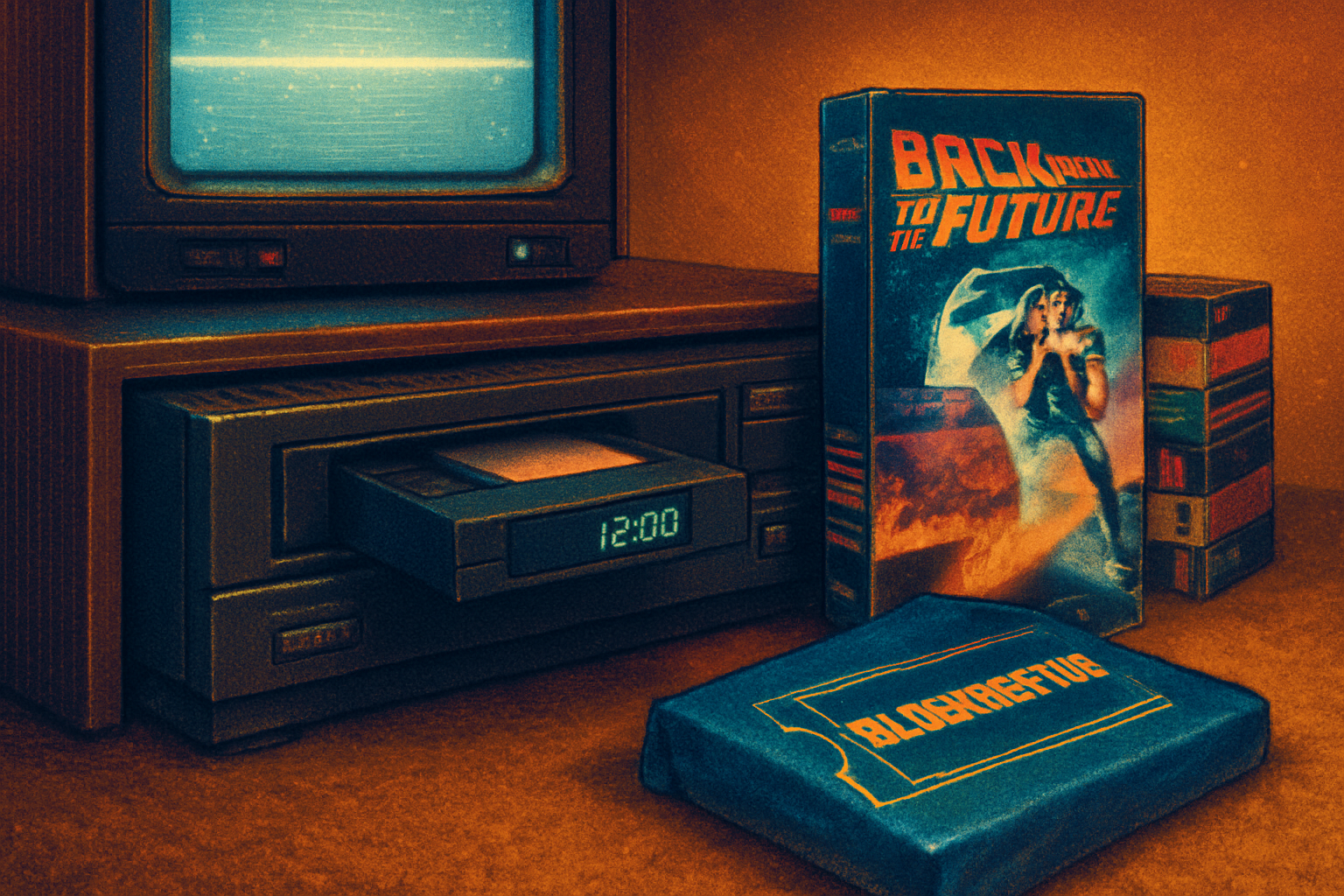
- Recording a show on a VCR introduced the first taste of time-shifting-tantalizingly crude compared to streaming, but meaningful.
- Commercial breaks taught the grammar of persuasion, turning jingles into mnemonic weaponry (think of “Where’s the beef?”) - Wendy’s ‘Where’s the beef?’ ad.
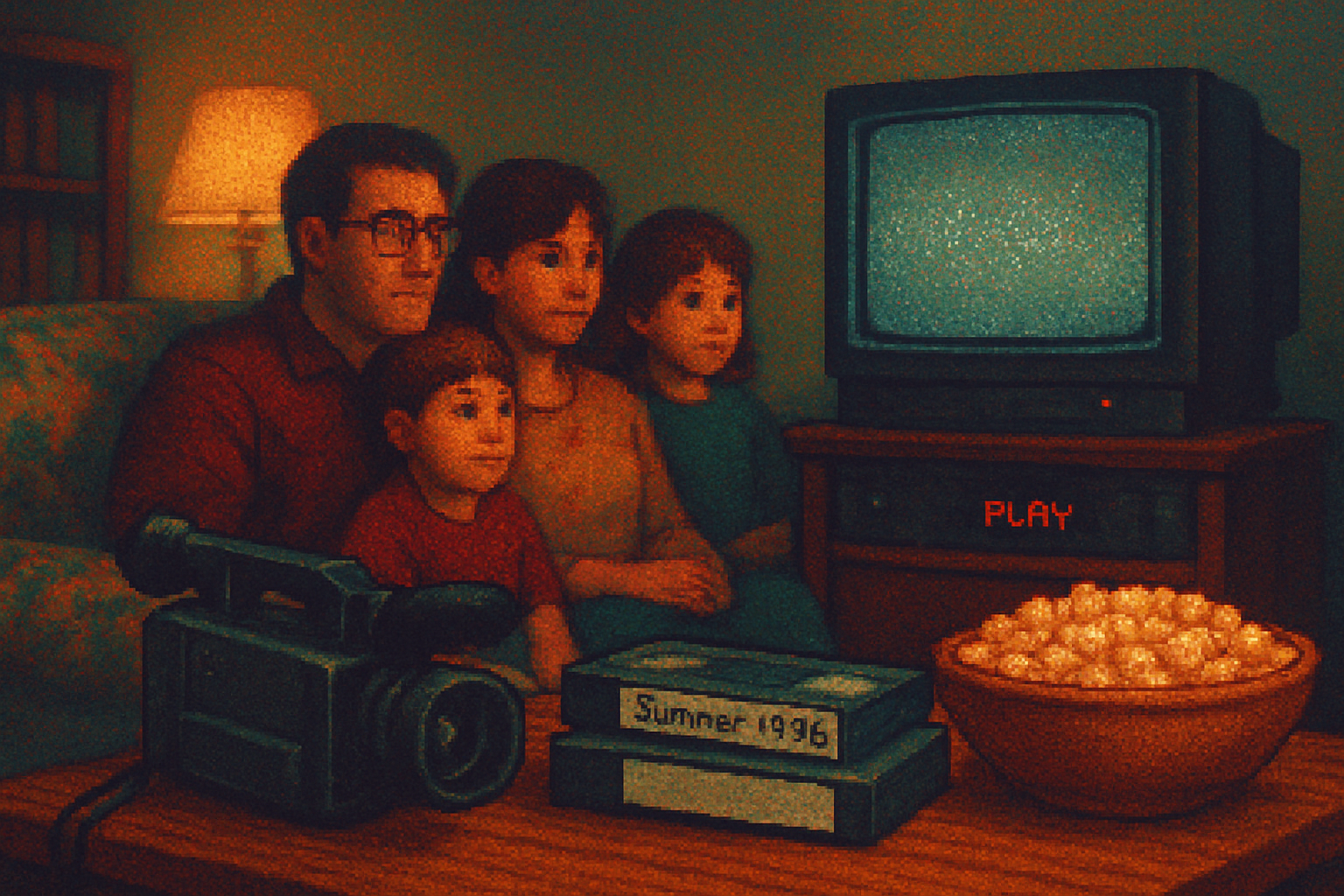
CRT-era childhoods were social: neighbors, siblings, and friends watched the same ephemeral feed. Pop culture was less atomized and more communal.
How CRTs Shaped Pop Culture (and Vice Versa)
Causal arrows run both ways. Television content adapted to the box, and the box, in turn, helped engrave content into public memory.
- Visual language - Directors composed for close-ups and small screens; spectacle had to read clearly at arm’s length.
- Marketing and myth-making - Brands realized that a single effective ad spot could puncture into the public conversation. The Super Bowl and Apple 1984 proved this.
- Cultural synchronization - Appointment TV created shared reference points that cemented group identity-families, schools, offices.
The End of an Era: From Scanlines to Streams
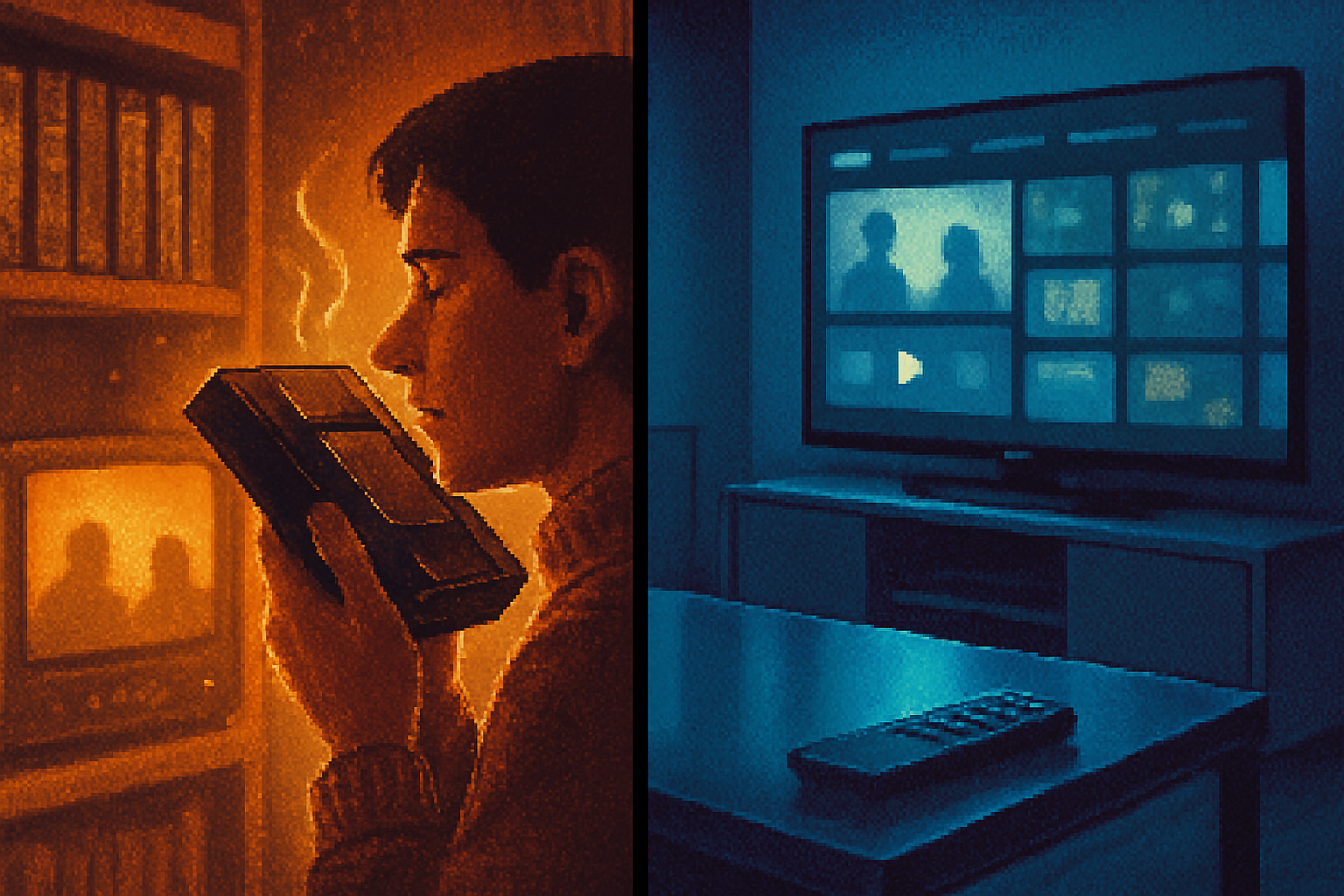
When flat-screens arrived, so did convenience and aesthetic sterility. The End of CRTs wasn’t just a hardware transition; it was a social one. Streaming erased appointment television. Choice fragmented shared references. Nostalgia for CRTs is partly nostalgia for less choice and more surprise.
- MTV mutated; appointment TV unraveled; viral clips replaced communal events.
There’s a cost and a gain. We traded shared cultural anchors for individualized libraries. You can watch whatever you want anytime-but you may never again experience the particular electricity of seven people gasping at the same fuzzy reveal.
A Short Guide to Reliving Pixelated Moments
If you want to feel that old warmth again-without the frustration of a dying cathode-try these:
- Watch a classic broadcast or concert from the era on an actual CRT if you can. Scant technical quirks are part of the art.
- Seek out original ads and live broadcasts on archival sites and YouTube to see how context changes meaning.
- Play NES/SNES/Genesis games on emulators with CRT shaders, or better yet, on real hardware and a CRT for authenticity.
Final Frame: What We Lost and What We Keep
The CRT era was not morally superior. It had poor representation, annoying commercials, and plenty of missteps. But it also gave us shared myths: moonwalks viewed from couches, finales watched as national rites, and commercials that felt like cultural punctuation.
Those pixelated images taught us how to gather, to rehearse grief and joy, and to remember together. The screen’s resolution was low but its sociological resolution-how we saw ourselves through media-was extraordinarily high.
In the age of infinite choice, it’s worth remembering how much value there was in being forced to watch the same small, humming box. That little inconvenience-call it static, call it ritual-made a culture.
References
- NASA, Apollo 11 mission overview: https://www.nasa.gov/mission_pages/apollo/apollo11.html
- Wired, Apple’s 1984 ad retrospective: https://www.wired.com/2008/12/ff-apple-1984/
- MAS*H finale (Goodbye, Farewell and Amen) - overview: https://en.wikipedia.org/wiki/Goodbye,_Farewell_and_Amen
- Live Aid overview: https://en.wikipedia.org/wiki/Live_Aid
- Sesame Workshop press and history: https://www.sesameworkshop.org/press-room/press-releases/sesame-street
- MTV history: https://en.wikipedia.org/wiki/MTV
- “Where’s the beef?” ad: https://en.wikipedia.org/wiki/Where%27s_the_beef%3F