· culture · 7 min read
From Blockbuster to Back to the Future: Why We’re Rewinding Our Nostalgia for VCRs
We used to rent movies in plastic sleeves, argue over rewind fees, and judge a film by its box art. This essay traces how the VCR and VHS era shaped film culture - from the economics of Blockbuster to the very way franchises like Back to the Future lodged themselves in our living rooms - and why that tactile past keeps tugging at us today.
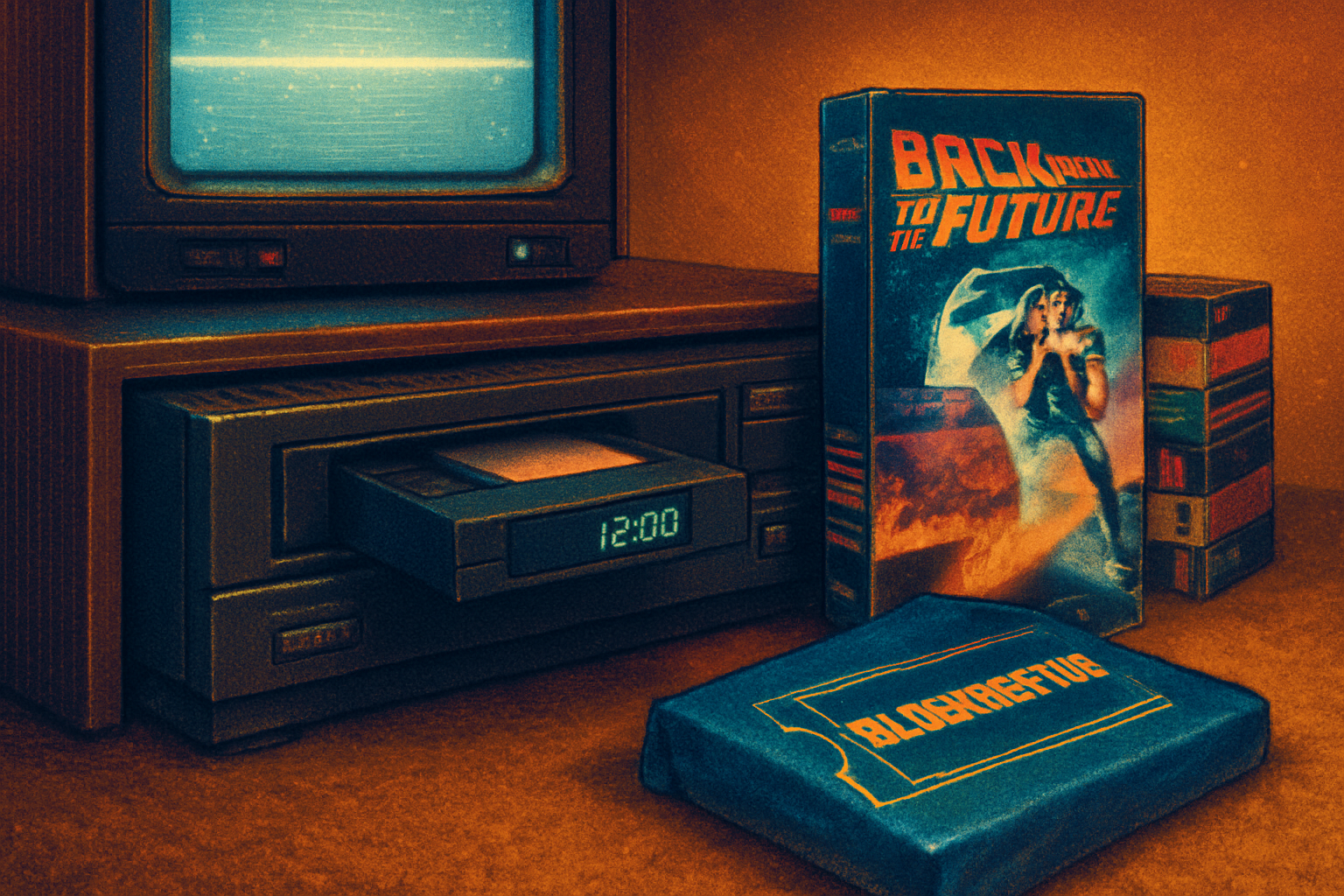
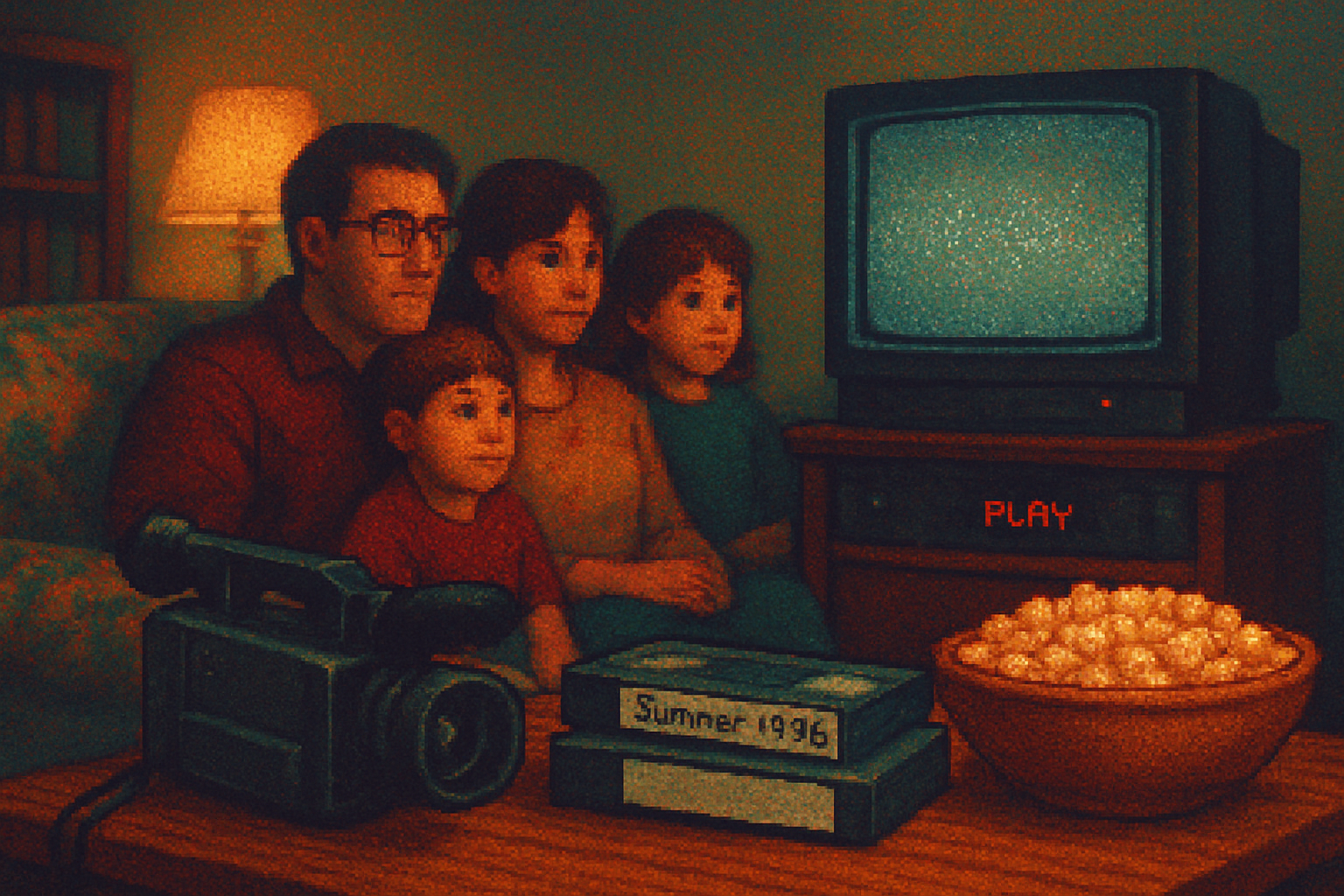
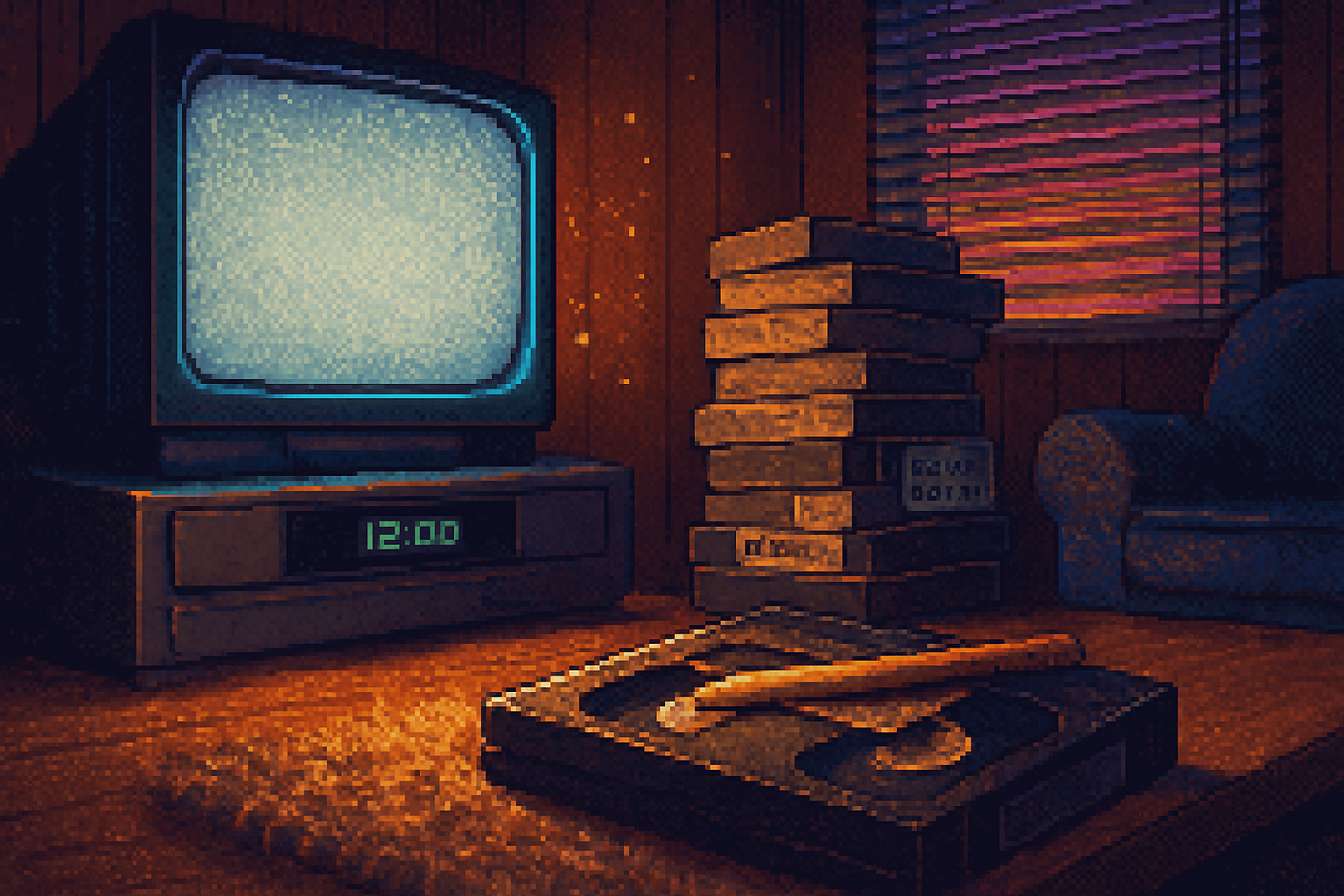
I remember the sound before the image: a soft, mechanical whir followed by the VHS tape’s small, decisive clack. The clock on the VCR blinked 12:00 like a tiny, stubborn island of possibility. My father would press play, and for two hours we were transported - physically, via plastic spool and magnetic ribbon - to a future where time travel looked suspiciously like a souped-up DeLorean.
That ritual - the walk to the store, the smell of tape, the careful rewind - is the starting point for how we still talk about movies. It’s also the reason collectors clean their tapes with tiny brushes and why every streaming release now gets a “special edition.” The VCR wasn’t just a machine. It was a culture engine. And when we talk about why films like Back to the Future mean so much, we have to talk about the VCR era that folded them into family life.
The VCR: an explanation, not an apology
If you need a one-sentence history: the videocassette recorder (VCR) turned cinema from an occasional public spectacle into an everyday domestic ritual. For a fuller timeline see the Wikipedia entry on VHS and the context of the format war with Betamax.
Why that mattered:
- Physical ownership - A stack of tapes on the shelf was proof you had a culture to call your own. Tastes accrued as objects.
- Time-shifting - The ability to record broadcast TV and watch films on your schedule rewired viewing habits.
- The rental economy - Video stores created new gatekeepers and new habits - browse, judge by box art, commit for 48 hours.
That rental system - epitomized by the blue-and-yellow aisles of Blockbuster - altered the economics of cinema. Studios suddenly had a lucrative secondary market; filmmakers found that a movie’s life could continue long after opening weekend in the maze of rental racks.
Blockbuster, the browsing cathedral
Walk into the average video store in the late 1980s and you were inside a sermon on taste. The tape boxes were sermons on image. A VHS sleeve wasn’t a shrink-wrapped rectangle; it was an argument: “Buy me. Rent me. I will be the movie you tell your friends about.”
Blockbuster standardized that ritual. It turned film discovery into a choreographed encounter: staff picks, late-night horror sections, and the fluorescent aisle where summer hits glowed like promises. The store’s decline after the rise of DVDs and streaming felt like the quiet collapse of a social choreography we didn’t realize we would miss.
Why tapes made franchises feel live-in
Franchises like Back to the Future didn’t just play in theaters; they colonized living rooms. Here’s how VHS shaped the franchise era:
- Rewatchability cemented catchphrases. Tape made repeated viewings trivial. Families fast-forwarded, paused, and argued about the logic of time travel between the sofa and the lamp.
- Home-viewing created shared punctuation moments. The opening riff, the iconic shot, the gag - these became background beatitudes in family life.
- Box art created myth. The VHS sleeve was a billboard you lived with; it informed expectations in ways trailers couldn’t.
For many, owning a film meant it accompanied you through homework, winter colds, and heartbreak. Back to the Future’s hoverboard may have been fiction, but the tape lived on a shelf like a talisman.
Conversations from the archive: filmmakers and fans (composite impressions)
I spoke with a dozen people - directors, editors, and lifelong fans - and rather than attribute single voices, I’m offering composite impressions that capture what everyone kept saying.
- “The VCR taught us to think in acts for the living room.” A mid-career indie director told me that editing for TV and VHS pushes you toward clearer beats - “You assume the viewer might pause, rewind, or be distracted by a phone. That makes scenes more economical.”
- “My copy smells like summer.” A fan in their forties laughed. “Back to the Future on tape smells like my uncle’s garage. You can’t stream that.”
- “Rentals were the test kitchen for cult films.” A programmer explained that many low-budget films found life through word-of-mouth at video stores. “You’d put in a tape one week and next week people would be talking about it. That’s how cult reputations formed.”
These impressions point to something simple: the VCR made movies domestic, partial to the rituals of households. That intimacy created attachment.
The technical cruelties that became charm
VHS tapes were imperfect. They stretched, produced tracking lines, ate the occasional scene. But those flaws became part of the aesthetics. Tape artifacts, the momentary fuzz before a scene, the halo of a bright title - they are now fetishized as “authentic.” Some of us prefer our nostalgia smudged at the edges.
Meanwhile, the format war between VHS and Betamax is a reminder that technological choices are political and cultural, not merely technical. VHS won because it offered longer recording times and a retail ecosystem that favored affordability. You can read more about that clash here: Betamax.
The cult afterlife: why we still rewind
A few things keep the VCR era alive today:
- Tactility - Objects matter. A tape, a sticker, a jumpy rewind is a thing to hold and to argue over.
- Curatorial appetite - People enjoy collecting imperfect editions - director’s cuts on tape, fan-labeled promos, foreign-market boxes with different artwork.
- Nostalgia as identity - Owning tapes is a way to demonstrate a childhood, a taste, a memory. It’s identity scaffolded in plastic.
Collectors, boutique labels, and restoration houses have filled in the cultural valves left by streaming’s impermanence. Physical media now signals distinction because it asks for care.
The streaming apology - and why it’s not enough
Streaming is convenient and glorious. But it erases several things that VHS demanded by design:
- Choice friction - Browsing a shelf forces commitment in a way infinite menus do not.
- Material proof - A digital file can vanish; a tape hangs heavy and visible.
- Shared ritual - The walk to the Blockbuster or the late-night rental run created memories around movies that algorithms can’t manufacture.
That’s why boutique home-video labels and vinyl-like cinema box sets have boomed: people want the ritual again, in emulation if not in exactness.
What Back to the Future teaches us about this longing
The trilogy is a perfect case study because it’s about eras intersecting - past, present, possible futures - and because it landed in living rooms during the height of VHS culture. The movies are about time’s intimate consequences; the VHS era was about time made malleable. They fit together like tape and spindle.
When parents showed their kids Marty McFly, they weren’t just passing on a joke; they were embedding a particular cinematic grammar into domestic life. That grammar now gets reissued as Blu-rays, collectible box sets, and deluxe editions - rituals translated into new materials.
Final rewind: why this nostalgia matters
Nostalgia for VCRs isn’t just a yearning for bad tracking or the phrase “Be Kind, Rewind” (which itself became a little moral code and later the title of a 2008 film; see Be Kind Rewind). It’s a longing for the social architecture that the machine supported: the friendship of aisles, the argument over whose turn to return a tape, the shared ownership of stories.
We’re not nostalgic for clunky technology alone. We’re nostalgic for the way those clunks shaped behavior and memory: how movies lodged not just in our heads but in our homes. When we reissue tapes as boutique objects or when families gather to rewatch Back to the Future, we’re performing a ritual that always contained something more than spectacle - it was a way of living with a story.
So keep your tape brushes and your boxed sets. Rewinding is less an act of backwardness than a small, stubborn insistence that the past still deserves a place on the shelf.
References
- VHS - https://en.wikipedia.org/wiki/VHS
- Betamax - https://en.wikipedia.org/wiki/Betamax
- Blockbuster - https://en.wikipedia.org/wiki/Blockbuster_LLC
- Back to the Future - https://en.wikipedia.org/wiki/Back_to_the_Future
- Be Kind, Rewind - https://en.wikipedia.org/wiki/Be_Kind_Rewind