· culture · 7 min read
The 90s Home Video Revolution: Unlocking the Cultural Impact of VHS and 8mm Camcorders
How bulky tapes, shaky pans and the ritual of rewinding remade family memory in the 1990s. A deep dive into VHS and 8mm camcorders, their aesthetics, rituals, and the nostalgia enthusiasts keeping the tapes alive.
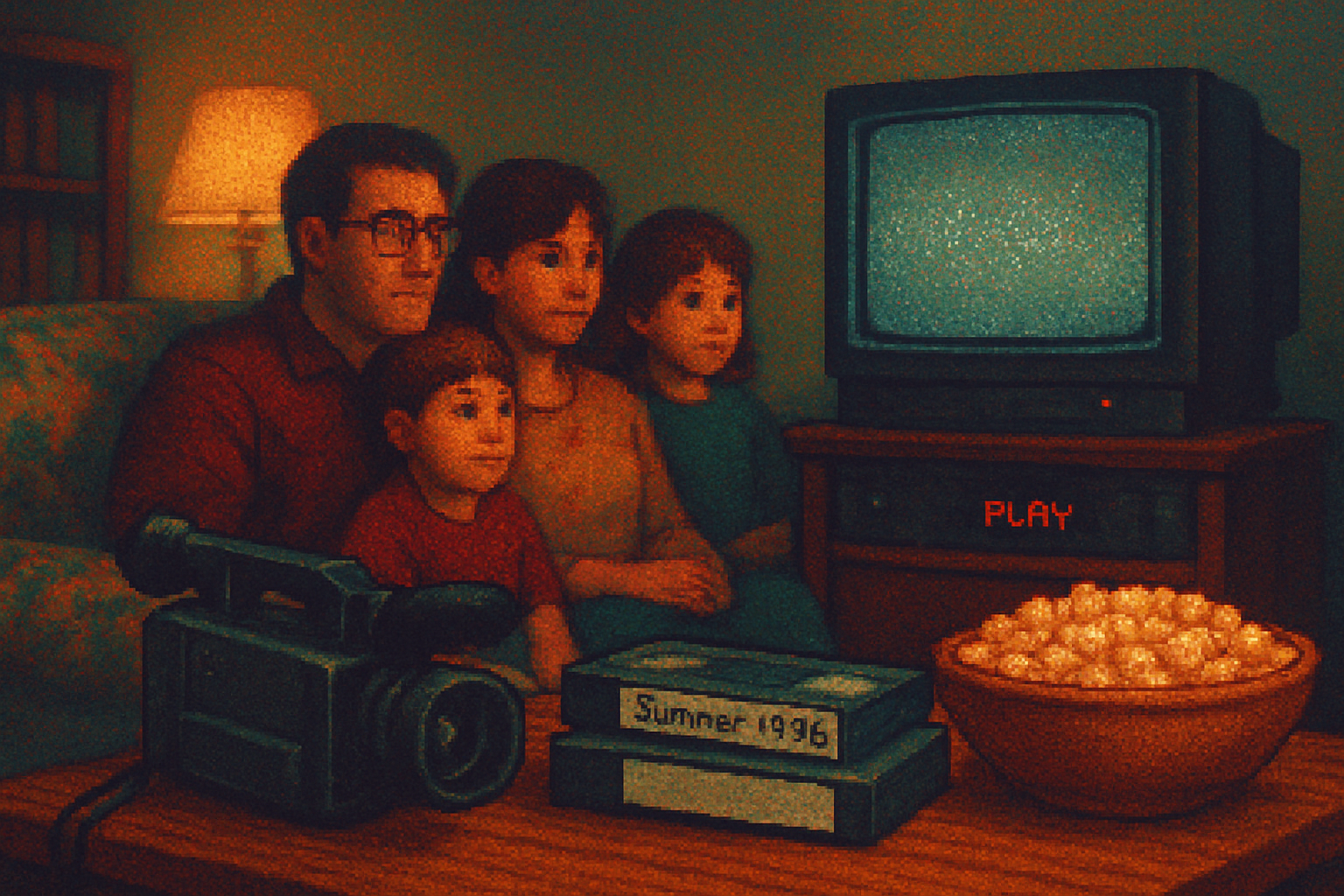
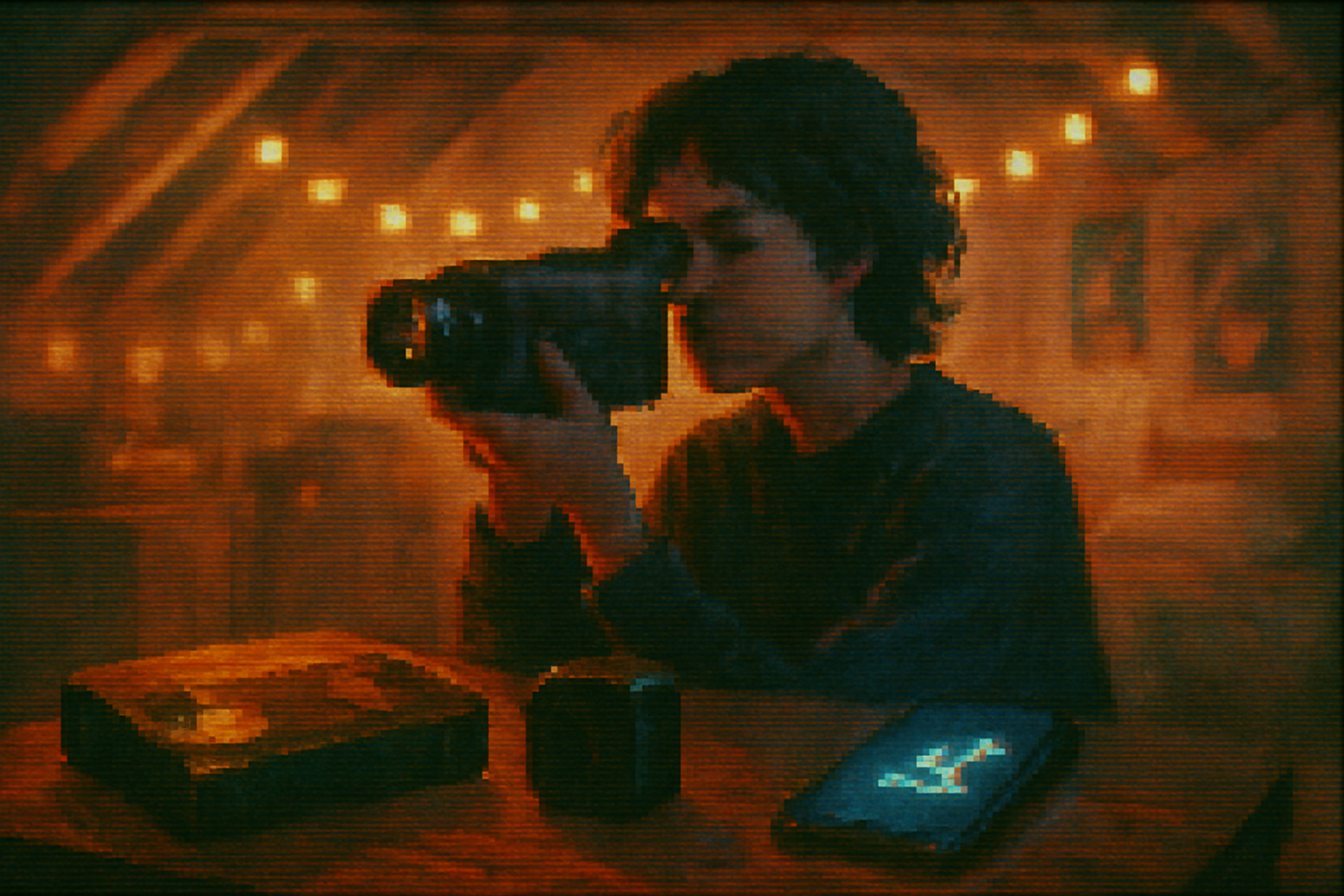
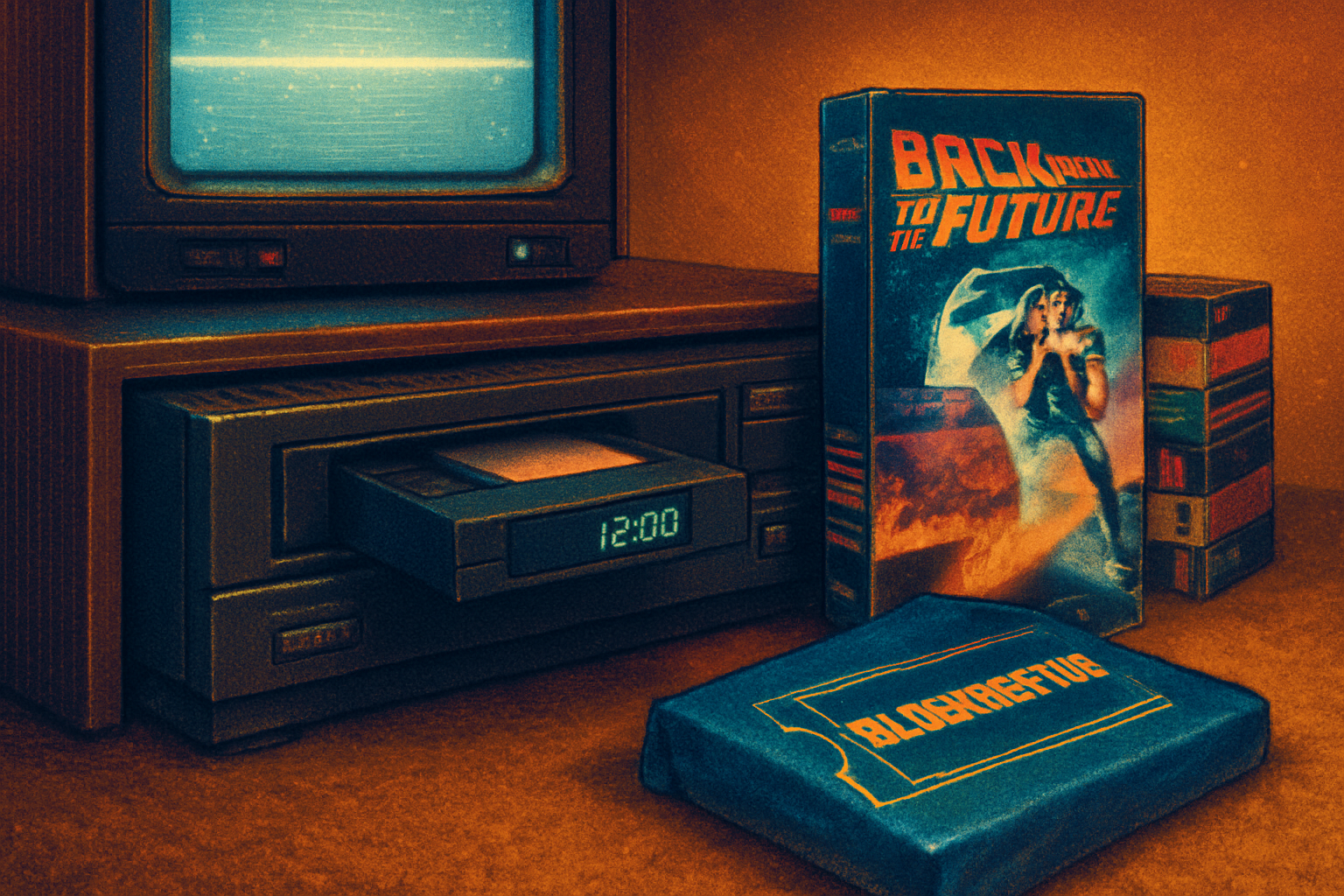
It begins with a smell: the faint, nostalgic whiff of plastic and magnetic tape that unfailingly transports anyone over thirty back to a living room in 1994. The VCR’s green LED glowed like a tiny altar; a Sharpie-labeled VHS sprawled across the coffee table; someone was fiddling with a shoulder-mounted camcorder, trying desperately to get Aunt Linda in frame before the battery died.
That scene - a domestic tableau equal parts ritual and experiment - is the perfect entry point to why VHS and 8mm camcorders matter. They didn’t just record events. They reorganized family time, rewired how people told stories about themselves, and created a new kind of intimate archive: grainy, subjective, and deeply valued.
Hardware in a nutshell: VHS, 8mm, and why they mattered
The 1990s were the apex of analog home video. Two technologies dominated house parties and holiday tables:
- VHS and VCRs (the familiar videocassette format) made playback and duplication cheap and widely available. See the basics on VHS here.
- Video8 and Hi8 camcorders shrank professional-looking video gear into shoulder-mounted-or sometimes hand-held-consumer devices that families could actually use without a production crew. Learn more about 8mm camcorders here.
Camcorders married a videotape format to a camera in a single package (contrast with the separate camera-and-recorder rigs before them). The camcorder’s portability and affordability turned everyday life into content. For the first time, many households had constant access to a device that could capture motion and sound with reasonable fidelity: soccer games, backyard barbecues, first steps, and teenage recitals.
For quick context on the device category and evolution, see the camcorder entry here.
Rituals and routines: how tapes shaped family culture
The presence of a camcorder or a stack of VHS tapes created rituals.
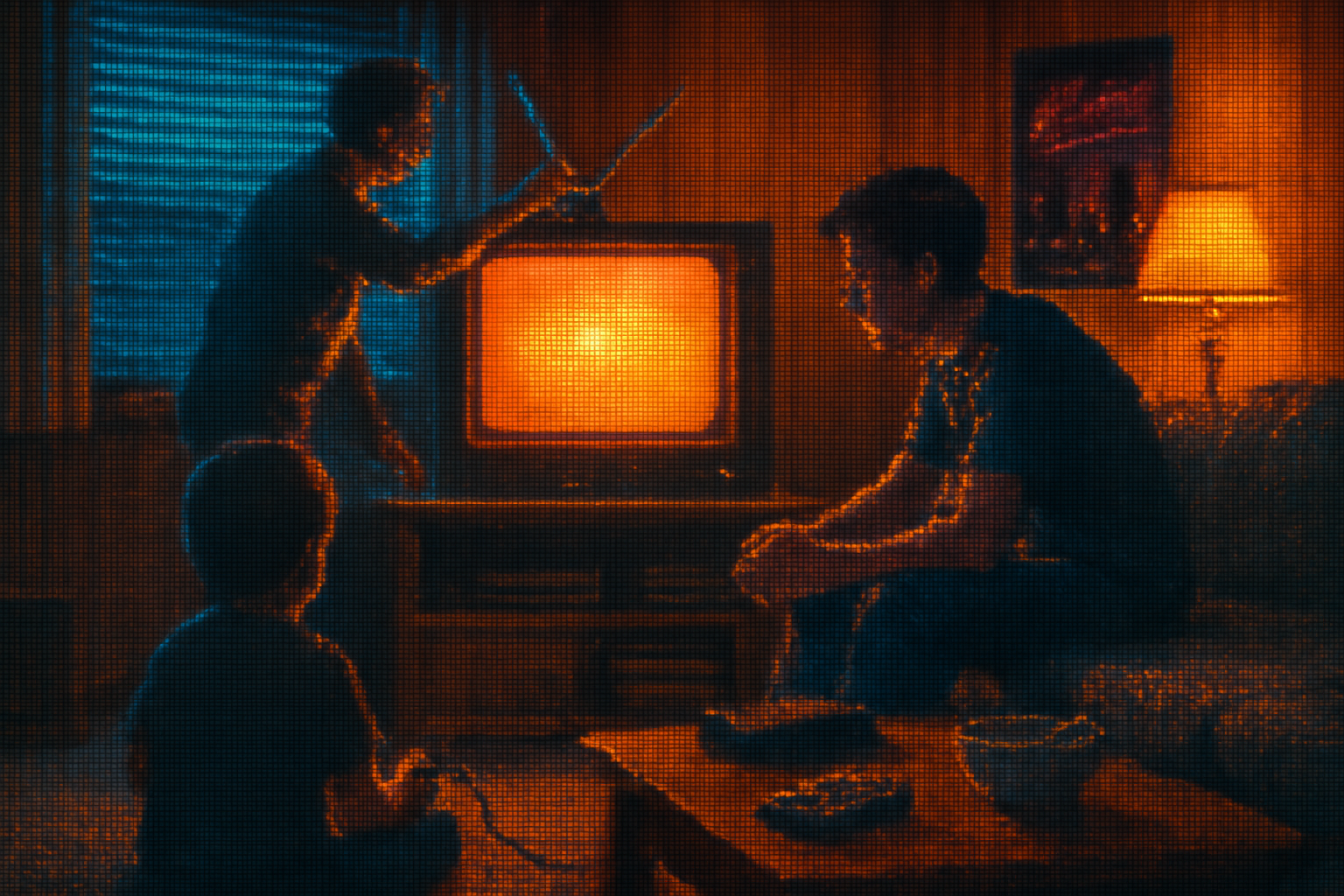
- “The Screening” - families would schedule viewing nights. The tape rewind was the pre-show ritual; the remote click, the ceremonial silence. You watched your family, together. That shared, synchronous viewing is rarer in the streaming era.
- Labelling with Sharpie - a practical act that became emotional - “June 1995 - First Trip to the Lake” was shorthand for shared memory. The handwriting itself becomes part of the archive.
- The Blank Tape Economy - buying, recording, and dubbing tapes introduced a thrift culture - conserve tape, edit with scissors and glue (literally, in some VHS-enthusiast circles), or learn to dub carefully to avoid generational degradation.
These rituals anchored family stories in physical objects. A tape could be misplaced, passed down, or stolen - and losing one felt like losing a small museum of the self.
Personal storytelling: editing, authorship, and the lo-fi aesthetic
When amateur parents and kids became filmmakers, they brought a different grammar to the screen. There was no middle-manager-controlled continuity. The lo-fi aesthetic - jump cuts, abrupt zooms, handheld shakiness, occasional audio dropouts - is not a bug; it is a feature. It tells you who was holding the camera, how they felt, and where their attention lay.
Home videographers learned simple techniques quickly because they had to:
- Framing - the classic half-person-or-headless-subject shot was part ineptitude, part stylistic choice.
- The pan as narrative device - a slow pan would reveal catastrophe (a puppy escape), triumph (blowout birthday candles), or simply track a restless toddler.
- Spontaneous editing - families assembled tapes in linear fashion because linear storytelling was easiest - entire days compressed into 30-minute highlights that favored what people found emotionally salient.
This made home movies a kind of emotional shorthand. They didn’t lie - but they also refused a neutral overview. That subjectivity is a large part of their power.
The aesthetics and the truth-telling of lo-fi
There’s a cultural argument to make: VHS grained memory into a textured, imperfect archive that somehow feels more honest than perfectly stabilized, color-corrected HD footage. The analog hiss, the tracking lines, the soft focus - these are not merely defects. They are trust marks. They announce that what you’re seeing was recorded in the wild, not staged for likes.
The lo-fi look became aestheticized. Today’s digital creators mimic VHS grain, a kind of homage and admission that the 90s home-video look communicates intimacy in ways slick digital footage often doesn’t.
Conversations with nostalgia enthusiasts
I spoke with three people who keep the analog flame alive. Their warmth and, occasionally, militant devotion show why these tapes still matter.
Maya (42, mother and hobby archivist) - “We had a whole cardboard box with labels like ‘2000 - Eli’s Dance Recital.’ My kids found them last year and watched all night. They laughed at my hair and cried at my dad. It’s not about image quality - it’s like hearing someone’s voice after they’ve been gone.”
Carlos (35, analog tech collector) - “I restore camcorders in my garage. There’s a dignity to cleaning a VCR head with isopropyl and hearing tape come alive. People think it’s nostalgia for nostalgia’s sake, but for me it’s a fight against the eviction of memory by the ‘cloud.’”
Evelyn (58, amateur filmmaker) - “In the 90s I made a lot of short family films. We’d rehearse a scene for five minutes, then capture a genuine reaction by accident. That accidental truth - the small pauses, the off-mic whisper - that’s what we wanted to save.”
Their voices converge on one idea: these tapes are repositories of affect, not just data.
From living-room archives to modern platforms
The home-video instinct didn’t vanish with DVDs or smartphones. It evolved. YouTube, Instagram Stories, and TikTok are descendants of the camcorder impulse: document, share, archive. The difference is scale, editability, and permanence. The 90s taught people that everyday life is worthy of attention; today’s platforms systematize that impulse into algorithms.
But something essential changed: the communal ritual. Rewinding a tape and watching a family movie in one room was an event. Today, the same footage is more likely to be split into snippets, viewed alone, and soon forgotten under a different feed.
Preservation: a short, practical guide
If you have a box of tapes and want to keep the memories:
- Prioritize digitization. Magnetic tape degrades; the sooner you digitize - the better. (Basic search - VHS to digital.)
- Condition matters - store tapes upright, cool and dry, away from magnets and sunlight.
- Label metadata - date, people, location - write it down in a separate log, not only on the tape.
- Make multiple digital copies and store them in different places (local drive, external drive, and a reliable cloud service).
If you’re unsure where to start, many local libraries, universities, and small businesses offer VHS-to-digital services.
Legacy: what we lost and what persists
We lost a lot of tactile ritual: the necessity of rewinding, the evening-long screenings, the communal editing choices. We also lost the built-in friction that made each tape into an event rather than disposable content.
But we gained ubiquity. Everyone can record; everyone can share. The democratization that began with affordable camcorders exploded into an era where personal storytelling is ubiquitous and immediate.
In some ways, the 90s home-video revolution was the training ground for our modern public-private lives. It taught people that their quotidian moments deserved a record. It taught them how to compose a moment, even if their first attempts were shaky or uncentered. And it gave families a collective memory that is messy, flawed, and therefore human.
Conclusion
VHS tapes and 8mm camcorders did more than capture events. They created rituals, reconfigured family authorship, and established a memory economy based in touchable objects. They forced the family to become both subject and filmmaker. Those imperfect, grainy images are sometimes the only honest records we have of who we were in private: awkward, real, and uncannily tender.
If you still have a tape box in your attic, that smell is a summons: consider rescuing those minutes of people being themselves. They are more than nostalgia. They’re a form of evidence - of love, of small disasters, of everyday grace.
References
- VHS (Wikipedia): https://en.wikipedia.org/wiki/VHS
- Camcorder (Wikipedia): https://en.wikipedia.org/wiki/Camcorder
- Video8 (Wikipedia): https://en.wikipedia.org/wiki/Video8
- Home video (Wikipedia): https://en.wikipedia.org/wiki/Home_video
- Nostalgia (Wikipedia): https://en.wikipedia.org/wiki/Nostalgia