· culture · 7 min read
The Surprising Cost of Nostalgia: Is LaserDisc Collecting Worth It?
LaserDiscs feel like holding a piece of analogue cinema - but nostalgia has a price. This deep dive breaks down market trends, player maintenance costs, emotional traps, and whether collecting LaserDiscs is a sustainable hobby or an expensive, sentimental liability.
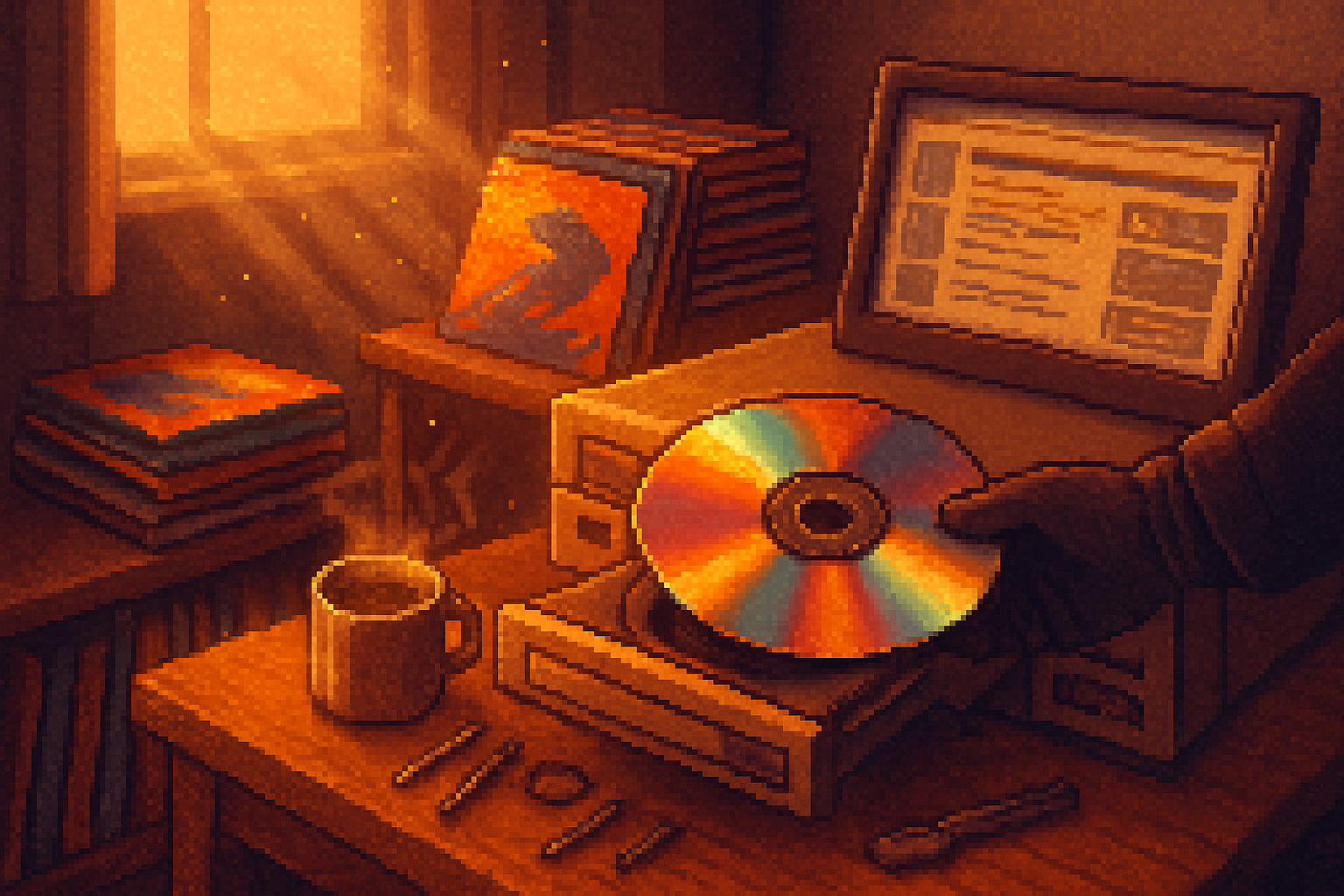
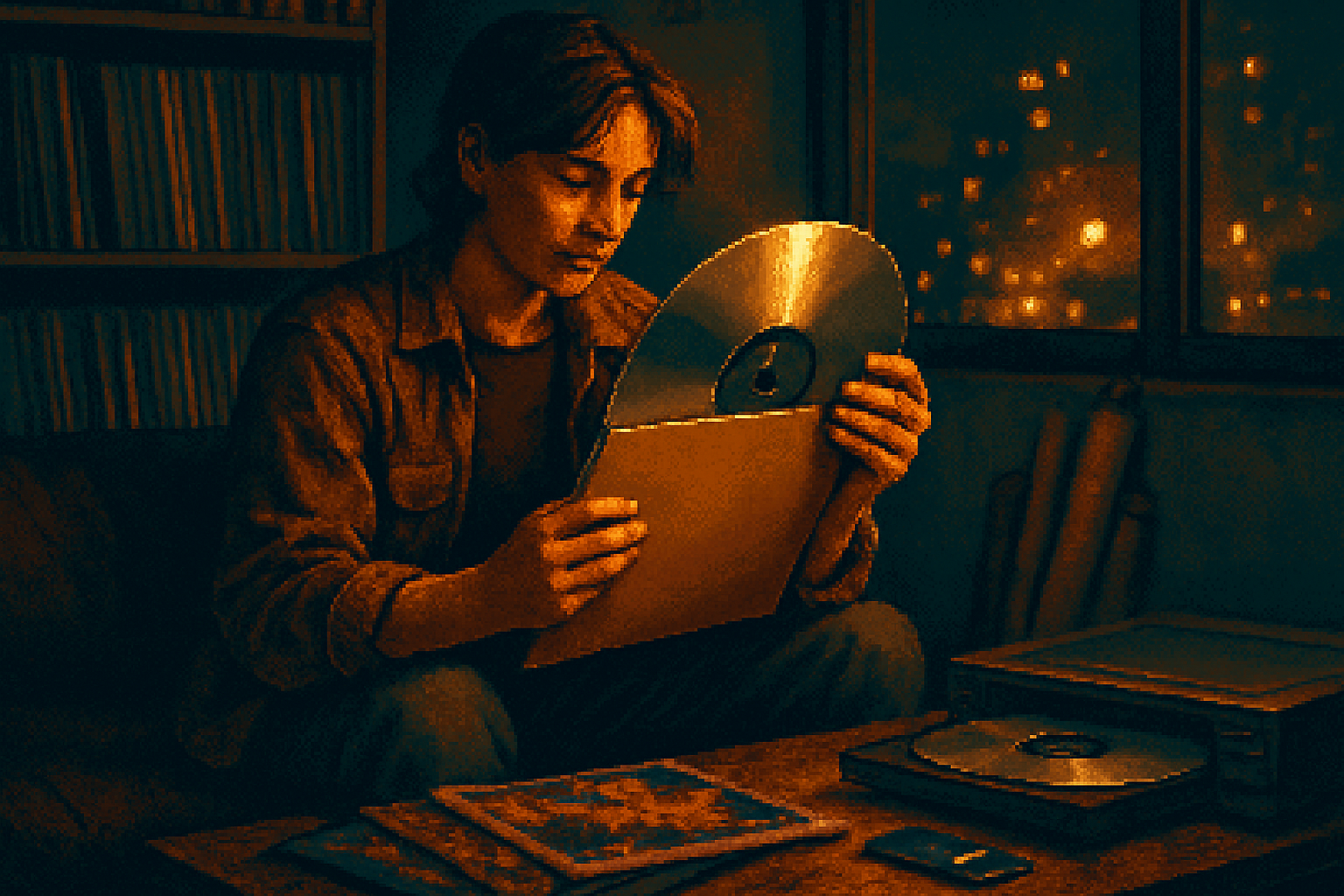
I found a pristine, shrink-wrapped copy of Blade Runner in a thrift store once. It was heavier than I expected. The sticker said $4.99. For a moment I felt like Indiana Jones uncovering a treasure in a forgotten crate: tactile, cinematic, absurdly rare. I bought it, of course. I also bought a player, a repair manual, and - over the next two years - a small shrine of LaserDiscs that ate more time and money than I planned. Pleasure, yes. Profit, not so much.
If you’ve ever wondered whether collecting LaserDiscs is a charming hobby or a slow-motion financial trap, this post is for you. We’ll look at the market, the practical costs (and frustrations) of keeping the hardware alive, and the emotional psychology that keeps collectors reaching for more.
What is LaserDisc - and why people care
LaserDisc was the first commercial optical disc format for home video, launched in the late 1970s and popular in the 1980s and early 1990s as a higher-quality analogue alternative to VHS. It never gained the mass-market foothold that VHS or later DVDs achieved, but it became the format of cinephiles and early home-theater hobbyists because of its superior picture (for the era), early special editions, and supplemental audio tracks.
- Quick reference - see the history and basics of LaserDisc on Wikipedia:
Collectors love LaserDiscs for reasons that are part technical, part fetish: the heft of the discs, unique artwork and packaging, and editions or versions of films that were never ported cleanly to later digital formats.
Pricing trends: uncommon doesn’t always mean valuable
Collecting markets are schizophrenic: scarcity sometimes drives price, but not always. With LaserDiscs, pricing varies widely by title, edition, condition, and provenance.
- Mainstream titles (e.g., mass-market action films) are usually plentiful and inexpensive.
- Niche or import editions (especially Japanese releases, box sets, or director-approved remasters) can command high prices.
- Mint, sealed condition and original box art raise prices dramatically.
Useful marketplaces and reference points:
- LDDB - a LaserDisc database and collector resource: https://www.lddb.com/
- Discogs - for music and some video releases, helpful to gauge collector interest: https://www.discogs.com/
- eBay - the de facto open market where you can see sold prices (search sold listings): https://www.ebay.com/
Prices can spike unpredictably: a cult film in a rare import pressing might fetch several hundred dollars. Conversely, beloved films that saw wide LaserDisc distribution might be under $10 in fair condition. The market is small and illiquid; that’s important: liquidity (how easily you can sell) is a bigger problem than apparent resale value.
The true cost breakdown
People think the cost of collecting equals the sticker price of discs. That’s optimistic.
- Purchase price of discs - $3–$300+ depending on title and condition.
- Player price - functioning players range from $30 for a beat-up unit to $500+ for higher-end models (e.g., Pioneer Elite LD players) in good shape.
- Repair and maintenance - belts, capacitors, optical pickup alignment, laser diodes, and sometimes custom calibration. Expect to spend $50–$300 over the life of a player if you want it reliable. For top-tier restoration, costs can be higher.
- Spare parts and accessories - replacement belts, cleaning kits, clam-shell sleeves, cleaning fluids, remote controls - $10–$100 annually, depending on how obsessive you are.
- Shipping and import - many rare discs come from Japan or Europe - international shipping, VAT/import fees, and customs add up.
- Storage and environmental costs - LaserDiscs are bulky (12-inch discs), requiring space and climate control to prevent warping and mold.
- Opportunity cost - money and time could buy a high-quality Blu-ray/4K or a streaming subscription.
Bottom line: for a modest collection, budget several hundred dollars on top of disc prices for a reliable player and mounting maintenance. For a serious library, costs scale quickly.
Maintenance: the part people romanticize but rarely anticipate
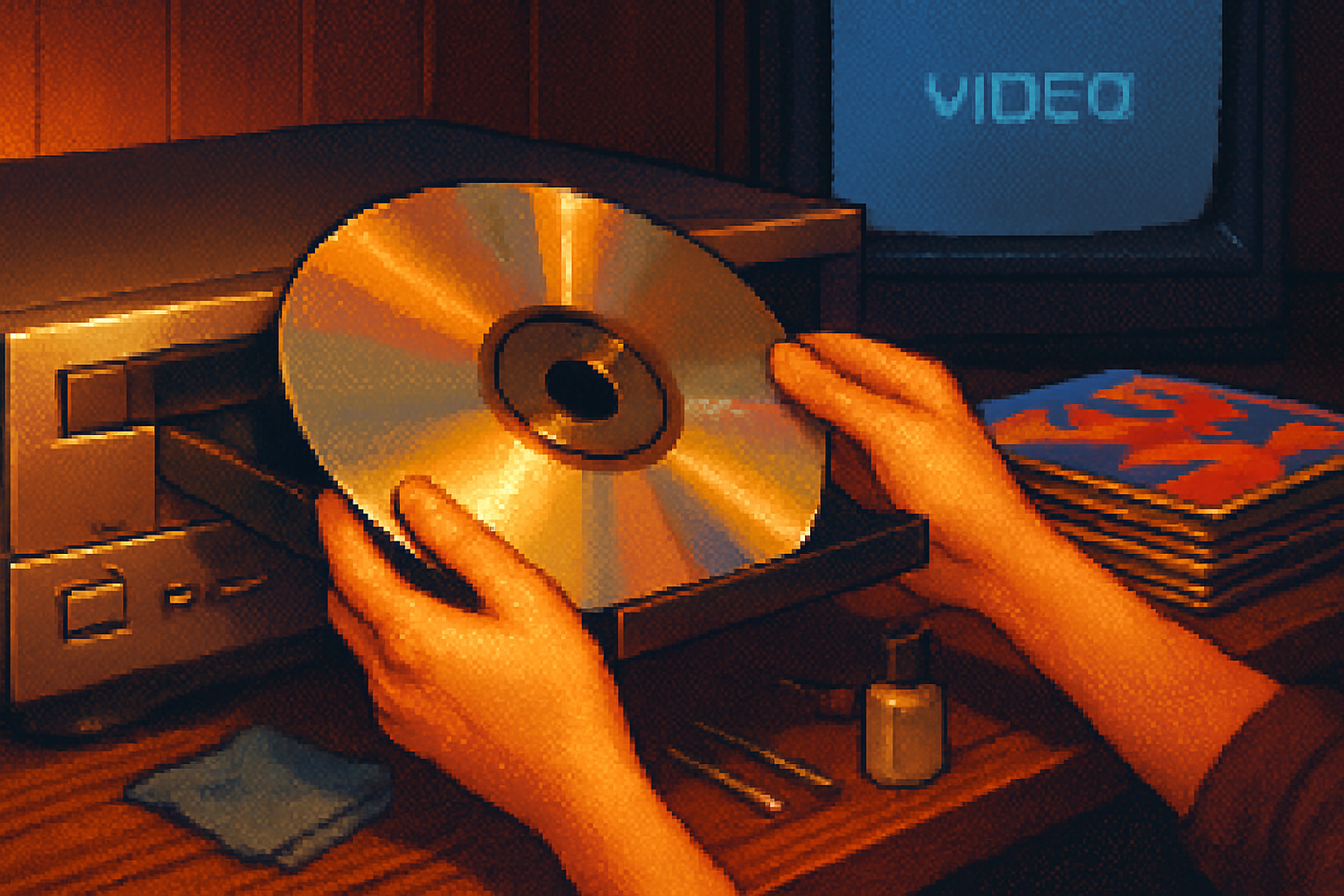
Owning a LaserDisc player is owning a small mechanical-electronic organism.
- Mechanical wear - belts, gears, and the transport mechanism age. If a player was stored for decades, belts can be hardened and break when used.
- Optical issues - the laser diode and optical pickup can fail or require adjustment. Replacement parts are scarce and sometimes cannibalized from other units.
- Electronic aging - capacitors dry out, solder joints crack, and controllers go non-responsive.
- Media degradation - discs can collect dust, mildew, and rot; label glue can melt into the disc edge on poorly stored items.
Communities like AVSForum and LDDB have guides, but repairs are part artisan hobby and part scavenger hunt: https://www.avsforum.com/ and https://www.lddb.com/guide
If you’re not comfortable with soldering or mechanical tinkering, factor in the cost of a technician. If you are comfortable, prepare for sporadic frustration: the perfect picture can be a 45-minute cleaning-and-adjustment ritual.
The emotional and cognitive costs of nostalgia
Nostalgia feels virtuous. It’s not. It’s persuasive. It’s also powerful.
- Sunk-cost fallacy - once you’ve invested in players and piles of discs, you’re more likely to add to the collection to justify past purchases. Read about the sunk-cost fallacy:
- Identity and social signaling - collecting says something - about taste, about authenticity. It’s social capital among niche communities (and sometimes performative).
- Memory laundering - we remember the texture of an experience, not the price of it. The aesthetic rush of popping a LaserDisc into a player bypasses fiscal reason.
This emotional architecture is why people buy duplicates or pay irrational premiums. Collecting is therapy with receipts.
Preservation value vs. sentimental value
There is genuine archival value in LaserDiscs. Some releases contain alternate cuts, early stereo mixes, or commentary tracks that never migrated to digital. Archivists and preservationists sometimes rely on LaserDisc copies for footage or rare audio.
But if your interest is purely to “own the movie,” consider alternatives:
- Restored Blu-ray/4K releases are cheaper, higher quality, and supported.
- Digital restorations often include bonus features previously exclusive to LaserDisc.
- Rips and digital archives can preserve media without the physical maintenance - but legality is a consideration.
So ask: are you collecting to preserve content, to own a specific historical artifact, or to enjoy a particular sensory ritual?
Who benefits - and who gets burned?
- Worth it for - preservers, historians, obsessive cinephiles, and people who derive clear emotional satisfaction from the ritual and artifacts.
- Not worth it for - casual viewers, investors, or hobbyists who expect liquidity or reliable financial return.
If you treat LaserDiscs as an investment vehicle you will almost certainly be disappointed. Market is tiny, tastes are fickle, and condition matters enormously.
Practical advice if you decide to collect
- Start with a small, defined focus (director, genre, country) - it narrows search fatigue and increases the meaning of each purchase.
- Test before you buy - ask sellers for playback guarantees when possible; prefer local pick-up when testing players/discs.
- Prioritize player condition - a flaky player makes every disc purchase suspect. Search for models known for reliability and serviceability (Pioneer models are often recommended by collectors).
- Learn basic maintenance - cleaning, belt replacement, and optical alignment will save you money and grief.
- Keep documentation - original boxes, manuals, and inserts increase value and your satisfaction.
- Factor shipping and returns - rare discs are often overseas; add 20–30% extra for shipping, insurance, and customs.
- Join communities - LDDB, AVSForum, Reddit’s r/laserdisc (and related groups) are invaluable for troubleshooting and spotting deals.
A sardonic bottom line
Collecting LaserDiscs is like keeping a bonsai tree of cinema: it demands patience, occasional cruelty (to donor units), and an acceptance that it’s more about the ritual than the return. If your heart quickens at old menus, analog video quirks, and the smell of old cardboard, go ahead - you’ll be in good company. If you’re hoping to flip a tidy profit or avoid the grunt work of mechanical maintenance, buy a 4K disc and call it a day.
Nostalgia can be nourishing. It can also be an expensive, distracting, and strangely convincing argument against buying anything new. Know which version you want to be.
Further reading and resources
- LaserDisc overview - Wikipedia: https://en.wikipedia.org/wiki/LaserDisc
- LDDB (LaserDisc Database) for titles and collector info: https://www.lddb.com/
- AVS Forum - discussions and repair tips: https://www.avsforum.com/
- Discogs - market reference for physical media: https://www.discogs.com/