· retrotech · 7 min read
Why Internet Explorer Was the Ultimate 'Time Machine' for Early Web Users
Internet Explorer wasn't just a browser - it was a time machine. Its quirks, dominance, and backward-compatibility turned the early web into a living museum of glittery homepages, Flash experiments, and stubborn old code.
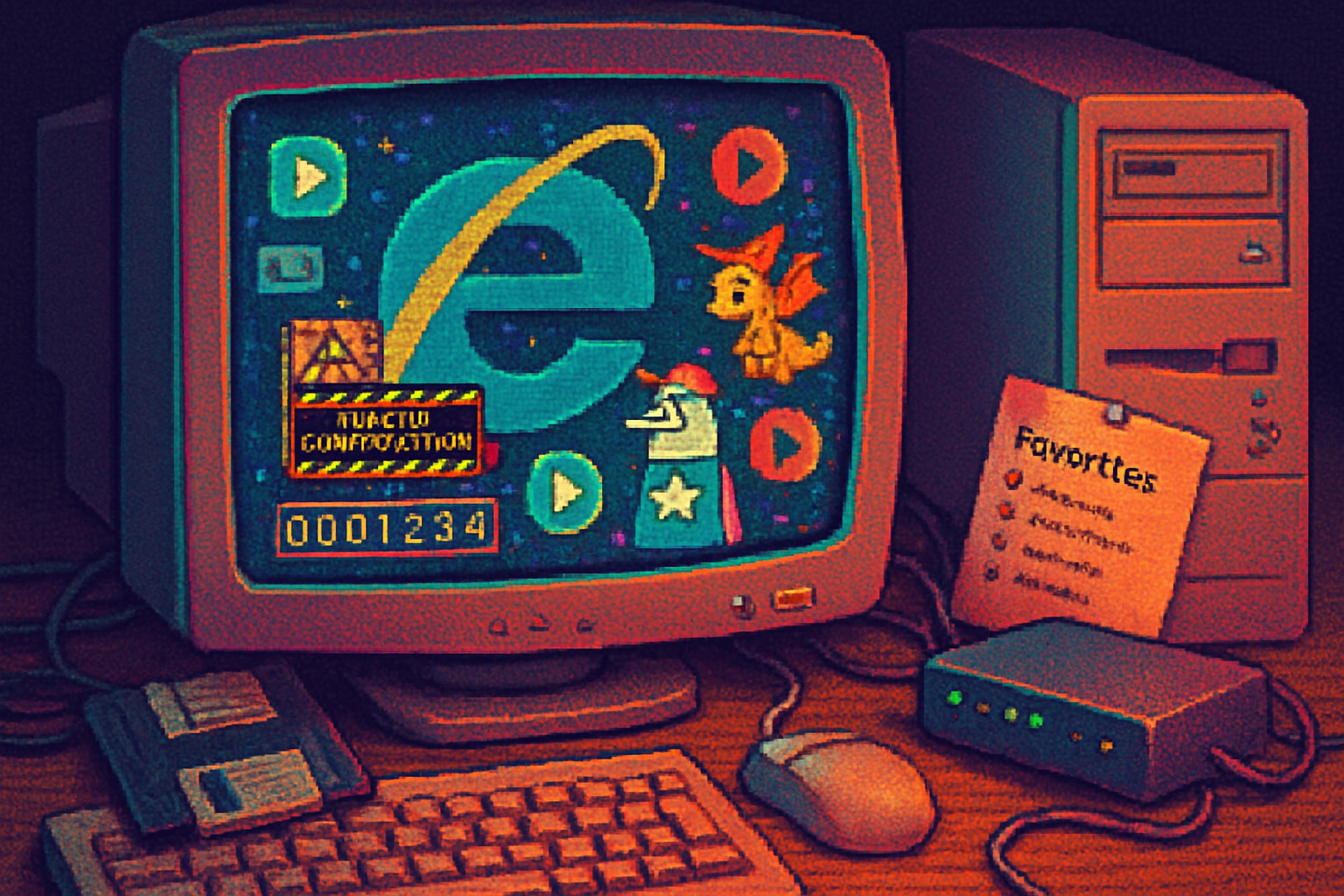
They told you the internet was the future. What they forgot to mention was that the future would come wrapped in animated GIFs, Comic Sans, and a browser that refused to forget anything.
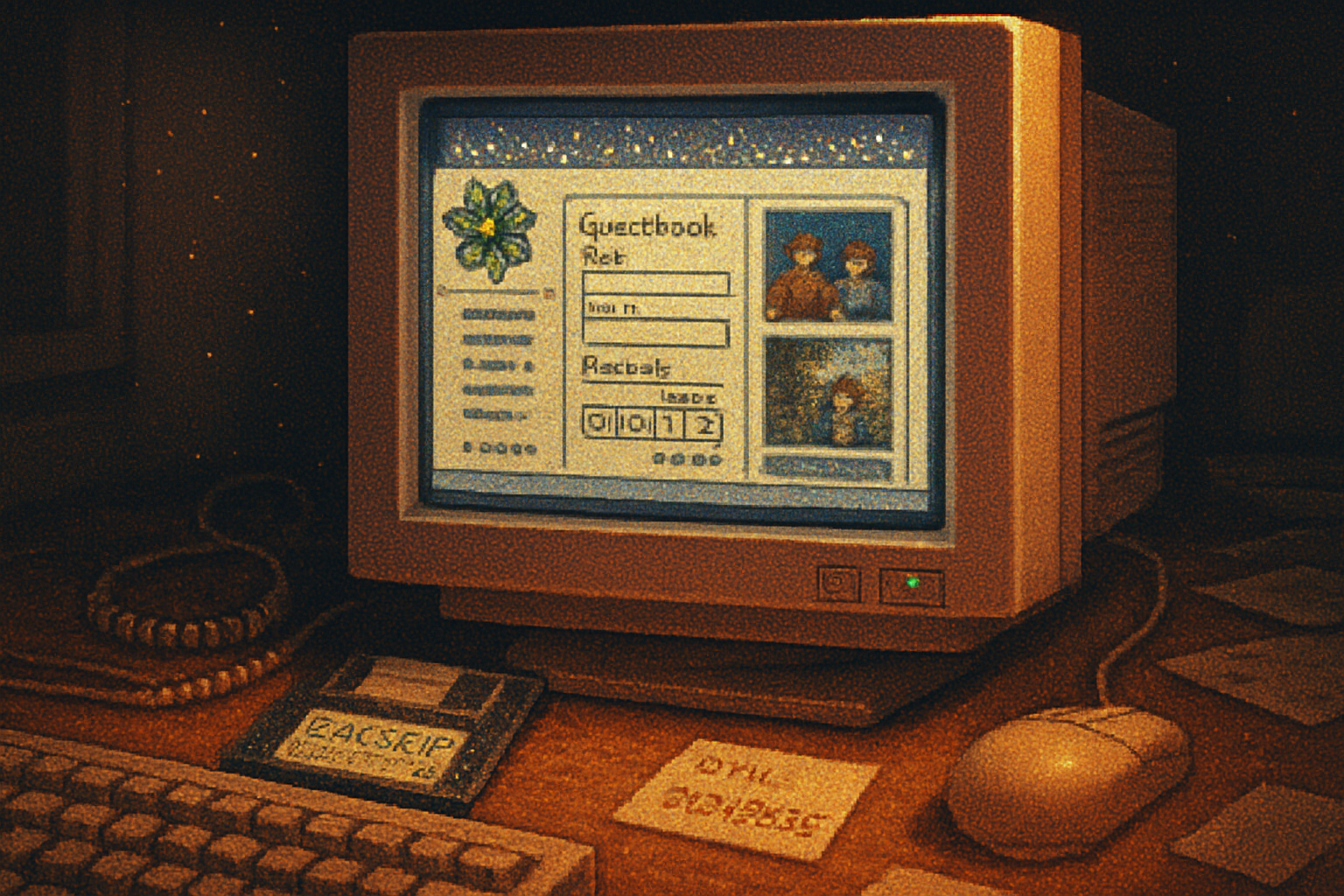
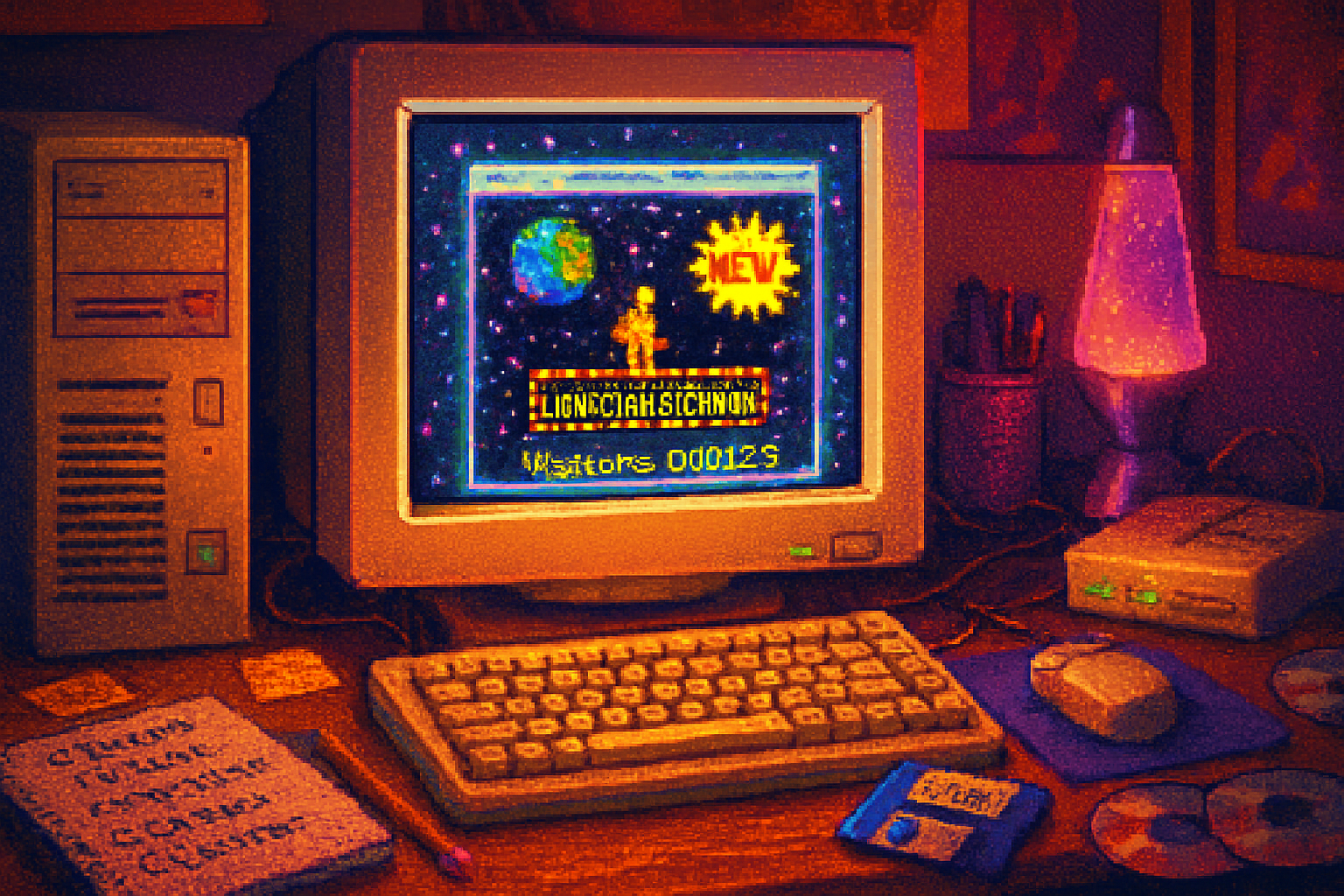
I remember booting a room-temperature beige PC, hearing the modem warble like a distressed robot, and waiting - not impatiently, but with eagerness - for that blue “e” to open a portal. The first page that blinked into life was a GeoCities shrine to a middle school band, complete with under-construction signs and a hit counter. That page looked wrong by today’s standards and absolutely right for the moment. Internet Explorer was the engine that kept that moment intact.
The claim, bluntly: Internet Explorer was a time machine
Not because it archived things - the Wayback Machine did that - but because IE’s behavioral stubbornness preserved old pages and old practices in place. Where modern browsers aggressively prune, standardize, and obsolete, Internet Explorer often kept supporting broken, quirky, and frankly terrible behaviors long after they should have been retired. That meant sites built for IE kept working. Legacy content kept living. Your middle-school homepage survived, browser bugs and all.
The sensory launch: how using IE felt
- The dial-up symphony. The modem’s handshake acted like a ritual - you couldn’t move on until it finished.
- Favorites were literal bookmarks; people hoarded them like collectible cards.
- “View Source” was a beginner’s cheat sheet into how the web actually worked.
- Pages glittered. Visitor counters ticked. Background music auto-played. Pop-ups were a way of life.
None of that is nostalgia gloss; those were real features - and Internet Explorer was the preferred vehicle for experiencing them.
Classic websites that defined the era (and why IE kept them alive)
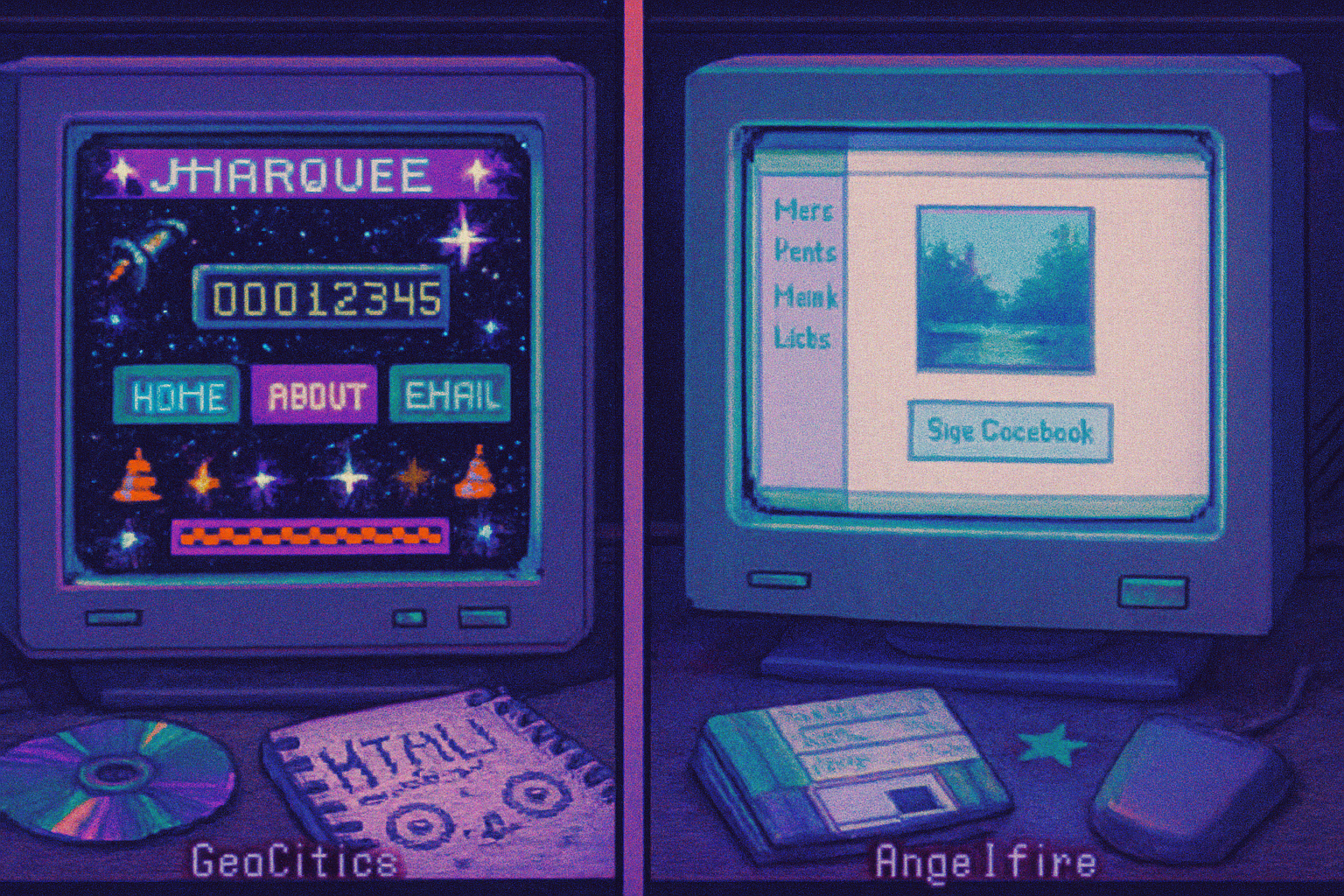
GeoCities - The quintessential DIY web. Neighborhood metaphors, animated under-construction signs, and an entire etiquette for blinking GIFs. GeoCities was where people learned to make web pages; IE was where they viewed them, reliably. See the history:
Homestar Runner - A peak of Flash-era creativity. Vector weirdness, lovable absurdity, and cartoons that demanded Flash (which, for a long time, ran smoothly in IE with the right plugin).
Newgrounds - The sandbox of oddball animations and games. Flash + browser quirks = playground for mad designers.
Neopets - An online ecology of pages, user-made content, and persistent virtual economies - built in the era where IE’s market dominance shaped development choices.
Ebaum’s World / YTMND / Angelfire - Meme precursors, meme anthologies, and personal zines. Many were animated, fragile, and dramatically dependent on specific browser behavior.
eBay and Amazon (early 2000s) - Primitive compared to today, but robust marketplaces that had to dance with IE’s idiosyncrasies because so many buyers used it.
If you want literal time travel, point your browser at the Wayback Machine - but if you wanted the experience to feel right, old-school IE was often the faithful costume designer.
The technical reasons IE preserved the past (and why that mattered)
Market share carved behavior into stone. When one browser dominates, developers optimize for it. For many years that browser was IE. Sites were coded to render in IE, quirks and all.
Compatibility over correctness. Microsoft prioritized backward compatibility. That meant bugs - like the infamous box model quirk in IE5/6 - stayed supported in order to avoid breaking millions of pages. The web kept the quirks it had been built on.
Proprietary features and plugins. ActiveX controls, VBScript, and proprietary CSS extensions were IE-only tools that powered lots of interactive content. They tethered content to IE but also let creators build experiences that wouldn’t run elsewhere.
Conditional comments. Microsoft gave developers a way to feed different HTML/CSS to IE without breaking standards-compliant browsers. It was a polite little hook that turned into a habit - web pages tailored to IE’s peculiarities.
For a deeper take on how IE’s dominance shaped the web, see coverage at The Verge and the slow, cantankerous death of IE6 discussed at Ars Technica.
Why “time machine” is not just metaphor: enterprise and legacy support
Long after the rest of the internet moved on, millions of corporate intranets and legacy apps remained IE-dependent. Microsoft responded with features like Enterprise Mode and document modes in later versions of Edge and IE11 - essentially compatibility layers that let governments, banks, and hospitals keep running their Internet-Explorer-era software without rewriting everything. In plain English: IE wasn’t just a browser, it was infrastructure.
That infrastructure effect turned the browser into a practical time capsule. Old code kept running. Old pages didn’t break. The past stayed plugged in.
The human story: why we remember it fondly (and painfully)
Nostalgia is selective. We remember the glitter and the triumph of getting a homepage to look right. We forget the 45-second page loads, the pop-up hell, the security holes that made botnets giddy.
But there’s tenderness in those ugly pages. They were invented by people making mistakes and discoveries in public. Internet Explorer’s forgiving nature - its willingness to run malformed HTML and proprietary scripts - let experiments live long enough for someone to learn from them.
The web was messy, loud, and exuberantly amateur. IE conserved that mess.
The price of being a time machine: security and stagnation
IE’s backward-compatibility was a double-edged sword. Keeping old behavior meant keeping old vulnerabilities. The browser’s security record grew thorny, and its slow pace of standards adoption frustrated progressive developers.
Eventually, the industry rejected the nostalgia. Modern browsers prioritized security, standards, and performance. The web grew up - which was necessary - but it also meant the end of the happy accident that let 1998-era code still look roughly the way its author intended.
Adobe’s shuttering of Flash - an engine of so much early web creativity - closed another chapter. Flash EOL in 2020 was a determined, necessary rip of the bandage: Adobe Flash Player End of Life.
What we lost - and what we kept
Lost:
- Spontaneous, personal websites in the thousands of tiny, idiosyncratic formats.
- Browser-specific toys that couldn’t be ported.
- The accidental literacy gained by people who learned HTML by copying and pasting and watching what happened.
Kept:
- A culture of remix and low-barrier experimentation that informs memes, indie games, and creative coding today.
- The knowledge that the web is a human artifact, not a flawless machine.
- Archives - the Wayback Machine, community efforts to preserve Flash, and countless screenshots and stories.
Final notes: why this matters now
We like to romanticize the past. That’s easy. But there’s a lesson in IE’s role as a time machine that deserves a clear-eyed look: when the dominant platform tolerates bad behavior for the sake of compatibility, it preserves culture as much as it preserves code. That sounds noble until you remember the security bill.
The web today is cleaner and safer, but also more curated and less silly. The legacy pages that survive - whether via the Wayback Machine, emulators, or stubborn old versions of IE - feel like attic finds: awkward, wonderful, and faintly criminal.
If you ever want to feel that old delight again, pull up an archived GeoCities page, load a Homestar Runner cartoon, or click through a Neopets world. Ask yourself how much of the web we want to protect: the tidy, fast, secure present, or the messy, shimmering past that made people fall in love with making things online.
And admit it: you miss the modem sound, even if your ears won’t admit it.
References
- The Verge - “The story of Internet Explorer” https://www.theverge.com/2016/6/14/11933010/microsoft-internet-explorer-history
- Ars Technica - “IE6 - please die”
- GeoCities - Wikipedia https://en.wikipedia.org/wiki/GeoCities
- Wayback Machine https://web.archive.org
- Adobe - Flash Player End of Life https://www.adobe.com/products/flashplayer/end-of-life.html
- Homestar Runner https://www.homestarrunner.com
- Newgrounds https://www.newgrounds.com
- Neopets https://www.neopets.com