· retrotech · 7 min read
Behind the Pixelated Curtain: The Evolution of NeoPets and Its Cultural Impact
How a browser game for kids became an early laboratory for online economies, identity play, advertising to children, and the long fight to preserve our digital childhoods - and why that matters today.
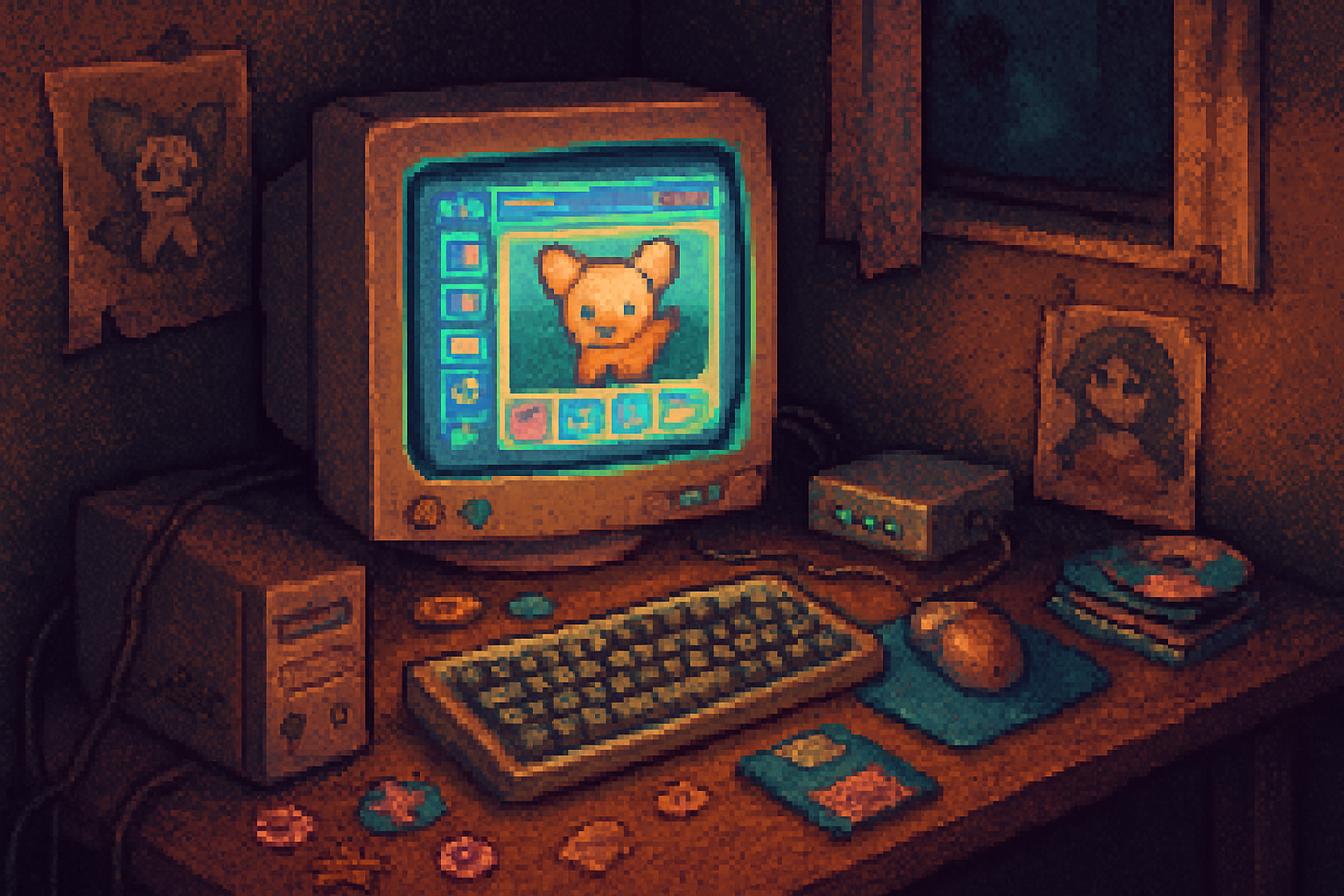
I can still hear the dial‑up shriek. Not because anyone in my house owned a modem anymore, but because the sight of my Neopet’s tiny pixel body on a CRT monitor took me straight back: the ritual of clicking “Feed,” the shame of an untended Petpet, the feverish scraping for Neopoints to buy a Fancy Dress. That ritual was not just play. It was education in economics, identity, and moderation - a primer in how a whole generation would learn to be online.
The small kingdom that became a large experiment
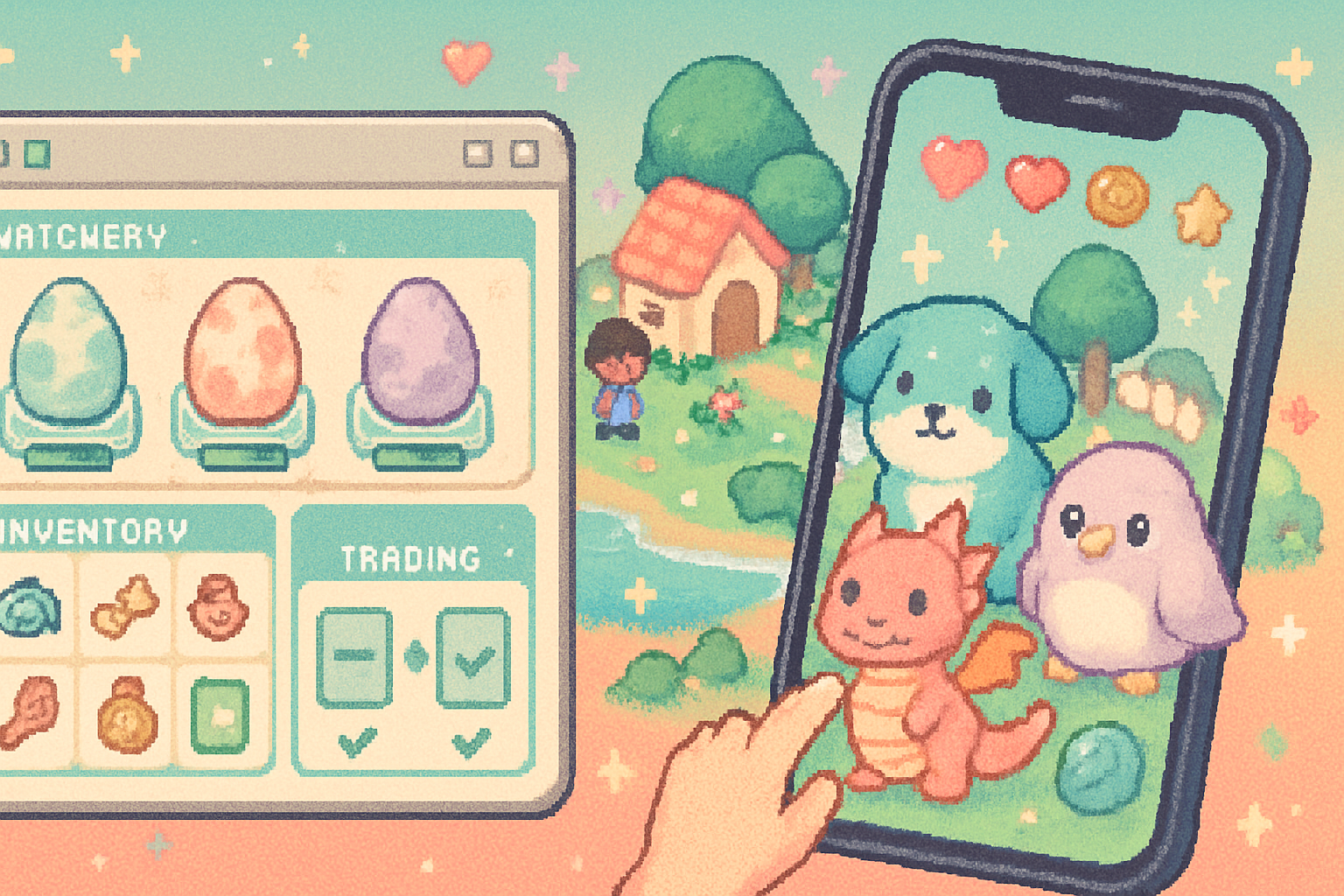
Neopets launched at the tail end of 1999 as a modest browser site built by Adam Powell and Donna Williams. Its promise was simple: adopt and care for virtual creatures, play minigames, decorate rooms, and socialize. But the combination of low barriers to entry, clever game loops, and an always‑running economy turned a kids’ time‑suck into something stranger and more consequential.
- A world populated by hundreds of little monsters and dozens of mini‑games.
- An in‑game currency (Neopoints) earned by skill, repetition, or sheer patience.
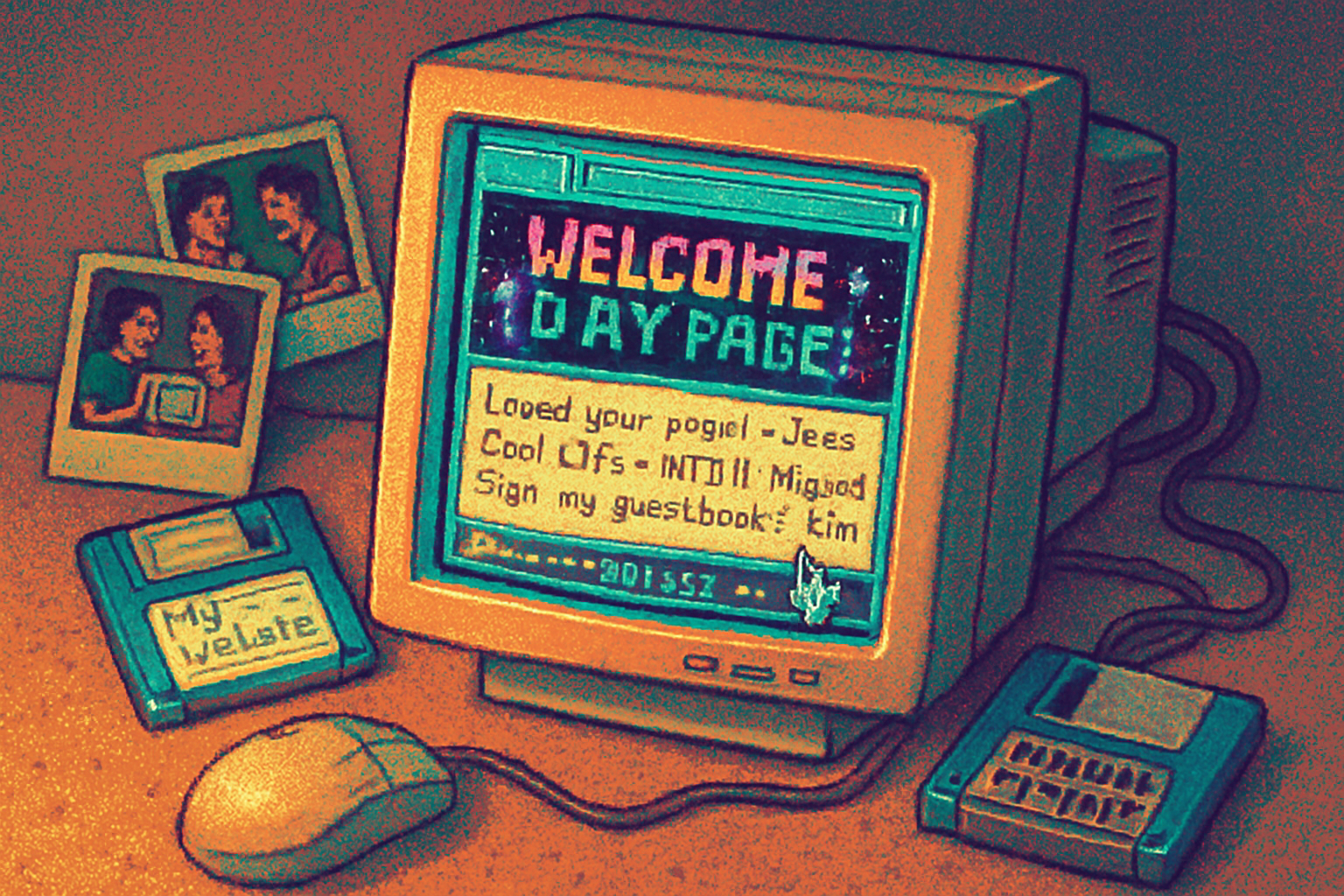
- User pages, message boards, and fanart that prefigured modern social platforms.
Those ingredients - toy, economy, community - made Neopets a fertile testing ground for behaviors that would later dominate the web: monetization of attention, commodified play, and community self‑organization. For a concise factual overview, see the Neopets entry on Wikipedia and the original site itself: https://en.wikipedia.org/wiki/Neopets and https://www.neopets.com
Why Neopets mattered then (and why it still matters now)
Think of Neopets as a cultural Rorschach test. Different people saw different things in it: a harmless game, a marketplace, a social network, or a Trojan horse for advertising aimed at children.
- An early economy
Neopoints functioned like pocket money - only more interesting because they came with games, scarcity, and status. Players learned supply and demand by bartering virtual goods and speculating on rare items. This microeconomy foreshadowed the huge virtual economies explored in academic work by people like Edward Castronova (see https://en.wikipedia.org/wiki/Edward_Castronova).
- Ads dressed as content
Neopets arrived in an era when advertisers were experimenting with embedded content. Sponsorships, branded events, and promotions were woven into the experience. For parents, the line between play and commercial messaging was thin and often intentionally obscured.
- Identity without a face
Children crafted identities through pets, avatars, and webpages. The emphasis was on performance: how you decorated your homepage, what titles you earned, how you showed off rare items. Long before Instagram models and curated feeds, kids were practicing curation on Neopets.
- Community and gatekeeping
Guilds, trading circles, and fan clubs gave young users real experience in governance: moderation, norms, and the rise of toxic behaviors - all in miniature. Some of those lessons were wholesome; some were cruel. But they were formative.
The commercial life cycle: growth, acquisition, and entropy
Neopets grew fast, then got caught in the usual machinery of internet businesses. It was created by enthusiasts and later became corporate property: it changed hands, saw design decisions driven by monetization priorities, and endured product updates that pleased marketers more than users. Even without naming every acquisition, the pattern is familiar: grassroots community meets commercial scaling, and the part that made the site beloved often gets sacrificed.
Two structural forces reshaped the site over the 2000s:
- Corporate monetization pressure - more ads, more sponsored content, more ways to extract cash from attention.
- Platform and technology shifts - the site leaned heavily on browser plugins and Flash, both of which later became liabilities.
The Flash Reckoning and digital mortality
Neopets’ reliance on in‑browser Flash games was a technological blind spot that became existential when Adobe announced Flash’s end of life in 2020. Millions of pages, minigames, and micro‑rituals were suddenly at risk of muting forever.
That threat crystallized a broader problem: digital artifacts decay. Websites rot, formats die, and the institutional attention required to preserve ephemeral culture is often absent. Fans and archivists scrambled to save Flash content - a cultural preservation effort that taught a new generation about what it means to be a steward of online memory. Adobe’s formal end‑of‑life statement is a useful reference point: https://www.adobe.com/products/flashplayer/end-of-life.html
The dark mirror: gold farming, exploitation, and real‑money trading
Once you create a virtual commodity that is rare and desirable, reality intrudes. Some players sought to convert Neopoints and rares into real money through account sales or gold farming - organized labor that sometimes exploited workers in developing countries. The phenomenon is familiar across virtual worlds and was analyzed in depth by scholars of virtual economies such as Edward Castronova.
This was no fringe problem. It exposed how digital spaces could be tied to global labor markets, and how children’s play could be monetized - often in ways neither they nor their parents understood.
Nostalgia, revival, and the ethics of monetizing childhood memories
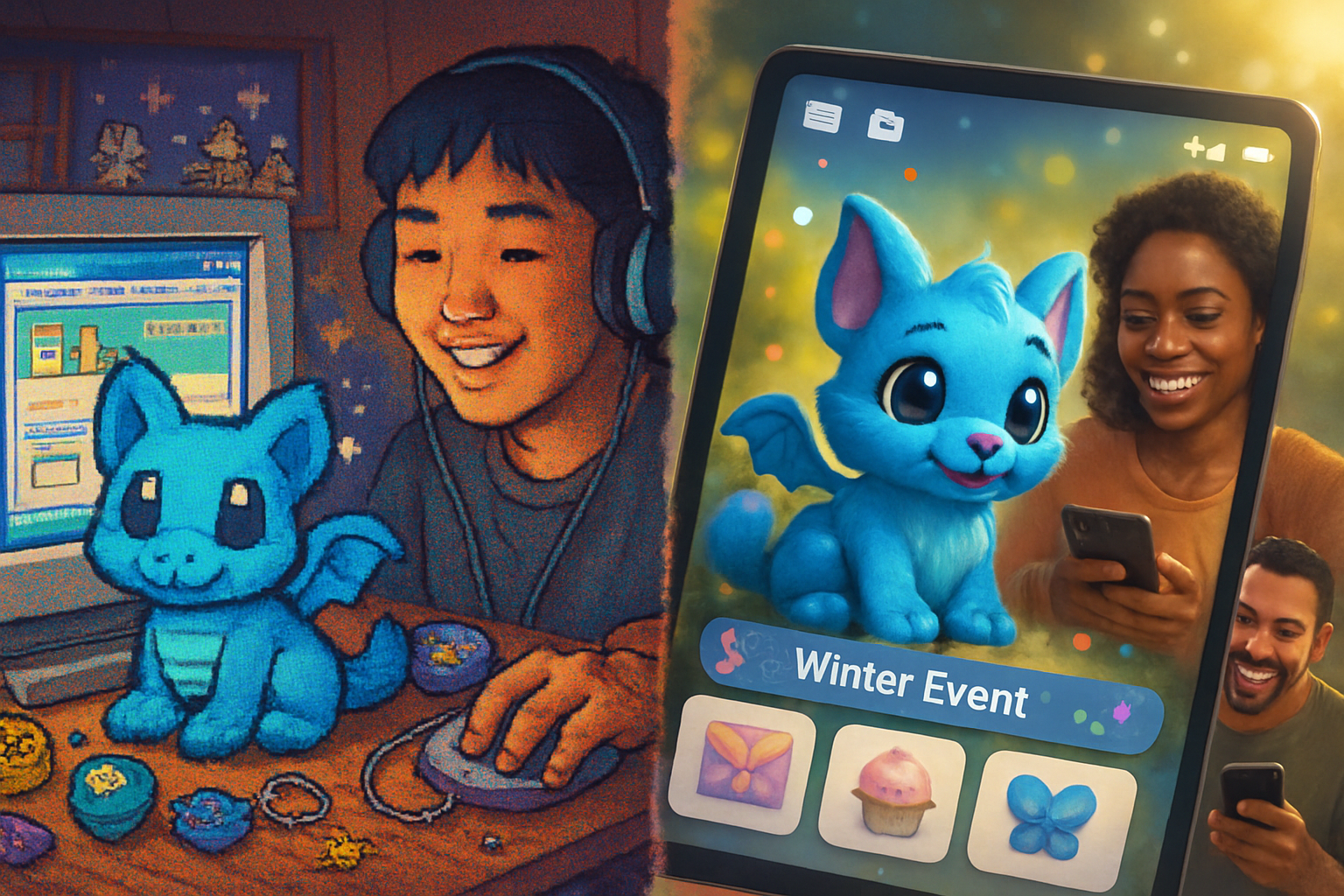
Nostalgia powers the web. A whole industry has sprung up to resell childhood - the merchandise, the remasters, the reboots. For Neopets fans, revival attempts have been bittersweet: updates that strip away the original’s quirks, corporate strategies that prioritize licensing or mobile pivots, and the ever‑present temptation to repackage trust and memory as cash (hello, loot boxes and microtransactions).
A particularly thorny question now is whether nostalgia can - or should - be monetized in new tech forms. The late 2010s and early 2020s saw experiments in tokenizing nostalgia (NFTs, licenses sold for IP resurrection). Many fans recoil at the idea of their childhood trinkets being auctioned as speculative assets. The ethical question is simple: does remonetizing childhood memories enrich the community that built the value, or does it extract from them?
What Neopets teaches us about the internet’s first generation
- Attention is a resource, and children were its early, unpaid laborers. They generated data, attention, and content that became valuable to companies.
- Play is education. Whether learning economics in the marketplace or governance in a guild, kids practiced real civic and market skills.
- Digital objects are fragile. If you care about cultural memory, archiving matters - and it’s often the fans who must do the hard work.
Concrete examples and echoes in modern platforms
- The trading of virtual items on Neopets anticipated the much larger economies of games like RuneScape and World of Warcraft, where gold farming and RMT became headline problems.
- Neopets’ ad‑heavy model foreshadowed influencer marketing where entertainment and advertising coalesce.
- The site’s social mechanics presaged the identity curation of later social networks; a Tumblr or Instagram is just a more sophisticated Neopets user lookup.
A small list of controversies and lessons (not exhaustive)
- Unsafe or opaque advertising to children - platforms must be transparent about what is content and what is paid placement.
- Preservation vs. profitability - if companies cannot or will not preserve cultural artifacts, communities will - but that is not fair burden sharing.
- Monetization ethics - converting nostalgia and play into speculative financial instruments (or exploitative labor schemes) should be resisted.
Where Neopets sits in 2025 (and why you should still care)
Neopets today is a patchwork: a living site with warts, preserved fan projects, and the occasional corporate revival. But its deeper legacy is the first sustained experiment in what happens when children inhabit a persistent, commodified, social digital world.
We are still living with its lessons. Platforms learned that childhood attention can be harvested. Regulators are still catching up. Archivists are still rescuing Flash games. And millions of people retain a personal relationship to a small pixel creature they once fed before school.
That matters because those tiny rituals shaped how a generation thinks about money, identity, and community online. If we want a healthier future internet, we ignore that history at our peril.
Further reading and archival resources
- Neopets official site: https://www.neopets.com
- Neopets (Wikipedia): https://en.wikipedia.org/wiki/Neopets
- Web Archive snapshots (search Neopets history): https://web.archive.org/web/*/neopets.com
- Adobe Flash Player end‑of‑life: https://www.adobe.com/products/flashplayer/end-of-life.html
- Edward Castronova (virtual economies scholar): https://en.wikipedia.org/wiki/Edward_Castronova
Final thought
Pixels are small. The consequences of how we designed and monetized them were not. Neopets was not just a website. It was a classroom, a marketplace, a town square, and, for many kids, the first place they learned the rules of a digital life. We would do well to remember it - not because it was flawless, but because it was formative.