· retrotech · 6 min read
Creating a New Generation of NeoPets: How to Balance Nostalgia with Innovation
How do you resurrect a beloved virtual pet world without turning it into a cynical cash-grab or an ugly museum exhibit? This guide lays out design principles, concrete feature ideas, tech patterns, and community playbooks to revive NeoPets for both old fans and new players.

I still remember the smell of dial‑up and the thrill of logging into Neopets for the first time: a pixel pet who required only a few clicks and a crisp piece of virtual toast to stay alive. That toast felt like magic. Years later, nostalgia is the ember that keeps that memory warm - but embers don’t make a game. They can, however, light a whole new one.
This article is a playbook for developers who want to revive a classic virtual‑pet world - specifically NeoPets - in a way that honors the past without turning the project into a museum exhibit for nostalgia addicts. We’ll cover design principles, concrete features, technical patterns, monetization ethics, community strategies, and the metrics you should actually care about.
Why nostalgia is both an asset and a trap
Nostalgia sells because it simplifies memory into an emotional shortcut. That shortcut is powerful: it can drive early PR, influencer interest, and preorders. But left unchecked, nostalgia becomes a straightjacket. If you present only the old site with higher resolution textures and call it a day, you’ll get applause from a tiny, vocal cohort and yawns from everyone else.
Nostalgia is marketing fuel, not a design document. See why businesses lean into nostalgia in broader terms in this Harvard Business Review analysis: Why Nostalgia Is Good For Business.
Design principle #1 - Respect the core, and name it
Every revival must answer: what was the core loop that mattered? For NeoPets, the core elements are unmistakable:
- Adopt and customize pets.
- Feed, play, and care for them (small daily rituals).
- Collect items - costumes, toys, food.
- Play minigames for rewards and bragging rights.
- Participate in community commerce (shops, auctions) and social spaces.
Respecting the core means preserving these rhythms. It does not mean preserving the UI, tech debt, or bad anti‑cheat. It means capturing the emotional arc: ownership, stewardship, discovery, and social display.
Design principle #2 - Layered innovation: Classic, Modern, and Bridge
Think in layers.
- Classic Layer - A toggle or legacy server where the original rules, economy, visuals, and minigames exist with minimal changes. A nostalgia-first experience.
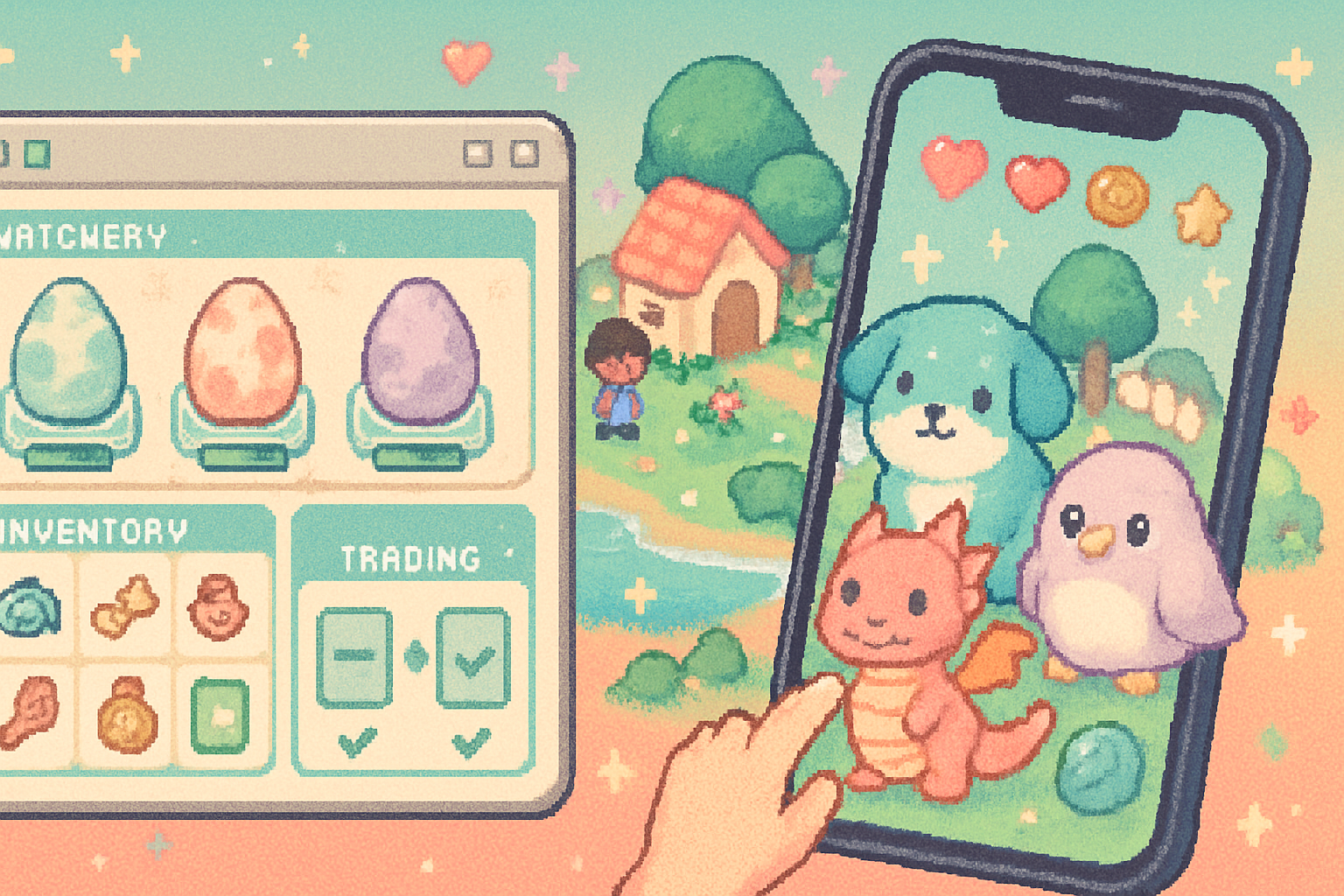
- Modern Layer - Mobile‑first client, live ops, cross‑platform accounts, low‑friction onboarding, accessibility, modern social features, better onboarding tutorials, and robust safety moderation.
- Bridge Layer - Features that let players move between Classic and Modern worlds - item exchanges, cross‑save, or “museum rooms” where classic pets live in a modern house.
This structure comforts old players while allowing newcomers to enjoy contemporary UX expectations.
Concrete features to keep (and how to modernize them)
Pet Customization - keep it rich
- Preserve quirky items and costumes. Make many of them earnable through gameplay to respect longtime players.
- Add layered customization (modular rigs, animated accessories) so cosmetics scale visually across modern displays.
Economy & Shops - preserve player agency
- Keep player shops, but introduce improved fraud prevention and easier listing flows.
- Add a sandboxed test currency for new players to experiment without harming the long‑term economy.
Minigames - quality over quantity
- Modernize classics with client‑side responsiveness; keep the original physics/feel in a “classic mode” skin for purists.
- Offer asynchronous multiplayer versions for mobile (turn‑based challenges) and quick PvP with balanced matchmaking.
Battledome/Combat - more meaningful progression
- Move from grindy stat inflation toward skill expression and deck/ability customization. Allow solo and team formats.
Social Spaces & Profile Pages - social proof matters
- Preserve petpages but make them embeddable, shareable, and mobile‑friendly. Support user themes via safe, sandboxed markup.
Events & Seasonal Content - recurring magic
- Bring back seasonal events with new meta goals. Use time‑limited rewards to drive engagement without paywalls.
Accessibility & Safety - non‑negotiable
- Modern games must be accessible (scalable fonts, screen reader labels, color‑blind palettes).
- For a kid/adolescent audience, invest heavily in moderation, real‑time abuse detection, parental controls, and safety education.
UX and art: nostalgia without kitsch
Visual language is a lever. Do not create two competing identities. Instead:
- Create an art system that can render both pixel/retro and modern vector/3D assets from shared source files.
- Offer a “classic visual filter” for players who want the old look on modern resolutions.
- Remaster but preserve - keep original sound cues, then expand them with new orchestrations.
An effective metaphor: treat nostalgia like a photograph in a family album. You can frame it beautifully and hang it on a clean wall - but you shouldn’t wallpaper the whole house with it.
Monetization: be generous, transparent, and reasonably classy
The last thing NeoPets needs is predatory mechanics. Monetize with these priorities:
- Cosmetics and vanity items first (non‑pay‑to‑win).
- Subscriptions for quality-of-life features, not raw power - e.g., expanded storage, fast travel, premium profile themes.
- Consumables only where they do not gate core progression. Give free paths to premium items over time.
- Transparent pricing and rarity; don’t obfuscate drop‑rates.
If you must add loot boxes, make them cosmetic, clearly labeled, and compliant with regional regulations.
Community-first launch playbook
- Recruit OG players and content creators early. Host private alphas with them; listen more than you speak.
- Create an official way to import or honor legacy collections (wiki achievements, ’owned since 2005’ badges).
- Run public design polls - but be selective. Crowd input is gold if you guard it from becoming an echo chamber.
- Release a “nostalgia museum” in the game - curated archives of original art, pages, and community milestones.
Technical architecture & ops: build for experimentation
- Use microservices and modular front‑ends so you can roll out new systems without breaking the entire economy.
- Feature flags to A/B test major changes and to let purists toggle classic behavior.
- Event telemetry - instrument everything. Track onboarding funnel, D1/D7/D30 retention, crash rates, conversion, and economy flows.
- Rate limits and anti‑bot layers for shops and auctions to protect the market.
For behavioral retention theory, consider the Hook Model by Nir Eyal as a pragmatic framework: Hooked - Nir Eyal.
Metrics that matter (and the traps)
- DAU/MAU and stickiness (DAU/MAU).
- Retention - D1, D7, D30.
- Time to first meaningful interaction (adopt, customize, or earn first item).
- Economy health - inflation, item sinks, velocity of trade.
- Community sentiment and churn reasons from qualitative feedback.
Trap: focusing on ARPDAU too early. A healthy economy and engaged community come first; monetization follows.
Example roadmap (90 days to ship a proof of life)
- 0–30 days - Audit classic content, legal/IP check, player focus groups, design pillars.
- 30–60 days - Ship a playable “Legacy Mode” with account system and a single polished minigame, basic shop, and pet customization.
- 60–90 days - Add modern client (mobile/web parity), basic social features, and a small seasonal event.
Ship small, learn fast, iterate.
Risks and ethical considerations
- Don’t reskin predatory monetization with cute animals. Treat children and longtime fans with respect.
- Avoid crypto/NFT experiments unless you thoroughly understand and manage the legal, ethical, and PR risks.
- Be ready for backlash. A restoration invites opinions. Be transparent about your tradeoffs.
Final checklist: launch-time sanity list
- Legacy mode toggled and stable.
- Modern onboarding under 3 minutes to first pet.
- Player shops live with anti‑fraud protections.
- Safety/moderation features enabled and staffed.
- Clear, fair monetization rules documented and visible.
- Analytics instrumentation for funnel and economy.
Parting thought
Nostalgia is a door, not a destination. It gets attention. Innovation keeps it. Build a world where an old fan can find their childhood pet and a new player can fall in love with a creature that still eats toast for breakfast - but in a game that respects their time, their money, and their safety.
References
- Neopets - background and history: Wikipedia
- Why nostalgia is useful to businesses: Harvard Business Review
- Behavioral hooks and product design: Hooked - Nir Eyal