· retrotech · 5 min read
The Digital Time Capsule: Exploring Angelfire's Role in Early Web Development
Angelfire was a formative playground for a generation of web creators. This piece traces how its quirky constraints taught core web skills, seeded design habits still visible today, and left a cultural afterimage that resurfaces in modern 'retro web' movements.
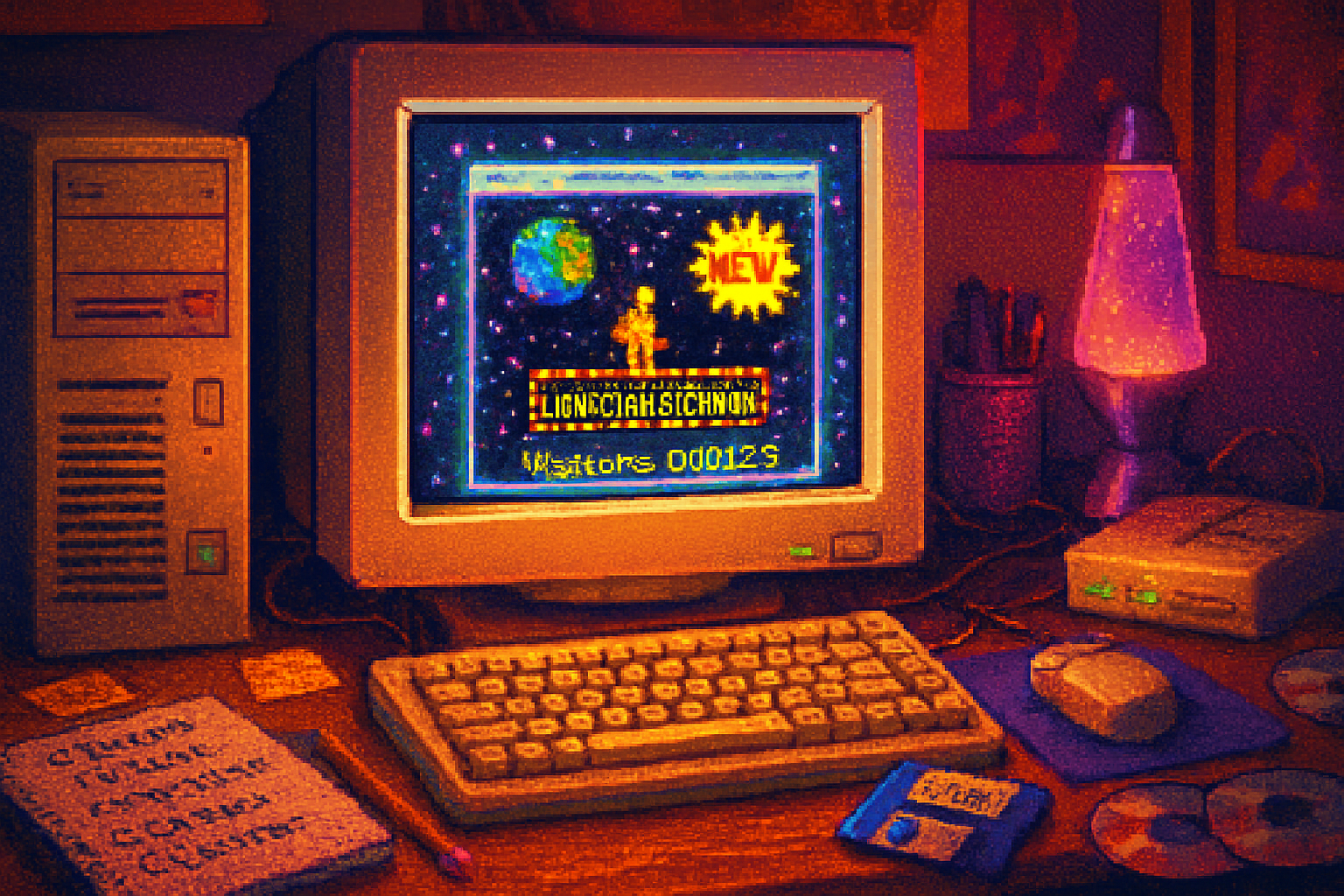
A teenager in 1998 saved up for a 56k modem and spent two evenings learning how to center text with a
The small, unruly classroom
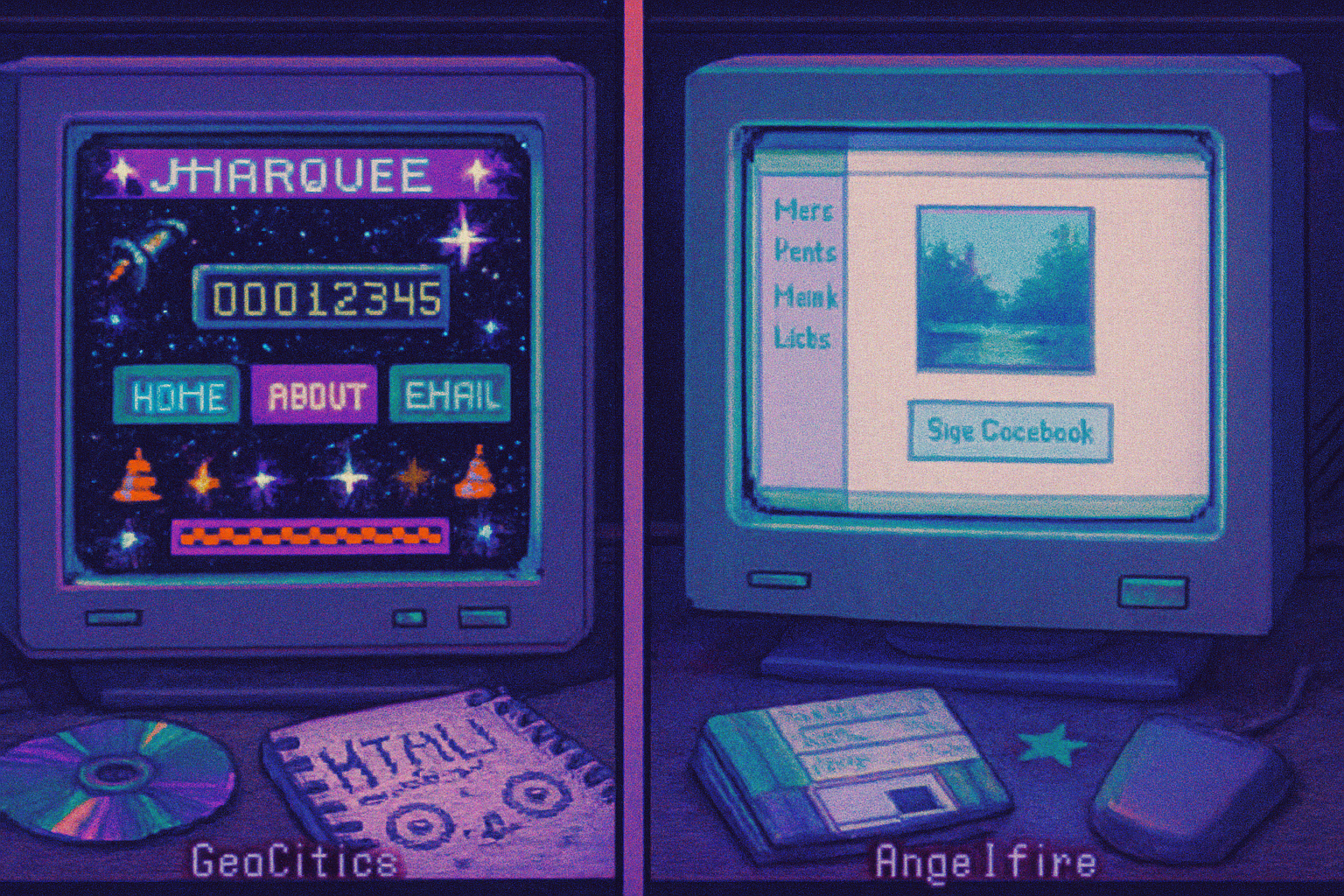
Angelfire arrived into a web that was less a platform and more a messy, democratic commons. Alongside GeoCities and Tripod, Angelfire offered free hosting, templates, and the one thing every fledgling developer needed: permission to break things and try again.
The affordances were obvious and ruthless:
- HTML-first - no CMS, no drag-and-drop WYSIWYG that actually worked like today. You edited raw HTML, often in Notepad.
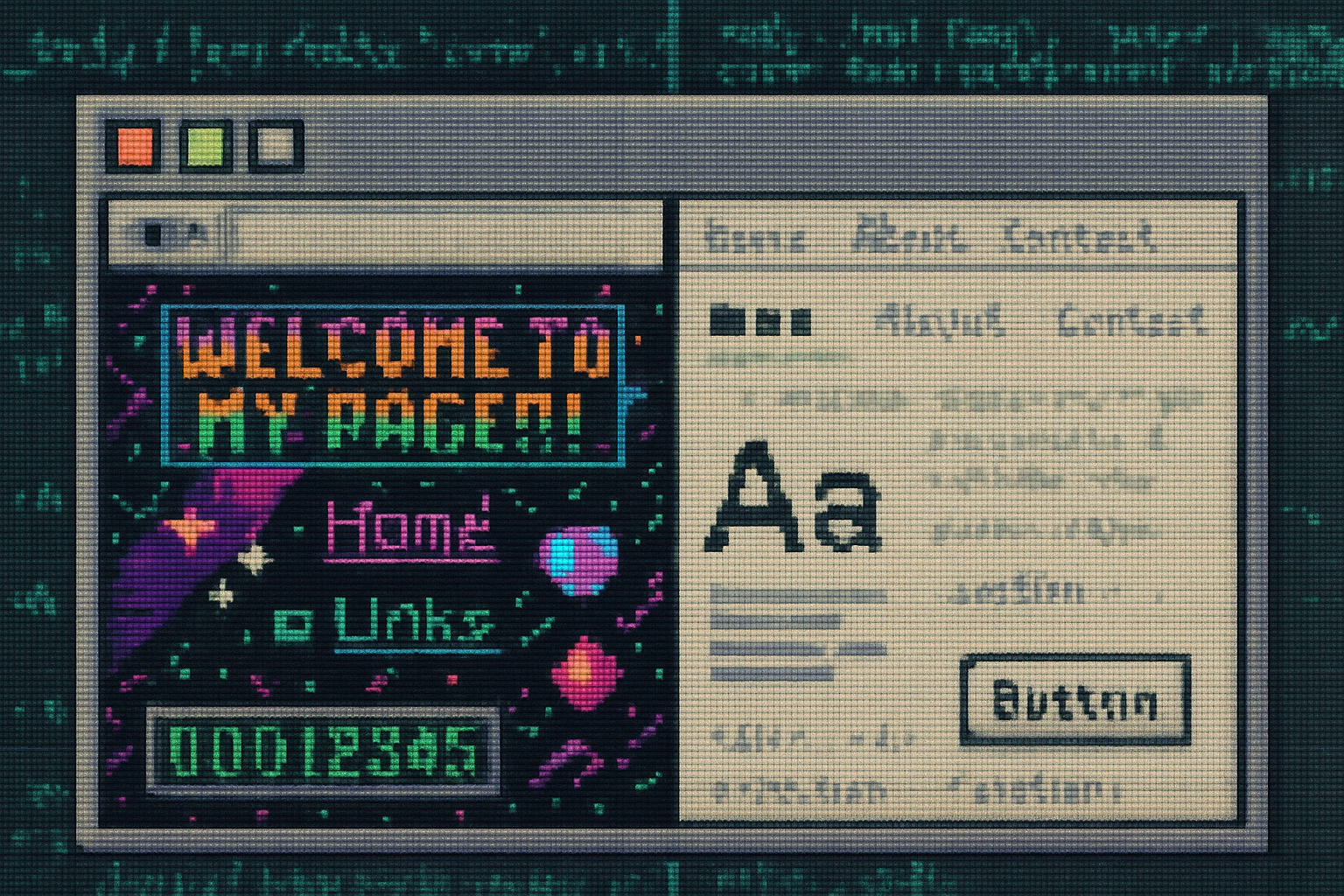
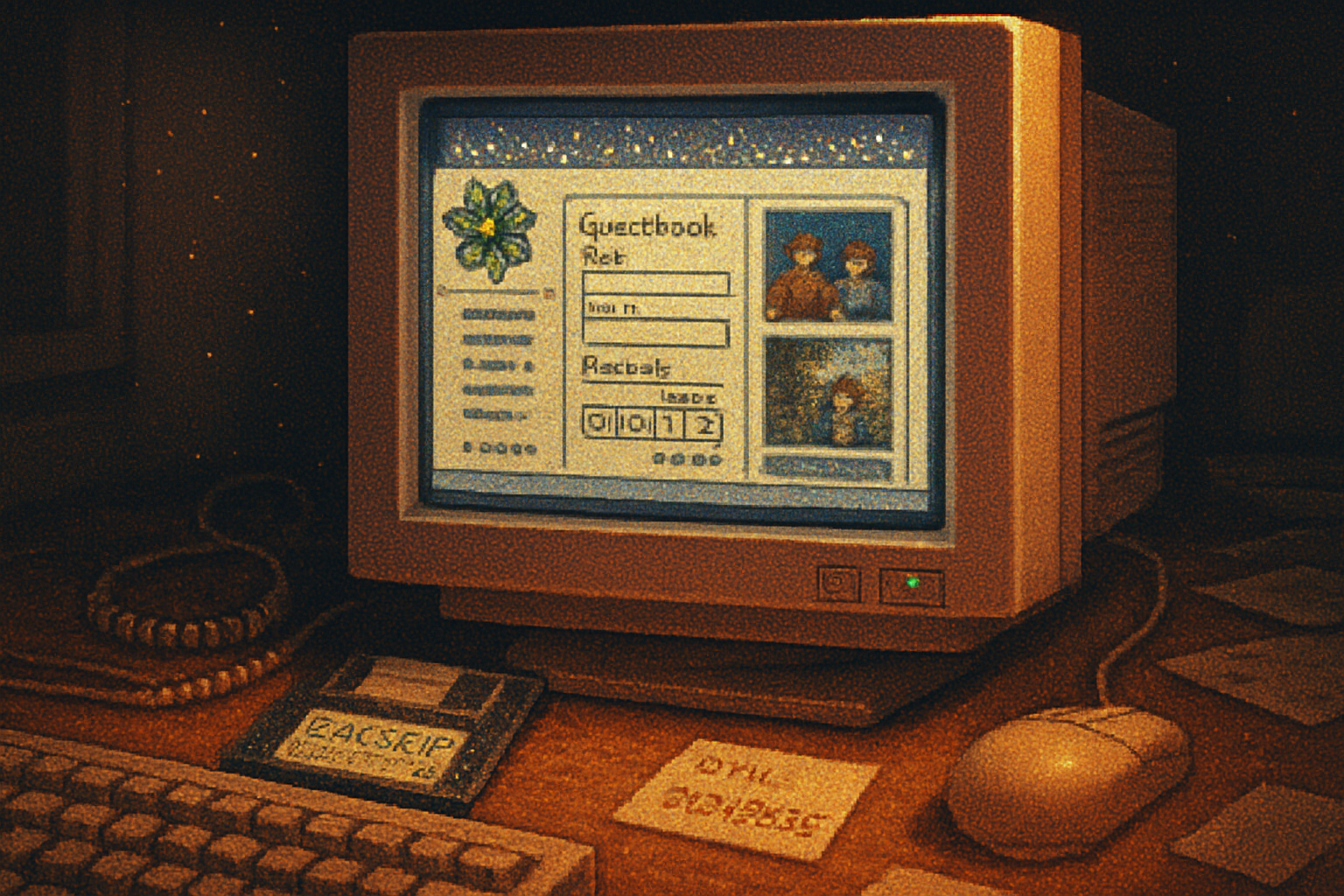
- Visual building blocks - counters, guestbooks, prebuilt templates and GIF libraries encouraged bricolage.
- Bandwidth and space limits - forced efficiency, tiny images, and creative economy.
These constraints were not a bug. They were an education.
What Angelfire taught a generation (and why it matters)
The lessons were practical and surprisingly durable.
- HTML fluency - Users learned tags, nesting, and document structure by doing. That early familiarity eased later transitions to semantic HTML and accessibility thinking.
- Debugging instinct - When your marquee broke or a GIF refused to load, you checked the source. You learned to read errors and isolate problems-an underrated cognitive skill in software work.
- Visual hierarchy by force - With no responsive grid systems, creators learned to control layout via tables, spacer gifs, and sheer ingenuity. It fostered an intuition for spacing and composition.
- Performance awareness - 56k modems were merciless. Sites had to load quickly; images were optimized out of necessity. That ethos-make it fast or lose your user-predates modern performance budgets.
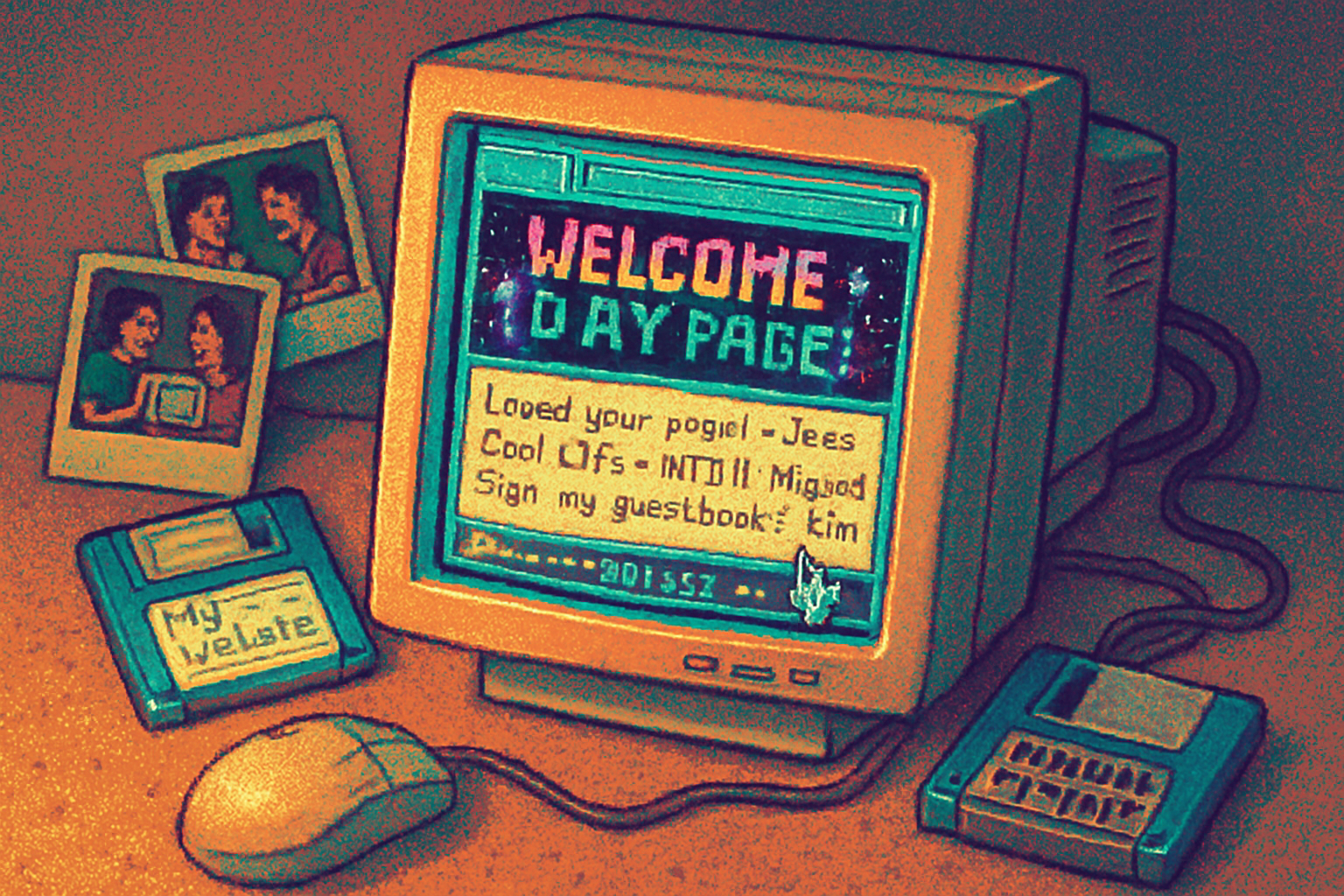
- Creative confidence - Building something public and seeing visitors (or scathing guestbook notes) created an iterative loop of feedback. For many, this was the first practical taste of product thinking.
These small, messy projects seeded careers. Designers became UX professionals. Hobbyist coders became full-time engineers. The early web was a vocational school disguised as chaos.
Aesthetics that refused to be polite
Angelfire pages had a look: patterned backgrounds, tiled JPGs, glitter text, animated clip-art, framed layouts, and that pride-often misplaced-of a custom cursor. Contemporary designers call the era kitsch; participants call it expression.
That aesthetic lives on in two contradictory descendants:
- Nostalgic revival - Sites like
- Informed minimalism - Designers who grew up on Angelfire learned what
The era taught that design decisions are answers to constraints. When you remove the constraints, you still need the discipline.
Personal stories (composite, but typical)
- “I put a guestbook on my site and someone wrote a note. I thought I’d made it.” A former hobbyist remembers that the first public comment changed her career path; she now leads product teams.
- “I learned to FTP and never forgot it.” Another recounts how hand-deploying HTML files cultivated operational empathy-deployments used to be manual, which made people think about consequences.
- “My first job interview was because my portfolio was a Bad Taste Angelfire page.” A developer used her rough, earnest site as proof-of-skill; employers saw creativity and hustle more than polish.
These anecdotes show a throughline: Angelfire was a practical apprenticeship. The resume wasn’t polished; it was demonstrable.
Technical lineage: from tables and GIFs to components and frameworks
Look at the modern web and you can trace lines back to those messy pages:
- Component thinking - Early pages were assembled from repeatable blocks-headers, navs, guestbooks. That mental model maps directly to modern components in frameworks like React.
- Progressive enhancement - Many Angelfire users built sites that had to work under tight constraints; that instinct-start with essential content, then layer on enhancements-echoes in modern accessibility- and performance-first approaches.
- Asset optimization - The imperative to squeeze image bytes birthed habits that now translate into artful handling of responsive images, sprites, and lazy loading.
So yes, that bizarre table-based layout was an ancestor of your React component library. Not glamorous, but true.
Preservation and the digital time capsule
Angelfire pages are fragile cultural artifacts. A surprising number survive in the Internet Archive’s Wayback Machine and in personal backups. This preservation matters because these pages are social history: artifacts of what people cared to show the world when the web was new.
We call it a “digital time capsule” for a reason. The visual noise of a 1999 Angelfire page encodes social context-what teenagers found funny, what fandoms mattered, how communities formed without algorithmic amplification.
The inconvenient virtues Angelfire taught
There’s a moral clarity to be salvaged from the chaos:
- Build for people, not platforms. Early web creators didn’t think in marketing funnels-they thought in pages people clicked out of curiosity.
- Embrace constraints. Limited bandwidth and primitive tools forced creative problem-solving.
- Practice publicly. A site-even a rough one-serves as an argument. Employers and collaborators respond to evidence of craft more than theory.
These virtues are still useful. They’re just harder to learn when polished tools hide the work.
What modern developers can still learn
If you grew up after the Angelfire era, consider these exercises inspired by it:
- Hand-code a small site in plain HTML and CSS-no frameworks-for the mental clarity it brings.
- Publish something imperfect and public. The feedback loop accelerates learning.
- Play with low-fi aesthetics (try Neocities) to understand the expressive constraints of minimal tooling.
These low-bandwidth practices train you to make deliberate decisions, not default to a library because it’s convenient.
Conclusion: why the time capsule still matters
Angelfire was a weird pedagogy: permissive, low-fi, and mercilessly public. It taught people to ship, to debug, and to care about what they made. Those are root competencies-silent, unglamorous, and exactly what distinguishes a professional from someone who knows a pattern.
The web remembers its pedagogies as much as its technologies. The glitter and GIFs are amusing; the deeper legacy is a culture of practice. That matters because tools change. The capacity to build, to fail publicly, and to iterate is what endures.
Resources and further reading
- Angelfire on Wikipedia: https://en.wikipedia.org/wiki/Angelfire
- GeoCities history: https://en.wikipedia.org/wiki/GeoCities
- Internet Archive (Wayback Machine): https://web.archive.org/
- Neocities (revival of hand-built web ethos): https://neocities.org/