· retrotech  · 7 min read

From GeoCities to Angelfire: The Battle of the Nostalgic Web Hosts

A brisk, nostalgic look at how GeoCities and Angelfire shaped the early personal web. This comparative analysis traces origins, features, culture, decline, and lasting influence - and explains why messy, pixelated homepages mattered more than we thought.
A brisk, nostalgic look at how GeoCities and Angelfire shaped the early personal web. This comparative analysis traces origins, features, culture, decline, and lasting influence - and explains why messy, pixelated homepages mattered more than we thought.

I first fell down the rabbit hole because of a glittery GIF of a rocket ship.

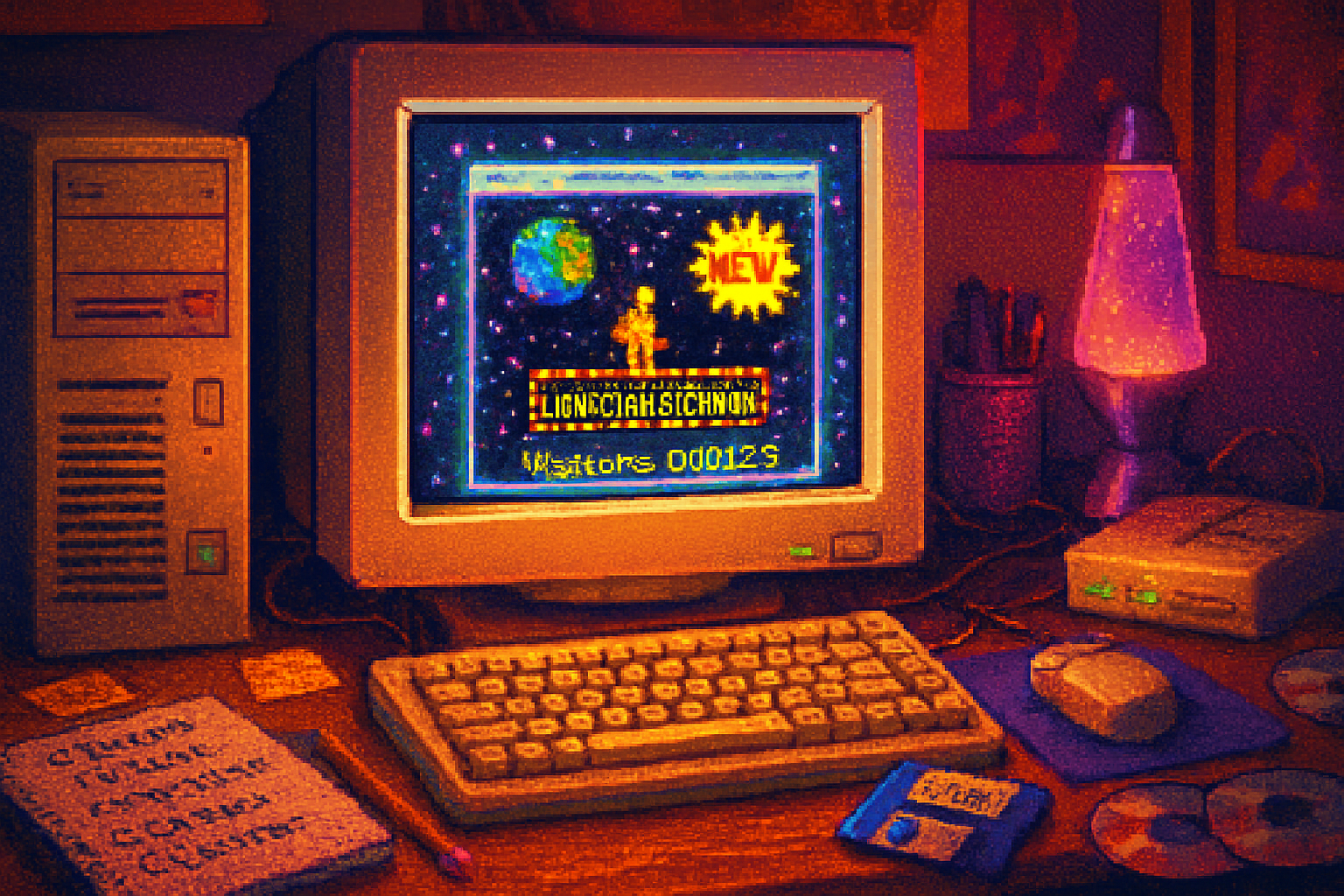
It was 1998. I clicked a link from a fan message board and landed on a page that looked like someone had sewn together bits of an adolescent bedroom: a tiled starfield background, blaring MIDI, a hit counter near the top, and the unapologetic sentence “Welcome to my site!!!” The page was on GeoCities. A week later, another friend proudly emailed a link on Angelfire that was calmer, template-driven, and oddly intimate - like a handwritten zine scanned and posted on the internet.

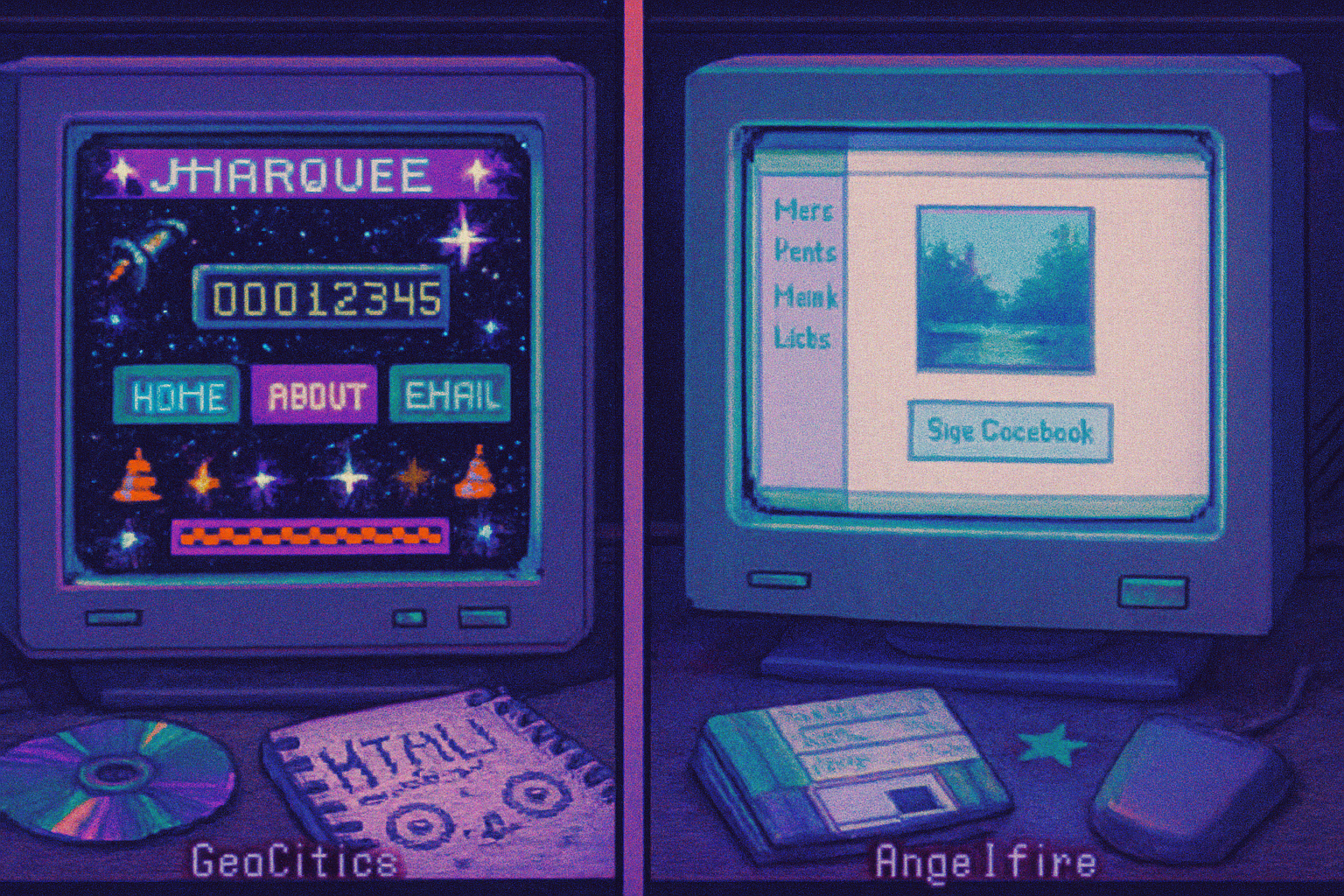
These two ecosystems - GeoCities and Angelfire - were not just hosting services. They were competing philosophies about what the web should feel like: noisy communal neighborhoods versus blank-canvas personal studios. Their rivalry, subtle in the moment, shaped how people learned to publish themselves online.

Sketching the players: origins and life stories

  • GeoCities began life in 1994 as Beverly Hills Internet and quickly rebranded to build the metaphor of virtual neighborhoods; its model emphasized community and topical “neighborhoods.” GeoCities - Wikipedia
  • Angelfire launched in the mid-1990s as a free hosting option that emphasized ease of use and templates; it survived the first dot-com shakeouts and still existed, in some form, years later. Angelfire - Wikipedia

GeoCities scaled into a cultural phenomenon and was acquired by a corporate behemoth in the late 1990s, only to be shuttered for many users a decade later - an act that kicked off frantic preservation efforts. GeoCities archival efforts - Archive Team

Angelfire, by contrast, never quite became the icon GeoCities did, but it embodied a different set of values: template-based stability, quieter DIY work, and a surprising longevity in a changing commercial landscape.

Two philosophies of the personal web

Think of GeoCities and Angelfire as two types of teenage rooms.

  • GeoCities - a shared, themed dormitory floor. You and your neighbors are on the same landing. The site categories - “Hollywood,” “SiliconValley,” “Athens” - were explicit invitations to belong. Visitors clicked the neighborhood directory, hopped between fan shrines and band pages, and left guestbook entries like notes tucked into lockers.

  • Angelfire - a studio apartment you decorated yourself. Less communal signage, more modest templates, and an emphasis on making your page “your space.” People used Angelfire for portfolios, personal diaries, and quieter fan pages.

Both democratized publishing. Both taught HTML like a second language. But the rhetoric was different: GeoCities shouted, Angelfire whispered.

Feature face-off (what each platform actually offered)

  • Community:

    • GeoCities - neighborhood directories, built-in browsing paths, a real-sense-of-place. Good for discovery and accidental audiences.
    • Angelfire - weaker communal scaffolding; discovery relied on search engines and links.
  • Onboarding & tools:

    • GeoCities - simple editors and easy upload; encouraged users to play with freeform HTML.
    • Angelfire - template-driven builders and user-friendly layouts; a safer path for novices.
  • Aesthetic affordances:

    • GeoCities - encouraged maximalist, chaotic pages - marquee tags, animated GIFs, tiled backgrounds, guestbooks, counters.
    • Angelfire - cleaner templates by default, but still allowed full HTML for those who wanted to push the aesthetic envelope.
  • Audience & uses:

    • GeoCities - fan pages, hobbyist clusters, community directories, cultish hubs for niche interests.
    • Angelfire - personal portfolios, diaries, fan pages; often used by people who wanted a tidy presentation.
  • Longevity & fate:

    • GeoCities - explosive growth, large acquisition, then eventual decline and massive cultural backlash when content was threatened with deletion.
    • Angelfire - smaller cultural footprint but more persistent; it adapted to corporate changes with less fanfare.

The aesthetics that refused to die

If the early web had a visual dialect, GeoCities spoke in a melodramatic, GIF-heavy pidgin. There are specific techniques anyone who lived through it remembers with painful clarity:

  • Theandtags - digital loudspeakers.
  • Hit counters - crude but emotionally potent metrics.
  • Guestbooks - the predecessor to comments, sentimental and public.
  • Background MIDI - music that followed you like an overeager playlist.
  • Tiled backgrounds and tables as layout scaffolding - bad for accessibility, perfect for personality.
  • Angelfire pages often showed restraint: a template, a single column, a neatly labeled “Links” section. But when turned loose, Angelfire authors could emulate GeoCities excess with the same set of HTML toys. The difference was intention: GeoCities made excess discoverable; Angelfire made it optional.

    Cultural significance: more than glitter and gifs

    At first glance these sites looked adolescent. They were adolescent. But that was the point.

    • Training wheels for self-expression - Both platforms taught entire generations how to string together HTML, find free images, and host opinions publicly. You learned publishing before networks told you how to behave.

    • Early communities and fandoms - Fan fiction, cult followings, indie music scenes - people found each other via personal pages. The web became a patchwork of micro-communities long before algorithms aggregated them.

    • Ownership vs. tenancy - These hosts offered a form of digital ownership: a folder, some HTML, a URL you could brand. That feeling of “this is mine” mattered. When corporate decisions threatened deletion (as happened to GeoCities), the reaction was visceral and legendary. Archive efforts were launched to rescue what could be rescued.

    The monetization trap and the corporate pivot

    The web’s first big lesson: attention is sellable.

    GeoCities’ rapid growth attracted acquisition offers and advertising pressure. The transition from amateur playground to ad-stuffed property was predictable and ugly. Users felt squeezed - and when Yahoo moved to shutter parts of the service years later, the backlash was part moral outrage, part grief at losing the cultural scrapbook.

    Angelfire’s quieter profile meant less glare, but also less clout. It survived by folding into corporate portfolios and offering paid features, losing some of the indie shine but gaining stability.

    Preservation, revival, and the afterlives of messy homepages

    The death knell for free personal hosting didn’t ring in 2009. Instead, the old content found second lives:

    • Archival rescues - Volunteers and preservationists copied GeoCities sites before they vanished. Those efforts taught archivists and netizens how much of human culture lives in ephemeral pages.

    • Nostalgic revivals - Projects like Neocities explicitly referenced GeoCities’ spirit, offering modern, community-driven hosting with a retro ethos.

    • Aesthetic reincarnations - The visual language of GeoCities and Angelfire - the GIFs, the glitter, the unabashed DIY - reappears today in microtrends (vaporwave, Y2K revival), indie web zines, and personal portfolio experiments.

    Why the messy, personal web mattered

    Because the alternative was neat, uniform, and owned by platforms that measured people more than personalities.

    GeoCities and Angelfire taught us three durable lessons:

    1. Publishing is a skill - People learned to create before they learned to curate.
    2. Identity is performative - Personal pages let people try on selves without the immediate market pressure of followers and ads.
    3. Mess has value - The cluttered, inconsistent web preserved personality in ways glossy social platforms never could.

    Final adjudication: who “won”?

    If winning is scale and brand recognition, GeoCities won - and then lost the cultural trust that made it beloved. If winning is quiet longevity and resilience, Angelfire took a different path: less celebrated, more enduring.

    But neither won in the sense that matters to cultural historians. Their true victory is pedagogical: they taught millions to make a thing and put it on the internet, even if that thing was a badly tiled shrine to a favorite band.

    In an era when platforms engineer attention and templates flatten personality, it’s worth remembering the loud, awkward, occasionally brilliant experiments that came before. Those pages were messy and human. They were important because they were domestic: personal publishing built like a bedroom, not a polished store.

    And if you still miss the rocket GIFs and hit counters - well, nostalgia exists for a reason. It tells us that some forms of human expression are cheap to make, stubborn to kill, and impossible to polish into corporate obedience.

Back to Blog

Related Posts

View All Posts »
Yahoo! Groups: The Lost Art of Online Communities and Digital Friendships

Yahoo! Groups: The Lost Art of Online Communities and Digital Friendships

Before algorithmic timelines and attention-warping feeds, Yahoo! Groups was where strangers became neighbors, hobbies found homes and grief found company. This piece revisits those small, fiercely human corners of the web, shares the stories they produced, and asks what modern platforms could learn from their virtues and failures.