· retrotech · 7 min read
The Rise and Fall of IMDb: A Digital Time Capsule of Movie Fandom
IMDb built the first true home for obsessive movie people - a crowd-sourced, searchable credit roll that rewired how we found, argued about, and catalogued films. But streaming platforms, social media, and shifting attention have nudged IMDb out of the cultural center it once occupied.
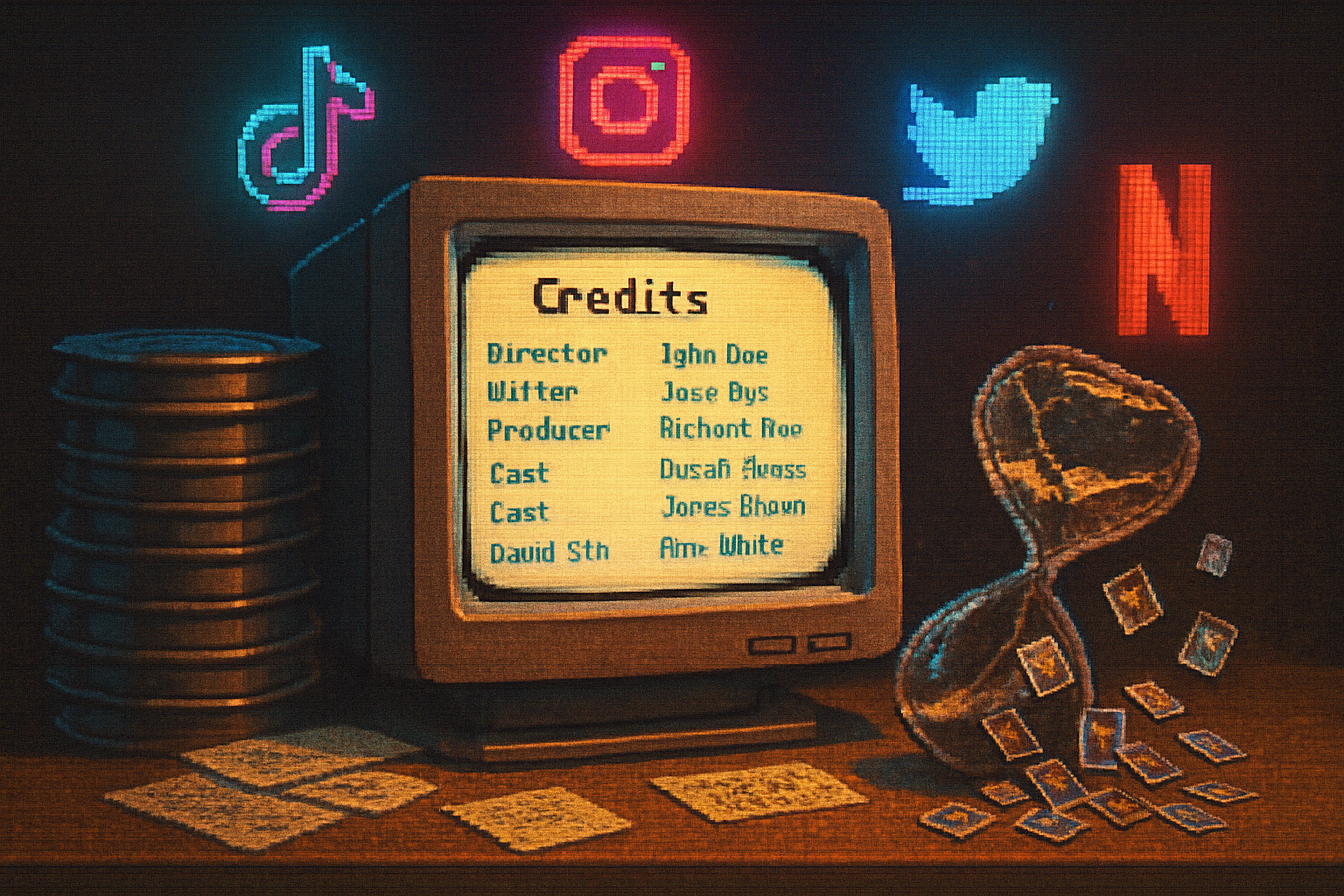
I still remember the first time I used IMDb properly: at 2 a.m., digging through the credits of a movie I’d only half-remembered from late-night cable. There was a thrill in the discovery - the actor’s name, the small production detail, a trivia nugget about a line ad-libbed on set. It felt like finding a hidden footnote in the world’s largest, most grateful notebook.
That notebook was the Internet Movie Database, and for a decade and a half it wasn’t just useful. It was sacred. People didn’t just check IMDb; they worshiped it. Then things changed.
How IMDb became the internet’s film bible
IMDb didn’t arrive fully formed. It grew out of a community. In 1990, movie fans on Usenet began compiling cast lists and production data. That grassroots project evolved into a dedicated website maintained by volunteers and a handful of obsessives, chief among them Col Needham. Over the 1990s IMDb centralized what used to be scattered across fanzines, library card catalogs, and late-night crank calls: credits, release dates, soundtrack listings, and the sparse but intoxicating currency of film trivia. (See a short history on Wikipedia.)
Two features did most of the heavy lifting:
- A comprehensive credits database. Before IMDb, finding who did what on a mid‑tier European arthouse was a scavenger hunt. IMDb made that a three-second lookup.
- The user-driven ratings and reviews. Aggregate scores, user lists, and message boards turned film appreciation into a public contest and a shared language.
In 1998 Amazon acquired IMDb. That deal gave the site resources to scale, plus the faint whiff of commercial legitimacy that often follows corporate parentage. The acquisition mattered less for the soul of the database than for its reach: Amazon could keep it running and increasingly monetize the traffic.
Why IMDb mattered - and why people loved it
Think of IMDb as both an index and a diary. It catalogued the credits that industry databases buried, and it recorded how audiences felt about films in real time. That combination made it:
- A discovery engine - Want to find more movies with a specific supporting actor? IMDb made it trivial.
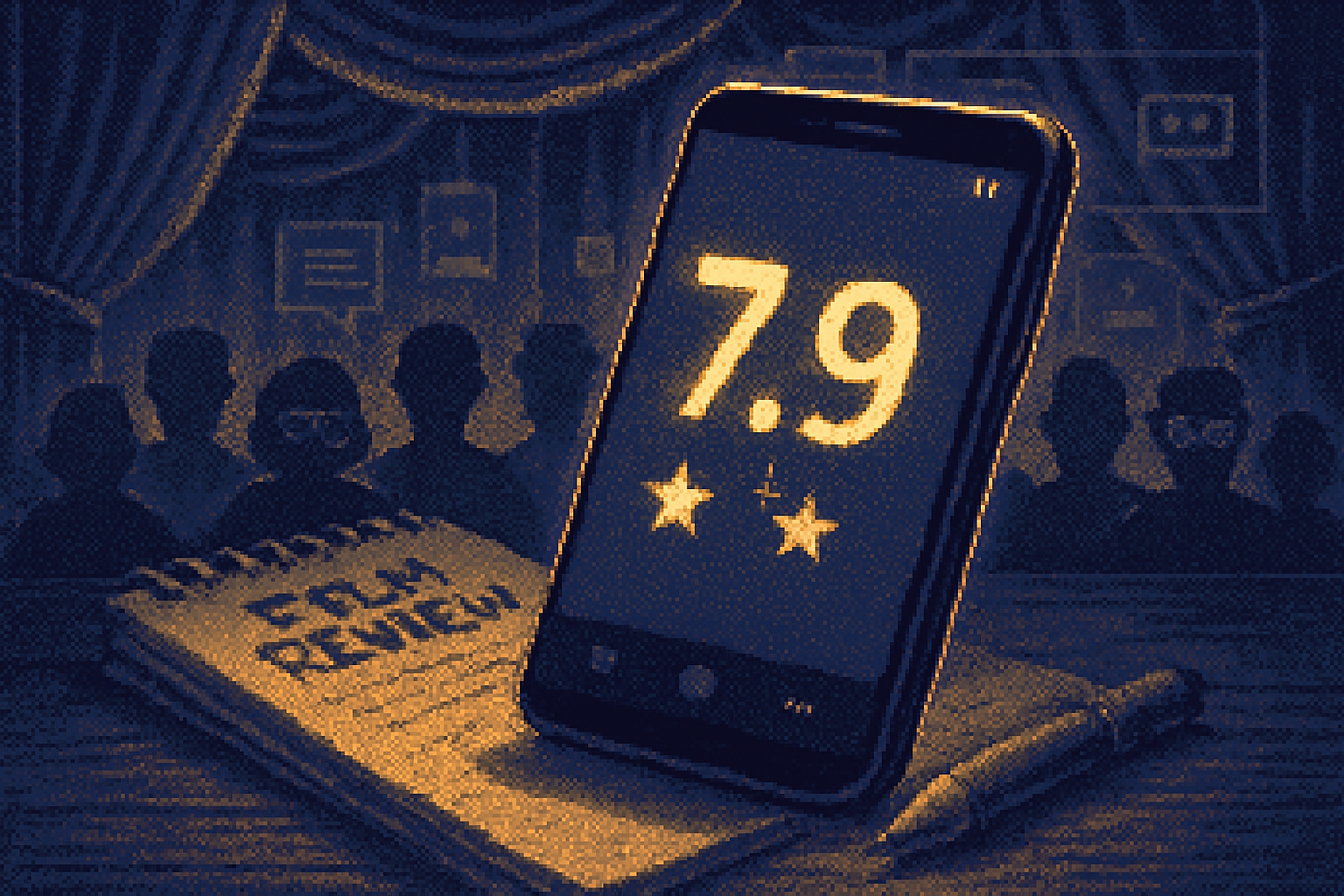
- A social proof machine - The five-star (and later 1–10) user ratings became shorthand for “worth watching.” The Top 250 list had cult status.
- A community hub - Message boards and user lists fostered heated debates, arcane lists, and fannish minutiae.
Its authority felt earned. The data was crowd-sourced but curated; the community self-policed. This is how a semi-official cultural institution is born: not by decree, but by sustained, compulsive attention.
The cracks appear: moderation, manipulation, and inertia
A community-built cathedral depends on two fragile things: moderation and momentum. Moderation costs money and labor - and at scale, it costs a lot. Over time IMDb’s volunteer spirit collided with the realities of profit, platform governance, and bad actors.
A few predictable problems emerged:
- Rating manipulation and brigading. Popular films would be boosted or trolled by coordinated voting.
- Toxicity in forums. The message boards, once convivial, became a battleground of spoilers, harassment, and obsession.
- Commercial pressures. Amazon’s priorities nudged the site toward ad revenue and product integration.
The most symbolic moment was the 2017 shutdown of IMDb’s message boards - the long-standing town square closed with little ceremony. The decision sparked outrage from long-term users who felt the company had cut off the community to chase a straighter, safer bottom line (The Verge covered the shutdown). That was more than a UX change. It was the removal of the place where strangers argued for years, where long threads became oral histories of fandom.
Streaming platforms and social media rewrote discovery
The web in 2000 was a flat world of indexes. The web in 2025 is an algorithmic, platformed jungle. A few factors conspired to push IMDb away from the cultural center:
- Fragmented catalogs. You no longer search for “what to watch” by actor and credit; you search within Netflix, Prime, Disney+, or Peacock. Each service wants you to stay inside its ecosystem.
- Platform-native discovery. TikTok and Instagram put clips and hot takes in front of large audiences. A sixty-second video can send an old movie back into vogue faster than a forum thread can stage a revival.
- Specialist communities. Letterboxd built a new kind of social film diary that prizes taste signaling, curated lists, and short-form social commentary over encyclopedic completeness (Letterboxd has its own Wikipedia page documenting its rise).
In other words: the place where you went to research a film has been replaced by the places where people shout about it.
What IMDb still does well (and why it matters)
This isn’t elegy purely for nostalgia. IMDb remains valuable in ways the new breed of platforms often isn’t:
- Archival depth. Few sites match its breadth of credits, crew listings, and production details. For film scholars, journalists, and industry professionals, IMDb is still a reference.
- Structured data. Amazon and others have used IMDb’s datasets for everything from recommendation models to casting checks.
- Global reach. It still aggregates box office, release dates, and international editions in one place.
But the cultural role - the central watercooler - has dissolved. People don’t form collective canons on IMDb the way they used to. They form them on feeds and playlists.
The lessons: what the rise and fall of IMDb says about digital culture
There are three takeaways here, none of them comfortable for platform builders:
- Attention is portable. Communities live where discovery happens. Make discovery hard, and your forum becomes an archive.
- Infrastructure is not destiny. Being the most complete database doesn’t guarantee cultural primacy. Social affordances (sharing, short-form virality, algorithmic boosts) matter more than completeness for shaping taste.
- Moderation is a public good. When a community space becomes toxic or expensive, platforms unplug it - often without replacing the social functions it performed.
If IMDb’s story teaches anything, it’s that cultural institutions on the web are brittle. They can be hugely influential, and then quietly sidestepped by new interaction patterns.
Where IMDb fits in the future of film fandom
Call IMDb what it largely is now: a magnificent digital time capsule. It’s less the living room conversation and more the archive you visit after the conversation moved on. When you want credit details, production histories, or a once-viral trivia item, it works. It will continue to be used as a backend by other platforms.
But if you want to feel the pulse of film culture - the heat of a new argument, the making of a microtrend - you’ll find it on feeds, in short videos, and on apps built to capture attention in sprints.
The loss isn’t merely technological. It’s social. We traded a noisy, flawed, but fiercely communal space for an ecosystem that surfaces bite-sized enthusiasm and monetizes it. IMDb won the early web because obsessives built it out of love. It lost the cultural center because our attention economy learned to whisper faster and louder than any message board could shout.
And yet: for archivists, obsessive completists, and professional researchers, that old, patient database still matters. Its credits are the bones of cinema’s history. The flesh - the gossip, the fan ephemera, the sustained argument - has moved elsewhere. That combination is exactly what makes IMDb at once indispensable and nostalgically passé.
If you grew up with IMDb’s glow, you know the feeling. It’s less the sadness of an institution gone and more a bemused recognition: the internet keeps changing its rules, and we keep inventing new places to be passionate in.
References
- Internet Movie Database - history and overview: https://en.wikipedia.org/wiki/Internet_Movie_Database
- IMDb message boards shutdown coverage: https://www.theverge.com/2017/2/20/14671140/imdb-message-boards-shut-down-col-needham
- Letterboxd (rise of a social film diary): https://en.wikipedia.org/wiki/Letterboxd
- Rotten Tomatoes (as alternative aggregator): https://en.wikipedia.org/wiki/Rotten_Tomatoes