· retrogaming · 6 min read
Retro Revival: Why the Sega Master System Deserves a Comeback
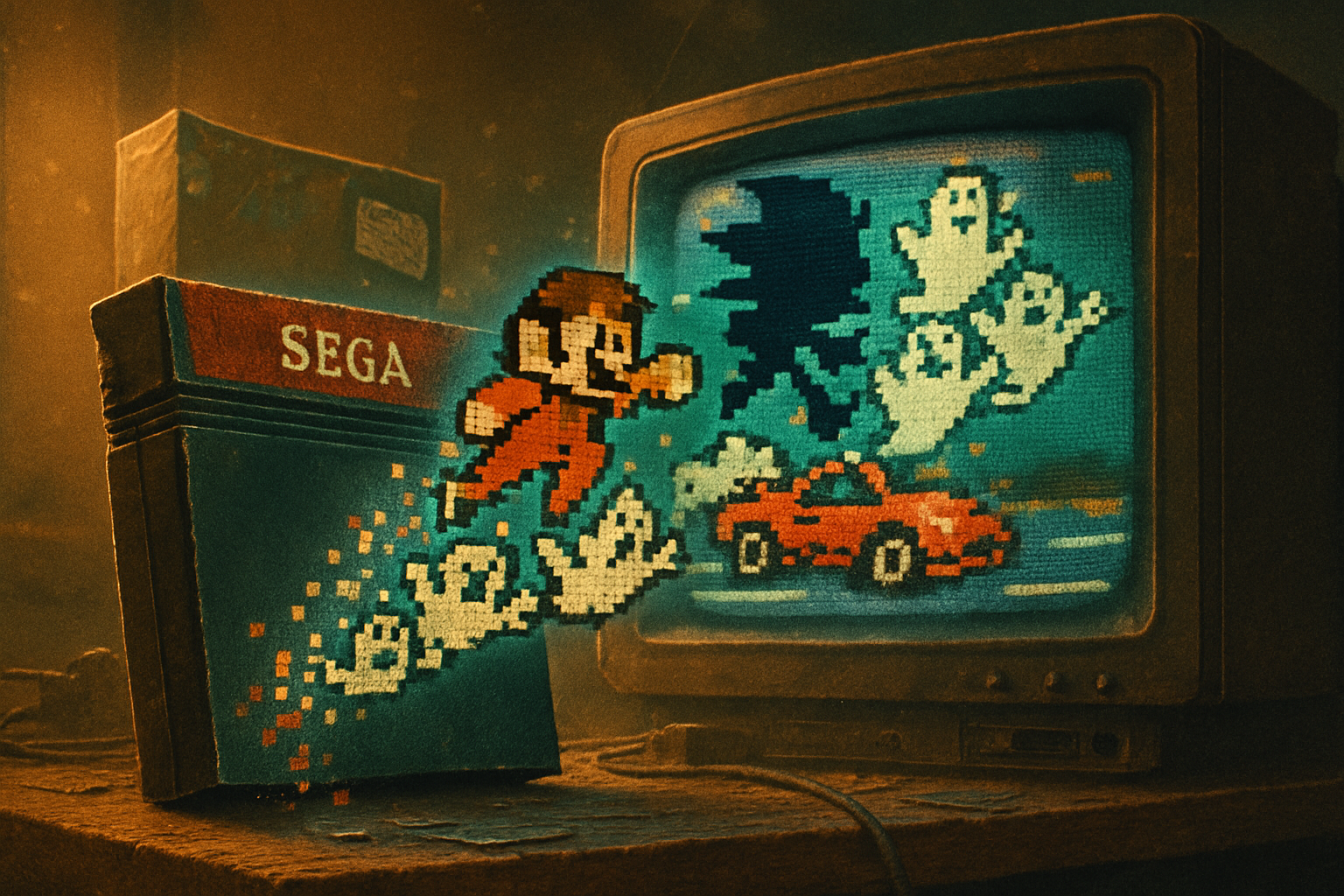
The Sega Master System is an underappreciated treasure trove of ideas waiting to be reimagined. From Alex Kidd’s oddball charm to Phantasy Star’s surprising ambition, well-crafted remakes and sequels could capture nostalgic adults and curious newcomers alike.
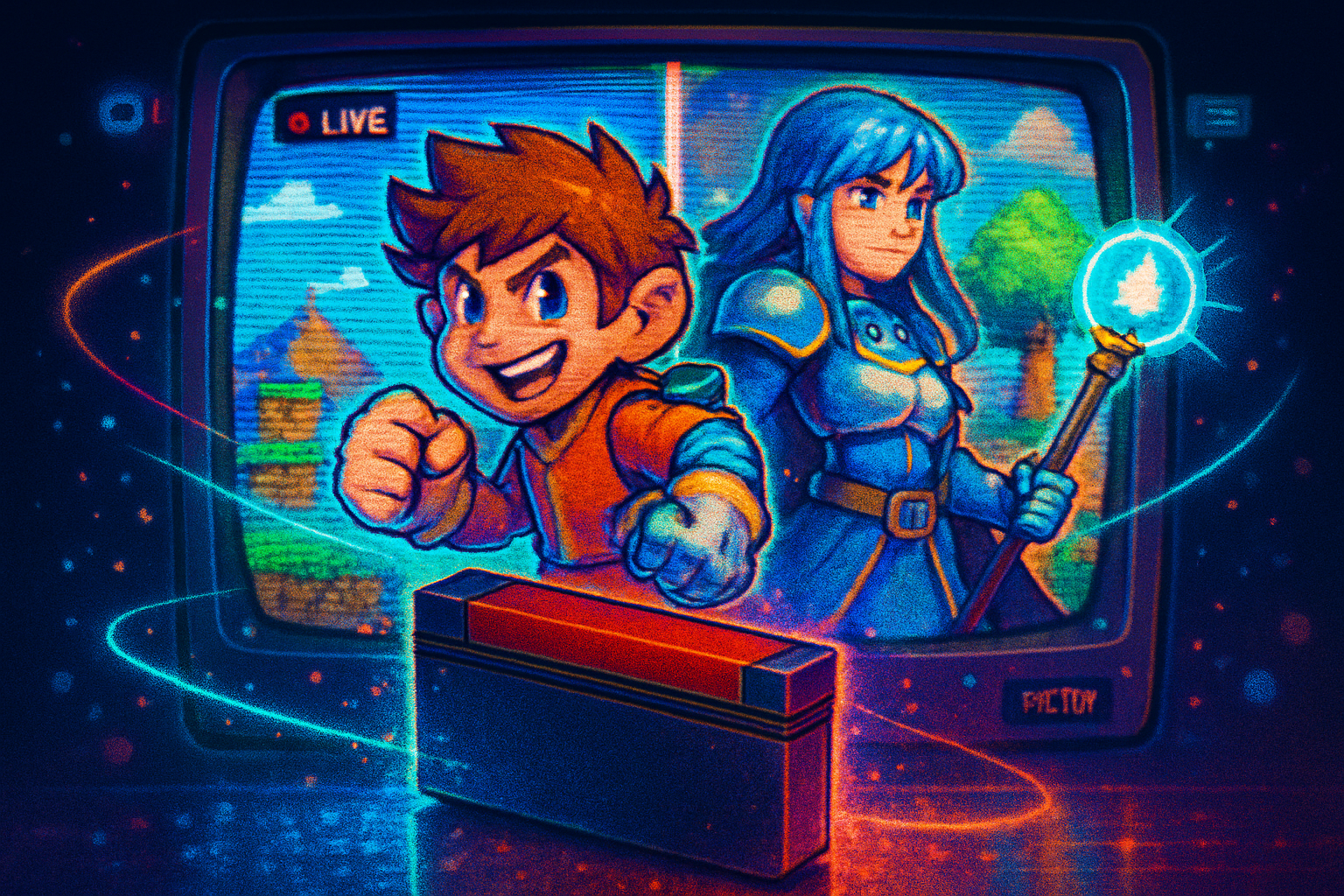
It began with a cramped living room, a flickering CRT, and the sound of a plastic D-pad clicking like a tiny metronome. Somewhere between the corn-flavored cereal and Saturday cartoons I learned a lesson the market keeps forgetting: clever design can outlast cutting-edge hardware.
The Sega Master System (SMS) never won the global console war. It didn’t have Sonic’s lightning-fast PR or the North American heft of Nintendo. But it had imagination - bright, weird, occasionally awkward games that tried things larger 16-bit systems wouldn’t. That eccentric lineup is exactly why the SMS should come back: not as a museum piece, but as a living, modern set of remakes and sequels that respect what made those games sing.
Why the Master System matters (and why you probably ignored it)
- The SMS punched above its weight. Launched in the mid-1980s, it was technically impressive for an 8-bit console and fostered ambitious titles like Phantasy Star and Alex Kidd.Sega Master System - Wikipedia
- It never dominated everywhere, but it dominated somewhere - Brazil. Tec Toy kept the SMS alive for decades there, building a deep, multigenerational affection for the system.
- The result is a library of games that are part prototype and part personality - experiments in RPG structure, platformer design, and oddball character work that feel raw and promising rather than polished and finished.
The appetite is real - and getting younger
Nostalgia isn’t just a dusty collector’s itch. It’s an active economic force. Modern successes have two things in common:
- Indie faith - Small and mid-size teams have shown they can make faithful yet modern retro-styled games that sell.
- Careful revivals work - When done right, reboots can satisfy both fans and new players.
Combine that audience with streaming, YouTube retrospectives, and indie storefronts hungry for recognizable IP, and you have the market conditions for SMS remakes.
Which Master System games should get new life (and why)
- Alex Kidd in Miracle World - The underdog mascot before Sonic. Charming, weird, and mechanically fertile. A remake could keep the slapstick spirit while fixing pacing and control quirks. Alex Kidd - Wikipedia
- Phantasy Star (I) - A landmark JRPG on an 8-bit system. Remake it with modern UI, expanded story beats, and optional classic-mode combat; you’ll draw in fans of retro JRPGs and newcomers who love tactical, story-driven games.Phantasy Star - Wikipedia
- Wonder Boy / Monster World entries - Not all of these were originally Sega-developed, but recent remakes show the format’s potential. The mix of action-platforming and exploration maps brilliantly to today’s metroidvania-hungry market.Wonder Boy remake success - Wikipedia
- OutRun / Space Harrier-style arcade ports - These could be reborn as modern arcade racers/shooters with online leaderboards, daily challenges, and stylized visuals.
If you want a hit, start with one that has both recognition and room to expand: Alex Kidd for platformers, Phantasy Star for RPGs, and a Wonder Boy-style project for metroidvania fans.
How to remake a Master System game without murdering its soul
Remakes fail for two reasons: they either fetishize the original’s flaws, or they neuter the thing that made it special. Here’s a pragmatic rulebook:
- Preserve the mechanical kernel. If the original’s jump physics or combat rhythm is iconic, offer it as a “classic” option. Provide a modern alternative, but don’t pretend the original never existed.
- Upgrade ergonomics, not identity. Fix input lag, save systems, and cruel level checkpoints - the modern equivalents of medical triage.
- Expand where it helps. Add side quests, quality-of-life menus, and optional expanded lore. Don’t add baffling multiplayer modes just to check a box.
- Modern presentation, optional retro filters. Beautifully reorchestrated music; hand-drawn or 3D art that channels the original palette; and a toggle for CRT and 8-bit visuals for purists.
- Local roots matter. If a game had an outsized footprint in Brazil, Latin America, or Europe, do the localizations and marketing. Don’t treat those markets as afterthoughts.
The business case: It’s cheaper and less risky than you think
- 2D remakes and sequels are far cheaper than a big 3D AAA retooling. The indie ecosystem offers skilled teams used to modest budgets.
- IP licensing is the hard part, but Sega already sells compilations and mini-consoles. Partnering with boutique studios (or internally greenlighting smaller projects) reduces risk and multiplies creative angles.
- There’s built-in PR oxygen - the press loves a good revival, streamers love recognizable IP, and collectors love limited physical editions.
Examples that prove the model: When outside teams handled beloved properties respectfully, the audience rewarded them. Look to Streets of Rage 4 for a modern sequel that captured legacy fans.Streets of Rage 4 - Wikipedia
Pitfalls and who would cry if it goes wrong
- Mendacious nostalgia - Don’t sell a “nostalgia tax” - overpriced re-releases with zero new work. Gamers can smell cynical cash-grabs.
- Rights tangles - Some SMS-era titles have split ownership or murky developer histories. Clearing that legal fog will take time and patience.
- Over-modernization - Strip too much of the original character and you end up with a perfectly competent game with no soul.
A practical roadmap for Sega (or whoever gets the keys)
- Pick two pilot projects - one platformer (Alex Kidd) and one RPG (Phantasy Star).
- Partner with proven boutique studios that love retro design - studios that have already demonstrated reverence and craft.
- Announce early, but release later. Let hype build around thoughtful reveal trailers that show both original footage and the remake’s improvements.
- Offer a collector’s edition (physical cartridge-style box), a digital deluxe with artbook and soundtrack, and a budget classic-mode bundle.
- Make Brazil and Europe first-class markets in the rollout plan. The Master System’s afterlife there is a market advantage, not a footnote.Tec Toy impact - Wikipedia
Conclusion: This isn’t nostalgia wrapped in cellophane - it’s missed opportunity
The Master System library reads like a sketchbook from an era when developers were trying things and sometimes landing greatness by accident. Those accidents have value. They’re design seeds that, with careful pruning, can grow into games that please both the person who remembers every pixel and the stranger watching a stream on their phone.
Sega can do this without extravagant expense. Give those games a modern coat of paint, a sensible UX, and a team that understands the original’s eccentricities. Do that, and you don’t just sell a product - you restore a lineage. You show that good ideas outlast hardware, and that charm - unlike marketing slogans and management memos - actually ages well.
Sega: stop pretending that the only things in your attic worth dusting off are Genesis titles. There’s gold in the Master System’s attic. Pull it out, polish it, and stop treating nostalgia like a cheaper replacement for creativity.
[Further reading: Sega Master System (history) and notable titles referenced above.]