· retrogaming · 6 min read
Top 10 Most Controversial Sega Master System Games
A countdown of the Sega Master System titles that divided players - from ugly ports and baffling localizations to mascot wars and licensing lunacies - and what those arguments tell us about gaming culture in the 1980s and early 1990s.
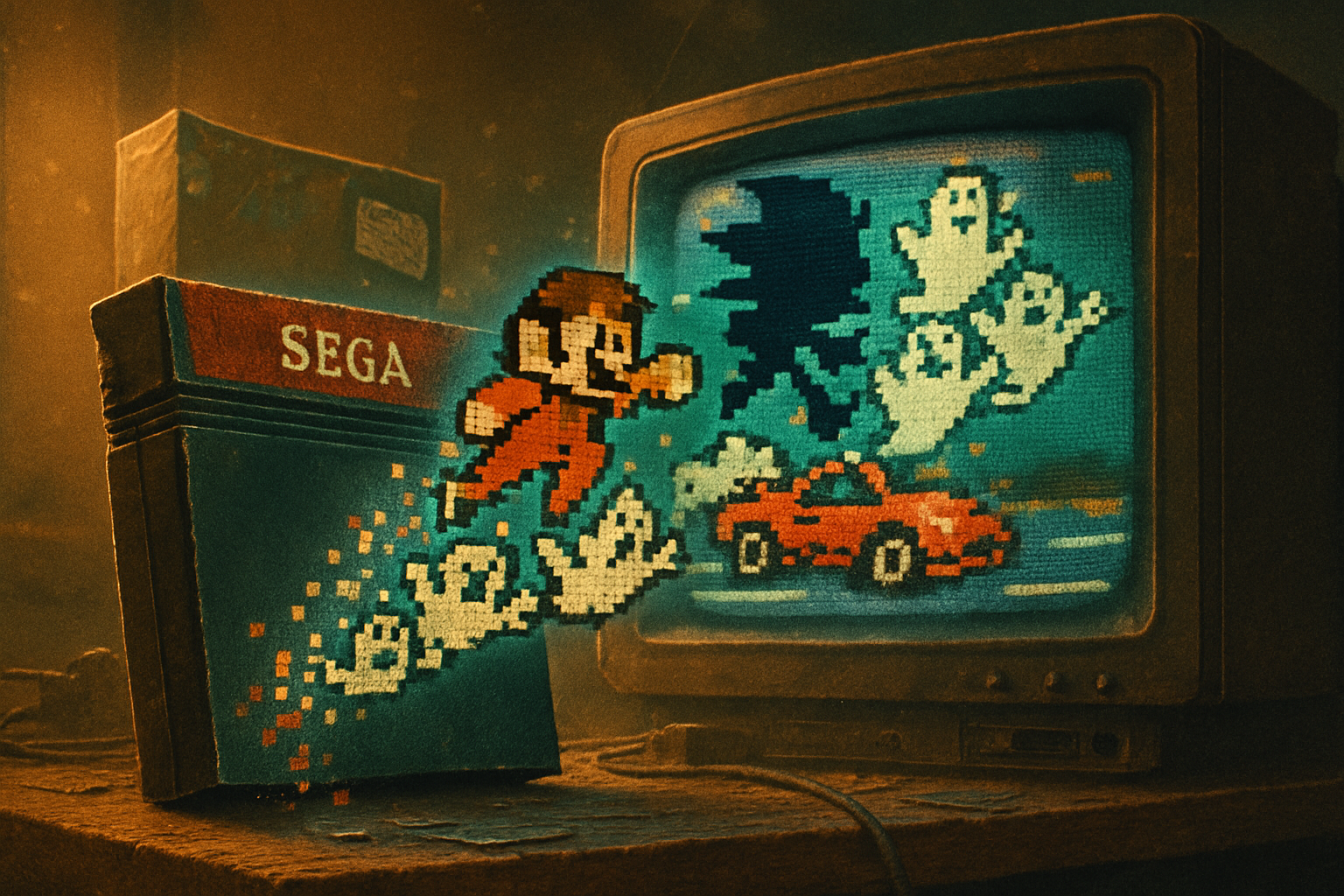
I still remember the first time I saw Sonic on a tiny, grainy CRT that was definitely not a Genesis. My cousin swore it was the same game; I swore profanely. That argument - equal parts nostalgia, misplaced expectation and marketing trickery - could animate this whole list.
The Master System never had the marketing muscle of the Mega Drive/Genesis, but it had stubborn personalities: oddball localizations, miserable ports, mascot drama and a handful of licensed tie-ins that seemed designed to offend tastebuds. Some of these controversies are moral; some are aesthetic; most are petty, loud and delicious to argue about. Here’s a countdown of the ten Master System titles that caused the biggest ruckuses among players and critics, and what those rows reveal about the era.
10) The Lucky Dime Caper Starring Donald Duck
- Why people argue - A beloved Disney license that some players call underappreciated and others call overhyped. A rare example of a legitimately good Master System platformer that nonetheless becomes a lightning rod - largely because Disney-licensed games were expected to be either cash-ins or treasures, and this one sits awkwardly between.
- The controversy - Fan debates over difficulty, whether Disney’s image sanitizes challenge, and how licensing expectations shape judgment.
- Why it matters - Licensing shaped whether players forgave rough edges. When a popular IP appears, standards change overnight.
Reference: https://en.wikipedia.org/wiki/The_Lucky_Dime_Caper_Starring_Donald_Duck
9) Out Run (Master System)
- Why people argue - The arcade spirit of “Out Run” clashed with the Master System’s technical limits. Some players praise its ambition; others condemn it as anemic and misleading advertising fodder.
- The controversy - Heavy expectations vs. 8‑bit reality. The Master System version simplified tracks and took audio/visual hits - a betrayal to some, a respectable compromise to others.
- Why it matters - This is the classic porting debate: fidelity vs. recreation.
Reference: https://en.wikipedia.org/wiki/Out_Run
8) Double Dragon (Master System)
- Why people argue - A marquee beat ’em up reduced to awkward controls and muddled visuals felt like sacrilege for fans of the arcade original.
- The controversy - Poor port quality made the game a cautionary tale about licensed arcade conversions on weaker hardware.
- Why it matters - It shows how technical constraints and sloppy development practices can turn a popular franchise into a punchline.
Reference: https://en.wikipedia.org/wiki/Double_Dragon_(Master_System)
7) Altered Beast
- Why people argue - This was one of Sega’s early attempts to tie its arcade identity to home consoles. The title’s mystique clashed with home expectations - and the home versions often felt hollow.
- The controversy - From baffling box art to underwhelming home ports, “Altered Beast” became not just a game but a cultural meme (and a whipping post for 8‑bit conversions).
- Why it matters - The game’s reception shows how marketing imagery and arcade prestige could injure player trust when home versions didn’t deliver.
Reference: https://en.wikipedia.org/wiki/Altered_Beast
6) Phantasy Star
- Why people argue - One of the earliest console RPGs that demanded time, patience and a tolerance for weird pacing. Some players hail it as visionary; others call it slow, cryptic and frustratingly dated.
- The controversy - Debates about difficulty, blocky storytelling, and whether early console RPGs should be judged by modern standards.
- Why it matters - Phantasy Star’s arguments foreshadow long-running debates about accessibility versus challenge in RPG design.
Reference: https://en.wikipedia.org/wiki/Phantasy_Star
5) Wonder Boy in Monster Land
- Why people argue - The Wonder Boy franchise’s name became a hot mess of legal and creative forks - arcade originals, reworks, and licensed clones - and the Master System entries sat at that messy intersection.
- The controversy - Confusion over branding and ownership: was it a direct sequel, a re-skin, or an entirely different monster hiding under the same name?
- Why it matters - This is about IP and brand trust. When names become inconsistent across regions and platforms, players get suspicious - and hurt feelings ensue.
Reference: https://en.wikipedia.org/wiki/Wonder_Boy_in_Monster_Land
4) Alex Kidd in Miracle World
- Why people argue - Alex Kidd is often invoked as Sega’s pre‑Sonic mascot and the platformer many remember fondly. But Alex also inspires fierce debate: charming and quirky or poorly designed and unfair?
- The controversy - Fans split between nostalgia (the game felt homegrown and Sega’s underdog attempt) and modern critique (punishing design, clunky physics). The deeper quarrel: should Alex Kidd have remained the face of Sega instead of Sonic?
- Why it matters - Mascot choices are cultural decisions. They reveal what companies - and communities - value: polish and edge, or personality and whimsy.
Reference: https://en.wikipedia.org/wiki/Alex_Kidd_in_Miracle_World
3) R-Type (Master System)
- Why people argue - R-Type’s unforgiving difficulty was part of its identity, but on Master System the challenge sometimes felt less like deliberate design and more like technical cruelty.
- The controversy - Hardcore fans loved the challenge; casual players found the learning curve poisonous. Port compromises made an already brutal game harder to love.
- Why it matters - Difficulty as identity - and how ports can unintentionally weaponize it.
Reference: https://en.wikipedia.org/wiki/R-Type
2) Sonic the Hedgehog (8‑bit Master System/Game Gear)
- Why people argue - Here’s where marketing and expectation warred with technical reality. Sega sold a Sonic experience across systems that were not the Mega Drive. The 8‑bit Sonic games were often different - not just downgraded versions, but entirely separate designs.
- The controversy - Consumers who assumed “Sonic” meant the same game on every box were furious. Others defended the 8‑bit titles as distinct, clever reinterpretations of the character.
- Why it matters - This controversy presaged modern complaints about cross‑platform parity and the dangers of using a brand name as a catch‑all promise.
Reference: https://en.wikipedia.org/wiki/Sonic_the_Hedgehog_(8-bit)
1) Ghostbusters (Master System and cousins)
- Why people argue - Licensed tie‑ins are the boiling point of consumer expectation. The various Ghostbusters games across 8‑bit systems - each different - became shorthand for everything that could go wrong when marketing, licensing and cheap ports collide.
- The controversy - The franchise’s popularity meant every mediocre adaptation was a scandal. Different teams made wildly different games under the same franchise banner, leading to furious debates about which version (if any) deserved the name.
- Why it matters - This is the archetypal example of license fatigue - an IP so hot that anyone with a contract can turn it into a product that disgraces the brand.
Reference: https://en.wikipedia.org/wiki/Ghostbusters_(video_game)
What these fights tell us about the era (and ourselves)
The controversies above are not just about pixels and sound chips. They are cultural artifacts. Read them historically and you see:
- Expectations are everything. When an arcade hit comes home, two promises exist in tension - you will get the same thrill, and you will tolerate a new interpretation. Fans pick one and crucify the other.
- Brands became shorthand. A name on a box promised identity. When developers treated that name like a marketing sticker, players felt betrayed.
- Technical limits forced creative choices - and those choices reveal the values of creators and publishers. Some prioritized speed and visibility (advertising), others prioritized fidelity (faithful ports), and most hedged bets in ways that angered someone.
- Nostalgia isn’t objective. Many “controversial” games persist in argument because memory is selective - one player’s masterpiece is another’s bad deal.
These rows are charming because they’re petty. They are tragic because some great work was buried under bad ports. They are instructive because they show how entertainment commerce shapes culture as much as artistry.
If you want to start a proper retro fight, pick a title from this list, get a group of friends, and remind them gently that their childhood is wrong. Then pass them the controller.
(For further reading on particular games and ports, check each title’s entry on Wikipedia; the pages linked above provide release details and reception commentary.)