· retrotech · 5 min read
Pixelated Memories: How Early Adobe Illustrator Made Graphic Design More Accessible
A retrospective on how the early Windows editions of Adobe Illustrator - imperfect, pixel-heavy, but powerful - opened vector design to amateur artists and small businesses and changed the industry's economics and culture.
The flyer that wouldn’t quit
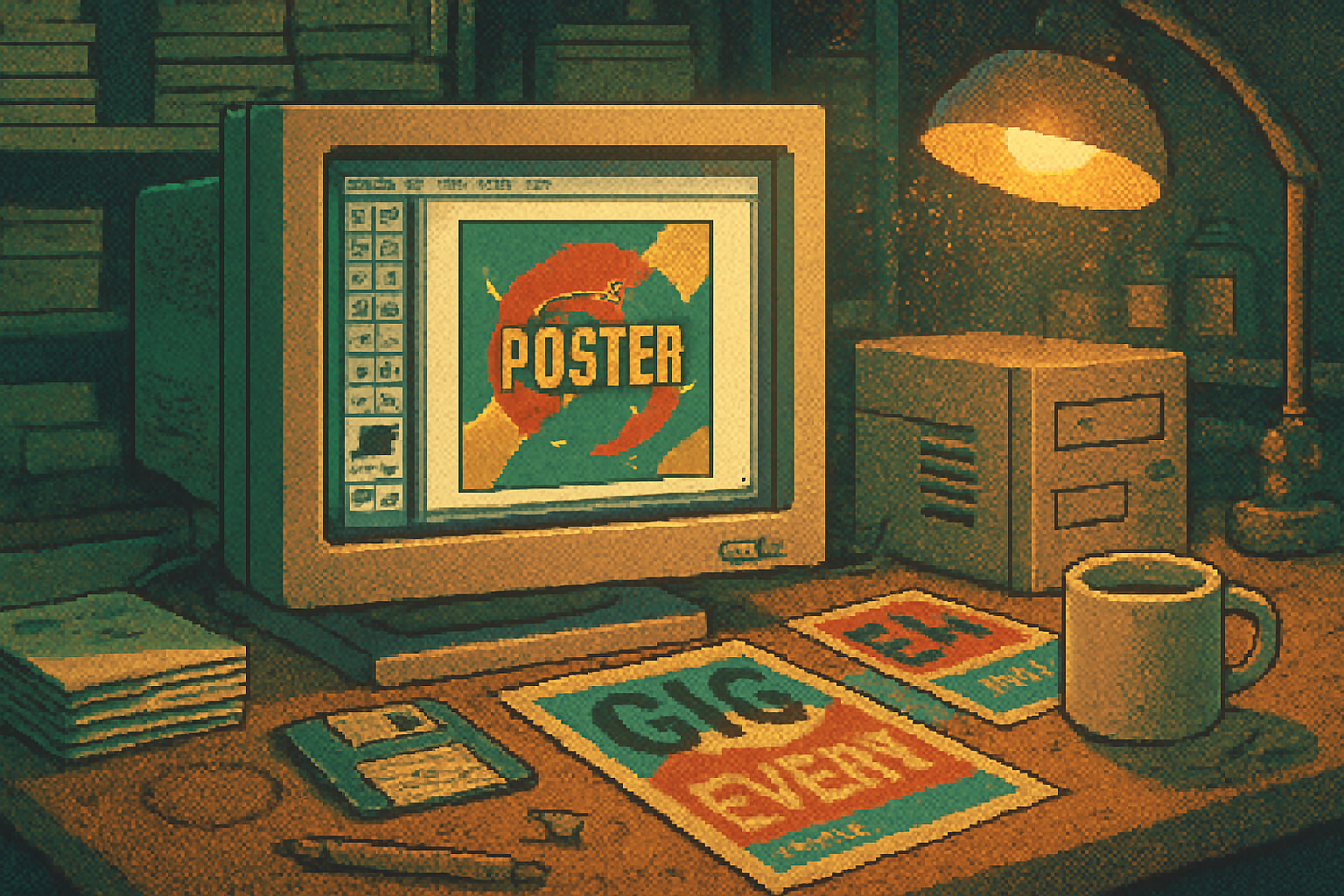
A 1990s print shop owner I knew kept one relic: a creased flyer taped to a rolling cabinet. It was for a backyard punk show - badly kerned, proudly amateur, and printed in jewel-bright spot color. The person who designed it wasn’t an art director; she was a bartender who’d bought a PC and, with a measure of stubbornness and too many late nights, taught herself to draw with anchor points.
That flyer mattered because it could be scaled to a poster without turning into mush. It printed clean on the shop’s laser printer. It looked like something that had cost more than it actually had. That was one small victory of early Windows editions of Adobe Illustrator: they turned vector tools from an arcane Mac-only luxury into something that ordinary people could get under their fingers.
Why vectors felt like magic
If you learned Photoshop first, imagine being told that your illustration would never lose crispness, no matter how large you printed it. That’s the core charm of vector graphics. A raster image is sand - fine and responsive, but it crumbles at scale. Vector art is LEGO - discrete, scalable, and forgiving.
Illustrator’s core ideas - Bézier curves, paths, fills, strokes, precise typography - let designers think in shapes and relationships rather than pixels. For businesses that needed logos, signage, or repeatable art, that was a revolution.
(For a technical refresher, see the Illustrator overview on Wikipedia.)
- Adobe Illustrator: https://en.wikipedia.org/wiki/Adobe_Illustrator
The Windows gap: why edition availability mattered
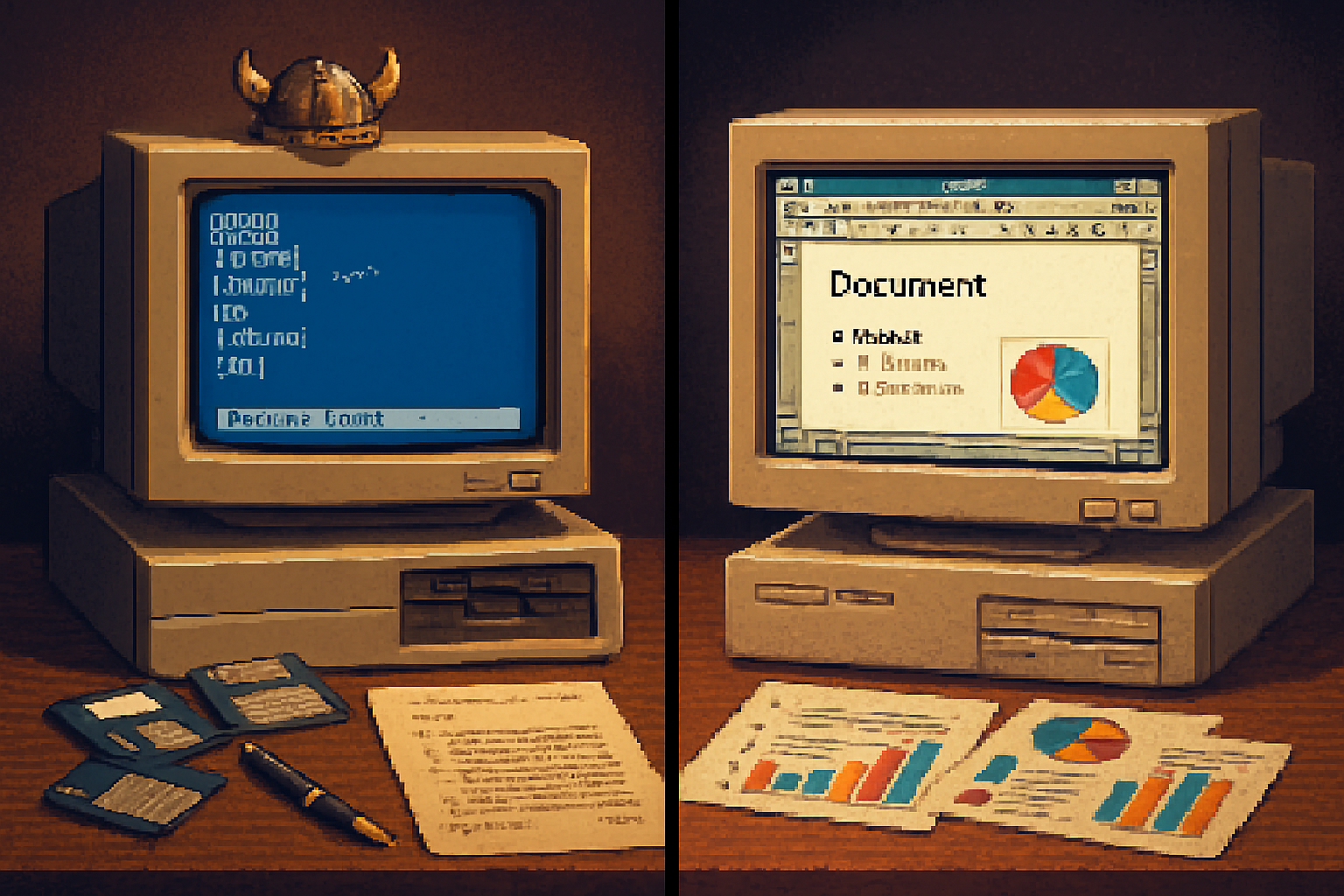
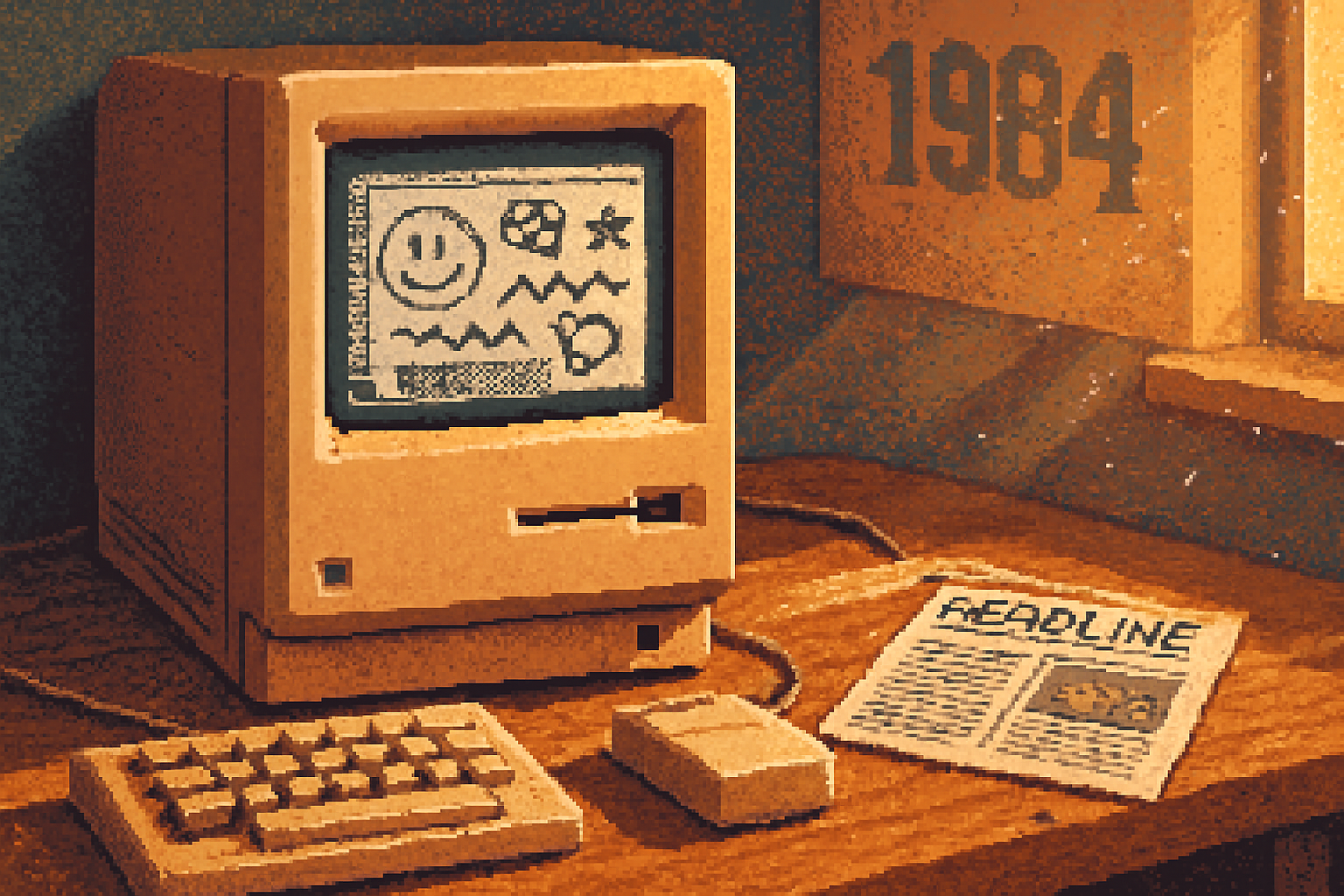
In the late 1980s and early 1990s the creative software world was a bifurcated one. Macs were the haute couture of design: excellent typography and well-supported graphics apps, but expensive. Windows PCs were increasingly ubiquitous in offices, schools, and homes because they were cheaper and more flexible.
When Adobe began shipping Illustrator for Windows in the early 1990s, the landscape subtly shifted. A cheaper, widely available hardware platform meant more people could install vector tools. Small businesses that couldn’t justify a Mac workstation now had a path to professional-looking artwork. The result: a shallow but broad democratization.
(For context on desktop publishing’s platform rivalry, see: https://en.wikipedia.org/wiki/Desktop_publishing)
Practical ways Windows Illustrator lowered the barrier
- Lower hardware cost - The economics were simple. PCs cost less than Macs for comparable specs, so a neighborhood bakery or a solo printer could afford software that previously required a specialized workstation.
- Software reach - Bundles, OEM deals, and growing Windows familiarity meant more people encountered Illustrator or CorelDRAW alternatives in magazines, computer shops, or community-college courses. CorelDRAW itself had strong Windows pedigree, increasing pressure on the market:
- Output compatibility - Illustrator’s PostScript roots made it a natural fit for laser printers and imagesetters used by small print shops. Designers could create vector files that printed reliably, with predictable curves and crisp text. (See PostScript history:
- Learning resources - A boom in how-to articles, low-cost books, and user groups turned self-teaching from an ordeal into a weekend project. Early adopters shared templates and clip art; suddenly a non-designer could produce business cards, menus, and posters that looked intentional.
What it actually changed - concrete stories
- The solo entrepreneur - A hairdresser or cafe owner could design a logo, print stickers, and make a banner without hiring an agency. That saved money and created a culture of DIY branding.
- The local print shop - They gained customers who came with files instead of sketches. That increased throughput and allowed smaller shops to compete with regional firms.
- The hobbyist illustrator - People’s zines and gig posters became more sophisticated. Vector tools meant cleaner line work and reproducible merch. The underground aesthetic matured without losing its scruffy soul.
The trade-offs (because nothing is free)
The early Windows editions were imperfect - often deliberately so.
- Feature parity lagged - The Mac version historically received new features earlier. Windows ports were sometimes buggy or trimmed.
- Performance and font handling - Early Windows font rendering and system drivers weren’t as mature as Mac typography, causing headaches for type-sensitive projects.
- Learning curve - Vectors are conceptually different from drawing on paper. The pen tool is elegant and unforgiving. Plenty of users gave up, and some stuck to clip art instead.
In short: democratization without polish. Broad adoption, but not always beautiful work.
Cultural consequences: more design, less gatekeeping
Design entered the commons. That meant two things happened simultaneously:
- The visual environment got better in many small ways - clearer menus, better flyers, sharper logos for mom-and-pop shops.
- The market diluted. With a lower price of entry came more work that looked, frankly, mediocre. The aesthetic pendulum swung between thrift and taste.
Both outcomes are important. The first widened access to visual literacy; the second forced professionals to specialize, explain their value, and raise the bar.
Lessons for today’s tools
What happened with early Windows Illustrator mirrors the modern path from gatekept tools to mass-market creative platforms.
- Accessibility multiplies creativity - When software reaches more hands, new forms and genres appear - sometimes messy, often original.
- Cheap tools shift value to context - As basic execution becomes easy, knowledge about strategy, storytelling, and iteration becomes the scarce commodity.
- Iteration beats perfection - The proliferation of imperfect work accelerates visual experimentation. Some of it is banal; some of it teaches a generation how to think visually.
If you want a contemporary analog, look at how web apps and templates made branding conceivable for anyone - and how that reshaped agencies’ businesses.
Legacy: not just nostalgic pixels
The humble outcome of those early Windows editions wasn’t merely a bigger market for vector editors. It was a mindset: design tools should be reachable, learnable, and useful to people who aren’t corporate clients or graduates of fancy art schools.
From that vantage, the story is simple and unsentimental. The software didn’t polish everyone into an expert. It did something arguably more important: it put tools in people’s hands and made visual communication an everyday skill rather than an elite service.
And that bartender? Years later she ran a small design consultancy, grumpy about bad kerning and generous with free advice. Her old flyer still lives under glass in the shop. It is, like many democratized artifacts, imperfect and stubbornly proud.
References
- Adobe Illustrator - Wikipedia: https://en.wikipedia.org/wiki/Adobe_Illustrator
- CorelDRAW - Wikipedia: https://en.wikipedia.org/wiki/CorelDRAW
- Desktop publishing - Wikipedia: https://en.wikipedia.org/wiki/Desktop_publishing
- PostScript - Wikipedia: https://en.wikipedia.org/wiki/PostScript