· retrogaming · 6 min read
The Legal Grey Area of Emulating Sega Dreamcast Games
Dreamcast emulation sits at the crossroads of nostalgia, preservation, and copyright law. This piece explains what’s legal, what’s risky, how court precedents matter, and practical ways players and preservationists can act without burning bridges - or getting sued.
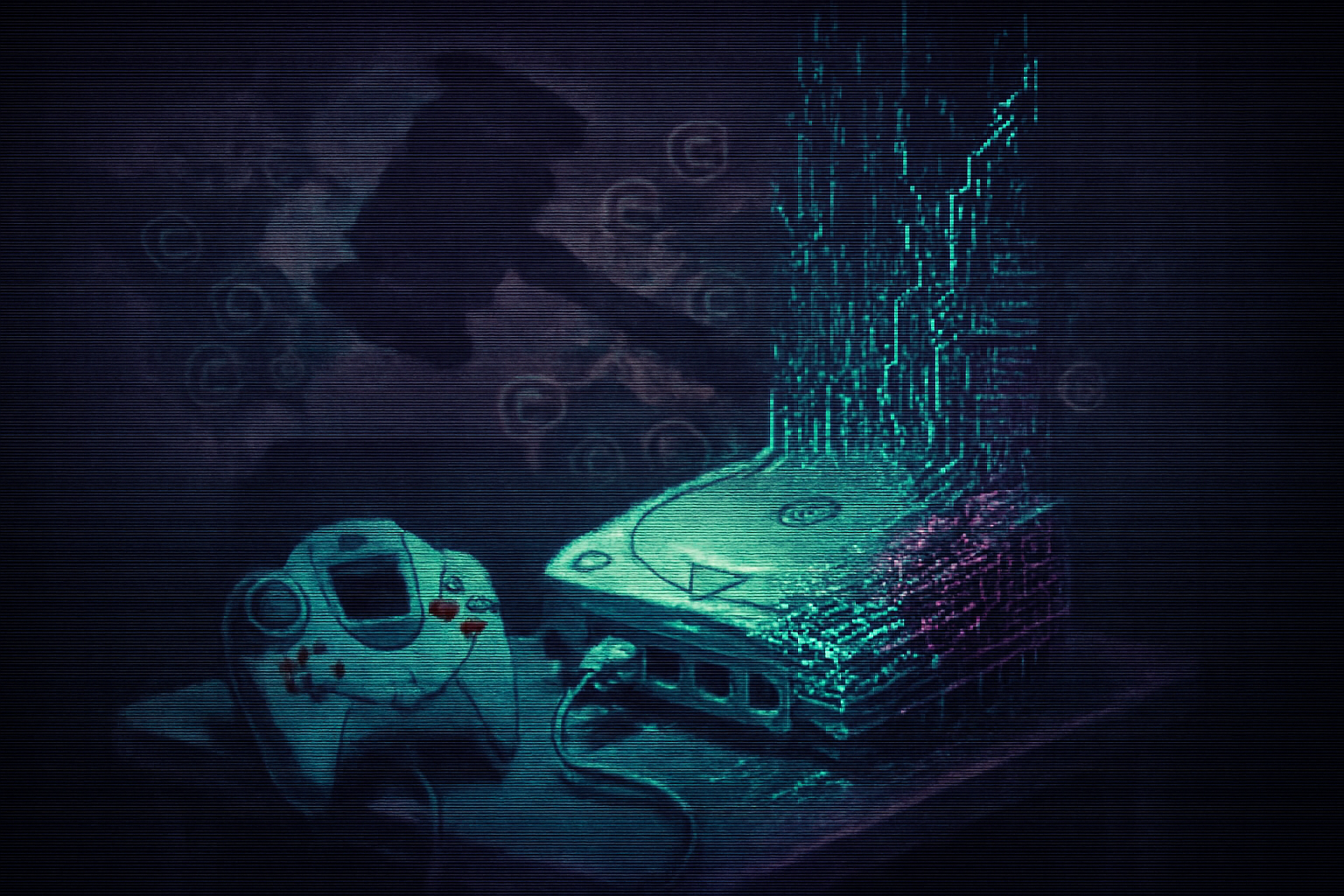
A friend once told me they pulled a battered Dreamcast from a closet, popped in a copy of Shenmue, and felt like a time traveler. Two minutes later their PC was running Reicast with a downloaded ROM and everything felt illicit and inevitable. That mixture - reverence for a game and the convenience of an emulator - is the precise tension that makes Dreamcast emulation legally interesting and ethically thorny.
Why everyone treats the Dreamcast like forbidden fruit
The Dreamcast, released in 1998, sits in a peculiar cultural place: it’s beloved, under-supported by modern storefronts, and technically distinctive (GD-ROMs, MIL-CD features, a custom BIOS). That scarcity of legal, easy access to games collides with the fact that emulation makes them playable on modern hardware.
To frame the rest: emulators themselves are generally legal; distributing copyrighted BIOS and game files (ROMs, ISOs) usually isn’t. The friction arrives when you’ve got to decide how to play your copies without tripping legal landmines.
The basics: what emulation involves (and why Dreamcast is fiddly)
- Emulation = software that mimics the hardware and firmware of a console so games run on different hardware.
- Key pieces for Dreamcast emulation:
- The emulator core (legal when independently developed).
- The BIOS - proprietary firmware that many games expect; distributing original BIOS is generally infringement.
- Game images (GD-ROM dumps / ISOs) - copyrighted content unless you have rights or permission.
- Some emulators use high-level emulation (HLE) to recreate BIOS behavior without distributing Sega’s firmware; others require the original BIOS to run games accurately.
The legal landscape (read: dry but necessary)
Short version:
- Writing an emulator can be legal.
- Copying and distributing BIOS and commercial game files without permission is usually illegal.
- Laws differ by country; the DMCA adds a layer of anti-circumvention risk in the U.S.
Longer version with precedent and authorities:
- Courts have sometimes protected reverse engineering for compatibility. Notable U.S. cases include Sega v. Accolade and Sony v. Connectix, where the Ninth Circuit recognized that intermediate copying or reverse engineering to achieve interoperability can be fair use under certain conditions. See the decisions:
- Sega v. Accolade: https://law.justia.com/cases/federal/appellate-courts/F2/977/1510/ (1992)
- Sony v. Connectix (Virtual Game Station): https://law.justia.com/cases/federal/appellate-courts/F3/203/596/ (2000)
- However, the DMCA (1998) criminalizes circumventing technological protection measures and trafficking in tools that do so, which complicates matters even when reverse engineering would otherwise be defensible: https://www.copyright.gov/legislation/dmca.pdf
- The Electronic Frontier Foundation (EFF) provides a good lay summary of emulation-related issues and the public policy stakes: https://www.eff.org/issues/emulation
- The Library of Congress periodically issues exemptions under the DMCA that affect preservation and research uses of video games; these narrow carve-outs can matter for archivists: https://www.copyright.gov/1201/
Taken together: case law gives emulator authors some breathing room when they reimplement hardware through clean-room methods, but distributing original firmware/game files and using circumvention tools is still risky under the DMCA.
Common misunderstandings (and the polite clarifications)
- “Emulators are illegal.” Not by default. Clean-room emulators built from scratch are lawful software.
- “If I own the disc, I can download the ROM.” Not necessarily. Ownership of a disc doesn’t automatically permit downloading a third-party copy of that disc from the internet. Copying your own disc might be legally defensible in some jurisdictions, but circumventing DRM to make that copy can violate anti-circumvention laws.
- “Abandonware is a safe harbor.” It isn’t. ‘Abandonware’ is a community label, not a legal status. Copyright remains unless the owner explicitly releases it.
Ethical questions - beyond the statute books
Law is one axis. Ethics is another.
- Preservation vs. Profit - Many Dreamcast titles are functionally unavailable. Emulation can preserve cultural artifacts and let new players discover them. But developers (small studios, or their heirs) may still rely on licensing revenue when re-releases happen.
- Accessibility - Fans with special needs or without original hardware often rely on emulation to experience games. That feels ethically defensible to many people.
- Respect for creators - Downloading and sharing ROMs en masse devalues the labor behind games and can harm smaller rights-holders.
A reasonable ethical stance: preserve, play, and share in ways that prioritize creators and rights-holders when possible - but recognize preservation and scholarship as morally important too.
Consequences - who gets hurt and how
- Developers and rights holders:
- Lost revenue from unauthorized copying, especially as marketplaces revive retro titles.
- Potential loss of control over their IP, branding, and the way their games are experienced.
- Emulator developers:
- Rarely sued for simply releasing emulators built from clean-room code, but they can receive takedown notices or see their projects targeted if firmware/ROMs are bundled.
- Risk of DMCA anti-circumvention claims if their tools enable breaking protections.
- Fans and preservationists:
- Downloading ROMs from sketchy sites risks malware and privacy leaks.
- Running emulators with distributed BIOS/ROMs can trigger cease-and-desist actions or takedowns.
Practical guidance: how to emulate the Dreamcast without being reckless
If you’re someone who loves games and has a smidgen of respect for the law, here are practical, low-risk options:
- Look for official re-releases first
- Sega has rereleased various Dreamcast-era titles on modern platforms; support those when available.
- Use emulators that don’t require proprietary firmware (HLE) or let you plug in your legally obtained BIOS
- HLE implementations avoid distributing Sega BIOS files.
- If you own physical discs and want a disc image, dump your own copy rather than downloading one
- Note - even this can be legally complicated if you must circumvent protection to create the dump. Check local law and consider expert advice.
- Avoid downloading ROMs/ISOs from unofficial sources
- These are almost always copyrighted and distributed illegally - and the sites often host malware.
- Support preservation projects that operate within legal frameworks
- Libraries, museums, and academic projects sometimes get DMCA exemptions for archival purposes (see Library of Congress DMCA exemptions): https://www.copyright.gov/1201/
- Consider homebrew and open-source ports
- Some classic games have community-made ports or remasters released under permissive terms.
- When in doubt, ask or wait
- If a title becomes officially available, buy it. If not, weigh ethical considerations carefully. This is especially important for small indie teams whose work could actually be harmed.
How developers and preservationists can reduce friction
- Rights-holders should favor stewardship - release legacy titles on modern storefronts, or offer licensed ROMs/ISOs and firmware where feasible.
- Developers and archivists should build relationships with rights-holders to secure clean, legal preservation copies.
- The community should support DMCA exemptions that protect legitimate archival activity and scholarship.
Final, unsubtle advice
If you want to play a Dreamcast game and the only practical option is a downloaded ROM, accept that you’re in a legally risky place. If you care about the long-term survival of these games - and about the people who made them - push for legal re-releases, support preservation efforts, and prioritize clean-room emulators and legally obtained firmware when possible.
The Dreamcast lives in many people’s memories. Emulation can keep those memories playable, but the easiest path is rarely the most defensible. If you’re trying to reconcile nostalgia with ethics, treat the games like heirlooms: preserve them, don’t vandalize them, and respect the living people who still own the rights.
Disclaimer: This article summarizes general information and is not legal advice. For decisions that matter - especially if you’re a developer, archivist, or rights-holder - consult a lawyer familiar with copyright and your jurisdiction.
References
- Electronic Frontier Foundation - Emulation overview: https://www.eff.org/issues/emulation
- U.S. Copyright Office - DMCA legislation: https://www.copyright.gov/legislation/dmca.pdf
- Library of Congress - Section 1201 (DMCA) exemptions: https://www.copyright.gov/1201/
- Sega v. Accolade (Ninth Circuit, 1992): https://law.justia.com/cases/federal/appellate-courts/F2/977/1510/
- Sony v. Connectix (Ninth Circuit, 2000): https://law.justia.com/cases/federal/appellate-courts/F3/203/596/