· culture · 5 min read
From Grandma's Attic to Instagram: The Unexpected Resurgence of Polaroid Popularity
Why are square, chemical-smelling photographs suddenly cool again? This article traces the Polaroid comeback-from the attic to influencer feeds-by unpacking nostalgia, tactile craving, DIY culture, and savvy marketing.
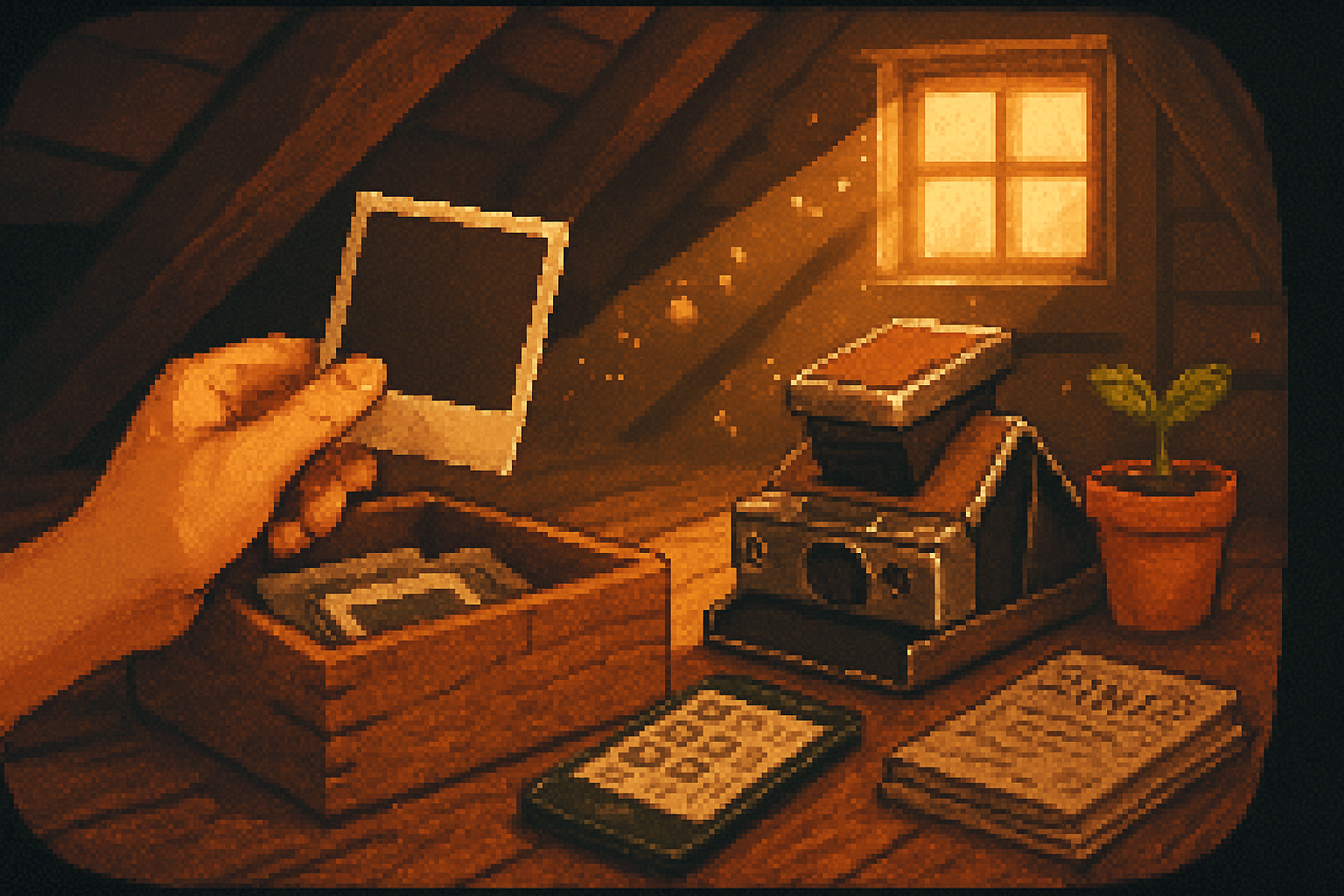
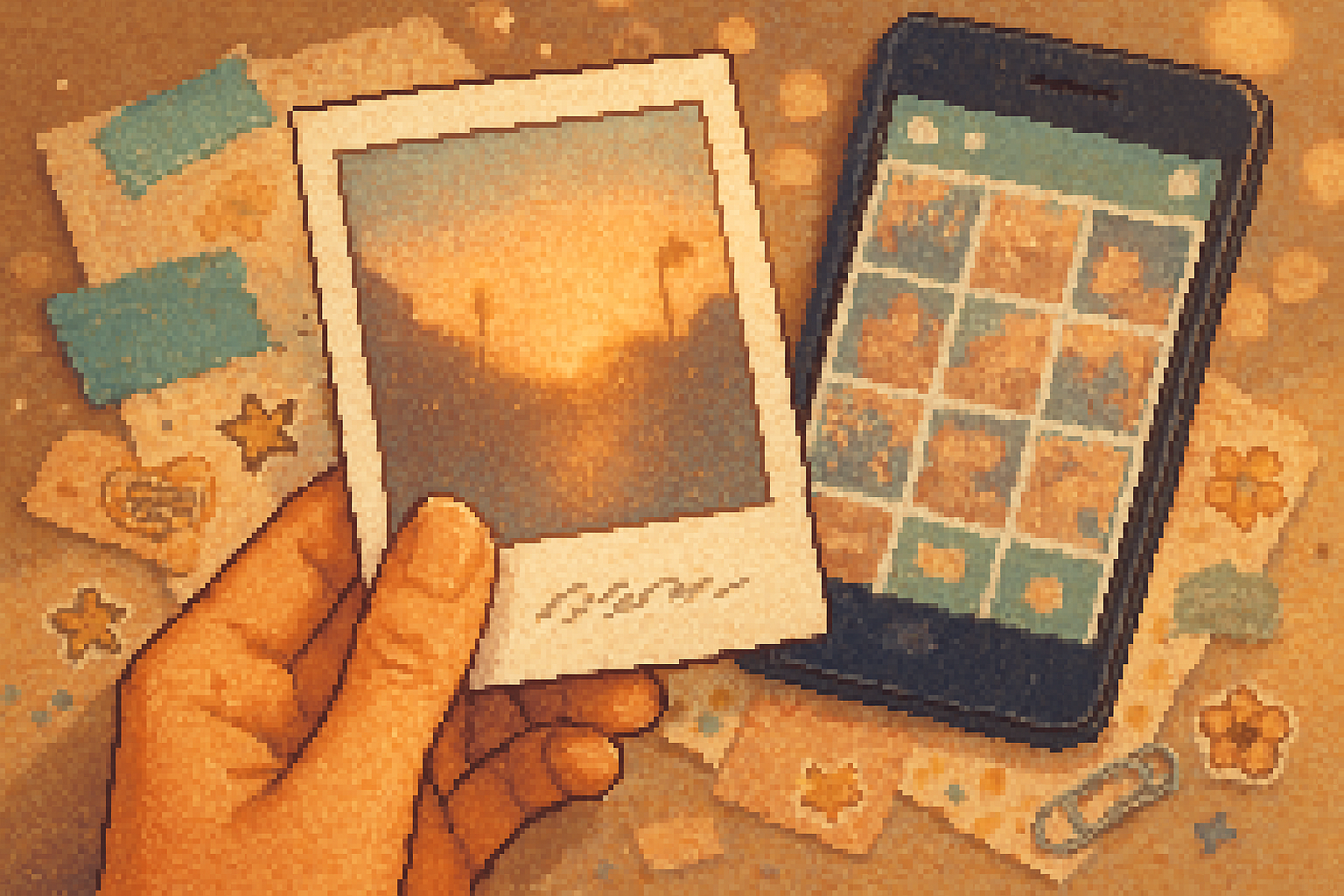
She was dusting the attic when she found them: a small, stubborn stack of Polaroids, edges yellowing, faces caught in a sepia-laced summer that never goes out of style. She laughed at the hairstyles, felt suddenly very sad about the passage of time, and then-without thinking-posted one to Instagram.
That moment - the private tug of memory made public - is the emotional engine behind the Polaroid renaissance. What used to be a relic of family scrapbooks has become a fashionable prop, a trusted brand, and a cultural shorthand for “authenticity” in an era when every image is raw, filtered, and optimized to death.
The improbable arc: from mass-market marvel to boutique fetish
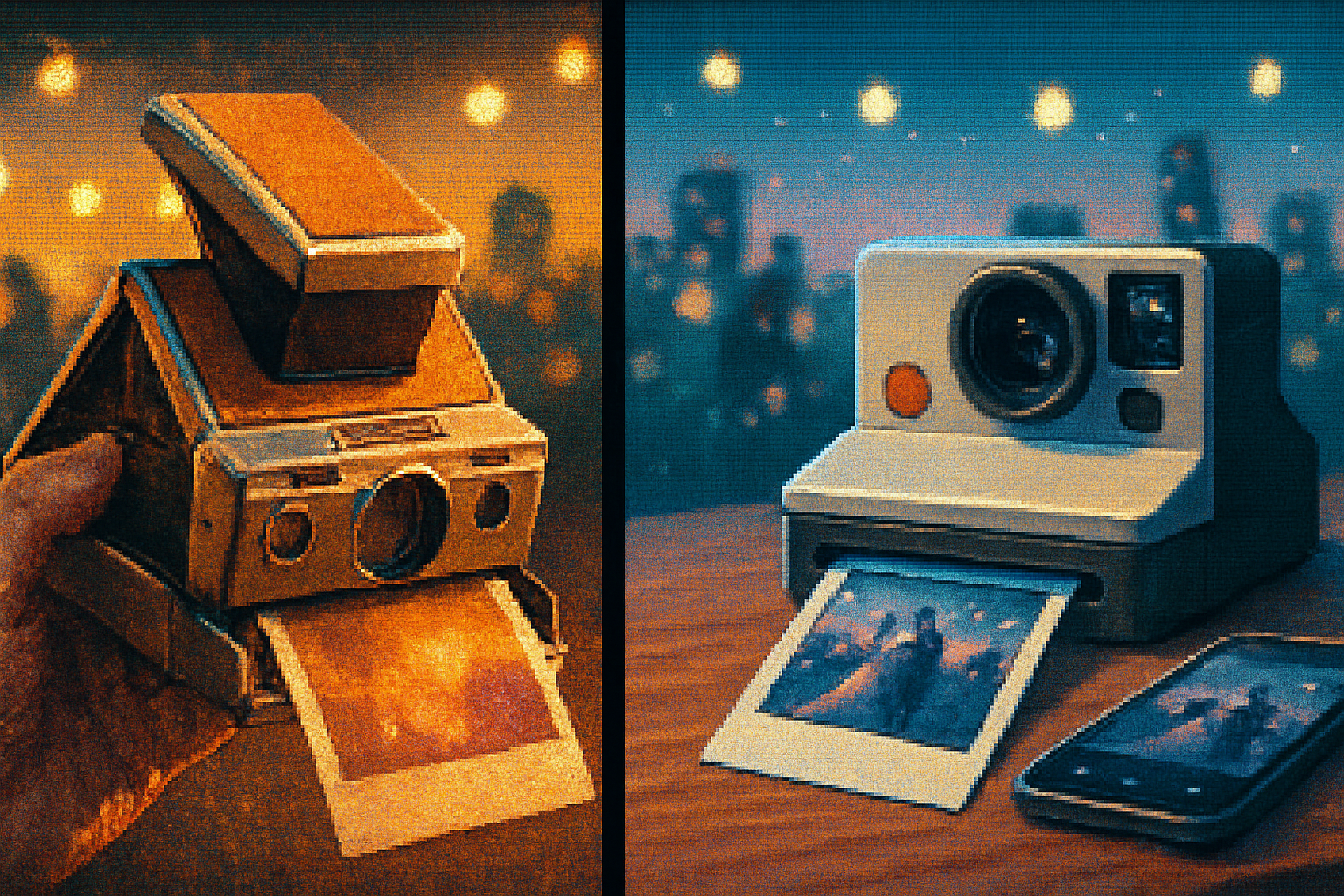
Instant photography began as a technological triumph. Edwin Land’s Polaroid patents and the iconic SX-70 camera put a near-magical, chemical-powered image reveal into people’s hands. For decades Polaroid meant celebration: birthdays, tourists, the small ritual of peeling back the paper and watching an image appear like a conjuring trick.
Then digital happened. Cameras shrank into phones. Memories became clouds and hard drives. Polaroid’s fortunes collapsed, film became scarce, and the company limped through bankruptcies. But scarcity breeds subcultures. In 2008 a group of enthusiasts bought the last Polaroid factory and founded the Impossible Project to keep film alive-an act part preservation, part rebellion. That DIY resurrection eventually reclaimed the name and made instant film not merely available, but desirable again [https://en.wikipedia.org/wiki/Impossible_Project].
(If you like corporate comebacks, read the chapter on brand necromancy: empty factories, obsessive founders, and a marketing angle served cold.)
Why Polaroid now? Five cultural engines
Tangibility in a digital era
Digital photos are weightless; they can be stolen, deleted, and ignored without consequence. A Polaroid is a small object with edges, thumbprints, and permanence. It’s not just a picture-it’s a thing you can hand someone, tape to a wall, or keep folded in a wallet. That physicality has value in a world awash in ephemera.
Ritual and slowness
Instant film injects ritual into photography. Waiting for the image to develop (and sometimes failing) feels like a human-scale antidote to instantaneous consumption. The pause between press and reveal transforms a mundane snap into an event-and people crave events that make them feel present.
The aesthetic economy
The Polaroid look-soft focus, saturated skin tones, the white border like a stage-matches the current vogue for retro textures. Instagram’s square crop aesthetic and the early app filters mimicked Polaroids, not by accident but by cultural osmosis. The square, the frame, the imperfect exposure: these signals communicate “artful,” “vintage,” and “intentional” without saying a word.
DIY and maker culture
Analog communities-Lomography, zine makers, collage artists-brought instant photography into a hands-on subculture that prizes unpredictability. Workshops teaching film development, pinhole cameras, and collage have turned Polaroids into raw material for tangible creativity.
Nostalgia as a marketing lever
Nostalgia isn’t mere sentimentality; it’s a tested commercial strategy. Brands use retro design, limited reissues, and story-rich packaging to tap emotional memory and trust. Polaroid’s return was as much about product as about storytelling-“we survived, we’re authentic, buy this and you reclaim a tiny piece of time” [https://en.wikipedia.org/wiki/Polaroid_Corporation].
The sociology of the comeback: who’s buying and why
Millennials and Gen Z are the ostensible drivers, but they’re not buying because they lived the original era. They’re buying the aesthetic and the experience-an analog badge of defiance against curated perfection. Older buyers, meanwhile, repurchase for memory maintenance: Polaroids let them re-center family narratives in a tactile way.
Influencers and brands amplify the trend. Fashion houses and musicians use instant photos in promo kits because a Polaroid feels exclusive and candid. The result: scarcity + celebrity = cultural momentum.
A few paradoxes worth savoring
The Polaroid look is widely distributed digitally. People post scanned Polaroids, recreate the aesthetic with filters, and sell prints of Polaroid-like shots taken on smartphones. The original is authentic; the simulacrum is everywhere.
Instant film is expensive. That price is part of the charm - it forces selectivity. When each frame costs real money, you think twice-so photos regain value by virtue of being rarer.
The chemical process that makes Polaroids unique is fragile and environmentally awkward. Resurgence required inventive chemistry and new production lines-something the Impossible Project and subsequent brand owners had to solve [https://www.bbc.com/culture/article/20170217-the-lovely-return-of-polaroid].
What brands and marketers are doing (and what works)
Story-first product launches. Vintage stories, archival photography, and founder myths are foregrounded. People buy narratives as much as goods.
Limited editions and collaborations. Polaroid has teamed with fashion labels and artists for capsule collections-scarcity plus brand cachet equals desirability.
Community-driven content. Workshops, fan-submitted galleries, and pop-up darkrooms turn customers into co-creators.
Hybrid products. Instant cameras with Bluetooth printers or apps that blend analog with digital appeal to consumers who want both speed and tangibility.
All of this underscores a central lesson: nostalgia is not a substitute for quality. Consumers sniff out contrived retro fast. Successful nostalgia-based marketing is modest, sincere, and anchored in utility.
Practical takeaways for creators and consumers
For photographers and collectors:
- Treat film as an investment - test different stocks, learn exposure quirks, and embrace failure as part of the art.
- Use Polaroids as raw material - collage, zines, physical photo swaps, or bespoke giveaways are better uses than simply posting scanned images.
For brands and marketers:
- Don’t fake it. If you want to harness nostalgia, build real rituals and a community-limited drops without story feel empty.
- Mix formats. Hybrid experiences (an event that ends in a physical handout) create memorable shareable moments.
- Respect sustainability. Retro is not an excuse for wasteful production. Be transparent about materials and lifecycle.
The larger cultural point
Polaroid’s return is less about film chemistry and more about human scale. In a world designed for speed, the slow, the tactile, the flawed, and the small have new currency. We want images that assert we existed-not merely that we were online.
So when you find a Polaroid in your grandmother’s attic, don’t simply swipe it into the feed. Hold it, pass it on, make it part of a small ceremony. That’s the actual commodity we’ve been trading in the age of hyper-digitization: attention, and the comfort of a thing that resists being weightless.
References
- Polaroid Corporation history: https://en.wikipedia.org/wiki/Polaroid_Corporation
- The Impossible Project: https://en.wikipedia.org/wiki/Impossible_Project
- “The lovely return of Polaroid” (BBC): https://www.bbc.com/culture/article/20170217-the-lovely-return-of-polaroid
- Coverage of the revival and cultural context: https://www.theguardian.com/artanddesign/2017/nov/26/polaroid-is-not-dead-analogue-photography-revival