· retrogaming · 8 min read
From Rags to Riches: How Emulators are Reviving CD-i's Hidden Gems
How open-source emulation and fan communities turned the Philips CD‑i from a punchline into a treasure trove - and why a handful of bizarre, overlooked titles are finding new life and influence in the retro gaming scene.
A teenage friend of mine once sent me a five‑second GIF: Princess Zelda in a ludicrously stiff animation, mouthing an apologetic line while the internet laughed. It was a clip from one of the Philips CD‑i Zelda games - the same clip that pops up on late‑night meme compilations and apologetic retrospectives. But after the laughs came a link. Then a download. Then a three‑hour deep dive into a library of games that most gaming museums treat like a polite social pariah.
That moment - a meme leading to curiosity, curiosity leading to obsession - is the story of how emulation has quietly revalued the Philips CD‑i. Once derided as a clumsy multimedia experiment, the CD‑i is now a fertile ground for rediscovery. Emulators have made it possible to play, capture, analyze, mod, and recontextualize these titles. What looked like trash became, in the right light and to the right people, treasure.
A brief, unvarnished history
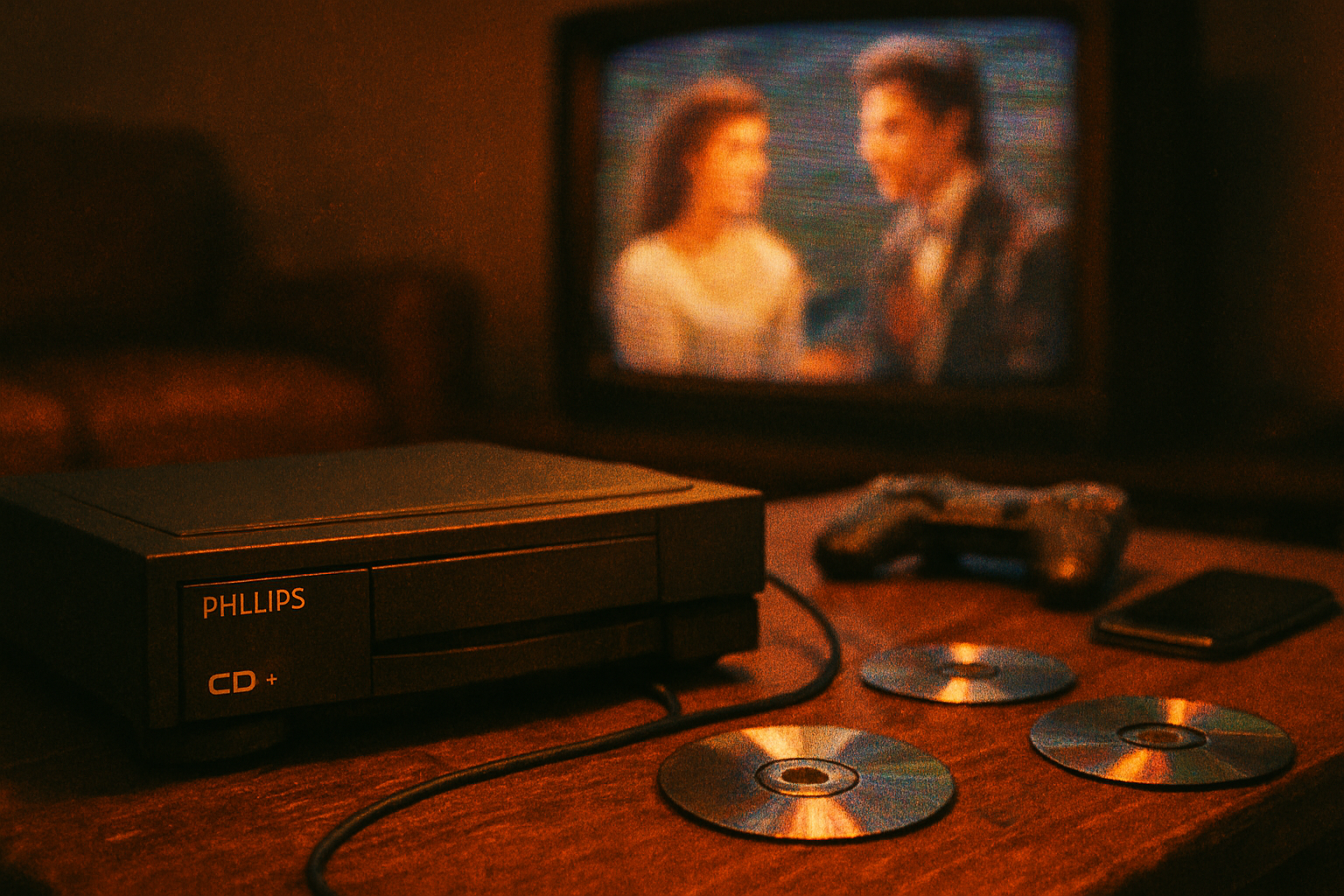
The Philips CD‑i launched as a consumer multimedia platform in the early 1990s. Its ambition was audacious: marry video, education, and interactive software on a compact disc player. The result was eclectic. There were ambitious FMV experiments, quirky educational packages, licensing blunders, and a handful of competent - even brilliant - games.
If you want the dry background, read the Philips CD‑i Wikipedia entry: https://en.wikipedia.org/wiki/Philips_CD-i. But the headline is simple: the machine was expensive, the game library uneven, and the developers were often trying to do things on hardware that was never designed primarily for gaming. The industry savaged the console, and the culture wrote it off.
Why emulation matters (and why this isn’t just nostalgia)
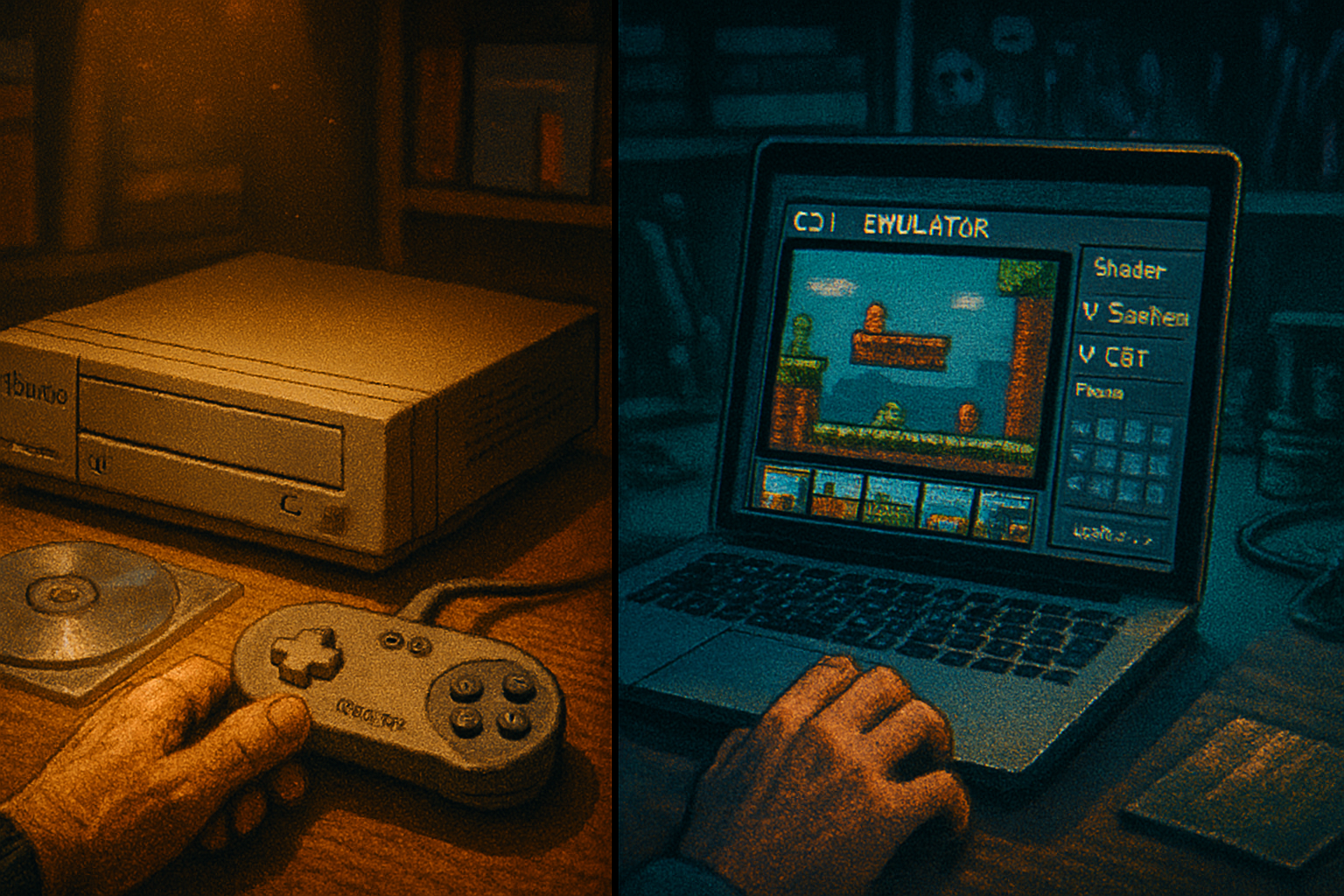
Calling emulation merely “nostalgia made convenient” sells it short. For the CD‑i, emulation is a forensic tool, a public archive, and a creative laboratory.
- Preservation - Optical media rot. Hardware fails. Emulators allow dumps of discs and ROMs to be stored and run long after original hardware dies. See the broader issues at
- Accessibility - A rare, eBay‑priced console isn’t required anymore. Someone curious in Tokyo, Lagos or Boise can boot a CD‑i image in minutes.
- Documentation - Emulation makes it simple to capture footage, extract assets, and create walkthroughs - the raw materials of modern scholarship and fandom.
- Remix culture - Fans can apply texture fixes, translations, and mods that were impossible in the original era.
- Reappraisal - Play a title for an hour instead of glancing at a YouTube clip and you stop laughing and start thinking - about design choices, era constraints, and unexpected charm.
This combination is what lifts obscure CD‑i titles out of dumpster fire status and into niche fandoms, academic interest, and even influence on modern indie developers.
Hidden gems (and why they matter)
Some CD‑i titles are infamous. Others were simply ignored - and a few were quietly interesting.
Burn:Cycle - FMV cyberpunk with actual ideas
Burn:Cycle (1994) is the kind of strange, moody cyberpunk puzzle game that seems tailor‑made for the era’s obsession with VHS aesthetics. It mixed pre‑rendered visuals, point‑and‑click puzzling, and an unsettling narrative voice. On the original hardware it was awkward; in an emulator, the game’s atmosphere and design are easier to appreciate.
Why this matters: Burn:Cycle is an early example of FMV used for tone rather than spectacle. Emulation freed it from performance constraints and made its artistry visible again. (More on Burn:Cycle: https://en.wikipedia.org/wiki/Burn:Cycle)
Hotel Mario - the disgrace that became cult art
If the CD‑i had a mascot for bad decisions, Hotel Mario would be it. The cutscenes are famously clumsy; the game design is pedestrian. Yet those very cutscenes are what turned Hotel Mario into a shared cultural artifact - memes, remixes, and sustained commentary.
Why this matters: Emulation turned Hotel Mario from an awkward curiosity into raw material. Creators sample, remix, and re-edit its footage. The game became less a failure and more a found object - a relic that reveals how licensing, hardware limitations, and earnest production values can collide spectacularly. (See: https://en.wikipedia.org/wiki/Hotel_Mario)
The CD‑i Zelda titles - art, tragedy, and unintended comedy
The trio of Philips‑commissioned Zelda games (including Link: The Faces of Evil and Zelda: The Wand of Gamelon) are infamous for bad animation and wooden dialogue. But remove the reflexive ridicule and you find genuinely weird narrative experiments and a fascinating example of licensing gone wrong.
Why this matters: These games are a case study in how cross‑industry deals can produce alien artifacts. Emulation allowed historians and critics to analyze the scripts, pacing, and production choices with the granularity they deserve - and made it easy for new audiences to watch the animations in context rather than as isolated clips. (Links: https://en.wikipedia.org/wiki/Link:_The_Faces_of_Evil and https://en.wikipedia.org/wiki/Zelda:_The_Wand_of_Gamelon)
The 7th Guest (CD‑i iteration) - puzzles meet cinematic ambition
Originally a hit on PC for its atmospheric puzzles and FMV set pieces, The 7th Guest was ported to a number of CD‑based platforms. As with other FMV titles, the CD‑i versions were constrained - but emulation has made it easier to compare versions, document differences, and appreciate the game’s design intent.
Why this matters: The 7th Guest showcases what the early ’90s believed the future of interactive storytelling would be - and emulation helps us examine that hopeful, messy moment. (Background: https://en.wikipedia.org/wiki/The_7th_Guest)
How emulators amplify rediscovery
Emulation doesn’t just let you play. It changes the conversation around a game. Here’s how:
- Video creators use emulators to capture high‑quality footage for essays and retrospectives. Those essays are often the spark for fandoms.
- Asset extraction tools let musicians remaster old soundtracks and indie studios lift textures for homages.
- Speedrunners and challenge communities set rules, create leaderboards, and treat the title like a sport - the attention legitimizes the game.
- Modders and translators make previously impenetrable titles accessible. A game that was region‑locked or poorly localized can get a second life.
A single popular video essay or a charismatic streamer can turn a forgotten CD‑i puzzle into an overnight obsession. But the daily engine of rediscovery is the slow work of archivists, ROM rippers, and emulator maintainers.
Ethics, legality, and the economics of revival
This is where the story gets thorny. Emulation exists in a legal grayland peppered with bright moral questions.
- Intellectual property - Many CD‑i titles were licensed - the rights can be tangled or owned by companies that no longer exist. That makes official rereleases uncommon.
- Piracy vs. preservation - Downloading ROMs is illegal in many places, but sitting on rare discs in a basement is a lousy archival strategy. The preservation community argues for exceptions (or at least tolerance) when the rights holders are inactive, but the law rarely offers neat answers. See the larger debate at
- Creator compensation - When fans resurface a soundtrack or remaster assets, who benefits? If the original developers are bankrupt or deceased, the ethics are messy.
Practical guidance: support legitimate reissues when they exist; buy original hardware and discs if you can and if the seller is reasonable; and treat ROM archives as a last resort for research rather than a default.
Real outcomes: Not just nostalgia, but influence
The CD‑i revival isn’t only about nostalgia. Its byproducts are concrete:
- Modern indie devs borrow the CD‑i’s aesthetic and FMV techniques for stylistic games.
- Academics use emulators to analyze design patterns and multimedia history.
- Fans produce high‑quality remasters, translations, and walkthroughs - sometimes prompting rights holders to consider official reboots.
- Speedrunning communities bring a competitive structure to formerly lonely experiences.
In short: emulation has turned archival fragments into cultural artifacts with ongoing relevance.
What this means for retro collectors and the curious
If you’re curious, here’s how to participate responsibly:
- Educate before you download. Read preservation debates and avoid willful copyright infringement when possible.
- Support creators and small publishers who do legal reissues.
- Document and share - capture footage, write essays, make guides - the more public knowledge we have, the more likely someone will fund an official restoration.
- If you collect hardware, document provenance and consider donating to museums or community archives if you ever move on.
The final frame: from embarrassment to essential oddity
The Philips CD‑i was an embarrassing, fascinating mess. That made it easy to laugh at and easy to forget. Emulation has changed the dynamic: it turned ridicule into curiosity, scarcity into access, and derision into something resembling appreciation.
Some CD‑i titles will never be classics. Others will persist as odd, influential artifacts of a transitional moment in gaming history - a time when engineers, artists, and marketers were trying to invent a medium and often failing in ways that produce curious, instructive failures.
Those failures are worth studying. They teach us, bluntly, what happens when technology outruns taste, when licenses trump craft, and when experimentation is rewarded with ridicule instead of careful critique. Emulation didn’t rescue the CD‑i from incompetence. It rescued it from oblivion - and in doing so, it gave the rest of us a chance to learn.
Further reading and sources
- Philips CD‑i - https://en.wikipedia.org/wiki/Philips_CD-i
- Burn:Cycle - https://en.wikipedia.org/wiki/Burn:Cycle
- Hotel Mario - https://en.wikipedia.org/wiki/Hotel_Mario
- Link - The Faces of Evil -
- Zelda - The Wand of Gamelon -
- The 7th Guest - https://en.wikipedia.org/wiki/The_7th_Guest
- Video game preservation - https://en.wikipedia.org/wiki/Video_game_preservation