· retrogaming · 7 min read
Emulating the Unemulated: Rare TurboGrafx-16 Games You Must Try
A road map to the forgotten corners of the TurboGrafx-16/PC Engine library: why these games matter, which hidden gems to try, and how emulation lets you experience them today - legally, precisely, and with better save states than the original hardware.
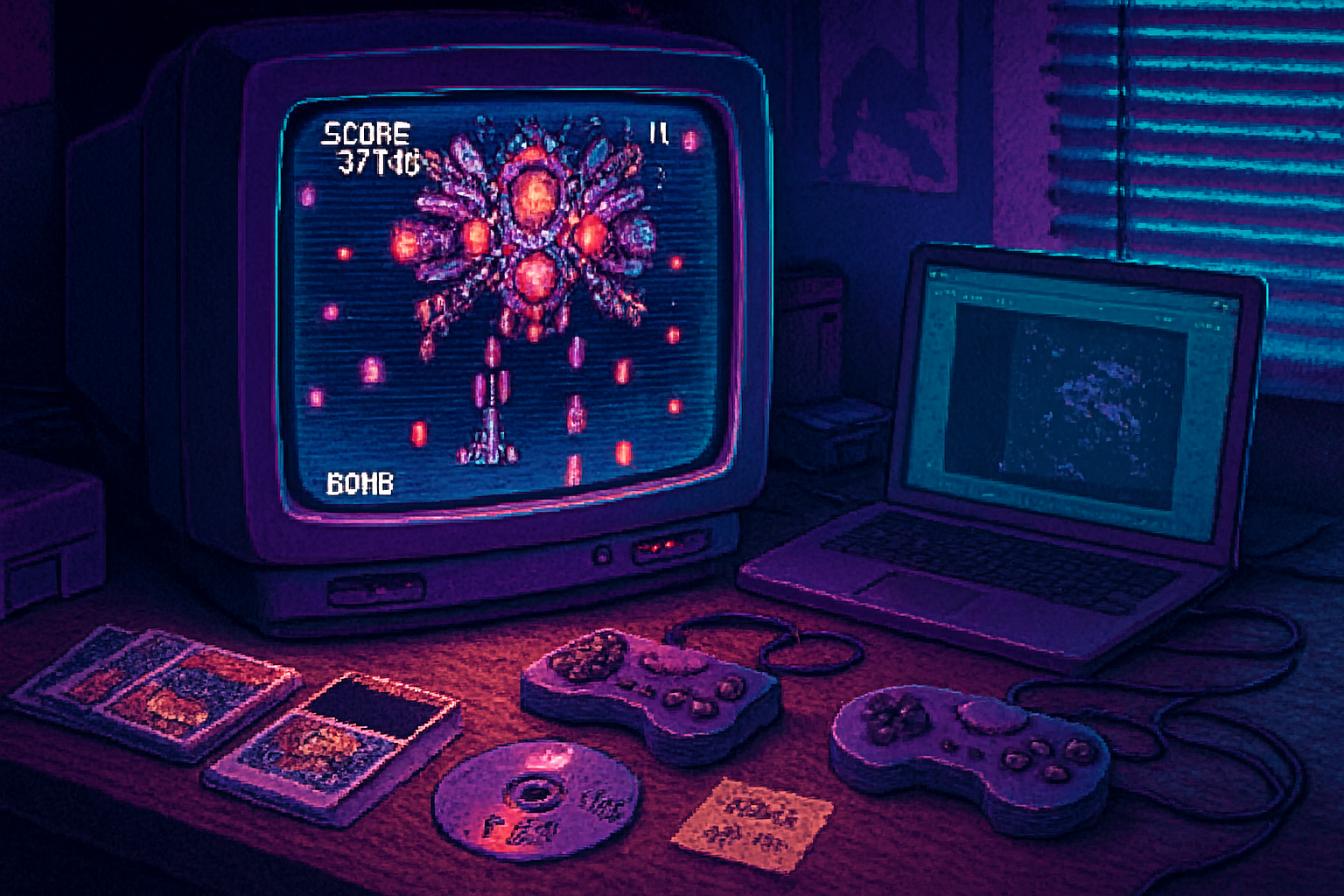
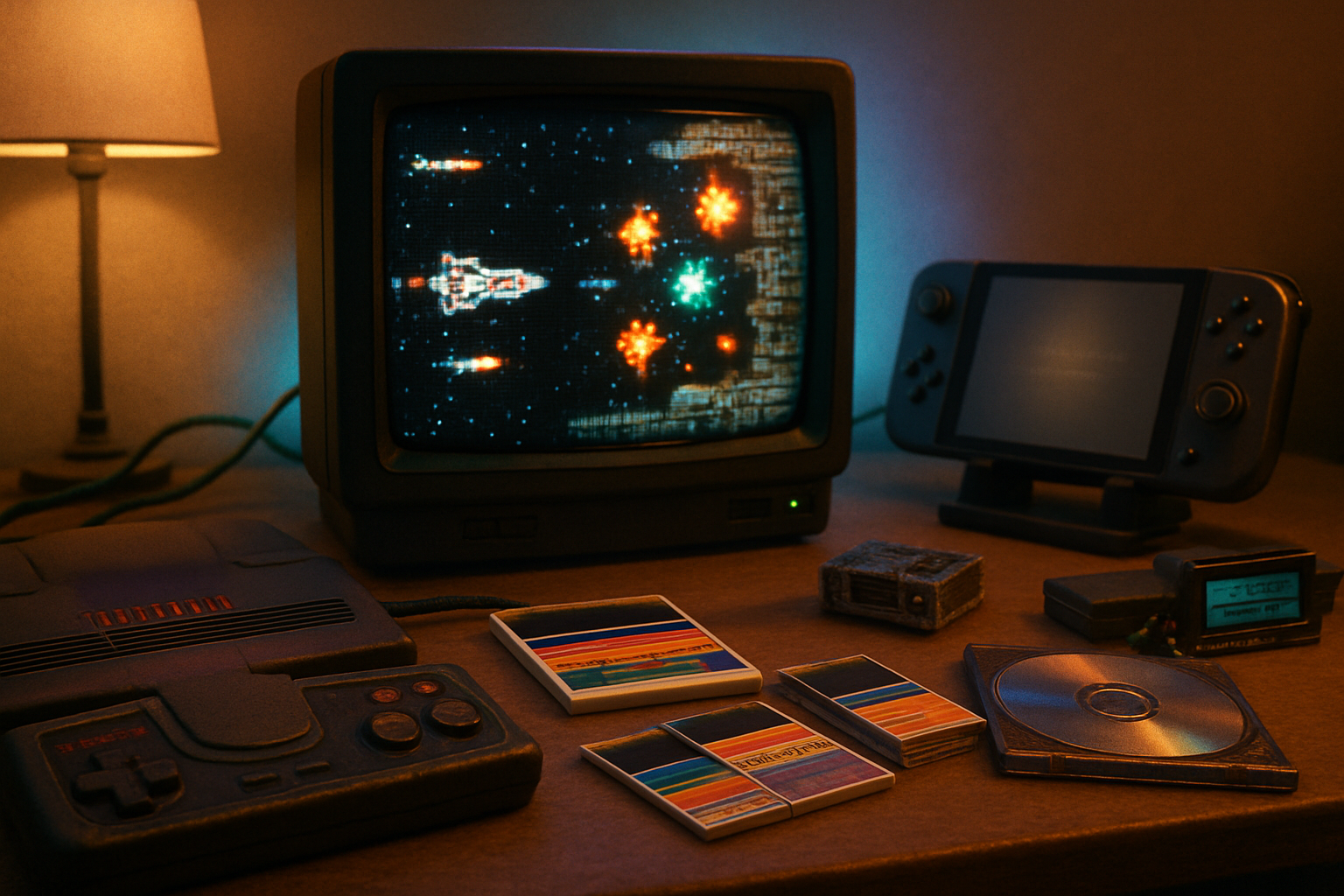
I remember finding a yellowed HuCard at a flea market years ago - no label, a sticky scrawl on the adapter, and a heartbeat of possibility. The seller shrugged: “Turbo what?” I paid five dollars, took it home, and discovered a 20-minute CD-quality intro that looked like someone had stitched a neon cathedral out of pixels. For a console that was mocked as a Neo-Geo-sized toy in America, that little card felt like an archaeological shard of an alternate 16-bit universe.
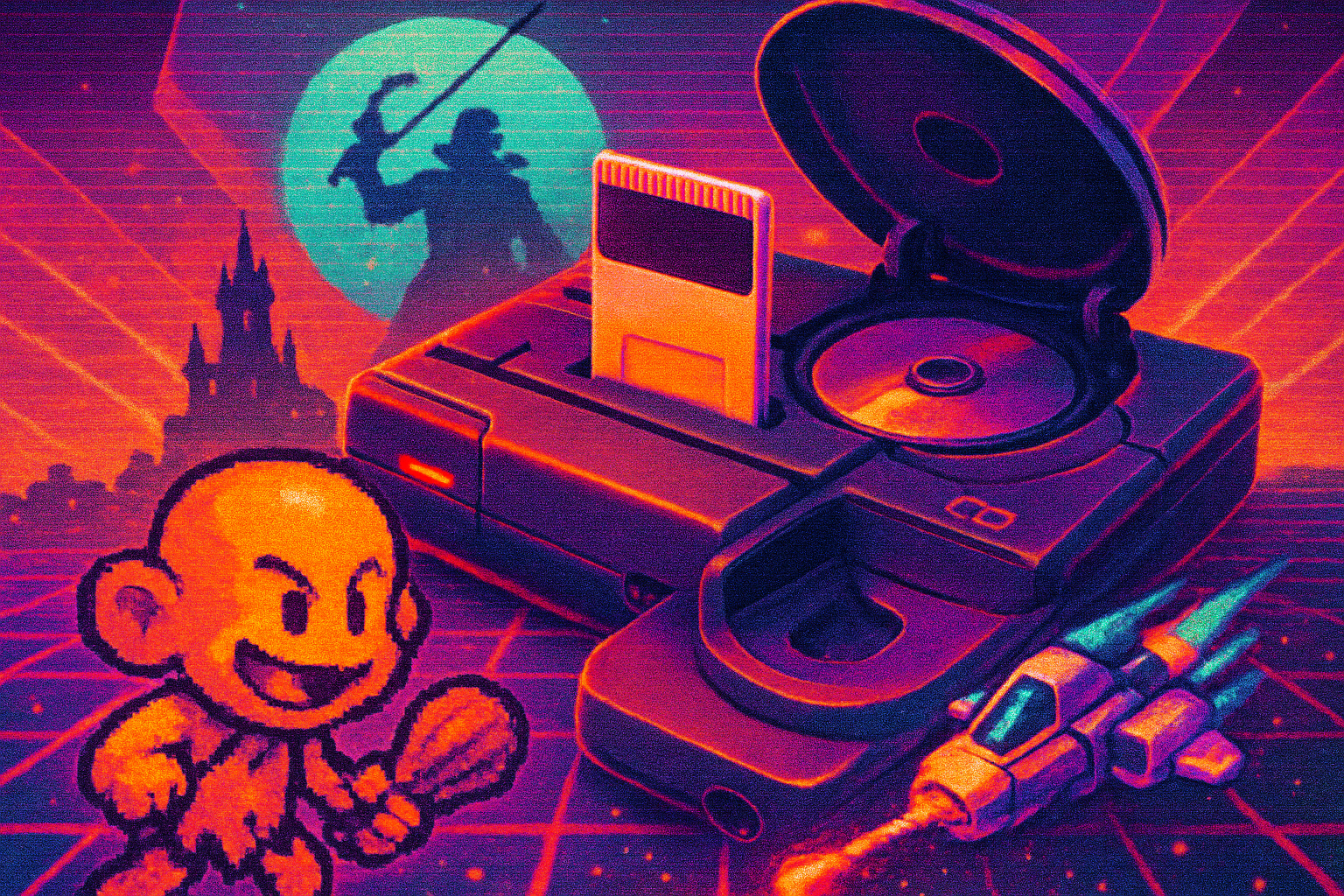
The TurboGrafx-16 (a.k.a. PC Engine in Japan) never won the console wars. It sold modestly in the US, dominated certain corners of Japan, and cultivated a library full of weird experiments, epic Japan-only RPGs, and shooters that rendered your sense of direction obsolete. Many of those titles were released only on HuCard or on the CD-ROM² add-on - and many of them are now rare, expensive, or simply locked behind language barriers.
Emulation is not a way to “cheat” the hobby. It’s the archival scalpel that lets us pry open that sealed case. It rescues games that physical collectors can’t afford, lets you play region-locked disks without a suitcase of adapters, and - when done right - preserves art that would otherwise degrade or disappear.
Why this matters
- The TurboGrafx library is culturally idiosyncratic. Japan-only visual novels, massive CD-era RPGs, and one-off shooters populate its catalog. These aren’t just “old games” - they’re historical experiments in audio-driven storytelling and mid-90s graphic bravado.
- Physical media is fragile and expensive. HuCards can command collector prices; CD-ROMs suffer from rot and missing system cards.
- Emulation levels the field. You can access Japanese text, fan translations, and patched ROMs that make these games playable for non-Japanese speakers.
A practical ethics minute
If you care about preservation, do this right:
- Own the original media first, or seek permission. Emulation software is legal - obtaining copyrighted ROMs you don’t own sits in a legal gray area, and moral responsibility lies with the player.
- Prefer verified preservation sets (Redump/No-Intro) and support projects that catalogue real dumps.
Core emulators and what they solve
- RetroArch (Beetle PCE FAST / Mercury PCE) - a flexible, well-supported multi-platform frontend with excellent input mapping and shaders. Great for both HuCard and CD images.
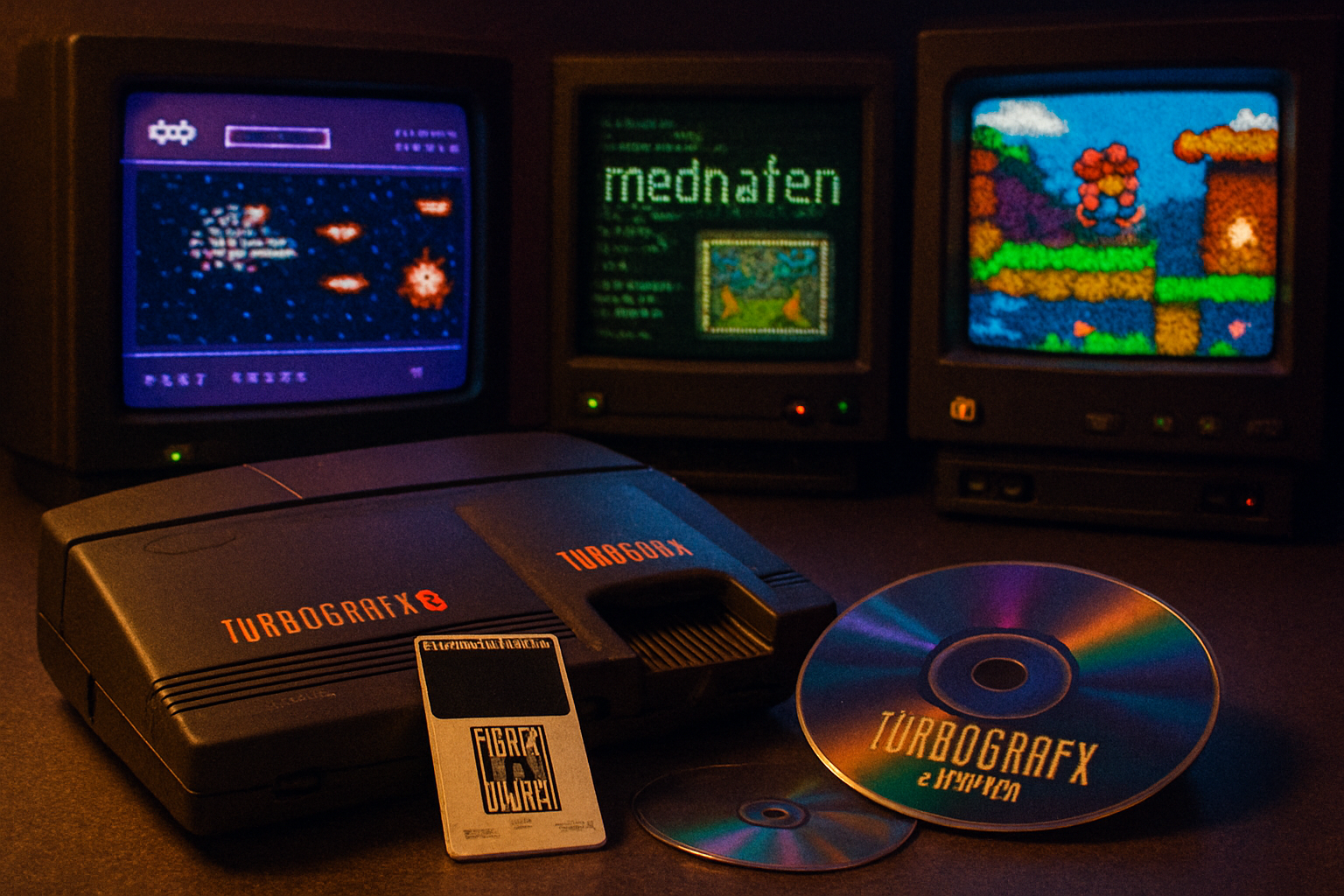
- Mednafen - highly accurate, command-line driven, beloved by purists for precise timing and audio handling.
- Ootake - a long-running Windows emulator with strong compatibility and simple UI for casual users.
Note: some emulators historically required PC Engine CD BIOS files; the specifics change between cores. Read the emulator’s docs and, if needed, dump BIOS from your own hardware.
File formats and quick tips
- HuCard dumps - commonly .pce, .hu, or .sgx files. HuCards emulate with cores like Beetle PCE or Mednafen.
- CD images - .bin/.cue or .iso. The CD audio and cue sheet must be correct for music and FMV to work.
- Translation patches - many Japan-only titles have fan translations distributed as IPS/UPS patches - apply them to an original dump (romhacking.net is the central hub).
Where preservation lives
- Redump: a project focused on accurate disc dumps and preservation ( https://redump.org/ ).
- No-Intro - standardized ROM naming and verified sets.
- ROMHacking: translations, patches, and documentation ( https://www.romhacking.net/ ).
- Hardcore Gaming 101: essays on obscure PC Engine titles and context ( https://www.hardcoregaming101.net/ ).
Rare TurboGrafx-16 / PC Engine gems you should try
Below are compact, opinionated recommendations: why they matter, what to expect, and how emulation improves them.
- Gate of Thunder (PC Engine CD)
- Why it matters - A six-minute answer to “what does a top-tier CD-era shmup sound like?” - heavy production values, crunchy sprites, and a soundtrack that turns headphone sessions into worship.
- What to expect - Fast horizontal shooter with towering bosses and a sensory assault of pre-rendered intro scenes and CD-quality music.
- Emulation tip - Use a core that supports proper CD audio playback (.bin/.cue) and enable shuffle to sample tracks - but play it straight first.
- Star Parodier (HuCard)
- Why it matters - A love letter and a joke in one cartridge. It’s a goofy, brilliant spin on the Star Soldier formula (one of Hudson’s classic shooters) blended with pop-culture gags.
- What to expect - Bright, buoyant levels, goofy weapon powerups, and a scoring system that rewards creativity.
- Emulation tip - Run with an accurate core to preserve input timing - shooters punish lag.
- Ys Book I & II (PC Engine CD)
- Why it matters - CD audio turned the already-epic music of Ys into a fully orchestrated experience on a 16-bit console. The PC Engine release is an archival treat for JRPG afficionados.
- What to expect - Action-RPG combat, sweeping music, and a sense that the CD add-on made small consoles dream big.
- Emulation tip - If you’re playing a fan-translated image, confirm the cue/bin pairing and test music playback before patching.
- Tengai Makyo series (Far East of Eden) - Japan-only epics
- Why it matters - These are big-budget, culture-rich JRPGs that never got proper Western releases in many cases. They ooze local flavor and unprecedented scale for the hardware.
- What to expect - Massive scripts, voice samples, and a design aesthetic rooted in Japanese historical parody.
- Emulation tip - Use save states plus in-emulator save files; some of these games are endurance events.
- Dungeon Explorer (PC Engine)
- Why it matters - A co-op action-RPG that predates modern dungeon crawlers delivering looter action with friends. It’s an early example of social play on a console that didn’t always play well with groups - until this did.
- What to expect - Pick-axe RPG mechanics, local co-op chaos, and the kind of balance that rewards repeated runs.
- Emulation tip - Netplay is possible with certain frontends; otherwise, map multiple controllers for couch-style fun.
- Niche CD-era visual novels & “sound novels”
- Why it matters - The PC Engine CD environment nurtured experiments in audio-first storytelling. Many of these titles are Japan-only and never localized.
- What to expect - Long-form narratives, voice snippets, and music-driven pacing. Not “games” for everyone - but unforgettable for those who enjoy atmosphere and voice-work.
- Emulation tip - Install a Japanese font on your system to avoid garbled text rendering in some frontends; use translation patches where available.
How emulation improves the experience (and when it can’t fully replace hardware)
- Better saves - save states let you experiment with dangerous choices without the ritual of replaying 60 minutes.
- Rewinding and fast-forward - essential for grinding, testing strategies, and skipping repeated segments.
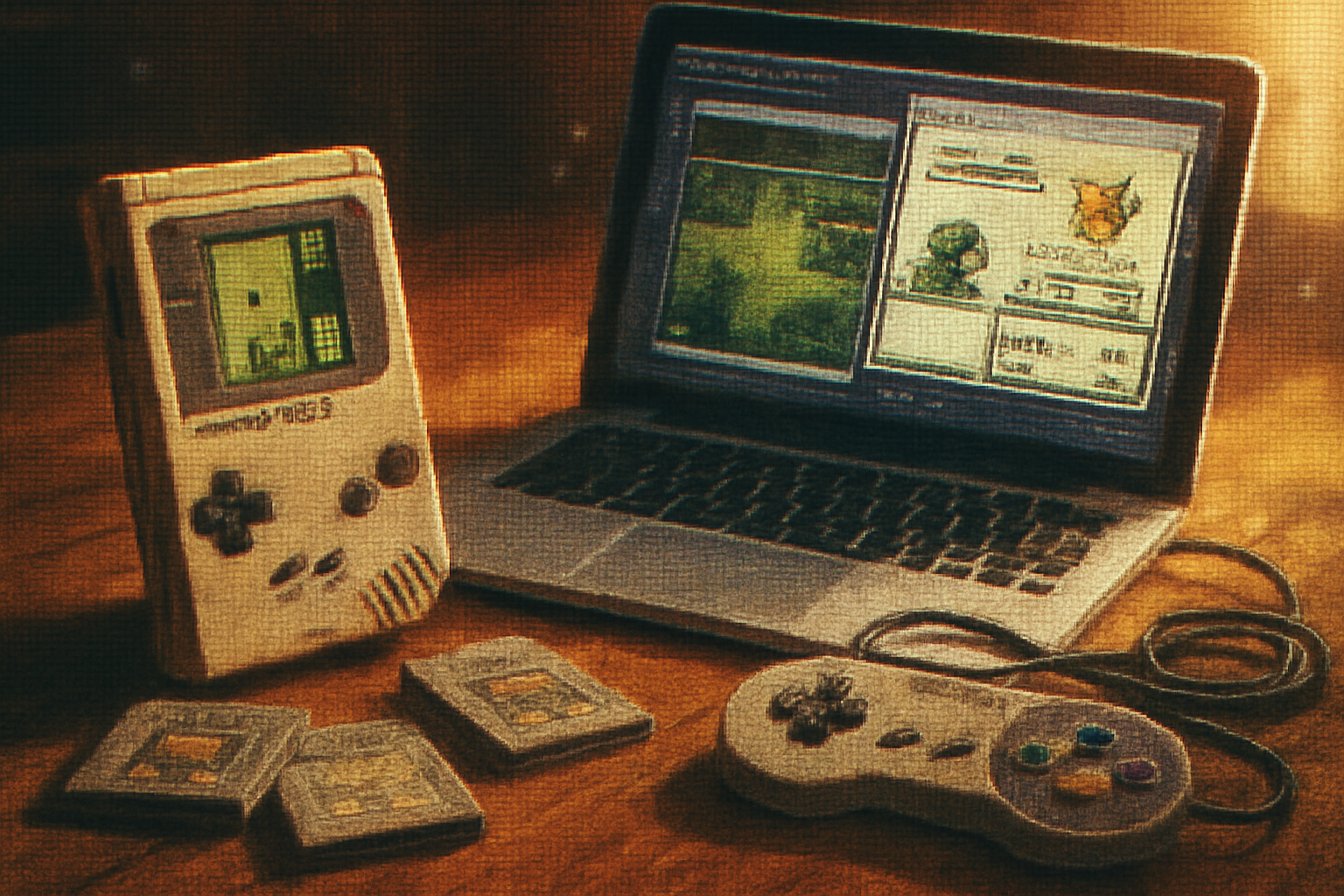
- Display options - CRT shaders, integer scaling, and scanline filters reproduce the look of an old tube - or you can run 4x nearest-neighbor if you want your pixels honest.
- Caveat - Authentic tactile feel still belongs to a real pad and a real TV. Emulation replicates the data, not the smell of a 1990s living room.
Advanced tips for collectors who emulate responsibly
- Dump your own HuCards and CDs. Devices like card readers and optical drives with proper tools preserve provenance and legality.
- Keep metadata - store serial numbers, photos of your cartridges/discs, and Redump/No-Intro checksums.
- Back up to cold storage. One hard drive fails; redundancy saves history.
Closing pitch - why try these titles now
The TurboGrafx-16’s weirdness was its strength: unfamiliar control schemes, Japan-only epics, and CD experiments that anticipated modern audio-driven narrative. Emulation isn’t theft when it preserves culture; it’s rescue. It gives you access to strange, brilliant things that physical scarcity would otherwise bury.
If you want to start small: pick one CD-ROM² game and one HuCard game from the list above, load them in RetroArch or Mednafen, and play for an hour. You’ll either find a forgotten masterpiece, or you’ll find one more reason to buy a yellowed HuCard at a yard sale.
References and further reading
- Mednafen (emulator): https://mednafen.github.io/
- RetroArch: https://www.retroarch.com/
- Redump (preservation project): https://redump.org/
- ROM Hacking and translation patches: https://www.romhacking.net/
- Hardcore Gaming 101 - PC Engine articles: https://www.hardcoregaming101.net/
Enjoy the hunt. The TurboGrafx library is a cabinet full of cracked mirrors - every reflection is a little different, and most of them are worth staring at.