· culture · 7 min read
The Dystopian Aesthetic: Fashion and Culture in 80s and 90s Dystopias
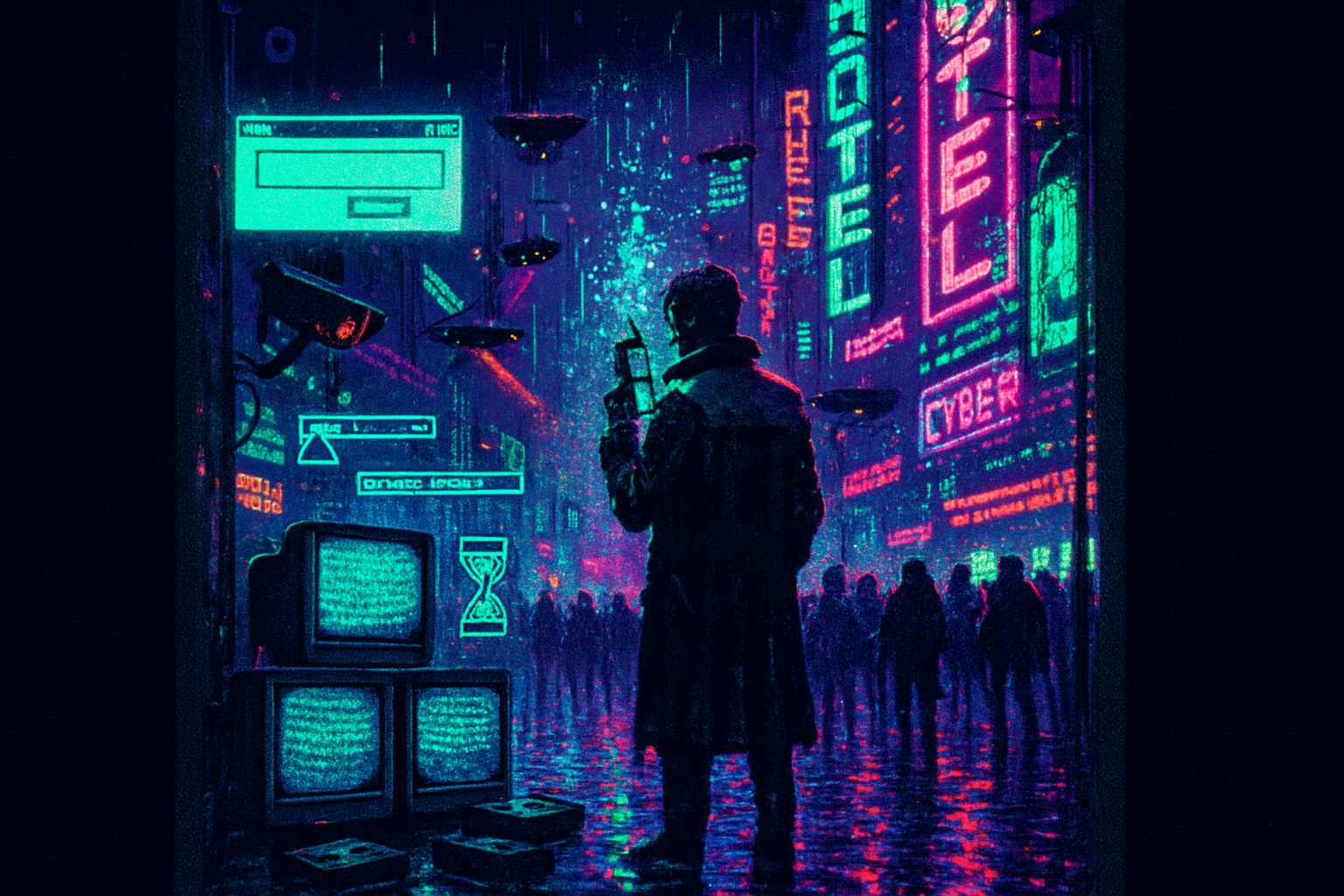
How neon noir, scavenged leather, and corporate sterility from 1980s–90s dystopian fiction crept into high fashion and streetwear - and why those styles now feel like political shorthand for anxiety about surveillance, climate collapse, and late capitalism.
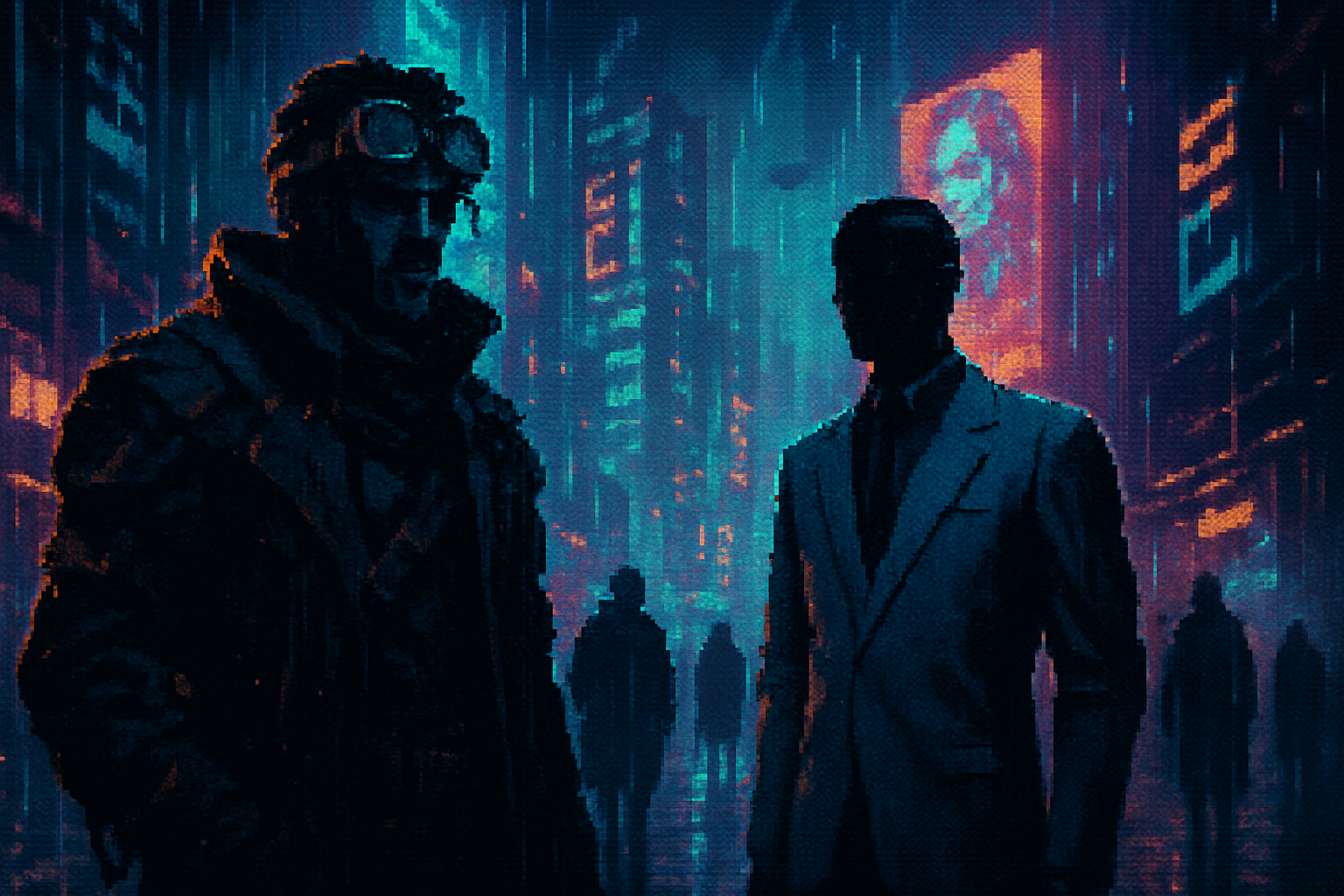
I once watched a city block on a rainy night and realized half the pedestrians looked like they were auditioning for a Blade Runner extra part: black coats, glossy shoes sloshing in puddles, faces lit by phone screens and neon reflections. It felt less like fashion and more like an urban memory being replayed - a memory borrowed from movies, books, and a very stubborn set of cultural fears.
The opening scene: why 80s and 90s dystopias dressed the future badly
Dystopian films and novels of the 1980s and 1990s didn’t try to make the future pretty. They dressed it in survivalist pragmatism, corporate sheen, and neon-lit moral grime. This was not accidental. The aesthetics were narrative shorthand: clothing that told you whether a character was a system cog, a scavenger, a hacker, or a sacrificial everyperson.
Two sentences that explain the stakes:
- If the future is commodified and surveilled, your coat becomes armor and your brand logo becomes an ID badge. See Ridley Scott’s Blade Runner’s rain-slick, noir city Blade Runner (1982).
- If society collapses or mutates, people salvage - leather straps, goggles, patchwork - and the costume design reads as a map of scarcity. See George Miller’s Mad Max series Mad Max 2 (1981).
These were stories about systems and scarcity, and the wardrobes responded in two dominant vocabularies: neon-noir cyberpunk and scavenged post-apocalypse. In between: clinical corporatism and sterile futurism.
Four archetypes of dystopian dress (and what they meant)
1) Neon Noir / Cyberpunk - the corporate city
- Visual shorthand - trench coats, slick leather, glowing billboards, reflective surfaces.
- Key references: Blade Runner and William Gibson’s Neuromancer (Neuromancer (1984)).
- Cultural meaning - surveillance, information-as-power, the individual turned into an interface. Fashion translates this into darkness lit by artificial light - a moral chiaroscuro.
2) Scavenger / Post-Apocalyptic - useful, ugly, poetic
- Visual shorthand - mismatched leather, metal hardware, dirt-stained fabrics, improvised armor.
- Key references: Mad Max (Mad Max), and later films that leaned into the aesthetic.
- Cultural meaning - resource scarcity, tribalism, improvisation as dignity.
3) Clinical Corporatism - the suit as social weapon
- Visual shorthand - minimalist suits, uniforms, pale sterile palettes; think HR department meets eugenics lab.
- Key references: Gattaca (Gattaca (1997)) and the whitewashed bureaucracies of Terry Gilliam’s Brazil (Brazil (1985)).
- Cultural meaning - order imposed, conformity as survival.
4) Biomechanical / Tech-augmented - bodies as sites of design
- Visual shorthand - synthetic textures, visible prosthetics, bodysuits, and a fascination with seams where skin meets machine.
- Key references: Ghost in the Shell (Ghost in the Shell (1995)) and cyberpunk manga/anime.
- Cultural meaning - identity decoupled from flesh, our sense of self outsourced to hardware and code.
From set design to streetwear: the path into fashion
Fashion borrows images the way language borrows metaphors: sometimes elegantly, often cynically.
Designers such as Yohji Yamamoto and Rei Kawakubo were already destabilizing silhouette and convention in the 80s, making garments that looked like they’d survived a minor civil war (Yohji Yamamoto, Rei Kawakubo). Their ‘deconstructed’ aesthetics found a natural kinship with dystopian costume.
In the 90s and 2000s, designers and brands - Rick Owens, Helmut Lang, Raf Simons - translated cinematic bleakness into luxury - expensive rags, as it were (
Streetwear and utility labels later synthesized these strands into accessible forms. Acronym and techwear brands modernized the “functional” look with modular pockets, Gore-Tex, and an appetite for muted, militarized palettes (Acronym).
The result: an aesthetic pipeline from dystopian fiction to runway to Instagram, with each stop adding polish, price, or irony.
Textures, colors, and accessories: the grammar of dystopia
If you want to read a dystopian outfit like a novella, notice these elements:
- Palette - neon accents over matte black; dusty tans and rusts; antiseptic whites and washed pastels for corporate dystopia.
- Materials - PVC, leather, Gore-Tex, distressed denim, mesh, and repurposed metal.
- Details - zippers where there shouldn’t be zippers, asymmetry, exaggerated collars, goggles, respirators, tactical belts.
- Hair/Makeup - shaved sides, heavy liner, paled or dirty skin - a face that has either been optimized or given up.
These are not stylistic choices only; they’re semiotic. A respirator says scarcity of clean air. A corporate lapel says enrollment in the system. A scavenged metal plate says defeatist dignity.
The soundtrack matters: industrial, synth, and the music of unease
The look rarely traveled alone. Sonic aesthetics - Vangelis’ score for Blade Runner, the industrial grind of Nine Inch Nails, the synthetic nostalgia of synthwave - create emotional context. Fashion without sound is a costume without a scene; together they become a cultural forecast.
Why the dystopian aesthetic keeps returning now
We live in a century that offers three flavors of anxiety: surveillance capitalism, climate trauma, and algorithmic governance. The 80s–90s visions of dystopia were not prophetic in plot details but prescient about mood. They handed us a palette for expressing contemporary dread.
Specific reasons for its resurgence:
- Surveillance and branding - Clothes that once signaled rebellion now double as commentary on datafication. Oversized hoodies and faceless silhouettes are both anonymity and billboard.
- Climate urgency - Post-apocalyptic dress reads as preparedness or elegy - layers for storms, salvage as sustainability.
- Tech realism - The cyberpunk fascination returns as real-world augmentation, wearables, and AR make body-technology integration less metaphor and more motherboard.
How contemporary designers and movements borrow the look
- Luxury houses like Balenciaga and Vetements have trafficked in dystopian silhouettes and ugly-chic - turning dysfunction into price tags (Balenciaga, Vetements).
- Techwear brands such as Acronym and Stone Island experiment with function-first materials and modularity.
- DIY and upcycling movements echo the scavenger aesthetic but with ethical urgency - patchwork as protest, thrift as resistance.
These avenues show how a once-apocalyptic vocabulary now does double duty as critique and commodity. The irony is delicious and maddening: anti-capitalist aesthetics sold at luxury prices.
Cultural critique: When style becomes shorthand for politics
Dystopian aesthetics are political because they are diagnostic. They name a problem - surveillance, exhaustion, scarcity - and dress it. But there are risks:
- Commodification - When dissent becomes a capsule collection, the critique is neutered. The look is safe; the system stays intact.
- Aesthetic exhaustion - Repeating the same bleak tropes can flatten imagination. If every future looks like a noir advertisement, then nuance is gone.
Yet the aesthetic retains potency when used deliberately. A respirator worn as a fashion accessory is vacuous. A respirator worn in protest of industrial pollution is a different sentence entirely.
How to read - and wear - the dystopian aesthetic responsibly
If you want the look without becoming a walking billboard for late-stage irony, try these small practices:
- Context matters - Pair dystopian pieces with local politics. Wear salvage with a donation to a climate charity. Let the outfit speak beyond spectacle.
- Think materials - Prefer upcycled, technical, or responsibly sourced fabrics. Let the survival vibe become one of conservation.
- Use restraint - One or two dystopian pieces in a look reads as intentional; full cosplay reads as avoidance.
Practical outfit ideas:
- Urban cyberpunk - Matte trench, lightweight Gore-Tex shell, leather gloves, reflective sneakers. Add a small tech-friendly crossbody bag.
- Scavenger-chic - Distressed jacket, layered scarves, multipocket cargo pants, sturdy boots - finished with one reclaimed metal accessory.
- Corporate-dystopia - Clean-cut neutral suit, subtle asymmetric hem, matte shoes, no logos.
The political aftertaste
The appeal of these aesthetics is not purely sartorial. They are metaphors for what we already feel: vulnerable to markets, exposed to surveillance, stranded between plenty and want. Wearing a dystopian look is an admission - conscious or not - that the future is contested.
But dressing like a collapse and calling it critique won’t avert a crisis. Fashion can signal, provoke, and imagine. It cannot, by itself, fix policy, prevent corporate predation, or stop an overheating planet. The clothes are a start, not a solution.
Final scene: what the aesthetic tells us about appetite and fear
The 80s and 90s gave us dystopian wardrobes because they knew fear could be stylized. Today we recycle those wardrobes because fear has become a consumer category: anxieties packaged and sold back to us as coats, as boots, as curated nihilism.
That is both a shame and an opportunity. The shame is obvious: critique that ends up in a boutique window is hollow. The opportunity is less sentimental: the aesthetic is a language. Use it to tell a story worth hearing.
If you must wear the future, make sure the outfit conveys a refusal - a refusal to accept that the only possible futures are bleak, branded, or bought.
References
- Blade Runner (1982): https://en.wikipedia.org/wiki/Blade_Runner
- Neuromancer (1984): https://en.wikipedia.org/wiki/Neuromancer
- Mad Max (1981): https://en.wikipedia.org/wiki/Mad_Max
- Brazil (1985): https://en.wikipedia.org/wiki/Brazil_(film)
- Gattaca (1997): https://en.wikipedia.org/wiki/Gattaca
- Ghost in the Shell (1995): https://en.wikipedia.org/wiki/Ghost_in_the_Shell
- Yohji Yamamoto: https://en.wikipedia.org/wiki/Yohji_Yamamoto
- Rei Kawakubo / Comme des Garçons: https://en.wikipedia.org/wiki/Rei_Kawakubo
- Rick Owens: https://en.wikipedia.org/wiki/Rick_Owens
- Acronym (brand): https://en.wikipedia.org/wiki/Acronym_(brand)
- Balenciaga: https://en.wikipedia.org/wiki/Balenciaga
- Vetements: https://en.wikipedia.org/wiki/Vetements