· retrotech · 6 min read
The AOL Brand Revival: Can Retro Marketing Work Today?
AOL’s logo still sparks a reaction: affection, eye-rolls, a memory of CDs spilling out of magazines. This article evaluates whether nostalgia - and a well-timed merch drop - can turn those feelings into revenue. We examine audience readiness, product ideas, distribution tactics, risks, and measurable tests a modern marketer should run before betting on a full-blown revival.
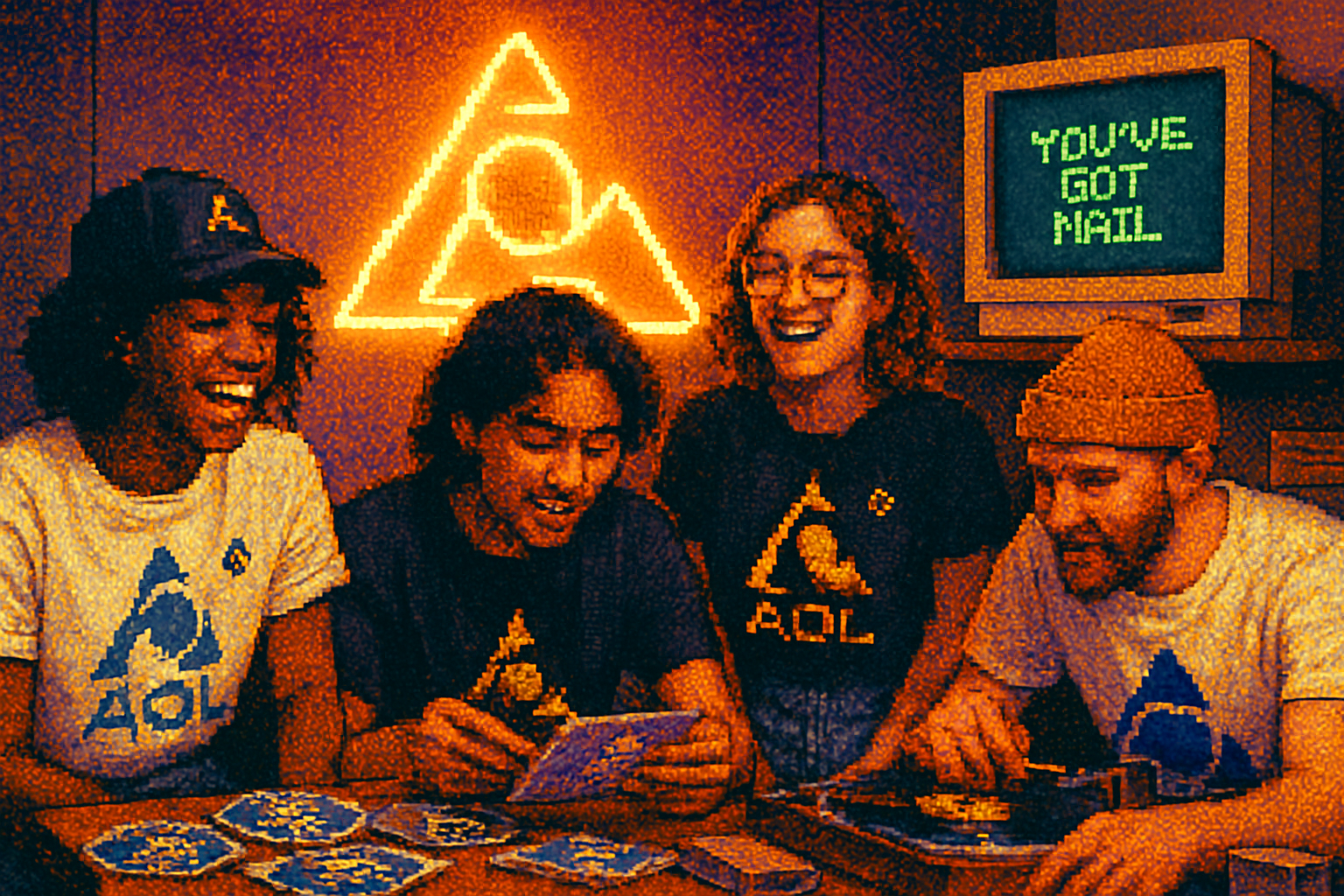
It began with a cardboard envelope in the mail. You slit it open with the quiet ceremony of someone about to be initiated into a new digital world: a glossy CD with a cheerful logo promising free hours online. When the computer finally connected-after the aggressive, keening ritual of the modem-you heard two words that felt like a small miracle: “You’ve got mail.”
That image-CDs, dial-up shriek, and a friendly AOL logo-still lands in the cultural imagination. The question now: can that fractured sentiment be forged into something that sells in 2026? Is there a market for an AOL revival that trades on nostalgia rather than pretending to be a modern ISP?
Why nostalgia sells (and why it can backfire)
Nostalgia is not a toy; it’s a weaponized emotion. Brands that wield it well amplify feelings of safety, identity, and social memory. Done badly, nostalgia reads as cringe or, worse, as a cynical attempt to monetize someone else’s childhood.
- The upside - nostalgia creates instant recognition and a low-cost emotional hook. It accelerates word-of-mouth. You don’t have to explain who you are.
- The downside - nostalgia is a feeling, not a business model. It can drive engagement but won’t pay for server racks or customer support.
For context on generational touchstones and how different cohorts respond to cultural cues, see Pew Research’s breakdown of Millennials and Gen Z here.
Who would buy AOL nostalgia? Segmenting the market
- Millennials (born ~1981–1996) - The core demographic. Many remember AOL as their first internet. They have disposable income, a taste for ironized authenticity, and buy nostalgia as both comfort and status.
- Older Gen Z (born ~1997–2012) - They didn’t live through dial-up the way Millennials did, but they embrace Y2K and retro aesthetics. Their interest tends to be visual and performative (TikTok trends, vintage logos on hoodies). Conversion requires credibility and cultural cachet.
- Beyond consumers - collectors, designers, and retro-tech hobbyists. These groups are smaller but spendy and critical for generating secondary buzz.
What products actually make sense
Not every nostalgic relic deserves a return. Here are promising categories and why they might-or might not-work.
Merchandise (high potential)
- T-shirts, hoodies, enamel pins, trucker hats with the classic AOL logo or “You’ve got mail” typography.
- Niche designs - floppy-disk patches, dial-up waveform art, mock AOL CD art prints.
- Distribution - direct-to-consumer drops, limited runs, collaborations with established streetwear or nostalgia-friendly brands.
- Why it works - low overhead, high margin, easy to viralize on Instagram/TikTok.
Experience pop-ups (medium-high)
- 1990s-style internet cafes, photo-ready installations, “dial-up listening” rooms, or immersive exhibits.
- Tickets, merchandise, and influencer events can amplify coverage.
- Why it works - experiences create shareable content and reinforce authenticity.
Premium nostalgia content (podcasts, documentaries) (medium)
- A podcast series about the early internet, featuring founders, culture critics, and anxious parents who thought AOL would last forever.
- Why it works - low production cost, fits modern audio consumption habits.
Tiny digital products (email-themed) (experimental)
- Branded email addresses, retro web skins, or a privacy-minded AOL-branded email with modern features.
- Why it’s risky - rebuilding trust in a consumer-facing service is expensive and fraught with legal and security obligations.
Revival of services (low)
- Relaunching an internet service, dial-up, or large-scale platform would be capital-intensive and strategically dubious.
- Why it usually fails - legacy brand cachet rarely translates to product-market fit in modern infrastructure-heavy categories.
Playbook for a low-risk rollout
Start with limited merchandise drops
- Small inventory, test price points, use print-on-demand to reduce inventory risk.
- Track sell-through, acquisition cost per customer, and social engagement.
Co-create with cultural tastemakers
- Partner with a streetwear label, a retro hardware company, or a Gen Z micro-influencer who gets Y2K aesthetics.
- Authenticity is everything - audiences smell corporate opportunism instantly.
Create a content halo
- A short podcast or mini-documentary series titled something like “You’ve Got Story”-storytelling about early internet life, told with wit and irony.
- Use this content to drive newsletter signups and merch sales.
Run ephemeral experiences
- Pop-up exhibits in cities with strong nostalgia economies (NYC, LA, London, Tokyo). Sell tickets and exclusive merch.
Measure and iterate
- KPIs - sell-through rate, repeat purchase rate, newsletter conversion, social share rate, and earned media value.
- Use A/B testing for messaging - warm, sincere nostalgia vs. ironic, meme-ready nostalgia.
Risks and brand baggage
- Baggage - AOL isn’t just cute; it’s also associated with painfully slow internet, missteps (the Time Warner merger), and then-obsolete technology. Some memories are affectionate; others are humiliating.
- Oversaturation - nostalgia is being used everywhere. To stand out you must either be hyper-authentic or amusingly self-aware.
- Legal/IP - ensure clear rights to logos and slogans. Ownership of the AOL brand has shifted; legal clearance is non-negotiable.
- Modern expectations - if you attempt any service-led revival (email, app), you must meet modern security and UX standards. Failure here poisons the brand quickly.
Case studies and analogues
- Polaroid and vinyl - companies that leaned into heritage while modernizing manufacturing and distribution have seen sustained success (see the broader Polaroid comeback and the vinyl resurgence).
- NES Classic and Atari - nostalgia-driven hardware and limited-edition relaunches can create enormous buzz when executed as collectable, premium objects (
- These examples show that tangible, well-crafted objects or experiences perform better than attempts to retro-fit a brand into a modern tech category.
For background on AOL’s rise and cultural impact, see the company history on Wikipedia: AOL.
For a snapshot of generational tastes and how Millennials and Gen Z differ, consult Pew Research: Where Millennials end and Gen Z begins.
For a short primer on why nostalgia marketing works (and how it’s used), see this industry overview: Why Nostalgia Marketing Works (Forbes).
A practical test plan (two-month pilot)
Week 1–2: Concept & small production
- Two t-shirt designs, one enamel pin, mock-ups for social. Kickoff with a micro-influencer brief.
Week 3–4: Launch
- Limited drop via Shopify, price points at $28–$65. Run paid social targeted at 25–40 year olds with retro creative; separate campaign for 18–24 year olds featuring trendier styling.
Week 5–8: Events & content
- Release a three-episode podcast. Host a one-day pop-up in a major city. Evaluate sell-through and attendance.
Decision gate at Week 8: If sell-through > 45% and social ROI is positive, expand product range and plan second drop. If not, harvest data and pivot to content-only or license deals.
The verdict - will millennials and Gen Z buy AOL again?
Yes-but with caveats.
- Millennials - prime candidates. They carry the nostalgia and also the budgets. A well-curated merch line and a smart experiential campaign will find buyers.
- Gen Z - receptive, but only if the revival reads as culturally relevant (ironic, photogenic, or collab-heavy). They want the look and the meme value more than the memory.
What won’t work: pretending AOL can be a serious modern ISP or launching bloated legacy services without a contemporary value proposition. Nostalgia is an accelerant, not a sustainable engine.
If you’re planning a revival, remember this: sell feelings first, objects second, and services last. The feeling sells the story; the objects monetize it; the services require competence and long-term investment. Do the first two well, and you may be able to afford the third-if you still want it.