· retrotech · 7 min read
From Obscurity to Cult Classic: The Resurgence of the Sharp X68000
Once a Japanese powerhouse revered for arcade-perfect ports, the Sharp X68000 has gone from obscure museum piece to cult obsession-driven by nostalgia, archival zeal, emulation, and a fertile community that keeps building, porting, and remastering its software and hardware.
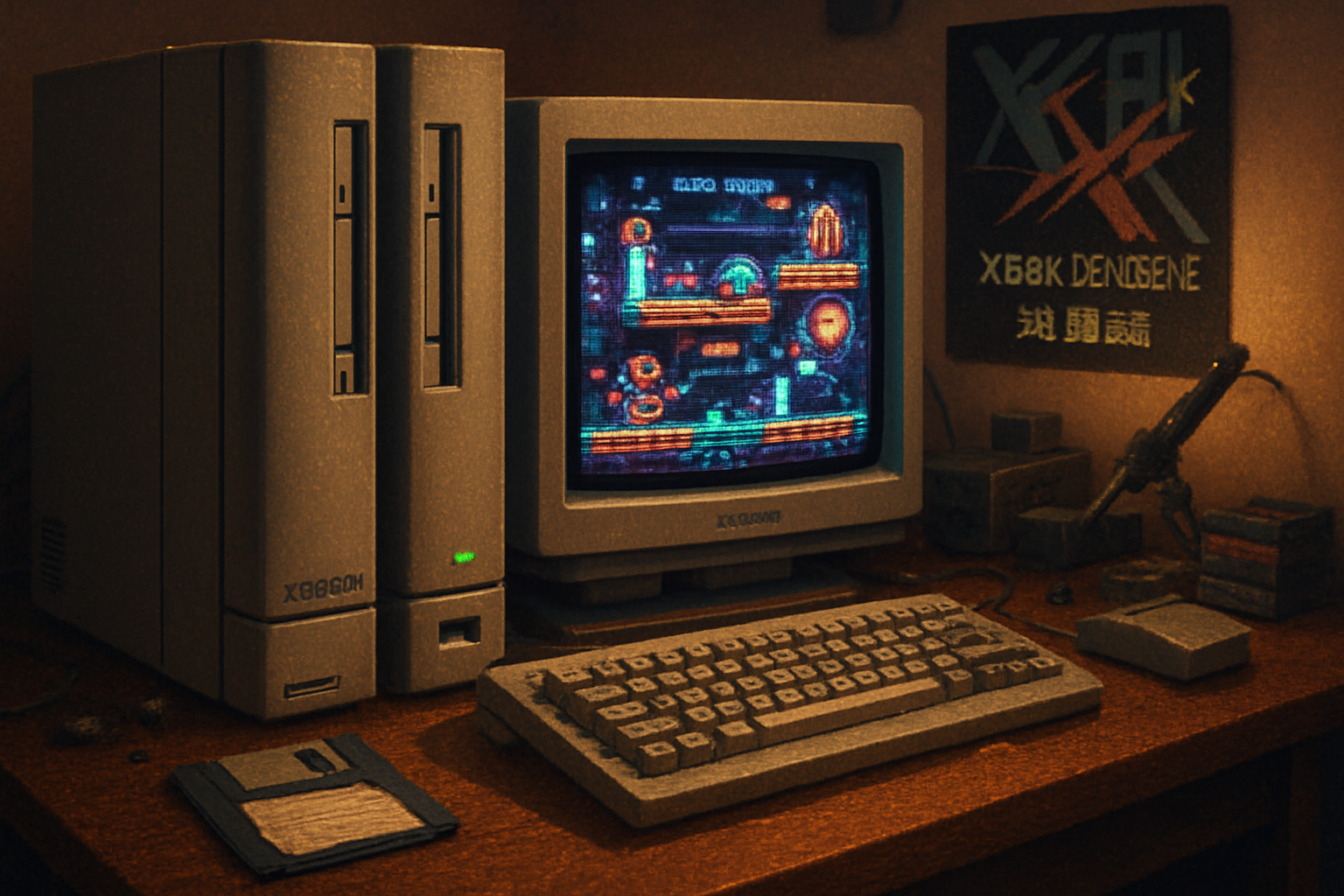
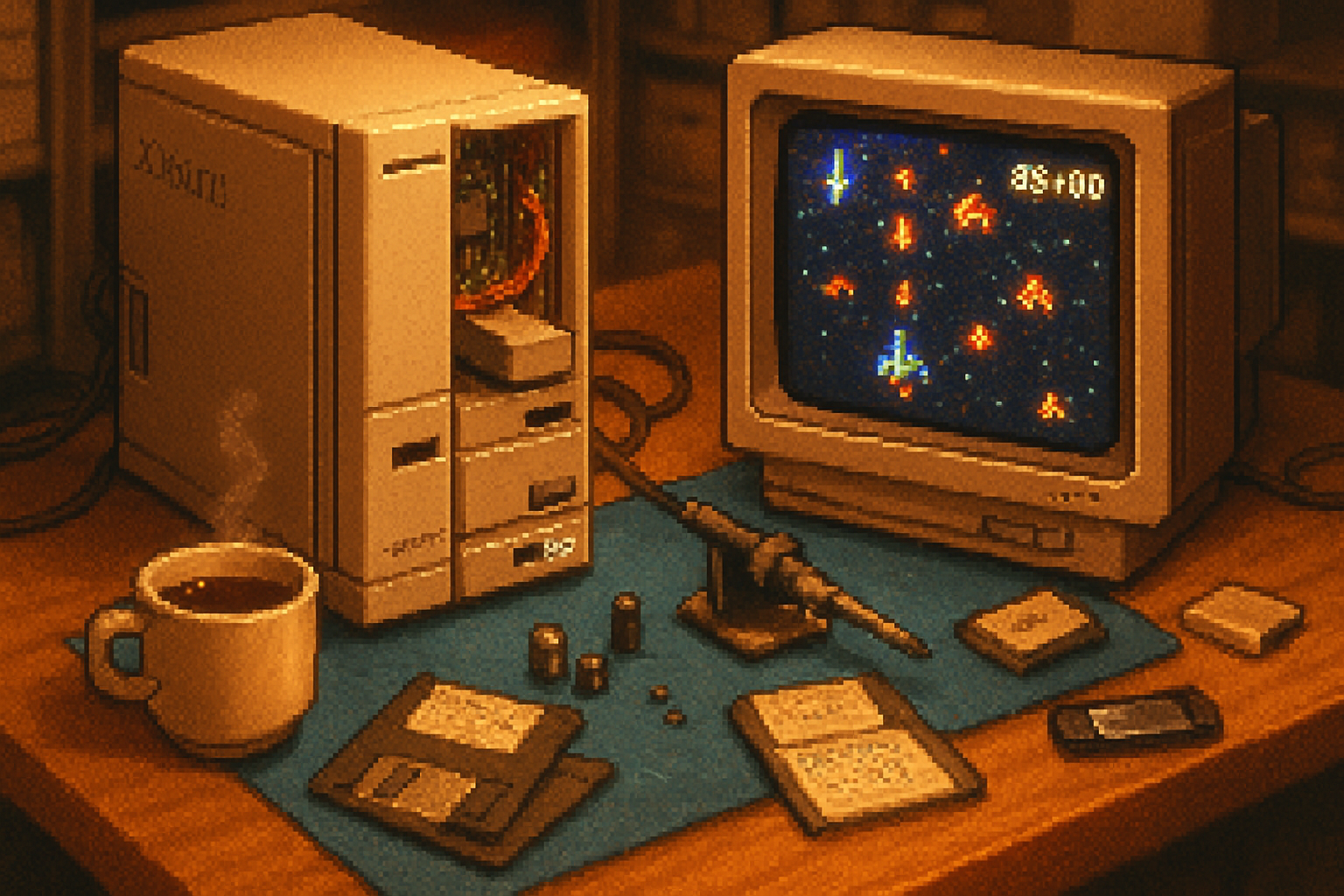
A man at a Tokyo flea market spots a battered beige tower under a pile of magazines. He lifts the lid. Inside, neatly wrapped in a plastic bag, is a factory manual, a floppy disk stamped in kanji and - startlingly - a handwritten label for an X68000 demo. He pays the equivalent of coffee and walks away feeling like he’s smuggled back a small, illegal arcade cabinet.
That image - equal parts scavenger thrill and archaeological glee - captures why the Sharp X68000 has become a cult object. Once a high-end Japanese workstation and the secret sauce behind some of the best home ports of arcade titles, the X68000 has gone from museum curiosity to a vibrant hub of remakes, re-releases, and community-driven projects.
Why the X68000 wasn’t forgotten (but almost was)
The X68000 launched in 1987 as a cutting-edge microcomputer for the Japanese market. It boasted powerful 68000-family CPUs, advanced graphics and sound hardware for its era, and an OS called Human68k that felt like a grown-up DOS - only sharper and more Japanese in its ergonomics.
But it was never global. Sharp never pushed the X68000 widely outside Japan, and the platform’s commercial life was short-lived as consoles and IBM-PC compatibles marched on. For decades it lived in the niche: adored by an enthusiastic base of Japanese developers, demo coders, and collectors - and largely invisible to the West.
- It was powerful and idiosyncratic. Good for arcade-perfect ports, lousy for mass-market software ecosystems.
- It was region-locked by language and distribution. Western users needed either deep Japanese fluency or a guide.
- Hardware scarcity made parts expensive and repairs arcane.
So the X68000 should have been a footnote. Instead it turned into a slow-burning obsession.
What “resurgence” actually looks like
When people say “resurgence,” they rarely mean a single, tidy phenomenon. For the X68000 it’s a cluster of overlapping movements:
- Emulation and improved preservation (MAME, standalone emulators) that make games playable on modern systems.
- Homebrew and new commercial releases for retro collectors and fans.
- Remakes and ports that transplant or reimagine X68000 titles for contemporary platforms.
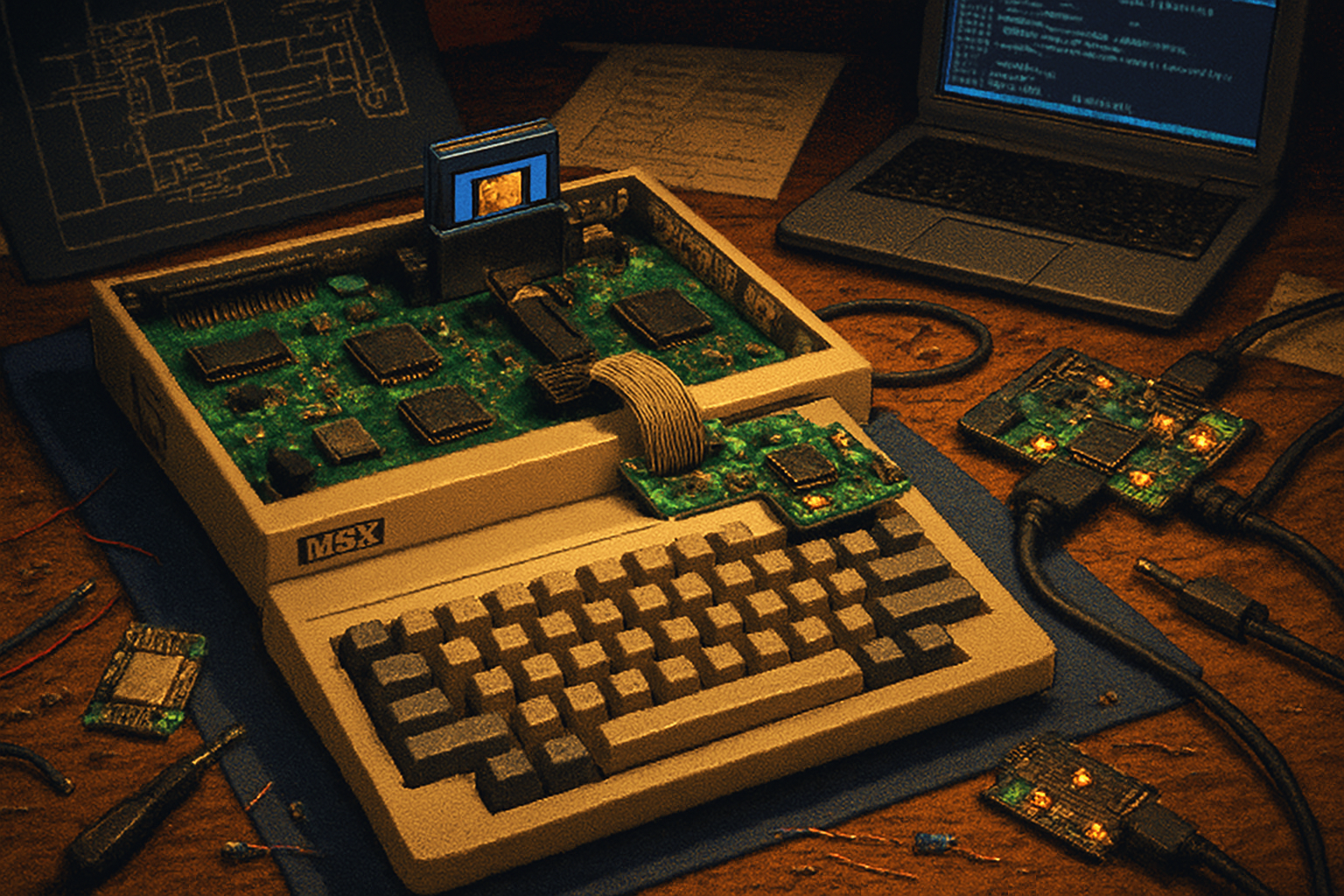
- Hardware resurrection - repairs, RGB mods, FPGA recreations and bespoke microcontroller projects that make the machines usable again.
- A thriving online community - forums, social media groups, and events where people trade disks, files, and techniques.
All of these add up. Emulation lowers the barrier-to-entry. Hardware hacking restores the tactile ritual. Remasters give modern players a reason to pay attention. The collective effect is cultural: the X68000 moves from dusty to desirable.
The engines of revival
Here are the specific forces fueling the comeback - and why each matters.
1) Emulation and preservation
Emulation is the oxygen of retro computing. Without accurate emulators and disk archives, games rot in region-specific media.
- Projects like MAME and community emulators have improved X68000 compatibility, letting people experience titles without hunting hardware. See the MAME project for context: https://www.mamedev.org/
- Disk images and software archives preserve decades of floppies and CD-ROMs that would otherwise decay.
Why it matters: emulation democratizes the library. You don’t need a pricey X68000 to fall in love with its games.
2) Homebrew, fan remakes, and indie attention
Once the ROMs and tools are available, creativity floods in.
- Hobbyist developers write new games or translations for the X68000. They release them as disk images, reproduction media, or even limited-run physical releases.
- Indie studios and fans create modern remakes or ports of X68000 classics, sometimes with updated graphics or quality-of-life features.
Why it matters: the platform is not a mausoleum. It’s a workshop.
3) Hardware hacking, repairs, and FPGA
Collectors are notorious repairers. A dead board is a puzzle. Parts are reverse-engineered or substituted. RGB and audio mods restore CRT-era glory on modern displays.
- FPGA implementations and custom boards aim to recreate X68000 behavior in solid-state, reliable hardware. Even when full FPGA recreations aren’t commercial, hobbyists build accurate clones of specific chips and buses.
Why it matters: tactile authenticity - the clack of a keyboard, the scanlines of a CRT - makes the experience visceral.
4) Community culture and the demoscene
The X68000 was never just about games. It was a canvas for the demoscene: programmers and musicians pushing the machine to its limits.
- Demos and music disks from the ’80s and ’90s have been rediscovered and celebrated. New demoscene productions keep the platform technically alive.
Why it matters: the X68000’s identity isn’t only nostalgia for specific games; it’s an aesthetic and technical tradition.
Notable types of projects you should know about
(If you want names and examples, think in categories rather than a single blockbuster title.)
- Preservation archives and translated manuals - volunteers digitize magazines, guides, and disk images.
- Emulation improvements - patches that fix timing, sound, and graphics bugs that previously made certain games unplayable.
- Homebrew releases - small runs of floppies or CD-ROMs with new games, sometimes shipped with hand-printed manuals.
- Physical restoration shops - individuals or micro-businesses that recap capacitors, swap faulty chips, and sell refurbished X68000s.
- FPGA cores and hardware clones - projects attempting to reproduce X68000 behavior in new hardware (reducing dependence on aging originals).
The economics: why micro-markets form
This isn’t a mass-market revival. It’s a micro-economy built on collector psychology and scarcity economics.
- Limited supply of hardware + high emotional value => willingness to pay surprisingly large sums for originals.
- Limited runs of modern reproductions create scarcity by design, turning releases into events.
- Community distribution channels (Discord, Japanese forums, niche stores) act like boutique galleries - everything is curated, and curation raises perceived value.
It’s not a bubble. It’s a glass-eyed boutique market: expensive, narrow, and vibrantly alive.
The cultural itch: why the X68000 matters beyond nostalgia
Nostalgia alone can’t explain a revival. The X68000 scratches a specific cultural itch:
- It represents an era when home computing was a builder’s medium - not just consumption.
- Its software catalog includes arcade-perfect ports and experimental works that feel artistically dangerous.
- The machine embodies a pre-globalized Japanese computing scene - idiosyncratic, local, and thus, exotically pure.
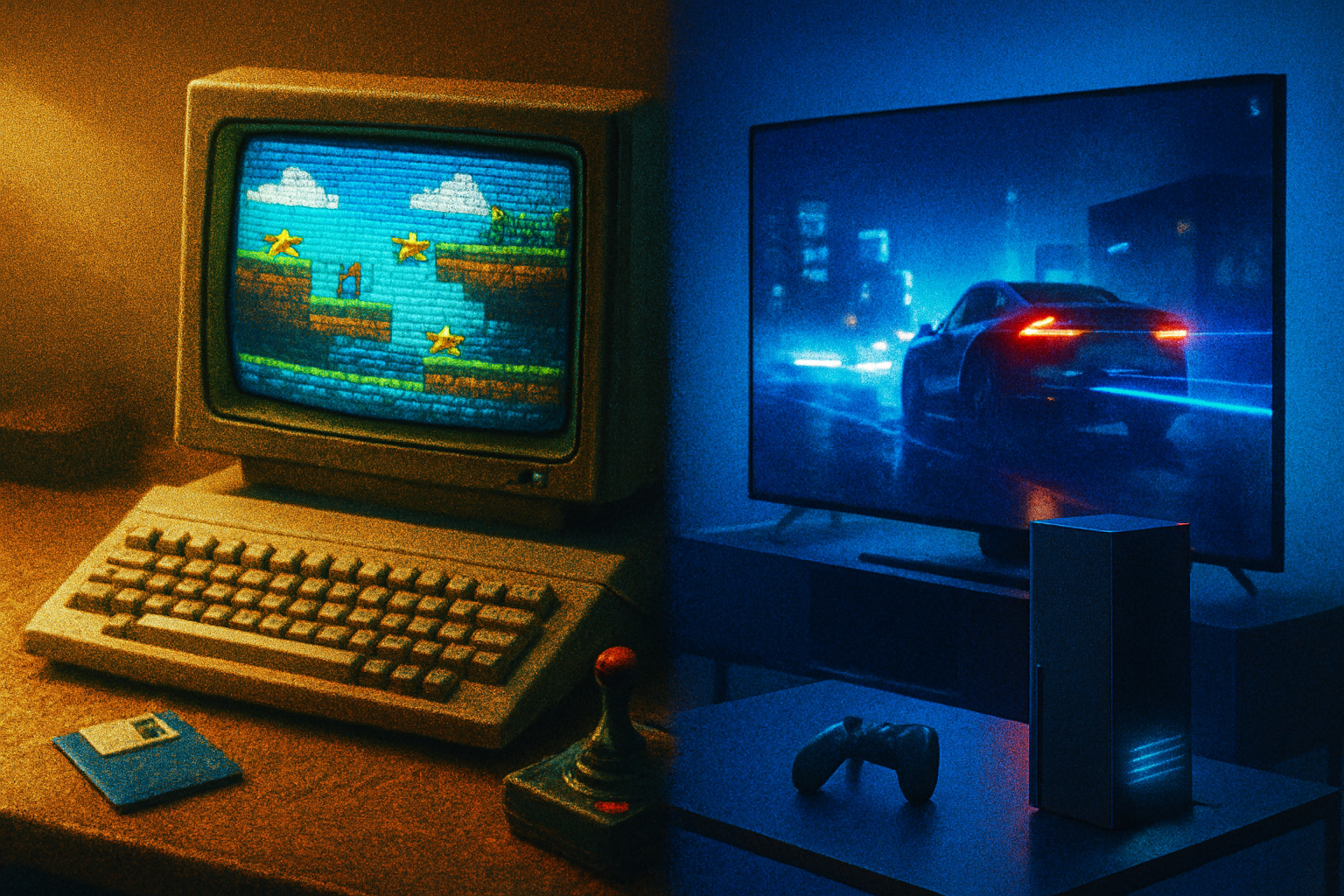
Think of it like vinyl for electroheads: yes, you can stream a track, but if you want the warmth, the ritual, and the provenance, you go to the record store.
Risks, fragility, and the ethics of preservation
Romanticizing preservation glosses over real problems.
- Many restoration projects rely on leaked ROMs and ambiguous copyright situations. Legal gray zones persist.
- Hardware is fragile. If the community doesn’t document repair knowledge, the physical culture can vanish fast.
- Gatekeeping can happen - elitism creeps in when rare disks or machines are hoarded.
Responsible preservation balances passion with transparency. Open documentation, published procedures, and permissive archiving (where possible) are practical anti-elitism.
How to join the scene (without sounding like a tourist)
- Learn the basic ecology - read the machine’s Wikipedia page and Human68k docs:
- Try legal emulation first (MAME or community emulators) to sample the catalog.
- Join forums and follow Japanese hobbyist accounts; approach with curiosity and patience - many conversations are technical and historically dense.
- If you buy hardware, buy from documented sellers and ask for photos of capacitors and traces; be prepared to learn basic soldering.
- Contribute - translate a manual, document a repair, or donate disk images to public archives.
The future: a plausible scenario
In five years there will be no singular “X68000 moment.” Instead you’ll see incremental normalization: better emulation, a steady trickle of homebrew releases, and more polished ports or remasters that borrow design cues rather than being slavish clones. FPGA projects may produce a reproducible hardware alternative that restores tactile rituals without the fragility.
That outcome preserves the best of both worlds: accessibility for newcomers, authenticity for collectors.
The final, unapologetic point
The X68000 lives today not because it was the best machine objectively, but because it was interesting enough to inspire obsessive care. Interest begets preservation; preservation begets creativity; creativity stokes interest. It is a positive feedback loop built from communal obsession, technical curiosity, and the unique aesthetics of late-80s Japanese computing.
If you want to understand why retro scenes persist, start here. The X68000 is not a relic. It’s a rehearsal - a place where people practice the very act of keeping culture alive.
References
- Sharp X68000 - Wikipedia: https://en.wikipedia.org/wiki/Sharp_X68000
- Human68k (the X68000 OS) - Wikipedia: https://en.wikipedia.org/wiki/Human68k
- MAME - Official site for emulation and preservation: https://www.mamedev.org/
- Hardcore Gaming 101 - X68000 coverage (historical context):