· retrogaming · 5 min read
The Rise and Fall of Watara Supervision: A Case Study in Gaming Innovation
The Watara Supervision arrived as a cheap, ambitious challenger to Nintendo’s Game Boy. This case study traces its design choices, patchwork game library, distribution woes, and the business mistakes that turned an interesting innovation into a footnote - with clear lessons for modern hardware and indie developers.
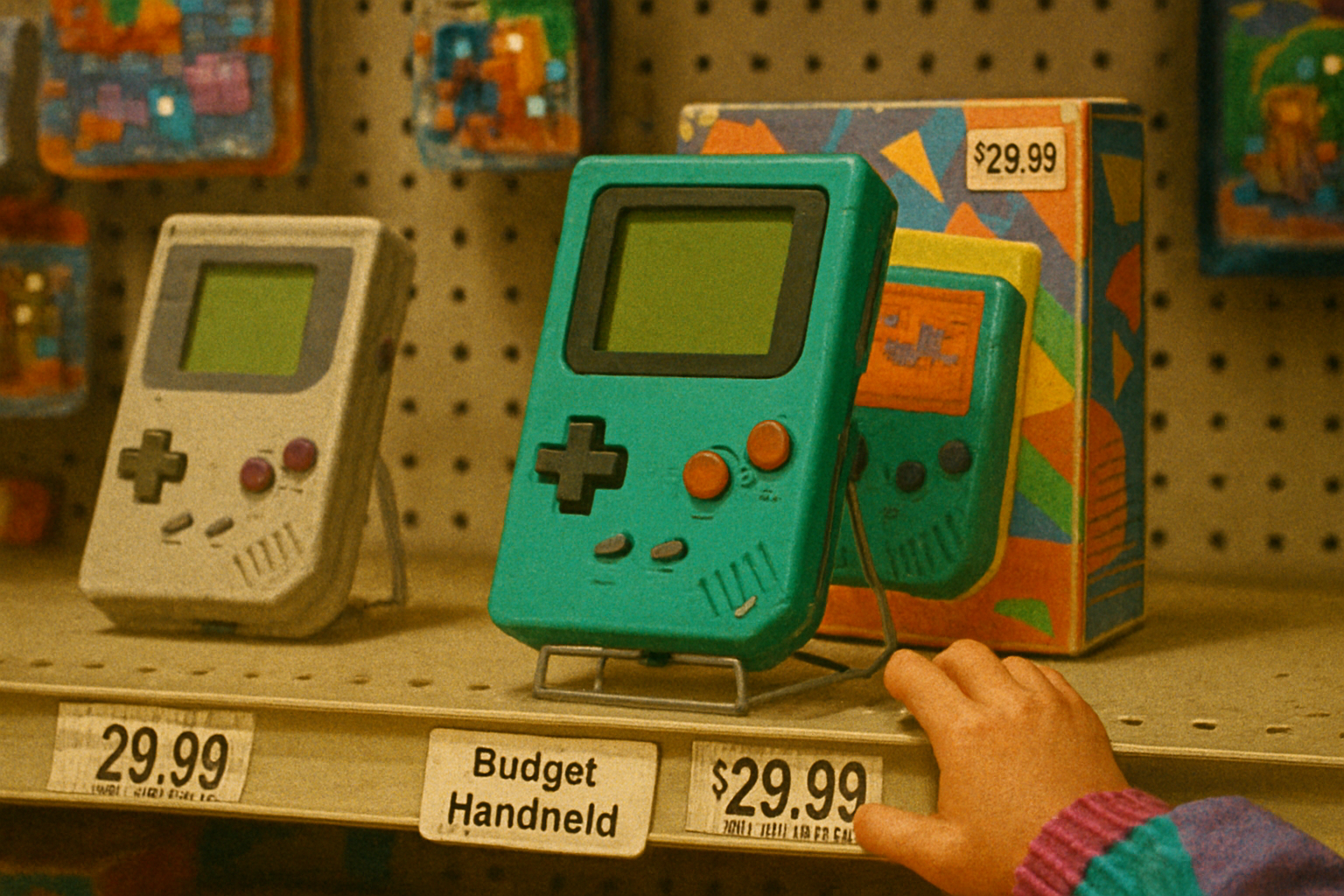
A bright plastic bargain on the discount shelf
Picture a fluorescent-lit toy store in 1992. Next to the dignified, grey block of the Game Boy sits a cheaper, flashier handheld: a larger screen, a more colorful case, and a price tag that leaves parents nodding. You pick it up. The buttons feel iffy. The screen looks… strange. But the price is right.
That handheld was the Watara Supervision - a machine that made bold, contrarian choices and then lost the war anyway. Its story is a short, sharp lesson in how hardware innovation without ecosystem, polish, or trust rarely survives long.
What the Supervision tried to be
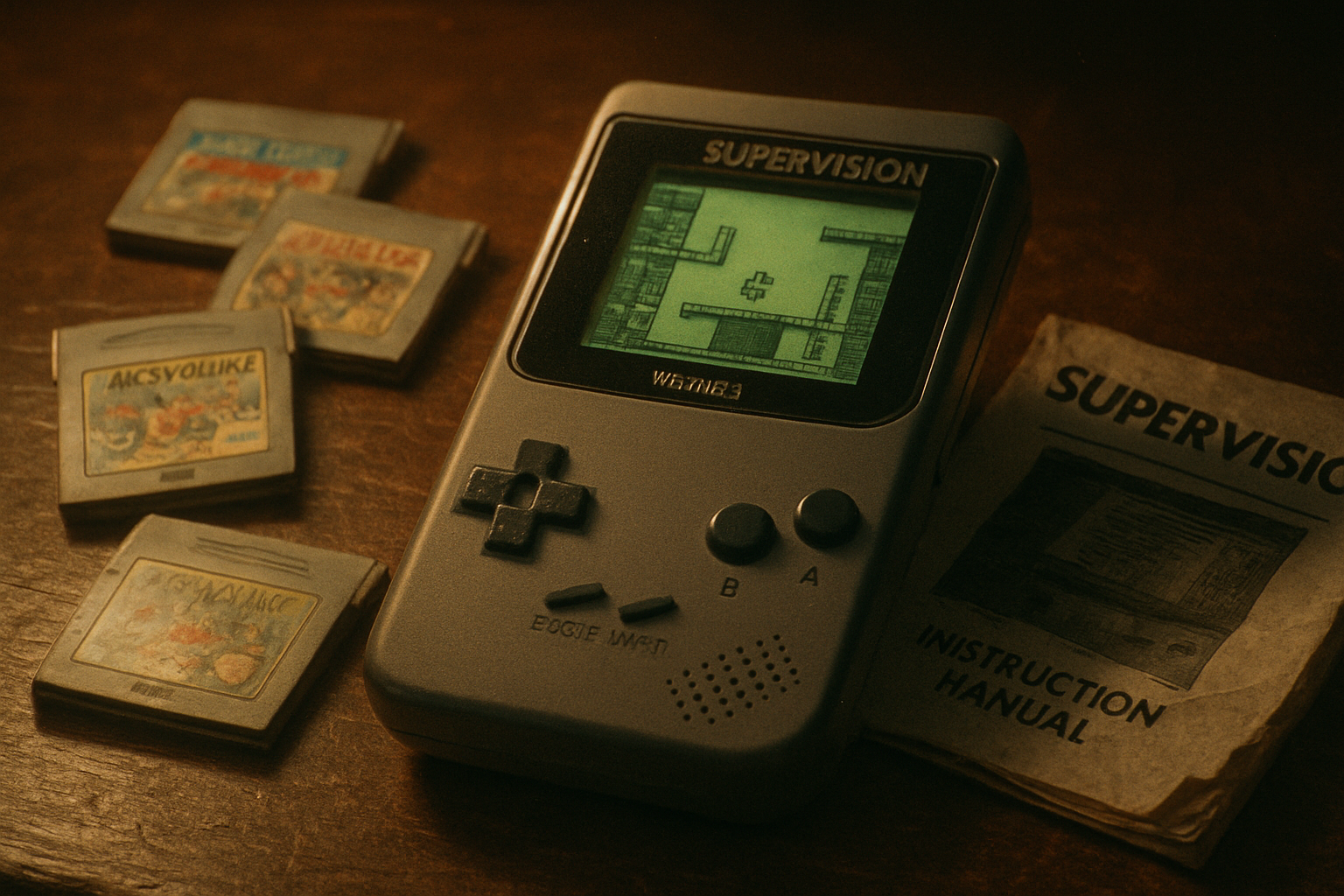
Watara, a Hong Kong electronics firm, released the Supervision in the early 1990s as a lower-cost alternative to Nintendo’s Game Boy. It leaned on three selling points:
- A larger, allegedly superior display than the Game Boy’s tiny viewing window.
- A far lower price to win budget-conscious buyers.
- Open-minded licensing - ports, budget titles, and third-party conversions to bulk up the library quickly.
It was the classic disruptor formula: better specs for less money. But the devil, as always, lives in the ergonomics, software, and distribution.
(For a concise overview of the console’s specs and timeline, see the Supervision entry on Wikipedia.) [https://en.wikipedia.org/wiki/Watara_Supervision]
Design choices: ambitions and compromises
Watara’s engineers made some decisions that look reasonable on a spec sheet but feel cheap in the hand.
- Bigger screen, worse clarity. The larger screen was a headline feature, but it suffered from poor contrast and ghosting. In a world where gameplay feedback is everything, a blurry pulse of pixels is worse than a smaller, sharp display.
- Plastics and ergonomics. The casing and D-pad were serviceable but not delightful. The D-pad’s travel and feel mattered - and Game Boy’s simple, reliable control was a major advantage.
- Cartridge and hardware openness. Watara leaned into cheap licensing and conversions. That widened the library quickly but invited low-quality ports, clones, and half-finished titles.
The result? A machine that looked good on the spec sheet and on price tags, but that betrayed players the moment they started playing.
The library: quantity over quality
Where Nintendo carefully curated a steady drip of killer first-party titles, Watara gambled on volume. The Supervision’s catalogue was dominated by:
- Budget ports of arcade and 8-bit titles.
- Licensed but low-effort conversions.
- Titles produced by small teams or outsourced studios with variable quality control.
A heavy reliance on third-party, inexpensive ports meant there were few system-defining games. Without a “killer app,” consumer interest fell away. Many buyers discovered the same miserable pattern: the hardware looked attractive, but the games weren’t compelling enough to justify the tradeoffs.
Distribution, advertising, and brand trust
Hardware succeeds not only on build or library but on how it’s sold and who vouches for it. Watara lacked:
- A global marketing engine behind the product. Nintendo had built decades of trust and tight retailer relationships.
- Consistent regional support. The Supervision’s availability and quality control varied by market, which made word-of-mouth unreliable.
- Developer relations. Without strong incentives and a stable SDK/documentation environment, high-quality third-party titles weren’t coming.
Cheap price is a short-term lure. Long-term adoption depends on confidence - and confidence is built by consistency and brand storytelling.
How competitors capitalized
Nintendo didn’t always beat rivals on specs. The Game Boy had a lower-contrast screen and slower internals than some competitors, but:
- Its battery life was better optimized.
- Its library included platform-defining titles like Tetris and first-party franchises.
- Nintendo controlled the supply chain, labels, and retailer relationships that turned curiosity into a durable ecosystem.
Where Watara was opportunistic, Nintendo was infrastructural. One sells a machine, the other builds a platform.
The death spiral: small missteps that matter
The Supervision’s decline wasn’t caused by a single catastrophic error. It was the accumulation of multiple, avoidable problems:
- User experience gaps (controls, screen clarity) that broke player immersion.
- A flooded library with too few memorable titles.
- Weak developer support and lack of exclusive content.
- Patchy marketing and distribution, which eroded trust.
Each issue on its own might have been fixable; together they shut off the most important feedback loop: positive word-of-mouth.
What modern developers and hardware makers should learn
The Supervision is not a relic just to be mocked. Its story offers three concrete lessons:
Hardware specs are a promise; user experience is the contract.
- Bigger or cheaper is meaningless if it makes games harder to play. Optimize for the human interface, not the spec sheet.
Build the ecosystem before or alongside the device.
- Launching hardware with a thin roster of middling titles is a losing bet. Invest in a few high-quality, emblematic games (or apps) that demonstrate the platform’s strengths.
Trust scales faster than price cuts.
- Consumers remember broken promises. A low price can attract early adopters - but it won’t build an installed base without consistent quality and support.
A corollary for indie hardware makers: control what you can. Tight hardware–software co-design, clear developer tools, and solid documentation are cheaper and more effective than flashy marketing.
Two modern analogies worth your time
- The Ouya console (2013). Hype, cheap price, lots of indie ports - and a similar failure to secure compelling exclusives and polish.
- Certain low-cost Android gaming handhelds today. They can promise retro emulation and stunning specs, but often fail on ergonomics, battery life, or software experience.
Both stories echo Watara’s: the same pitfalls recur when budgets replace craftsmanship.
Conclusion: an honorable experiment, a predictable ending
Watara’s Supervision was an earnest attempt to democratize handheld gaming with a bargain price and a big-screen pitch. Its failure wasn’t a moral indictment of low-cost innovation; it was a reminder that hardware without an ecosystem, consistent quality, and consumer trust is a house built on sand.
The Supervision belongs in the same cabinet as many admirable flops - machines with interesting ideas and imperfect execution. For modern creators, its afterlife is useful: a compact case study in why the best specs on paper do not win hearts, stores, or long-term markets.
Further reading
- Wikipedia - Watara Supervision -
- Nintendo Game Boy context - https://en.wikipedia.org/wiki/Game_Boy