· retrogaming · 6 min read
Top 10 Must-Play Games on the Watara Supervision Emulator
A curated list of ten standout Watara Supervision experiences to try on an emulator - what makes each one memorable on the tiny, quirky screen and how to get the most out of them.
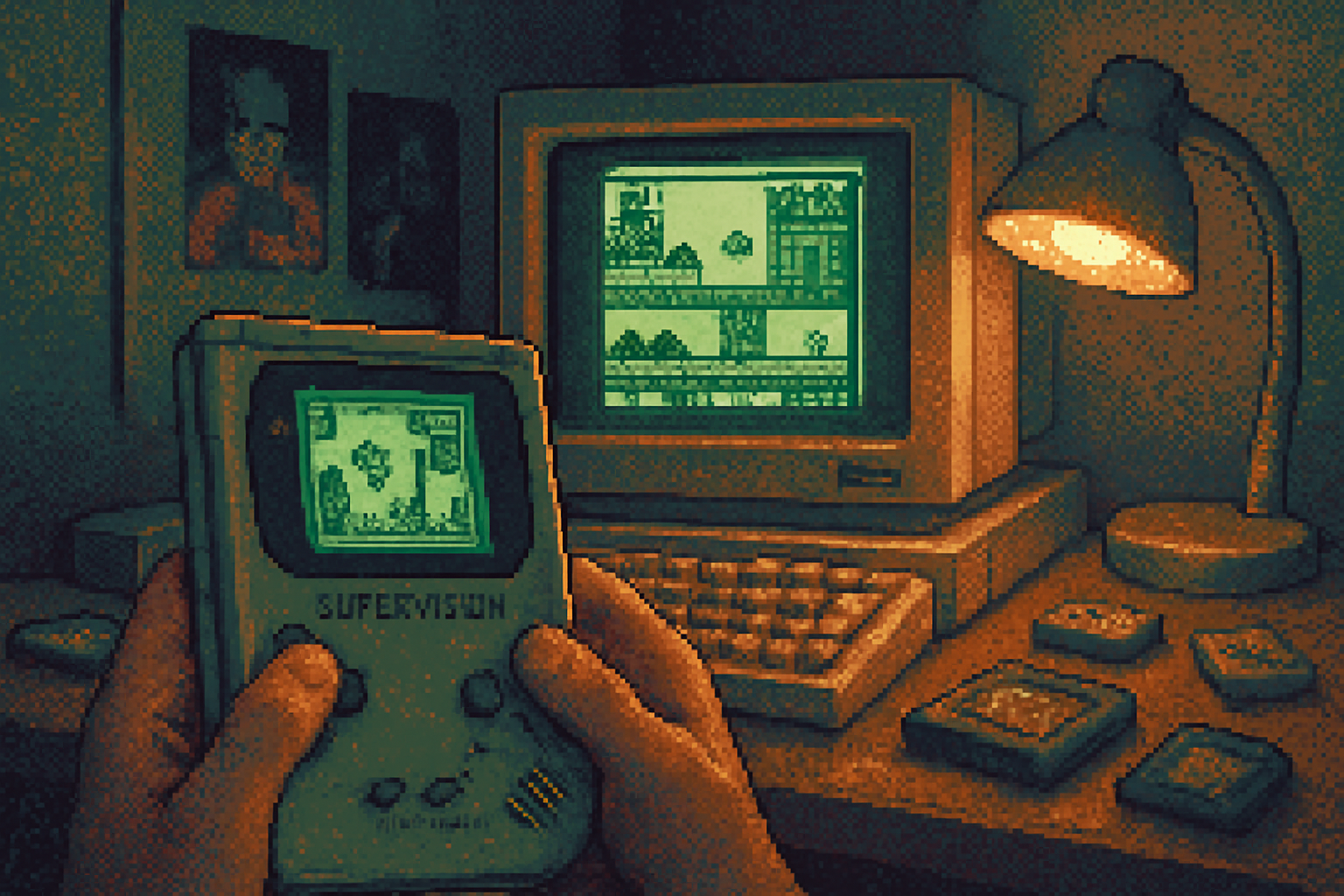
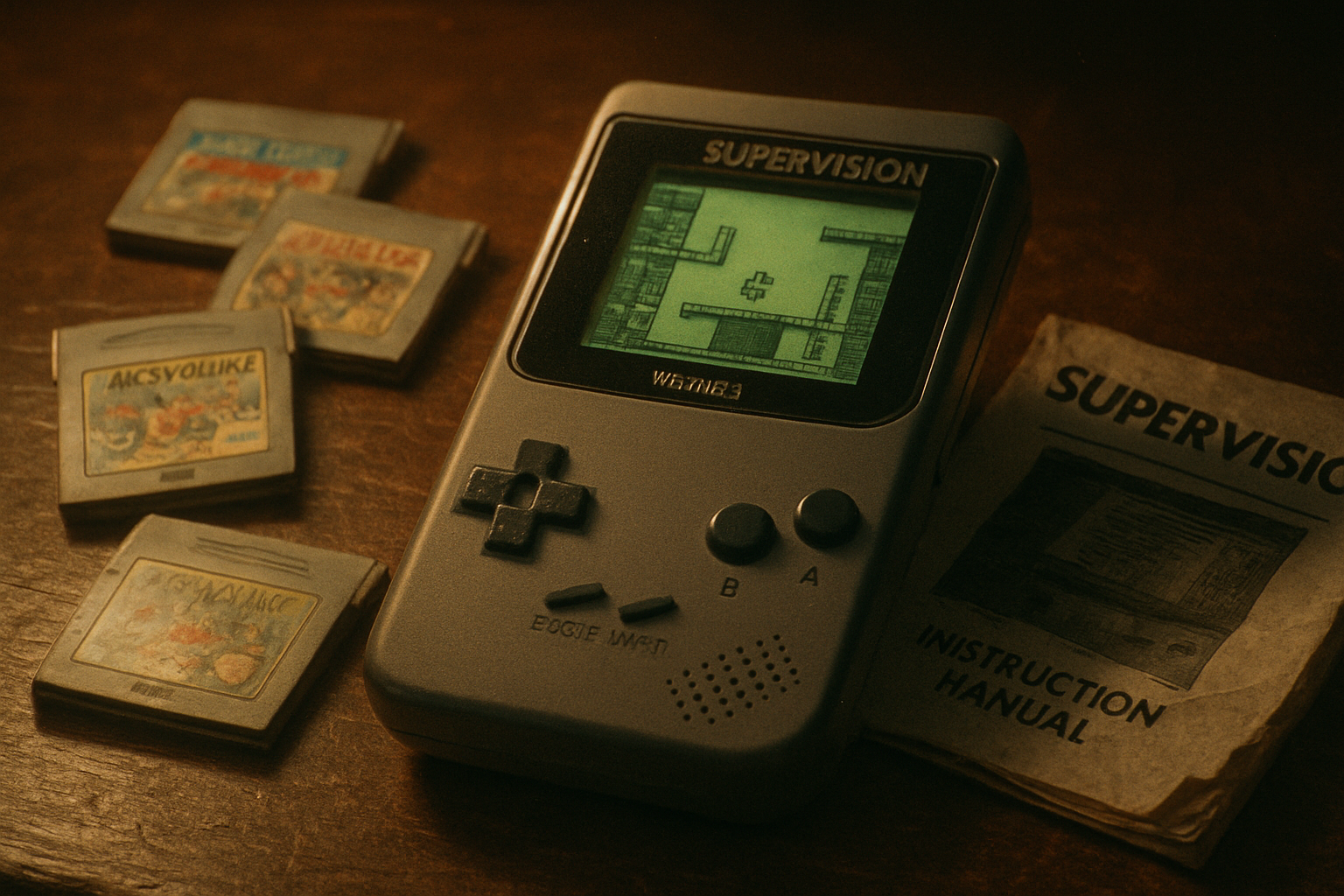
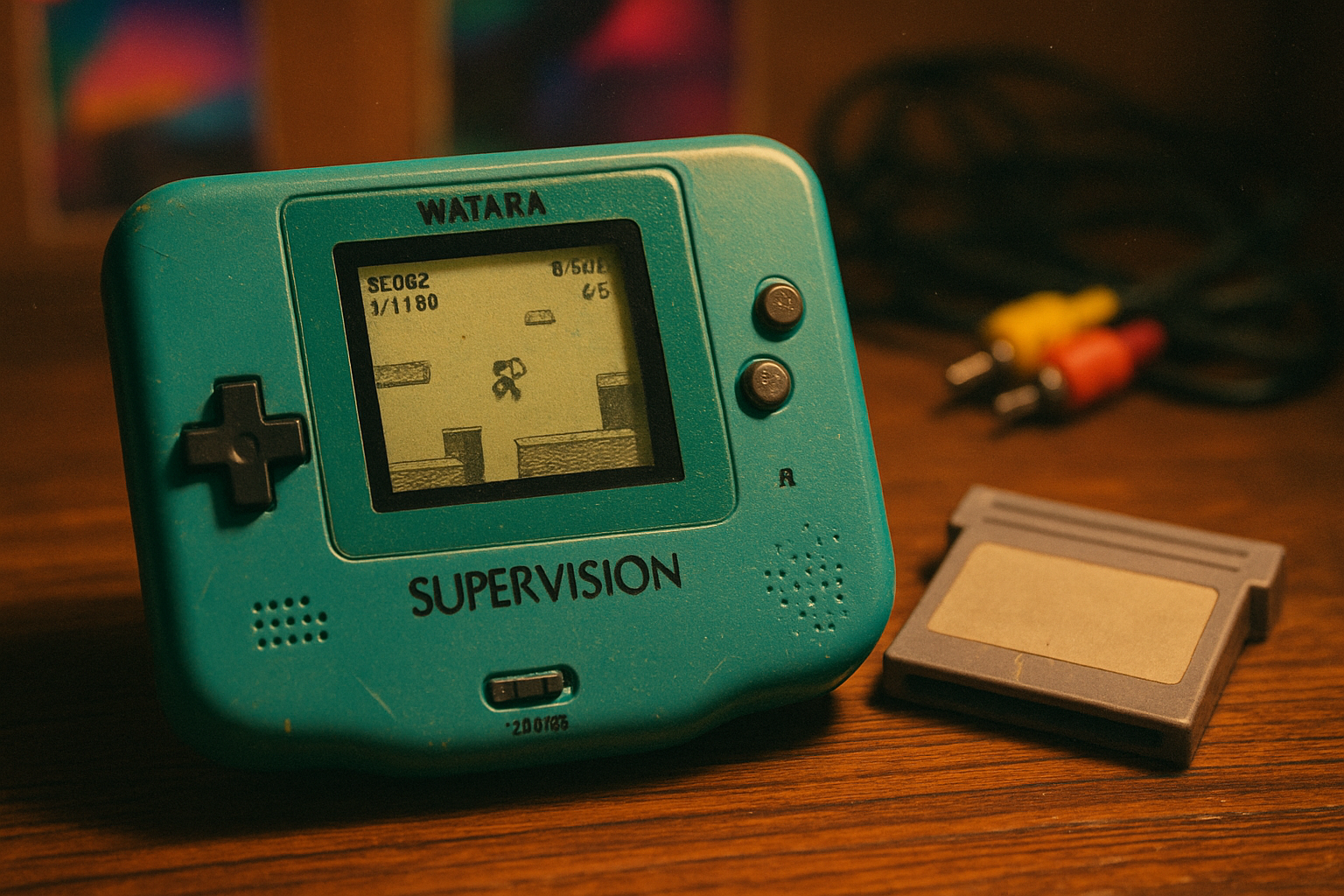
I remember a cramped hotel room in 1992, a cheap plastic handheld in my palm, and a cartridge that insisted it was ‘almost’ a Game Boy. The Watara Supervision never won the console wars. It had a terrible screen by modern standards, awful contrast, and a design that suggested aesthetics were optional. And yet, boot it up on an emulator today and a surprising thing happens: those clunky sprites, crude sound, and sometimes-clever design choices become charming, playable artifacts - little proof that constraints breed creativity.
If you’ve fired up a Supervision emulator out of curiosity, nostalgia, or the masochistic pleasure of playing a 90s oddity, you’re probably wondering where to start. Below are ten must-play experiences - the games that best show what the system could and could not do, and why they’re worth running even if you own a modern phone that can do a thousand times more.
A few quick notes before we start:
- The Supervision’s library is an odd mix of licensed ports, unlicensed clones, and regional rebrands. ROM names and packaging can vary.
- Emulation lets you bypass the original hardware’s painful screen and fiddly contrast knobs while preserving the gameplay quirks that make each title interesting.
- I avoid pedantic rank-ordering here. Instead, think of these as ten distinct experiences you shouldn’t miss.
1) The Classic Arcade Port: Space Invaders-style shooters
Why play it: The Supervision’s limited resolution actually suits fixed-screen shooters. The tiny playfield forces tight patterns and ruthless dodging. What stands out: Minimal but readable enemy formations, simple power-ups, and that satisfying ‘sweep’ sound when rows collapse. Play tip: Turn off over-ambitious scaling in the emulator and use integer zoom. Preserves the rhythm.
2) Breakout / Arkanoid clones
Why play it: Paddle-and-ball games distill play into two variables: angle and timing. On the Supervision, that simplicity becomes zen-like. What stands out: Slippery physics, chunky bricks, and frantic boss stages in some variants. Play tip: Map the emulator’s controls to a d-pad and one button for responsive play-these games punish lag.
3) Platformers with personality
Why play it: When platforming works on the Supervision, it’s surprising how much personality fits in 4–8 colors. What stands out: Tight stage design, clever enemy placement, and memorable boss encounters that feel built around the hardware limits rather than despite them. Play tip: Practice short hops and momentum management; jump arcs are unforgiving but consistent.
4) Puzzle games - Tetris-like contenders
Why play it: The Supervision’s strengths show in puzzles: clean rules, slow pacing, and addictive ‘one-more-game’ loops. What stands out: Brutal speed modes and odd UI choices that make you adapt your muscle memory. Play tip: Use emulator save states for practice drills - it’s a forgiving way to learn piece sequences.
5) Racing and overhead action
Why play it: Tiny tracks, zoomed-in sprites, and an emphasis on memorizing blind turns. Not for purists - but wildly fun. What stands out: Forced perspective attempts and extremely tight collision boxes that create emergent difficulty. Play tip: Reduce input lag in the emulator; otherwise the steering will feel dishonest.
6) Puzzle-platform hybrids
Why play it: These are the games that try to be clever - move a block, hit a switch, avoid a spike - often with surprisingly thoughtful level design. What stands out: Levels that can be solved in multiple ways and an occasional flash of genuine design ingenuity. Play tip: Use a rewind or save-state habit when you’re testing new routes - the learning curve can be glassy.
7) Sports and single-screen party games
Why play it: Simple rules, short rounds, and the kind of sloppy fun that’s perfect for passing the controller back and forth. What stands out: Ridiculous AI, wildly variable physics, and rules that read like they were tweaked in a dorm room. Play tip: Local multiplayer via the emulator’s input mapping is essential - these shine with a second human.
8) RPG-lite and action-adventure experiments
Why play it: Not deep, but some cartridges tried condensed RPG mechanics - inventory, light puzzles, and boss patterns. What stands out: Compressed stories told through item names and a stubborn refusal to give the player too much hand-holding. Play tip: Keep a notes file; on-screen text is brief and often leaves out important details.
9) Homebrew and fan-made ports
Why play it: The Supervision has a small but creative homebrew community. Emulation is the easiest way to sample these one-person triumphs. What stands out: Projects that embrace the hardware’s look rather than pretending it’s something else-clever palettes, crisp sprites, tight mechanics. Play tip: Support creators when you can. Homebrew is why many retro platforms keep being interesting.
10) The weird compilation titles and rebrands
Why play it: Because the Supervision’s catalog is a museum of 90s budget publishing. One cartridge may include a dozen short games - some good, some hilariously bad. What stands out: Odd couplings of genres, titles with aggressive misspellings, and the occasional hidden gem. Play tip: Approach these with curiosity, not expectations. You’ll find more surprises than consistent quality.
Practical tips for the Supervision-emulator curious
- Emulation settings matter - reduce input lag, use integer scaling, and if your emulator offers palette tweakers, experiment. The difference between ‘mush’ and ‘retro charm’ is often a single setting.
- Save states = permission to learn. The original cartridges punished you with limited continues; the emulator lets you explore intentionally.
- Controller choice changes your experience. A d-pad and one or two buttons captures the original feel. Gamepads with analog sticks introduce slop.
- Legal note - Only load ROMs you own or that are explicitly freeware. The Supervision’s library includes rebranded and unlicensed material-be mindful.
Why these games still matter
The Watara Supervision will never be confused for a design triumph. But it’s an honest little machine: constrained, quirky, and surprisingly fertile. Played on an emulator, the system’s flaws stop being mere limitations and become the context that clarifies each developer’s choices. You start to appreciate the tiny victories - a level that fits the screen perfectly, a control tweak that makes a boss fair, a sound effect that actually communicates.
If you want a list of specific cartridge names, regional variants, or ROM recommendations, tell me whether you want historically accurate original releases, common ROM names in emulator repositories, or modern homebrew highlights - and I’ll produce a verified, sourced top-10 list with box art notes and emulator setup tips.