· culture · 7 min read
Walkman Wars: The Great Debate Between Analog Purity and Digital Perfection
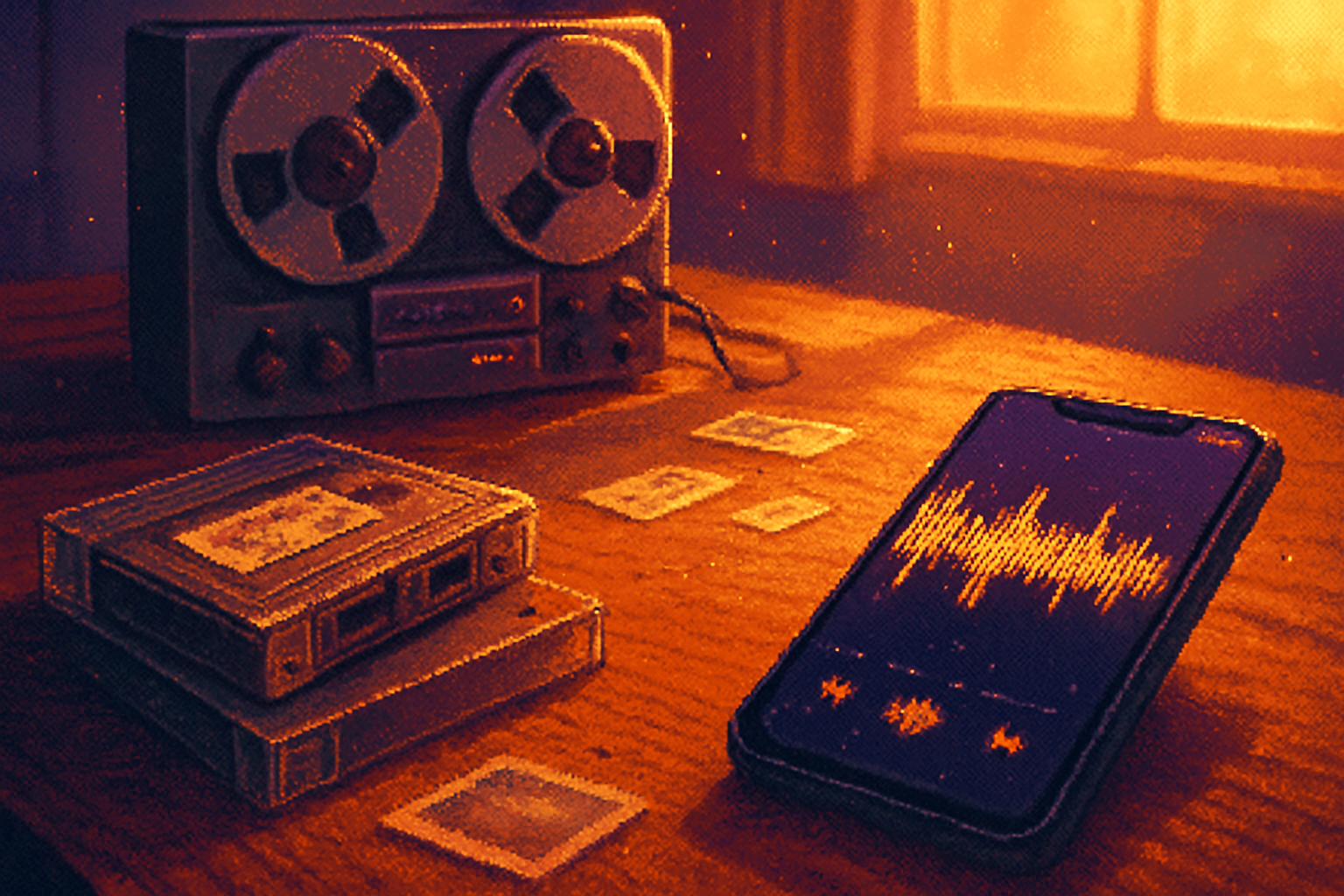
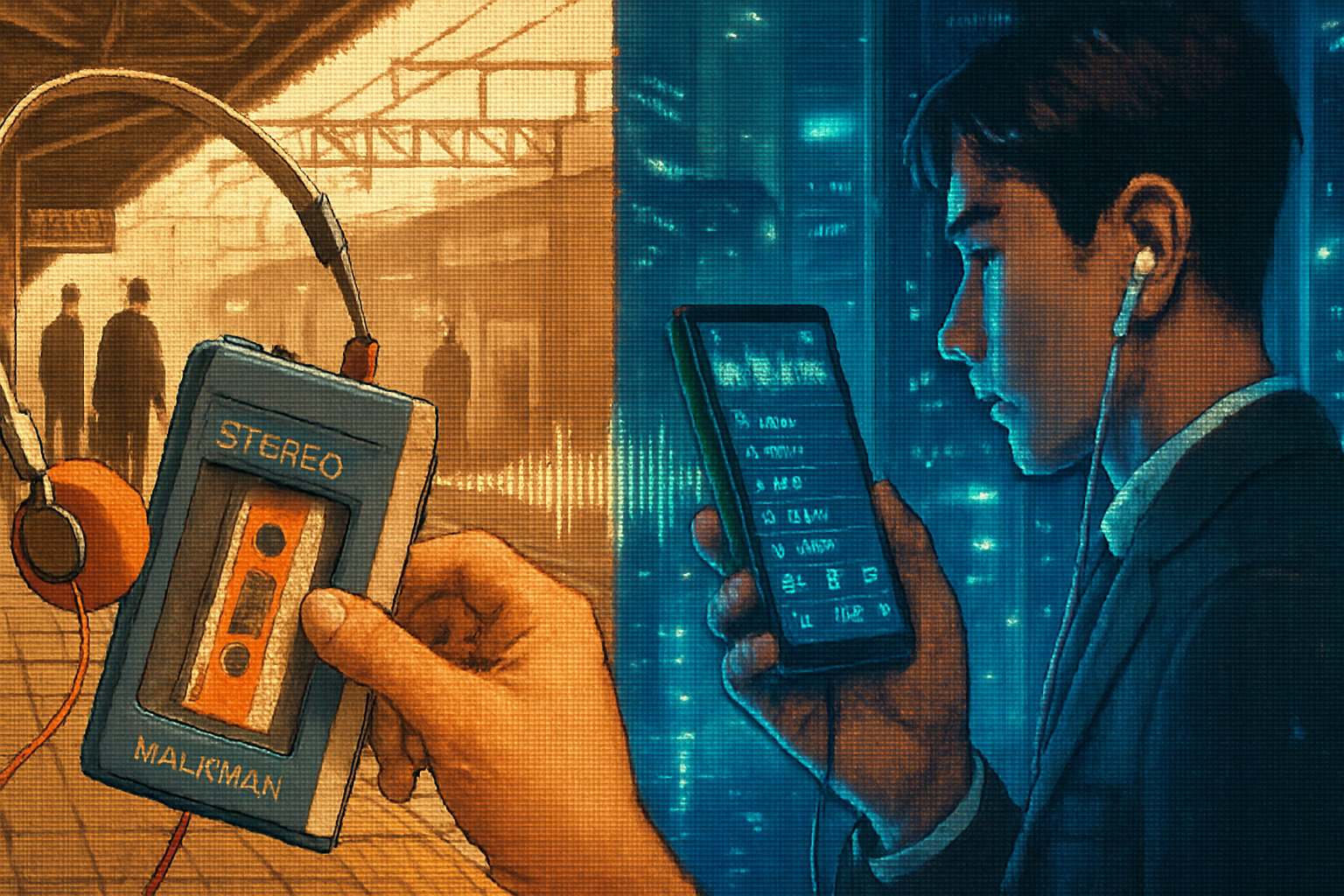
A brisk stroll down a city sidewalk in 1989: a clunky Walkman, a mixtape, and a private soundtrack. Fast-forward to today: earbuds, a glass rectangle, and infinite playlists. This piece stages the cultural and sonic duel between analog warmth and digital clarity-through the eyes of audiophiles, millennials raised on tapes, and Gen Z streaming natives.
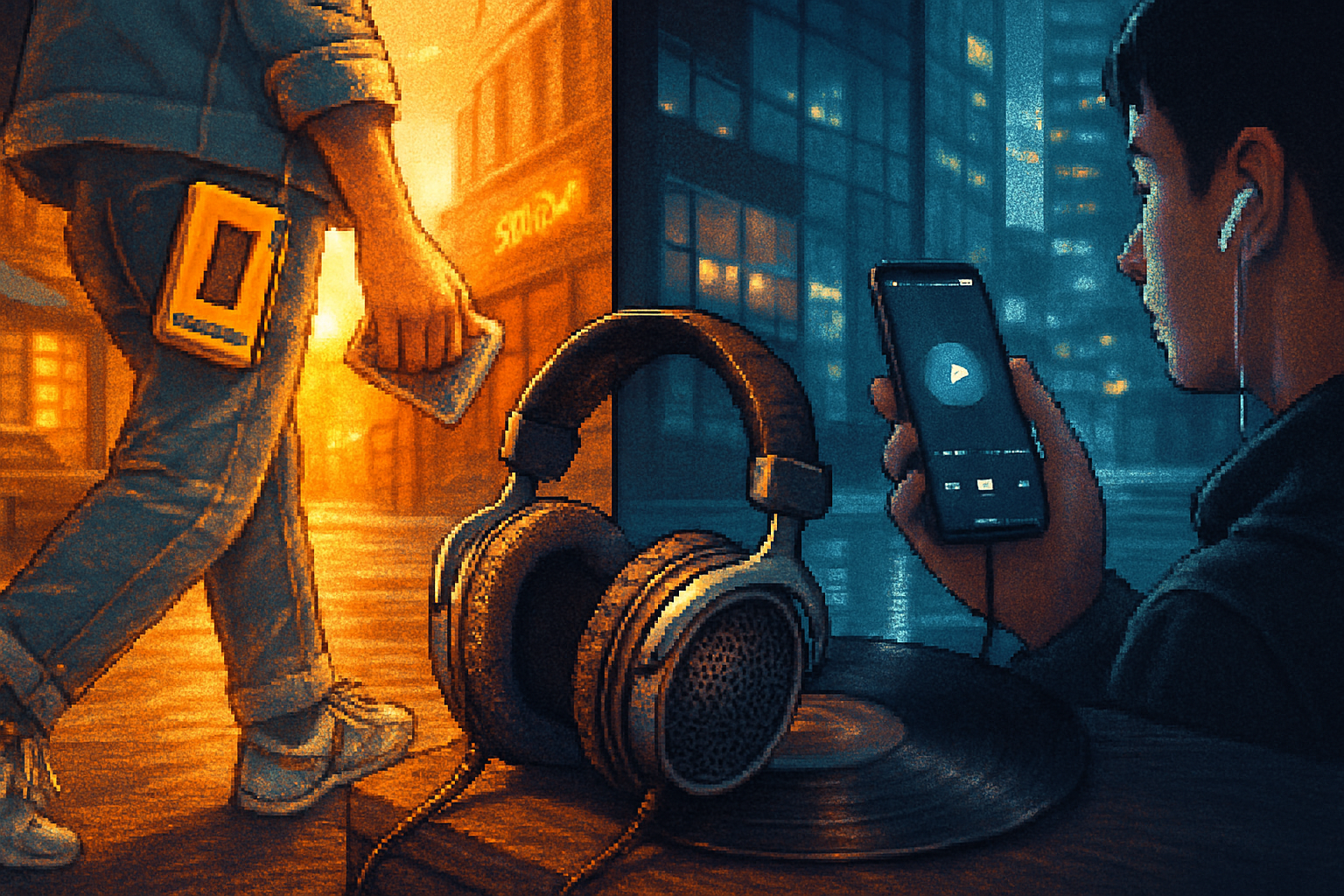
I remember the click before the first song-the cassette door snapping shut on a Walkman, the tiny motor whirring to life, and then the singer appearing in your skull like a conjured friend. It felt private and tactile. The ritual mattered. So did the hiss.
That hiss is the first fault line in the Walkman Wars. On one side stand the analog purists: devotees of tapes, vinyl, and “natural” sound. On the other, digital evangelists: lossless streams, perfectly flat frequency response, and mathematic confidence that if the data matches the waveform, the rest is ideology.
This is not just a fight about frequency graphs. It’s a contest over ritual, ownership, convenience, nostalgia, and how we let music enter-literally and morally-into our lives.
The contestants
- Audiophiles - obsessive about gear, microphones, DACs, and soundstage. They talk about microdynamics and the soul of a recording. They measure their aesthetic in decibels and disdain.
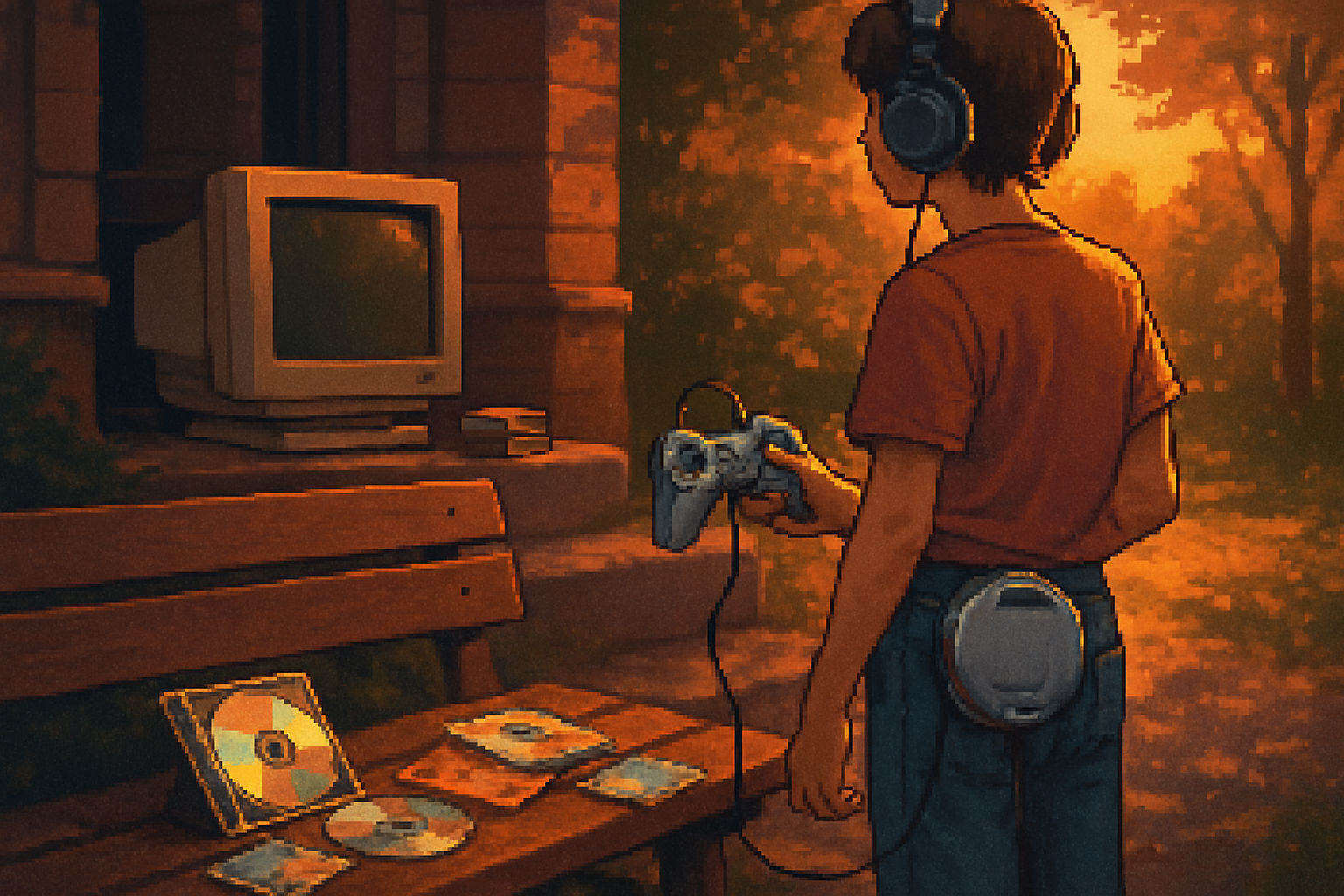
- Millennials (Walkman kids) - grew up making mixtapes, spending Saturday afternoons rewinding with a pencil, and knowing the geometry of a cassette by touch. For them, music has memory attached to objects.
- Gen Z (digital natives) - grew up in the cloud. Playlists, algorithmic discovery, ephemeral viral moments. If it’s not streamed, it may as well not exist.
A brief history in a beat
- 1979 - Sony’s Walkman turns portable music into a personal, wearable experience. It democratizes private soundtracks.
- 1980s–90s - Cassettes dominate portable listening; CDs then promise a cleaner, more durable digital format.
- 1990s–2000s - MP3 and file-sharing fragment the album; convenience trumps ritual.
- 2010s–present - Streaming consolidates access; vinyl resurges as a tangible rebellion against the intangibility of streaming.
For more on the Walkman and the MP3 revolution, see Sony’s Walkman history and the MP3 article on Wikipedia.
What “analog warmth” actually means
Call it warmth, call it color-analog recordings and playback introduce subtle distortions, harmonic enrichment, and a kind of compression that the ear finds pleasing. Unlike the merciless precision of digital sampling, analog systems blur edges. That blur can make a mix feel more alive.
But there’s a catch: some of the things we romanticize about analog are literally noise. Tape hiss, wow and flutter (speed instability), and surface noise on vinyl all contribute to the emotional texture of listening. The ear weaves these imperfections into context. Without them, some recordings can feel clinical-accurate, yes, but lacking charisma.
If music is a face, analog gives it freckles.
Digital perfection: a double-edged sword
Digital audio offers things analog cannot: repeatable accuracy, global portability, and the ability to remove noise and fix mistakes. Lossless formats (FLAC, ALAC) can reproduce waveforms with mathematical fidelity. High-resolution audio promises even more detail.
Yet perfection can feel brittle. The loudness war-when recordings were aggressively compressed to sound louder on the radio-shows that digital clarity can be weaponized. A technically perfect recording can still be a terrible listening experience if it is mastered poorly. See the history of the loudness war.
And let’s be honest: a streamed file transcoded into lossy formats (the default for many services when bandwidth is scarce) can sound pretty awful on decent headphones. Convenience sometimes buys you a haircut with clippers.
The technical primer (without turning your eyes glassy)
- Dynamic range - The distance between the loudest and quietest parts. Analog tape has limits; digital systems often have more dynamic headroom. But more range isn’t automatically better; context matters.
- Frequency response - Digital samples can capture very wide ranges-beyond human hearing-without the rumble and flutter of tape.
- Noise floor - Tape hiss and vinyl crackle raise the background noise. Digital aims for silence.
- Distortion and harmonic content - Analog introduces odd/even harmonics that can make instruments sound fuller.
If you want technical depth, start with primer articles from audio engineering sources like the AES or practical write-ups in forums and magazines.
Three voices from the trenches
The audiophile (Leah, 42)
“I have a DAC that costs more than my first car. I know that sounds ridiculous. But when a tube preamp gently softens a trumpet’s edge while a good analog tape machine leaves the reverb intact, that’s not nostalgia-it’s verifiable. Digital is clean, sure. But sometimes clean is polite, not honest.”
Leah represents the posture many audiophiles adopt: a belief in measurable improvements, and an emotional case that measurements alone don’t capture.
The millennial mixtape veteran (Marcus, 36)
“You made a mixtape for someone. That tape had the wrong spelling of their name in the tracklist, you fell asleep and the Walkman ate a tape - and it still mattered. With streaming, you can’t hand someone a tangible mistake.”
For Marcus, music is social memory. The object-the cassette, the handwritten cover-carries sentimental value that streaming can’t replicate.
The Gen Z streamer (Aisha, 21)
“I grew up with playlists. My ‘soundtrack’ is split across 12 curated lists and a TikTok loop. If something sounds great on my AirPods, I don’t care if it’s FLAC or a low-bitrate MP3. Music is about mood, discovery, and sharing.”
Aisha’s indifference to format is typical of a generation that privileges access and social signaling (what they share, what goes viral) over fidelity.
Ritual versus utility
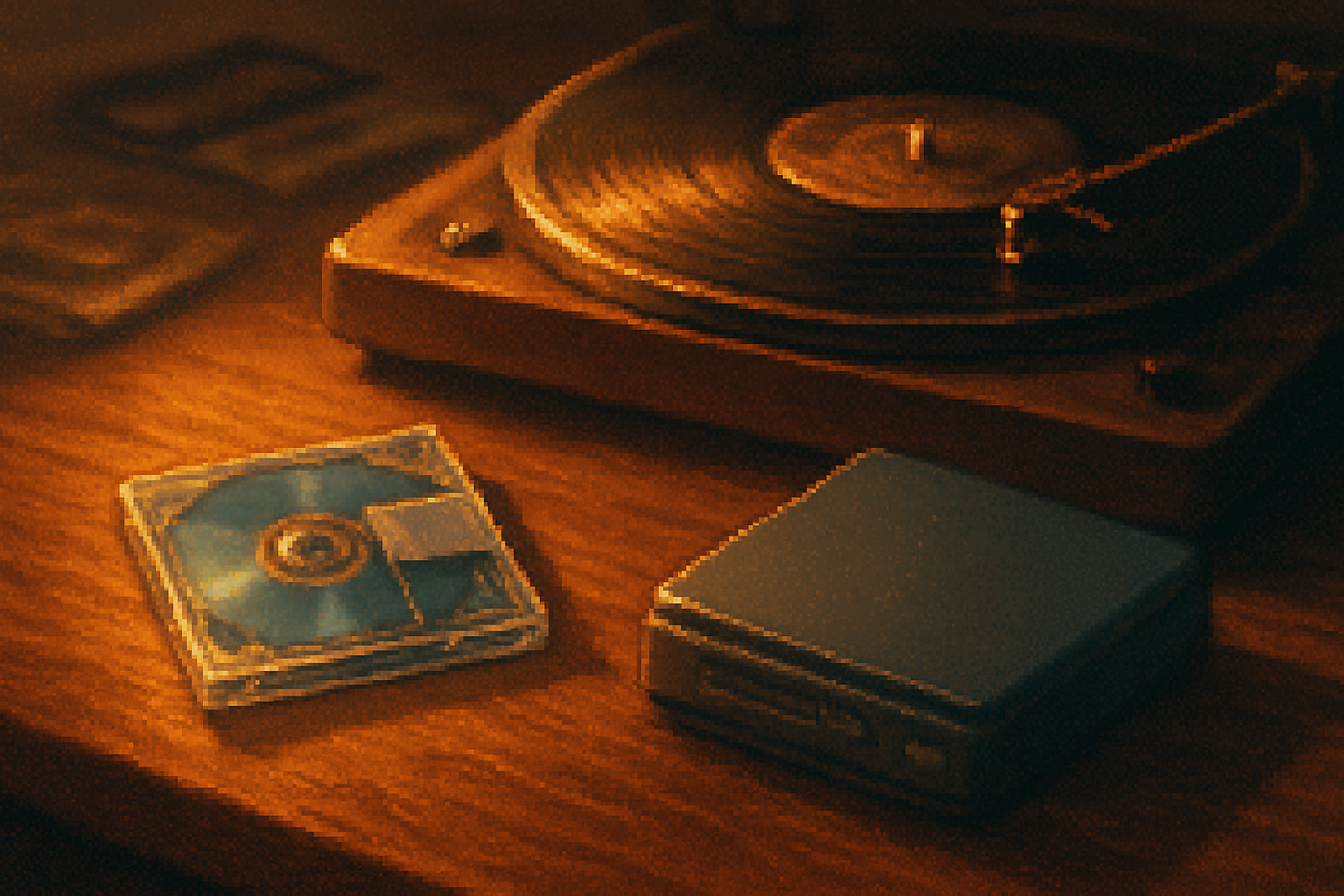
Analog listening is ritualized. You clean the vinyl, cue the tonearm, or thread a cassette. There’s physical labor and a friction that makes the act of listening feel like an event. That friction confers value.
Digital listening is utility-first. Instant access, zero maintenance, and algorithmic discovery. It democratizes listening but flattens ritual. It also creates a paradox: infinite choice leads to shallow attention.
Analog is a slow drink. Digital is a soda machine.
The economics of ownership and access
Ownership: Vinyl, tapes, and CDs are assets you can hold, resell, lend, or hoard. They exist even if companies die.
Access: Streaming subscriptions give you unprecedented libraries but you rent them. Deleting an artist or losing a license can erase parts of your personal soundtrack overnight.
The balance between owning and accessing is also generationally split: older listeners often prefer ownership; younger ones increasingly accept rental models.
The middle paths (you don’t have to be a zealot)
- Hybrid setups - Many listeners rip vinyl or CDs to lossless files to keep the archival quality while streaming the convenience. This satisfies both the ritual and the utility instincts.
- Selective analog - Buy vinyl or tapes for special albums, and stream the rest. That preserves ritual for the records that matter.
- Better streaming - Some services now prioritize lossless or high-res tiers (Tidal, Qobuz, Amazon Music HD). They’re still constrained by earbuds and mobile codecs.
What the data says (and what it doesn’t)
Objective measurements can tell you SNR, distortion, and frequency response. They can’t tell you whether a particular timbre will transport you back to your teenage bedroom or make you feel close to a performer. Human perception is weirdly forgiving and easily fooled. Context and expectation shape what sounds “good.”
For some reading on format debates and the vinyl comeback, see articles like the New York Times on vinyl’s resurgence and coverage of digital formats and codecs in technical sources.
Practical advice: match the format to the moment
- Commuting on a subway - Digital convenience. Silence and portability matter.
- Late-night listening on headphones - Lossless or well-mastered digital can be sublime.
- Special albums you want to re-experience - Buy the vinyl or tape; live the ritual.
- Shared nostalgia (mixes, gifts) - Cassettes or physical media have emotional multipliers.
The unresolved question: does format matter to music’s future?
Music will survive formats. It survived wax cylinders, cassettes, and dubious early digital codecs. The bigger questions are about attention and agency: Will algorithms decide what billions hear? Will the rituals that teach us to love depth disappear? Will a future generation fetishize physical media the way millennials fetishize Polaroids?
There’s a democratic argument for digital: it lowers the barrier to entry for creators and listeners. There’s a human argument for analog: objects deepen memory and demand attention.
Both sides are right and wrong in different ways. Analog soothes the longing for texture. Digital satisfies the hunger for connection.
Final score (for what it’s worth)
Analog: emotional depth, ritual, pleasing imperfections; limited convenience and potential for degradation.
Digital: unmatched convenience, accuracy, and accessibility; prone to poor mastering, algorithmic flattening, and the tyranny of instant everything.
Pick your artillery. Keep an open mind. And if someone offers you a mixtape, accept it. Even if it’s hissy. There’s an honesty in that crackle that a thousand perfect streams can’t fake.
References
- Sony Walkman history: https://en.wikipedia.org/wiki/Walkman
- MP3 format overview: https://en.wikipedia.org/wiki/MP3
- Loudness war: https://en.wikipedia.org/wiki/Loudness_war
- Vinyl resurgence coverage: https://www.nytimes.com/topic/subject/vinyl-records