· culture · 6 min read
Throwback Tech: Why the Beeper is the Original Social Media
Before smartphones learned to nag us, beepers invented on-the-go social signaling - terse, asynchronous, status-laden and perfectly suited to life on the move. This essay traces the pager’s role as proto-social media and extracts practical lessons for today's platforms.
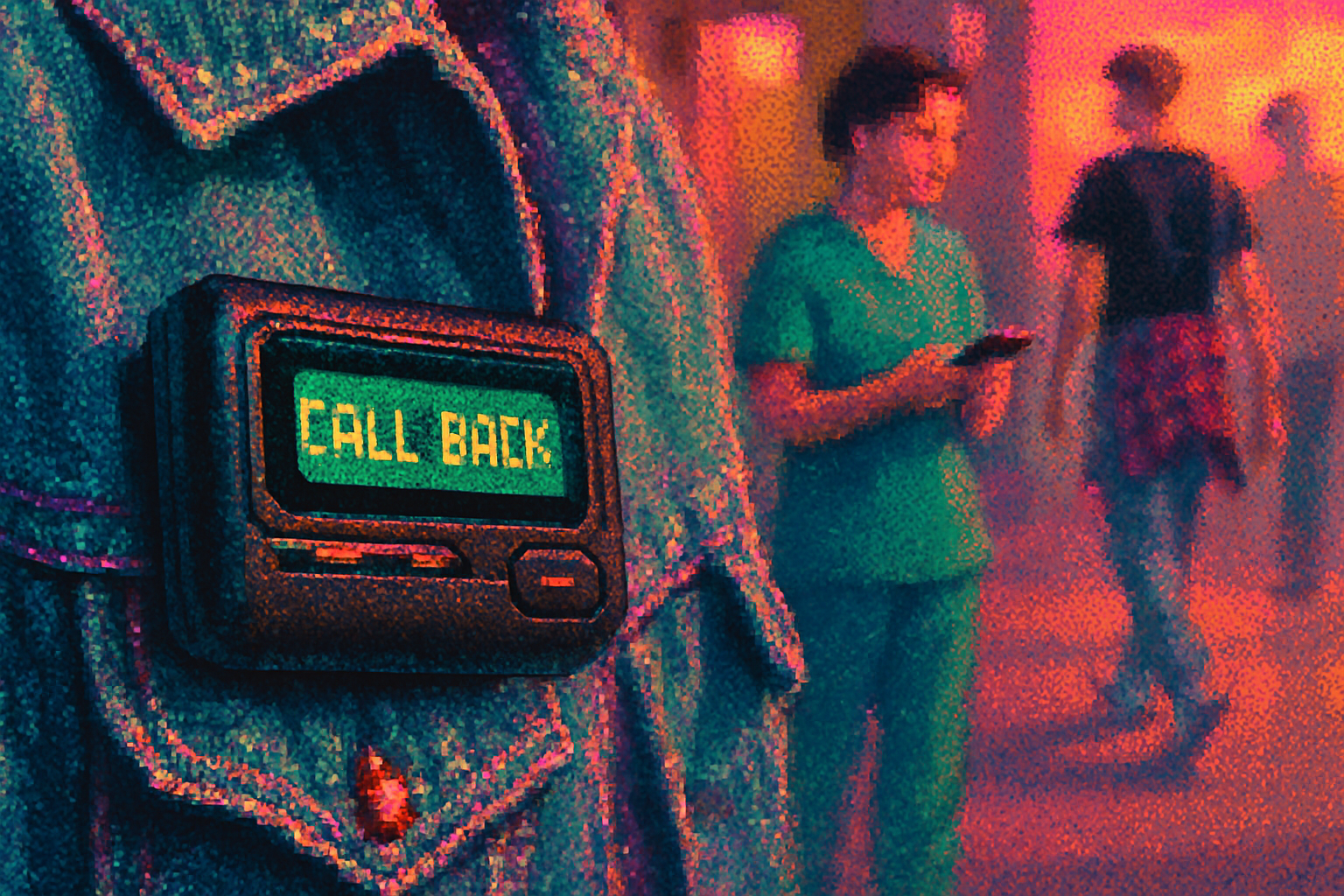
Summer, mid‑1990s. A fluorescent corridor. A nurse checks a pocket, feels the light vibration, and smiles the private little smile of someone receiving a dispatch that matters. Across town, a teenager slaps a beeper to his jeans like a fashion talisman and walks a little taller - he’s “reachable,” which in that economy means he is visible, valuable, invited.
That tiny rectangle of plastic and LED did something profound: it turned absence into presence without asking for permission. The beeper - the pager - was a network in miniature, a protocol for how humans signaled attention, status, need and belonging. It was social media with the volume turned way down and the friction left intentionally intact.
A short history (because context matters)
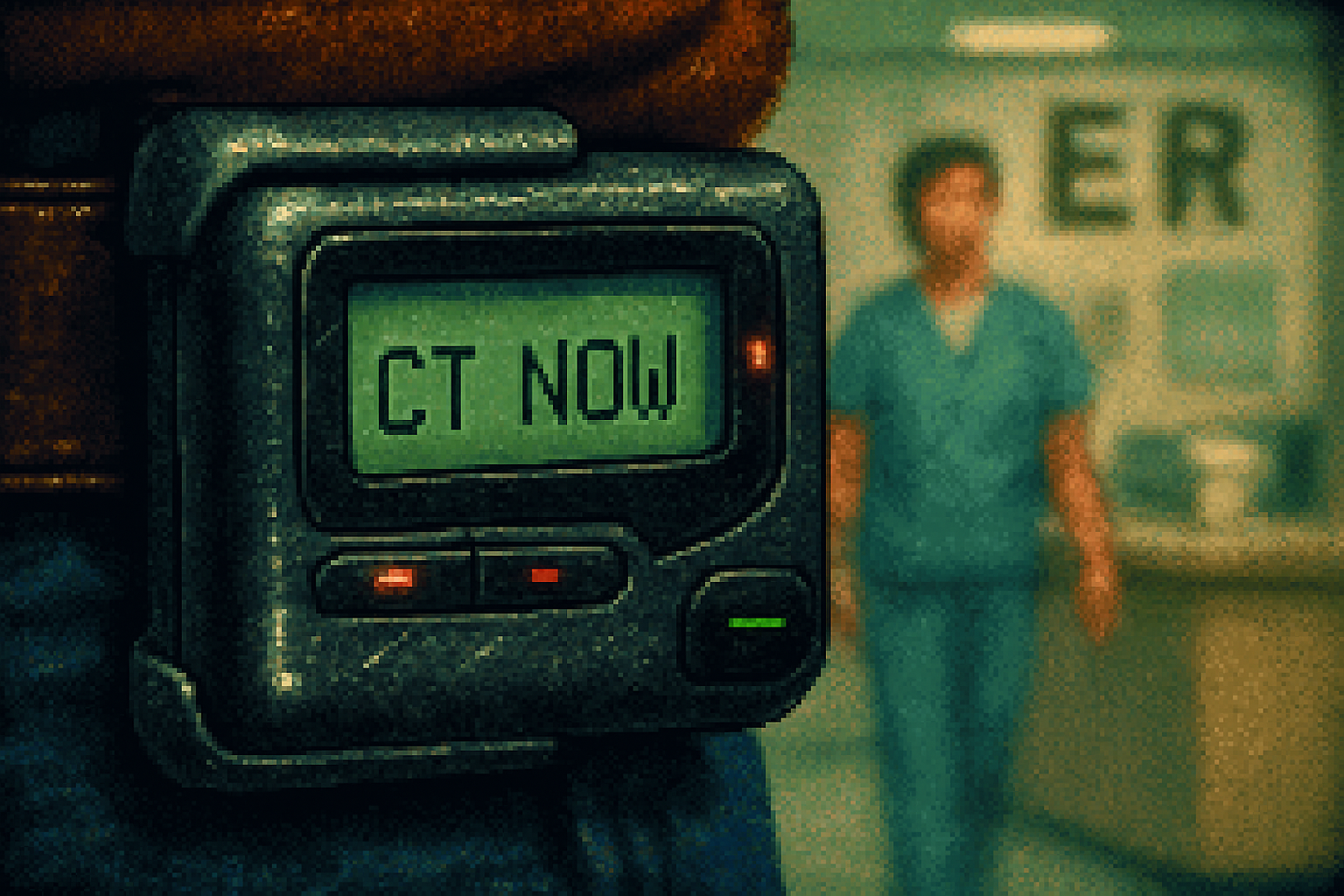
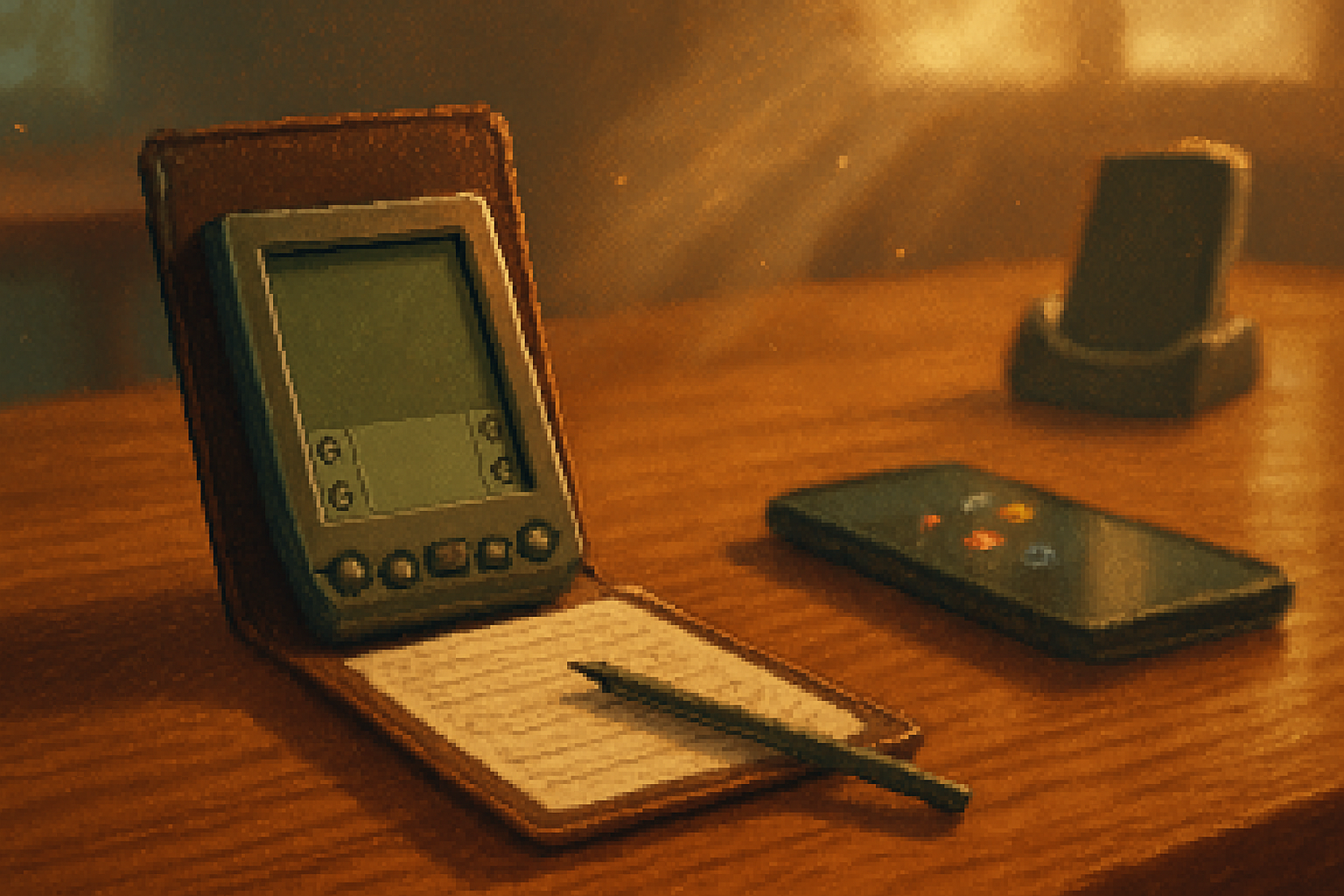
Pagers emerged in the post‑war era but became culturally ubiquitous in the 1980s and 1990s as technology miniaturized and carriers spread coverage. Devices ranged from single‑tone pagers to numeric models that displayed digits, to alphanumeric pagers that finally allowed short, typed messages. They were used by doctors, emergency services, businesspeople, lovers, dealers and celebrities - universal in their narrowness.[1]
(For a compact overview of the device and its evolution, see the Wikipedia entry on pagers.)[1]
Why a beeper was actually social media - in disguise
If you strip modern social platforms to their bones, what do you find? A few core functions: signalling attention, broadcasting status, supporting lightweight interaction, forming and sustaining networks, and enabling discovery. Pagers performed almost all of these, albeit without the multimedia selfies, infinite scroll, or advertising engines.
Brevity as feature, not bug. A numeric beeper forced messages into a few digits. An alphanumeric pager still encouraged short bursts. Like tweets and text messages, the format privileged concision - the art of saying something meaningful in a tiny packet.
Asynchronous presence. A page meant - I’m thinking of you, but I’m not demanding an immediate reply. That asynchronous thread is foundational to human sociality - and one reason email and messages endure where phone calls sometimes fail.
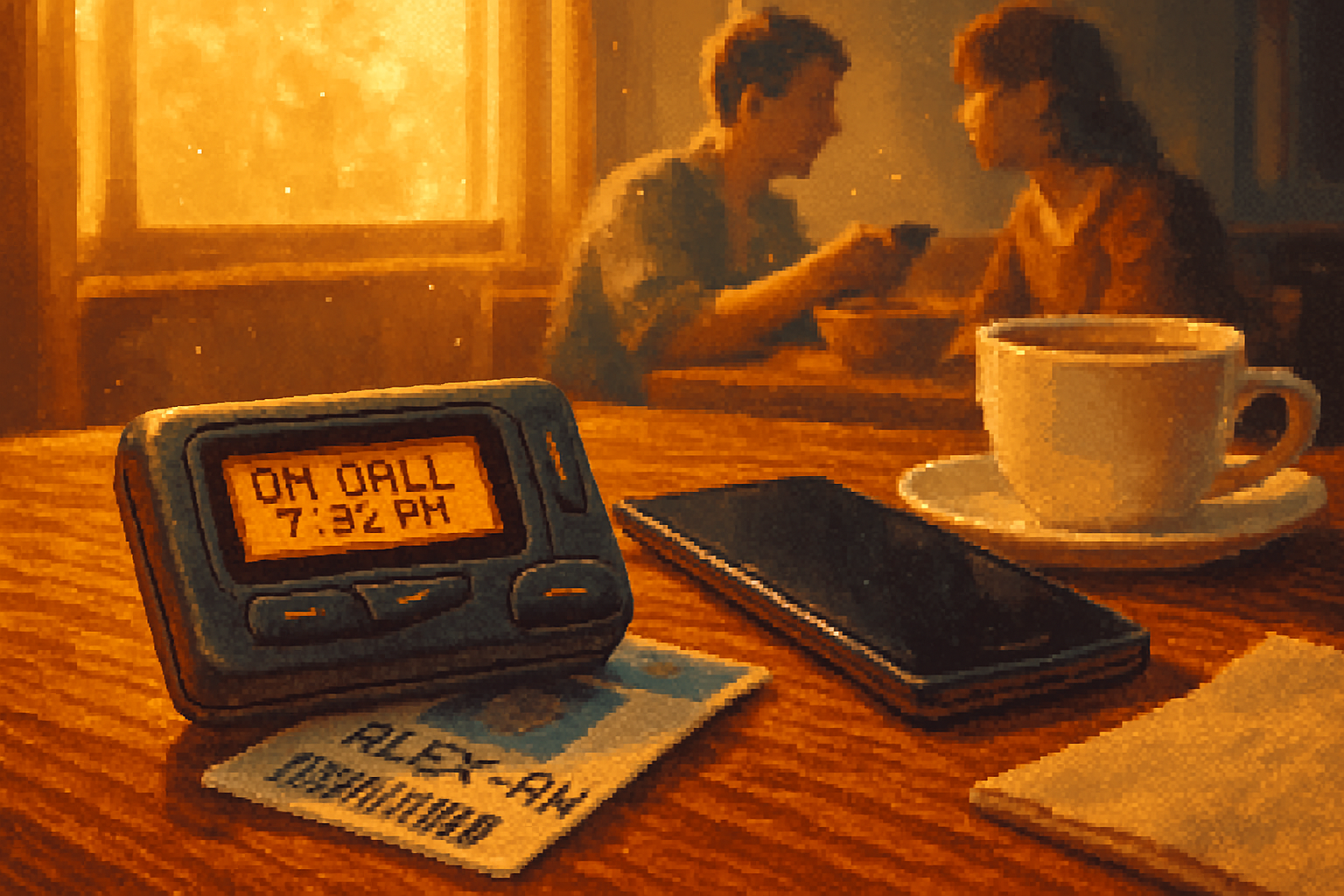
Signal-to-noise control. You had to decide who got a pager number. Access was restricted. That scarcity made being reachable a status symbol; it made the network semantically rich because not everyone was in it.
Status signaling. Carrying a pager broadcasted something about you - secure job, VIP access, or availability. Think of it as a quiet prestige widget, not unlike the blue checkmark before it soured into a monetized sticker.
Network effects and ecology. Pagers depended on carriers, protocols, and human rituals - codes for urgency, accepted response times, and etiquette. They were an ecosystem with norms, not a free‑for‑all broadcast medium.
Parallels with modern platforms (the uncomfortable resemblances)
Attention extraction - Pagers were the first efficient attention‑harvesting devices. A buzz summoned attention more reliably than a shout. Today’s platforms weaponize the same principle, but with algorithms optimizing for maximal engagement and ad revenue.
Short form communication wins. Humans like short prompts. The beeper anticipated SMS and Twitter in privileging small units of meaning that are easy to parse and escalate.
Social graphs built from scarcity. Early pager networks were invitation‑based - you gave your number to those you trusted or wanted to hear from. Modern platforms reproduce the same dynamics through follows, friends, and closed groups - except at far larger scale, and with fewer natural filters.
Rituals and codes. Pager culture had its own etiquette (how you signaled urgency, who gets what tone). So do platforms - reaction icons, read receipts, tagging - all social rituals that coordinate behavior.
Crucial differences (and why they matter)
Scale and friction. Pagers were small networks with high friction for onboarding. Social platforms are low‑friction megaphones. Friction matters; it limits abuse and preserves signal.
No centralized algorithmic curation. A page is direct. No algorithm decides whether your buzz lands - the sender chooses the recipient. Modern platforms mediate communication with opaque ranking systems that amplify some content and suppress other content without clear accountability.
Privacy and ephemerality. Beeps were ephemeral and narrow. They left little persistent metadata beyond billing logs. Today’s platforms hoard permanent, searchable records and monetize metadata aggressively.
Monetization. Pagers were sold as service - device + minutes. The business model was direct payment. Today’s social platforms monetize attention and data via advertising and surveillance capitalism. That changes incentives dramatically.
What the beeper taught us - lessons for social platforms
Design for scarcity and signal value. When every notification is precious, people respect them more. Platforms would do well to restore scarcity - fewer interruptions, clearer distinctions between social layers (close friends vs. public followers).
Keep asymmetry simple. The beeper’s directness - you page someone - creates an accountable, personal channel. Modern platforms could strengthen direct, opt‑in pathways that are harder to hijack by scale or algorithm.
Preserve friction intentionally. Friction isn’t always a bug; it’s a social filter. Onboarding gates, ephemeral windows for replies, and rate limits reduce trolling and force deliberation.
Honor ephemeral communication. Ephemerality lowers stakes and encourages candor without permanently tattooing mistakes to a profile. Snapchat did this briefly; platforms need better default ephemerality and user control over permanence.
Make privacy and ownership primary. Pagers didn’t monetize your attention graph. Today’s systems can be redesigned so that user data and simple signals aren’t the raw material for an advertising auction.
Recognize the value of micro‑rituals. Platforms that cultivate social rituals (codes for courtesy, signals of urgency) can produce kinder, more legible interactions. These rituals should be explicit, not buried in obscure features.
Resist conflating reach with worth. Just because you can broadcast to millions doesn’t mean you should. Smaller, dense networks often produce higher quality social capital.
A charm of the old and a warning for the new
There’s something delightfully humane about the beeper’s modest promise: we can be reached, sometimes, on terms we roughly control. It never pretended to be the agora; it was a private bell. That modesty kept it useful and relatively humane.
Modern platforms have swallowed scale, attention and identity into a single monstrous loop optimized for engagement. The result is a social space that often amplifies the worst impulses while pretending to be neutral infrastructure. The beeper teaches a different truth: less can be more, and friction is not always evil.
In the end, the lesson isn’t to resurrect the pager. It’s to borrow its virtues: design systems that respect attention, protect ephemeral intimacies, and let people choose how (and when) they are visible. Treat social media as social engineering, not just engineering an ad feed.
Because human attention is oxygen. You only notice how thin it is when it’s gone.
References
- “Pager” - Wikipedia: https://en.wikipedia.org/wiki/Pager
- “SMS” - Wikipedia (for context on short messaging evolution): https://en.wikipedia.org/wiki/SMS