· culture · 7 min read
The Soundtrack of Our Youth: A Deep Dive into the Mix Tapes Made with Discman
Before algorithms curated our feelings, there was the Discman and a blank CD (or a borrowed cassette). This piece explores the intimate craft of mix-making for portable CD players - the choices, the risks, the secret language of track order - and shares the reader stories that explain why those discs still feel like love letters.
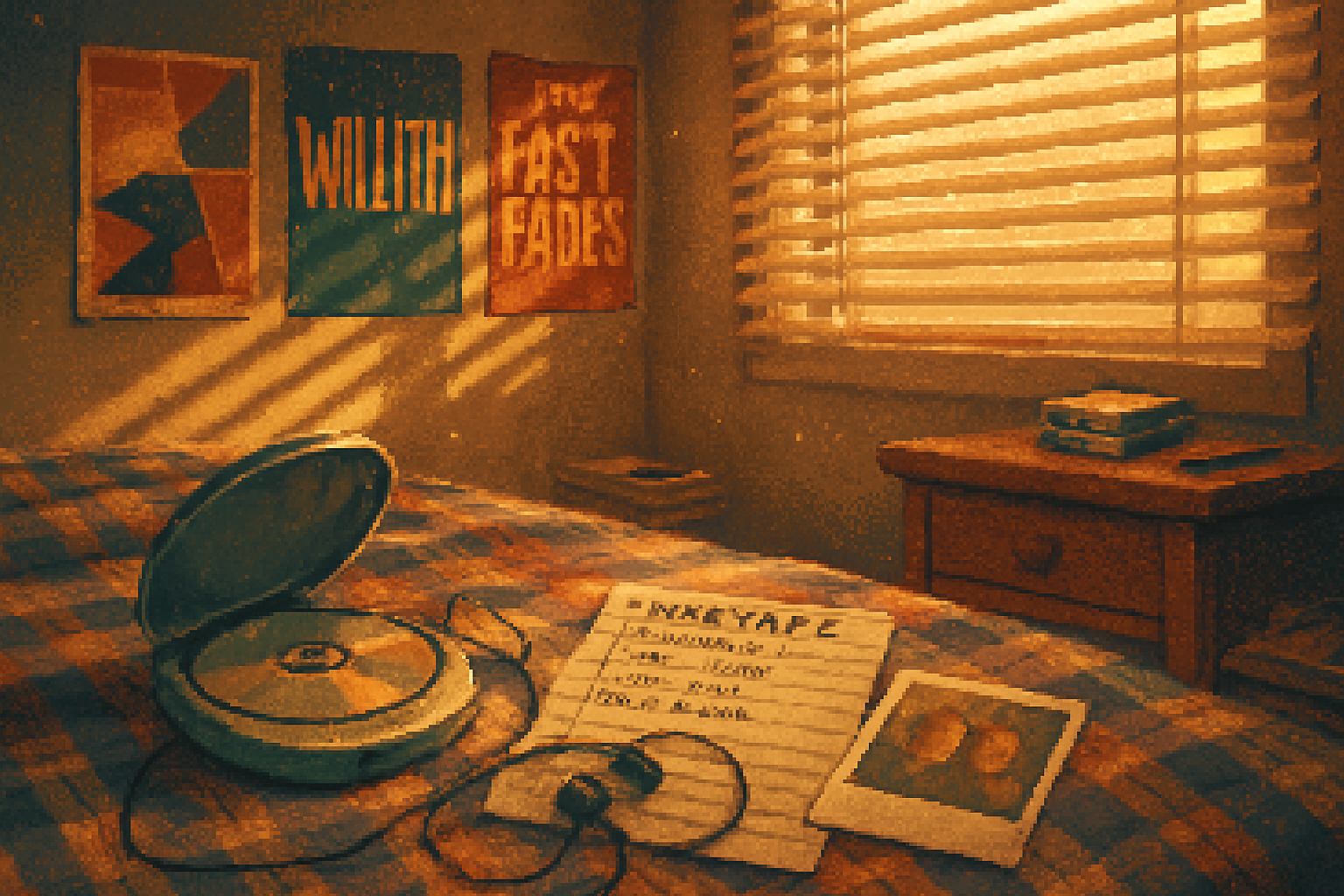
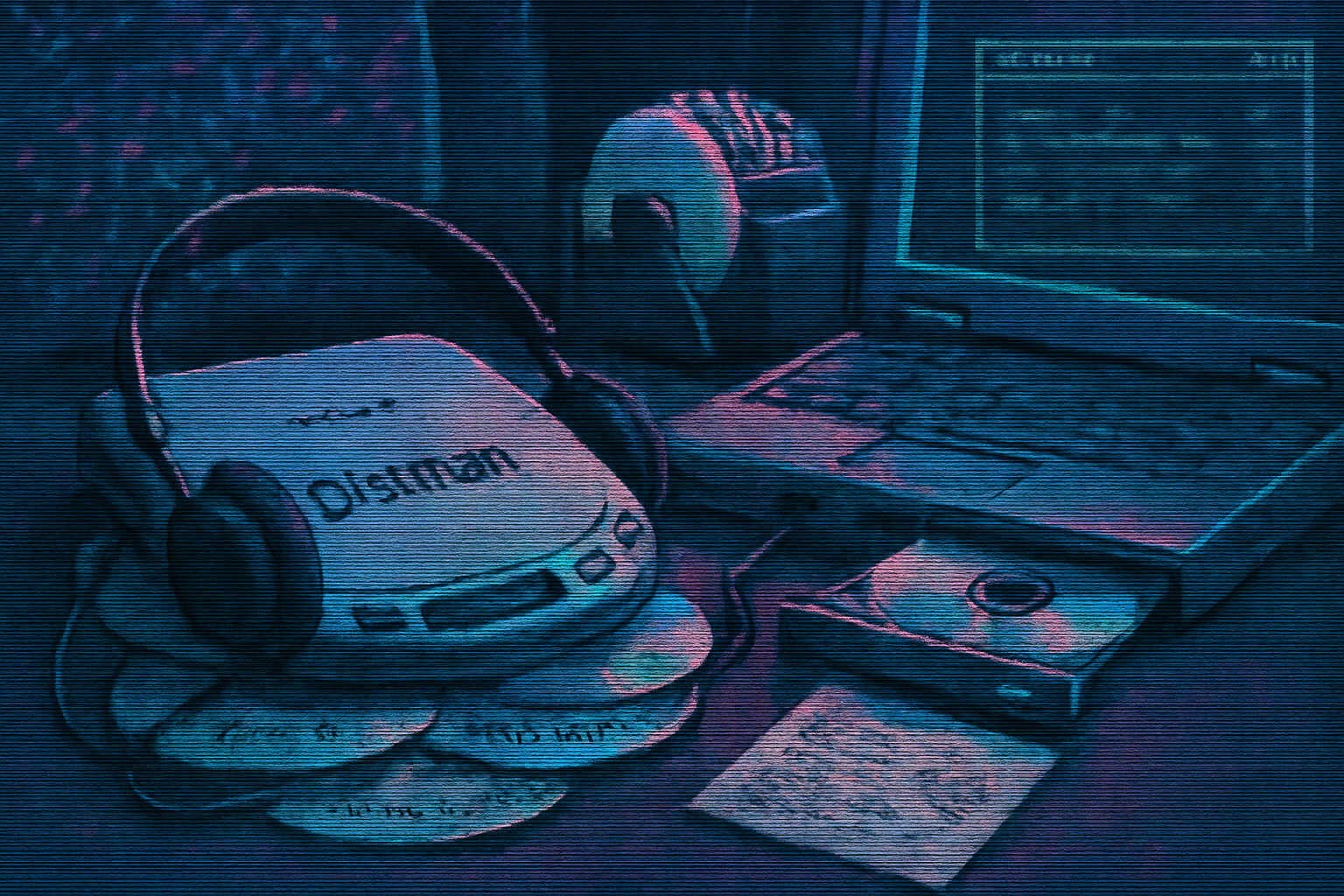
I remember the whir before the click - a thin, hopeful noise as the little plastic tray on my friend Mara’s Discman accepted a disc. Her bedroom smelled like Teen Vogue and cheap perfume. She handed me the headphones with the solemnity of someone passing along a charm. “Don’t skip it,” she said.
That sentence carried weight. “Don’t skip it” meant respect for the sequence, reverence for the message, and a dare: if you couldn’t sit through forty minutes of someone else’s curation, you weren’t worthy of the confession it hid.
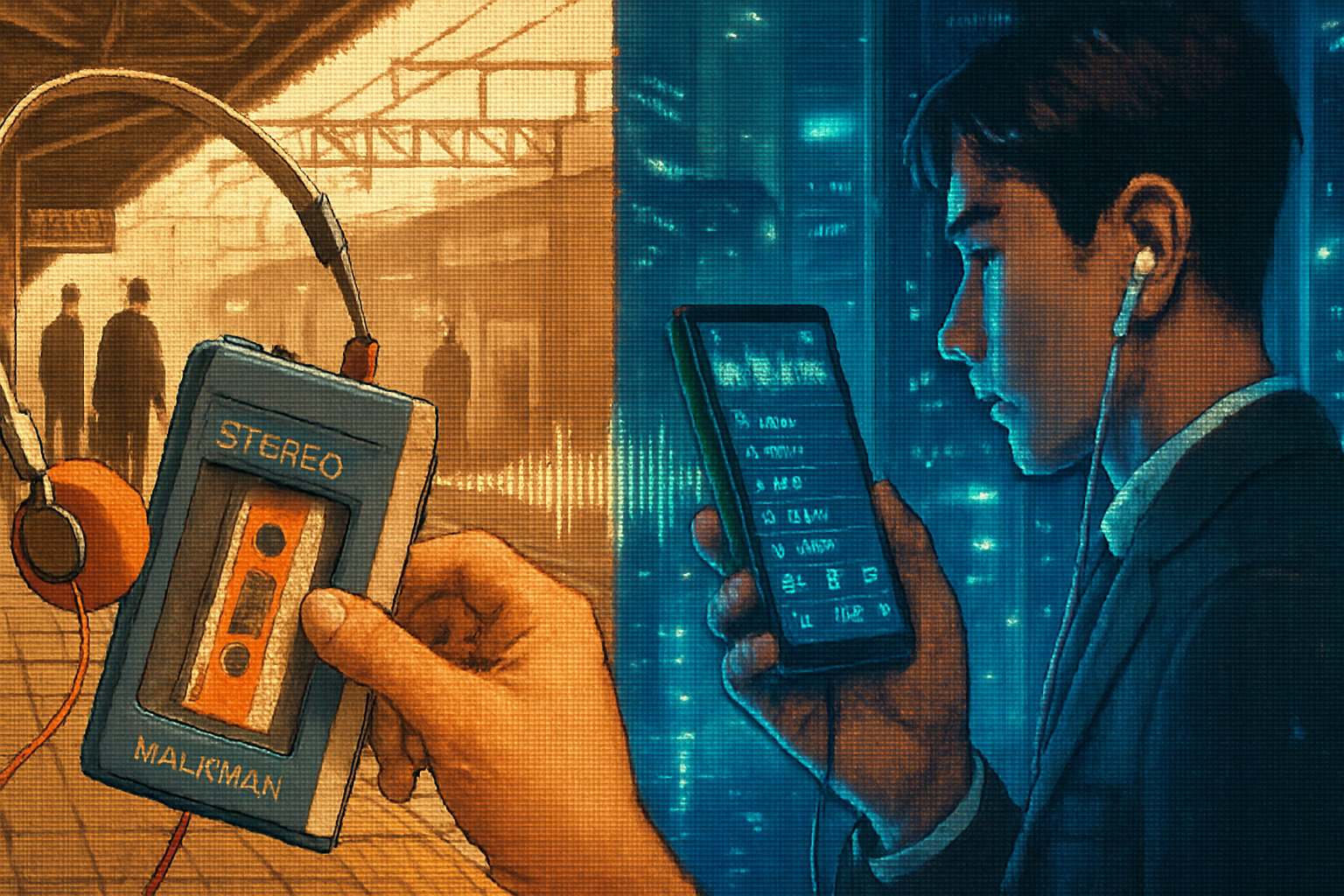
The Discman era sits between two great musical revolutions: the cassette mixtape - tactile, handwritten, slow - and the streaming playlist - infinite, frictionless, emotionally neutered. The Discman made mix-making acoustic and clinical at once. It introduced a new set of constraints (track gaps, skipping, the unforgiving silence if you burned the wrong bitrate) and new opportunities (crisper highs, clearer voices, that theatrical drum hit that hit like a whisper-to-shout).
Why did these discs feel so intimate? Because they were hard work.
The tiny labor that made them sacred
Making a Discman mixtape wasn’t copy-and-paste. You curated from CDs you owned, recorded with someone else’s CD burner, or-if you were fortunate-sat in a friend’s car with a portable CD recorder. Timing was a problem, and transitions were a project. You had to think like a radio DJ with limited storage and no undo button.
That labor turned songs into propositions. Every placement answered an unspoken question: do I open with something popular to keep you comfortable, or with a song that shows I am a little dangerous? Do I end with a joke track to let you breathe, or with silence long enough that you wonder if I’m waiting for you to call? These were not neutral choices. They were signatures.
If you want an historical anchor, the Discman - Sony’s portable CD player - brought compact discs into pockets and backpacks worldwide. The broader phenomenon of mixing music into personal compilations has a long cultural history; see the Wikipedia entries on the Discman and the mixtape for context.
- Discman (Sony): https://en.wikipedia.org/wiki/Discman
- Mixtape: https://en.wikipedia.org/wiki/Mixtape
Reader vignettes: the mixtapes that defined us
You sent stories. They were tender and petty and specific. Here are three that stuck with me.
The Ruthless Letter - A reader named Ben remembers a girl who gave him a scratched CDr in geometry class. The first track was Madonna; halfway through, she hit pause, spoke a single sentence into the mic between tracks, and burnt it back on. “I like you,” she said, in a whisper, buried under the click of the burner. He kept the disc until the plastic clouded.
The Train of Small Triumphs - Lila’s mix was a multi-movement narrative. It opened with loud, defensive punk, simmered into acoustic confession, then rose into elevator-smooth R&B. Each song was a postcard from a month of her life: a breakup, a cafeteria fight, an exam passed - compiled like a scrapbook. She listened to it on a long train ride and felt the months reorder into a life that made sense.
The Prank Track - Marcus received a disc from his older brother that included a thirty-second recording of their childhood cat meowing, placed immediately before an earnest love ballad. He remembers laughing and crying in the same breath.
These aren’t exceptional because they’re dramatic. They’re exceptional because they were private. The mix was rarely the point itself; it was the wrapper for something you couldn’t otherwise say.
The art of sequencing: why order matters
Think of a mixtape like a short film.
- Act I - Hook - the opener grabs attention. It can be a hit, a scream, or a strange clip that promises a ride.
- Act II - Development - this is where the personality shows. You risking revealing your taste, your anger, your hope.
- Act III - Climax and Denouement - you arrive somewhere. You either confess, tease, or offer release.
Good sequences exploit contrast. A tender acoustic track after aggressive alt-rock feels like a secret unfolded. A sudden lyric that mirrors the listener’s life is punctuation. And silence - that long, awkward pause between tracks caused by a mis-burn or an intentional blank track - was sometimes more meaningful than anything declared in melody.
Practical tips from the Discman school of sequencing:
- Lead with a recognizable element. It earns attention and trust.
- Use dynamic contrast. Don’t let every song be the same tempo and volume.
- Plant phrases. Place a lyric that could be interpreted as a message about halfway through.
- Close with space. Let the listener sit with the feeling; it forces them to act (call you, come over, cry).
Tricks, hacks, and the limitations that made it interesting
Constraints breed creativity. The Discman era forced bricolage:
- Hidden tracks - recorders allowed you to tack on a short, secret recording at the end. Many people used this to add a spoken line or an inside joke.
- Crossfades (if you could do them) - a silky trick that made two songs feel like they were conversing.
- Scratches and skips - if a Discman skipped in a living-room stereo, it became a story. The imperfection humanized the object.
- Track gaps - CDs naturally inserted two-second gaps. You either learned to embrace them or learned to mask them with a spoken intro.
The risk of technical failure gave each disc stakes. A burned disc that failed during an important listening (on a first date, perhaps) could end a promising story. That possibility - the slipperiness of memory, stored on fragile plastic - is part of why the object gained talismanic status.
Why mixtapes survived in memory despite technology changing everything
Two reasons: deliberation and evidence.
Deliberation: Making a physical object required choices. You couldn’t throw together a playlist in thirty seconds. You thought about it. You tested transitions. You walked away and returned. That time made the feelings denser.
Evidence: the disc is proof. A message tacked at the end, a scratch where someone swore they’d never touch your things - these artifacts prove that moment happened. In a world that now hosts ephemeral streams and algorithmic mood matching, a scratched CDr is incontrovertible.
Algorithms don’t need courage. They need data. A mix required you to be brave.
How to make a modern ‘Discman’ mixtape (for nostalgia and effect)
If you want to recreate that experience - either to send someone a meaningful object or to feel it yourself - here’s a short playbook:
- Choose a physical medium - burnt CD, USB stick, or even a handmade booklet with a QR code linking to a private playlist.
- Sequence like a storyteller. Sketch an arc first.
- Add human artifacts - a short voice message, a photo printed and slipped into a sleeve, or an inside joke track.
- Keep one imperfection - a slight scratch or a handwritten annotation. It makes the thing believable.
- Package it. A sleeve, tape, or sticker says you cared.
If you want the tactile satisfaction, resist the urge to simply send a link.
The end that isn’t an end
The Discman mixtape was never just a playlist. It was a weaponized intimacy. It asked for attention and devotion. It was proof that someone had thought about you hard enough to bend their music around you.
We now live in a world where playlists are algorithmically assembled and mood-tagged; everything is frictionless and polite. That convenience is lovely. It also makes the act of choosing for someone - and pinning those choices to a fragile object you can hold - rarer and more valuable.
So dig out an old disc. Read the handwriting on the sleeve. Remember the risk and the absurd courage it took to make a sequence that meant anything at all. Then, if you’re feeling especially merciful, burn a new one and press “Don’t skip it” into someone’s palms.