· culture · 6 min read
Remember the Noise? A Soundtrack to the 80s and 90s External Hard Drive Experience
A nostalgic, ear-first tour of the distinctive mechanical and electrical sounds that defined external hard drives and their enclosures in the 1980s and 1990s - from the heroic whirl of spin-up to the dreaded 'click of death.' Includes a curated 'playlist' of drive sounds, first-hand anecdotes, and the quirks that made those devices both beloved and terrifying.
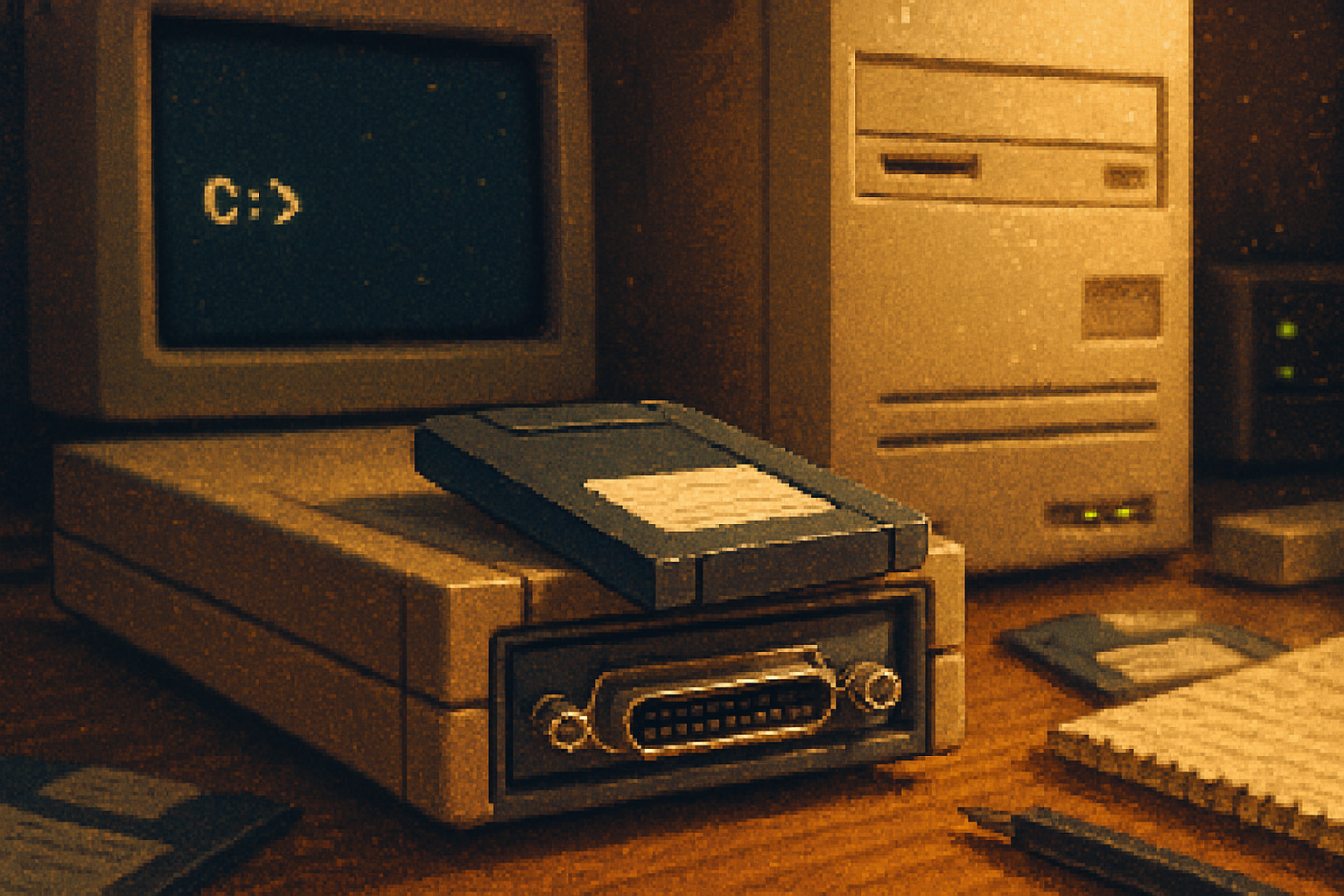
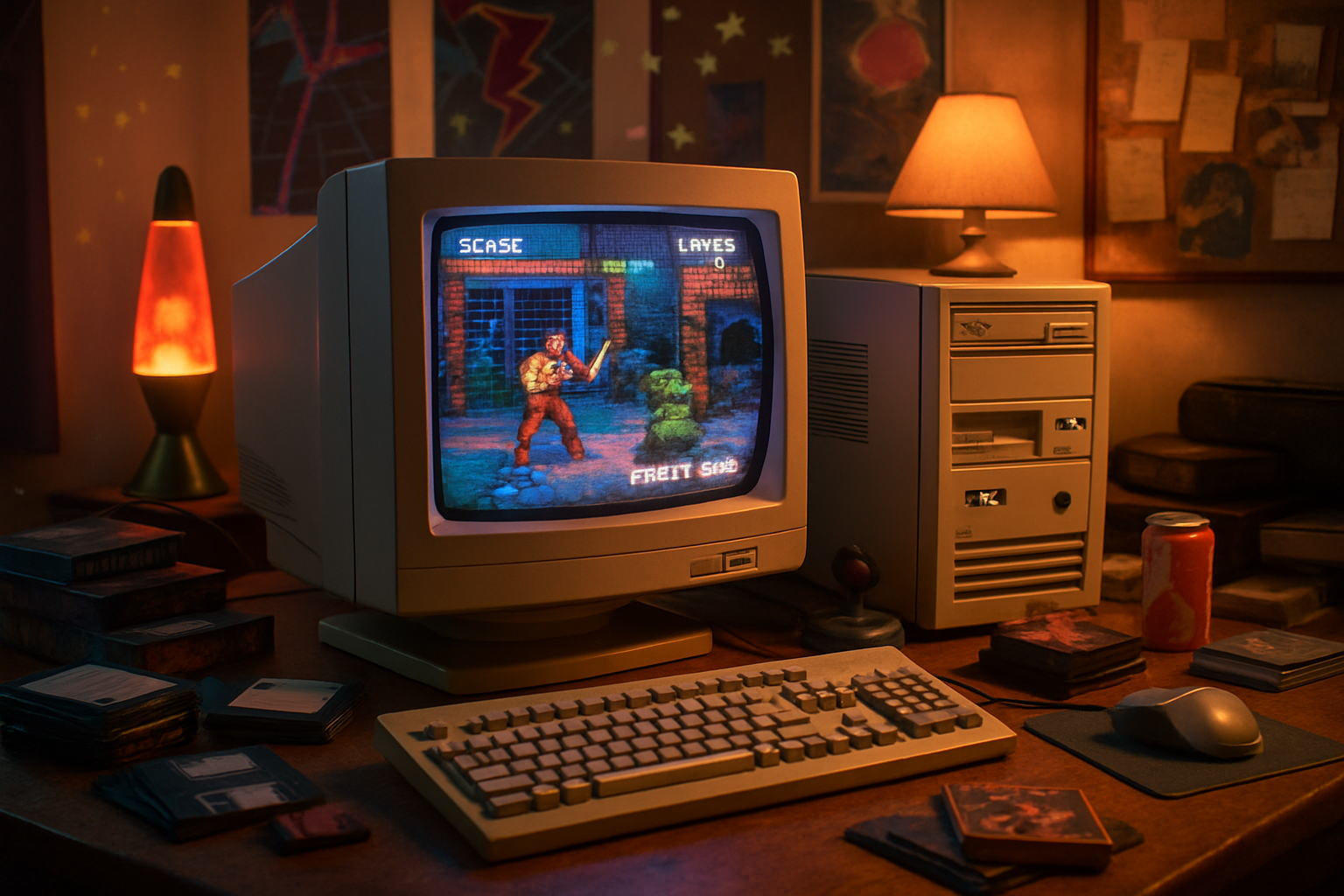
I remember sitting cross-legged on a dorm-room carpet, a beige tower humming like an exhausted refrigerator, while my friend gingerly slid a bright-blue Iomega Zip disk into an external drive with the theatricality of a priest offering a wafer. There was a sound - not music, but a procession of mechanical cues - that announced readiness, failure, impatience, and triumph. It was the soundtrack of ownership, and it taught you respect.
This is a guided listening tour through those sounds - the whines, the clicks, the blips - and the tiny epics they allowed. If you owned an external drive in the eighties or nineties you lived by these noises. If you didn’t, this is the next best thing: a textual phonograph of retro hardware.
Why sounds matter (and why your ears remember better than your files)
Sound is the operating system of lived experience. A modern SSD is polite silence - efficient, anonymous, forgettable. But the drives of the 80s and 90s were loud and proud: spinning platters, moving actuators, fans and transformers. Those noises communicated status faster than a flashing LED. They were also often the last honest thing your hardware would do before failing.
If you want background reading on the technology that produced these noises: see the general history of the hard disk drive and the evolution of external connection standards like SCSI and removable-media drives such as the Zip drive and Jaz drive.
The Playlist: a curated track list of classic external-drive sounds
Imagine a 90s mixtape. Replace guitars with servos.
Track 1 - Spin-up Whirr (00:00)
- The orchestra tuning. A rising, grainy whine as spindle motors find speed. Long enough to generate hope, short enough to demand patience. External enclosures added transformer hum and an extra fan sigh beneath it.
- Emotional cue - Get ready. The machine is waking.
Track 2 - The Gentle Access Blink (00:18)
- A soft mechanical whisper as the actuator seeks, paired with a rapid, polite LED flicker. Satisfying and domesticated. The sound you hoped meant “your file is safe.”
- Emotional cue - Comfort and quiet productivity.
Track 3 - The Seek Click / Head Tap (00:30)
- A precise, tinny click - the head slamming to the next track, tiny metal on ceramic. You could time it like a metronome if you were bored.
- Emotional cue - Pleasant tactile reassurance.
Track 4 - Parking Clunk (00:40)
- A slightly lower, hollow thud when heads park on power-down or sleep. The hardware equivalent of zipping a coat.
- Emotional cue - Finished. Safe to unplug… probably.
Track 5 - The High-Pitched Whine (00:47)
- A fine, near-audible whine from the actuator assembly at certain seek patterns. Irritating to some, hypnotic to others.
- Emotional cue - Do not pet the drive.
Track 6 - The Click of Death (01:00)
- Notorious, terrifying, unmistakable. Repeated, metronomic clicks that never resolve to a normal access pattern. The Zip drive’s public relations nightmare in the mid-90s is well-documented as the “Click of Death.” If you heard this, your files were flirting with oblivion. See Iomega Zip and the “click of death” phenomenon.
- Emotional cue - Panic. Funeral rituals for data commence.
Track 7 - Power Supply Relay Click (01:20)
- A sharp, confident click as the external box powers up or cycles. You could set a watch to that click and know when to stop arguing with BIOS.
- Emotional cue - Finality. Hardware has made a decision.
Track 8 - SCSI Arbitration Chirps & Bus Emptiness (01:25)
- The subtle non-music of a bus negotiating devices or complaining of no termination. Mostly felt by sysadmins and people who had to set SCSI IDs at 2 a.m.
- Emotional cue - Mild annoyance, preceded by hours of Googling.
Track 9 - Drive Spin-Down Sigh (01:40)
- A tapering, reluctant hush as the platter slows and the enclosure exhales fanless air. Sound like a phone losing a connection.
- Emotional cue - Closure. Save your work.
Track 10 - Enclosure Fan & Transformer Hum (01:50)
- The constant background drone that allowed late-night work to feel industrial. Combined with CRT monitor hum it created the sound of earnest late-adolescent labor.
- Emotional cue - Commitment.
Little rituals and absurdities (first-hand confessions)
You learned the language of LEDs. Two slow blinks = idle. One long blink = panic. Rapid strobe = the little green death knell.
Jumper surgery was a rite of passage. SATA jumped? Not yet. Setting SCSI IDs, toggling terminators, and RTFM-ing dusty manuals counted as computer surgery. There was considerable ego attached to having the right flat ribbon cable tucked in the right notch.
The Zip drive’s triumph and humiliation. It was portable, fast, and the size of a small cassette. It also developed the aforementioned Click of Death, which made otherwise responsible adults perform funeral rites over their business plans and thesis drafts. (Read more about the Zip’s rise and fall in the context of removable media via the Zip drive page.)
Weightlifting by external HDD. Full-height external drives were literal kettlebells. Moving them required planning, a cart, or a willingness to look like an extra from a 1980s moving company ad.
The parallel-port Zip and IRQ sorcery. You’d install a driver and then coax Windows 3.1 or 95 into acknowledging existence. It often felt like convincing a grumpy bouncer to let a friend into a club.
The SCSI identity crisis. Two devices with the same SCSI ID promptly ghosted one another. When a drive “disappeared” from DOS you learned that hardware has no sympathy for feelings.
Why we tell these stories now
Because silence is boring. Modern storage is miraculous and disquietingly polite. But those mechanical cues taught vigilance, patience, and - crucially - respect for your backups. The Click of Death, in particular, was an early lesson in the fragility of proprietary formats and the need for redundancy.
If you’ve never heard these sounds, seek out archival clips from hardware museums or vintage-gear YouTube channels. There is a deep joy in the small, honest noises that came from hardware designed to be seen and heard.
Practical nostalgia: how to simulate the experience (safely)
- Watch videos of vintage drives - many museums and hobbyists post clear recordings.
- Visit retro-computing forums and communities if you want to hear drives spin without risking your data.
- If you resurrect a real drive, do it only on a test system - and always make multiple backups before - ironically - trusting that drive.
Final note
The drives of the 80s and 90s didn’t just store bits. They occupied space, made decisions, and sounded like they were alive. Their symphony taught us an auditory literacy we no longer need: how to know when a machine was tired, when it was healthy, and when it was about to let you down. That knowledge felt earned. It still does.
References
- “Hard disk drive” - Wikipedia: https://en.wikipedia.org/wiki/Hard_disk_drive
- “SCSI” - Wikipedia: https://en.wikipedia.org/wiki/SCSI
- “Zip (disk format)” - Wikipedia: https://en.wikipedia.org/wiki/Zip_(disk_format)
- “Click of death” - Wikipedia: https://en.wikipedia.org/wiki/Click_of_death