· retrogaming · 6 min read
Reviving the Lynx: How Modern Developers Are Bringing Atari's Classics Back
Independent developers are resurrecting Atari Lynx classics - through emulation, faithful ports, FPGA cores and creative remakes - driven by nostalgia, preservation and surprising commercial opportunity.

I found my old Atari Lynx in a box behind a dusty CRT, its plastic scuffs like badges of honor. The cartridge still clicked in with a smug little certainty: this thing had survived a decade of backpack trips and stationary-car-accelerations. But I couldn’t play it on anything modern - not without a chain of adapters, a dubious battery pack and a will to suffer. That awkwardness is exactly what has lit a small, stubborn movement of developers: to drag Lynx games out of attics and into the 21st century.
Why the Lynx matters (and why it’s ripe for revival)
The Atari Lynx arrived in 1989/1990 as one of the first color handhelds and an example of engineering bravado: a machine that could scale, rotate and blit sprites in ways its competitors couldn’t. Its library was never huge, but it produced a handful of cult classics - games people remember by touch and palette rather than sales charts. Which is why the Lynx is less a platform and more a promise: something small, weird, and stubbornly fondled by a loyal community.
Revival interest is fueled by three overlapping motivations:
- Preservation - physical cartridges decay; ROMs alone don’t preserve context, extras, or the human work behind them. Developers and archivists want playable, documented versions for future generations.
- Technical curiosity - the Lynx’s unique hardware invites experimentation - emulation accuracy, FPGA recreations, or modern re-implementations reveal old design decisions.
- Nostalgia + commerce - retro is fashionable. A faithful re-release or a clever remake can find an audience on PCs, mobile and boutique consoles.
For quick reference on the console and its legacy, see the Lynx entry on Wikipedia.
The main approaches developers take
There are four common ways modern devs bring Lynx games back. Each has trade-offs in fidelity, legal safety and creative control.
- Emulation
- What it is - run original ROMs through increasingly accurate software (or hardware) that imitates the Lynx.
- Pros - preserves original code and behavior; relatively fast to do.
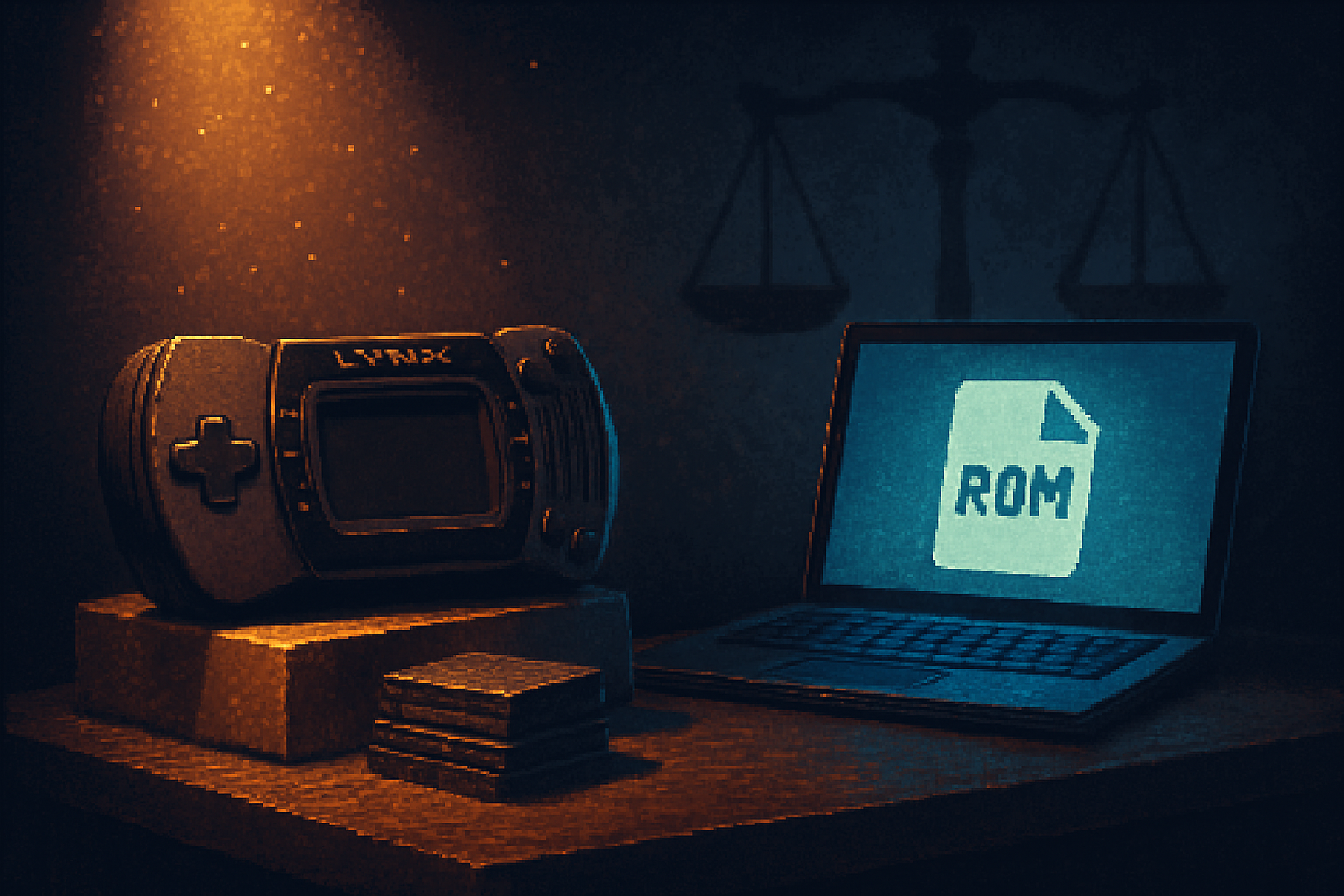
- Cons - requires working ROMs and emulator accuracy; distributing ROMs can be legally fraught.
- Tools - “Handy” is the long-standing Lynx emulator many projects use (see Handy).
- FPGA cores / hardware recreation
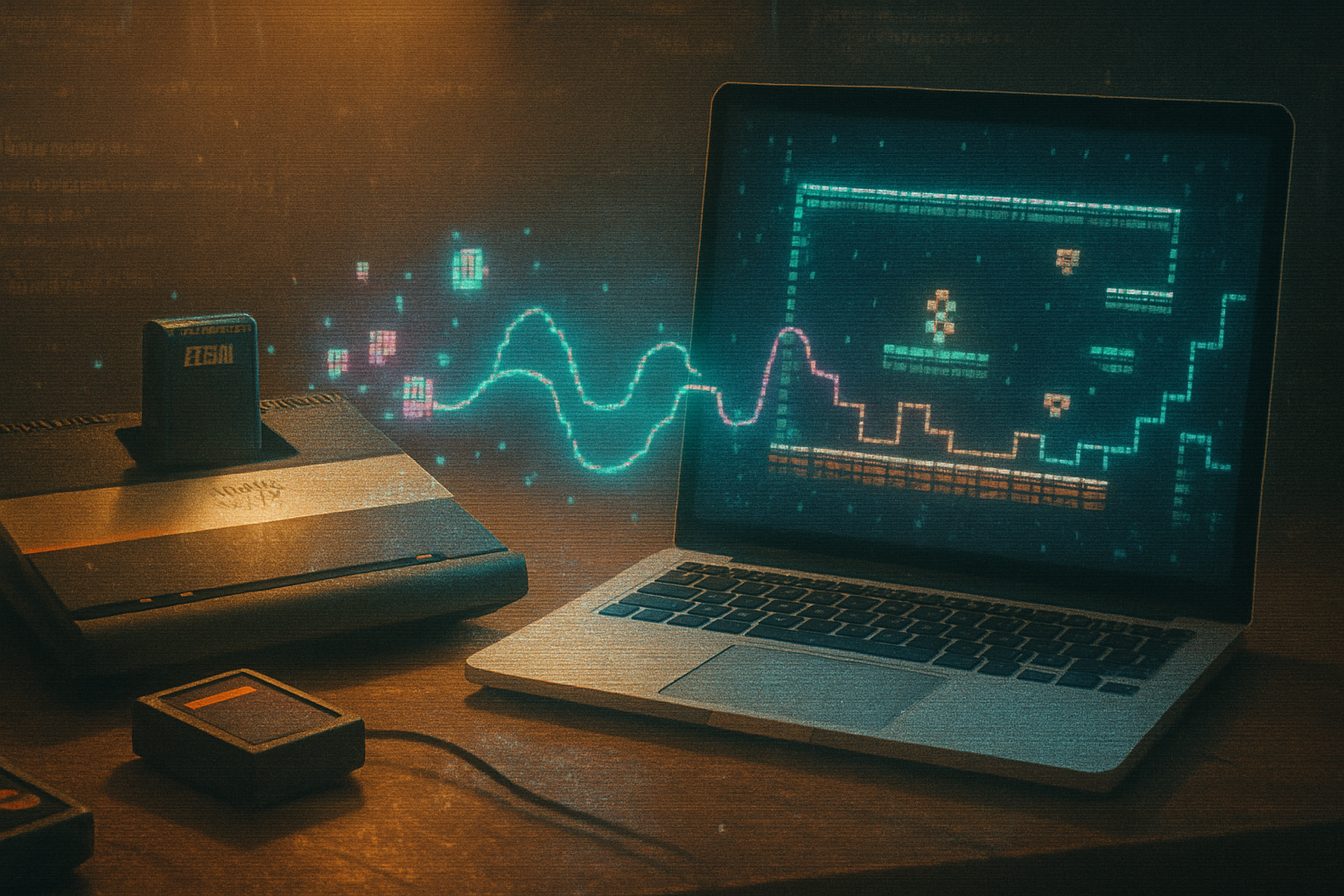
- What it is - reimplement Lynx hardware at the logic level on devices like MiSTer.
- Pros - near-authentic hardware behavior; great for purists and archivists.
- Cons - requires hardware skill; licensing/distribution still sensitive.
- Community - MiSTer FPGA has an active retro-hardware community working on cores and interfaces (see MiSTer Project).
- Ports and remasters
- What it is - port original game logic to modern engines (Unity, Godot) or rebuild assets for HD screens.
- Pros - modern features (scaling, online leaderboards, achievements), legal clarity if rights are secured.
- Cons - labor-intensive; risk of changing the feel if you’re not careful.
- Remakes and spiritual successors
- What it is - developers reimagine or riff on a Lynx game’s mechanics and style without using original code or assets.
- Pros - creative freedom; safer legal ground if you avoid copyrighted assets and trademarks.
- Cons - may upset purists; needs strong design to stand on its own.
Tools, communities and resources
- Emulators - Handy (longstanding Lynx emulator) - useful for testing and ripping assets.
- Forums & hubs - AtariAge is the beating heart of Lynx homebrew and reproduction carts [AtariAge].
- FPGA/hardware - MiSTer Project for FPGA-based cores [MiSTer Project].
- Marketplaces - itch.io is where many indie remakes, fan projects and homebrew releases appear [itch.io].
These communities do more than gossip - they share ROM maps, sprite rips, tile editors, audio dumps, and technical write-ups that make revivals possible.
A compact workflow for a modern revival
If you’re an indie thinking of reviving a Lynx title, here’s a practical sequence many teams follow:
- Research and catalog - find the original ROM, manual, marketing materials and any source-level documentation. The community forums and Wikipedia are good starting points.
- Check rights - identify the IP owner (often Atari or the original developer). Contact them early. Sometimes rights are messy or abandoned - that doesn’t mean you should assume permission.
- Choose an approach - pure emulation, a straight port, a remake or an FPGA re-creation.
- Tooling and assets - extract sprites/audio via emulation tools or recreate assets from scratch. For audio, modern DAWs can clean and re-master soundtracks.
- Quality and fidelity - test on original hardware where possible - or use high-accuracy emulators and FPGA cores - to keep the “feel.”
- Distribution and business model - digital storefronts, itch.io, Steam, limited-run physical cartridges, or licensing deals with companies such as Atari or boutique publishers.
Legal and ethical landmines (don’t ignore them)
- ROM distribution is risky. Even abandoned titles often have a corporate owner who can assert rights.
- Fan remakes that reuse original art, code or trademarks can trigger takedowns.
- The safe path - negotiate rights, or design a spiritual successor that respects mechanics while avoiding protected assets.
Atari (the company) and rights chains can be opaque - approach with humility and documentation.
Business models that actually work
- Boutique physical releases - collectors pay for reproduction cartridges and new boxes - this can fund development and gets you visibility.
- Digital remasters - paid ports on Steam, GOG or consoles when rights are secured.
- Patreon/early-access - community funding during development, particularly for projects with strong fan followings.
- Free + donations - for preservation-focused efforts, sometimes the community is content with a free release and voluntary donations.
Notable movements and outcomes
- Homebrew scene - new commercial-quality games and reproductions continue to appear for the Lynx, distributed through niche shops and community storefronts.
- FPGA/Retro hardware - MiSTer and similar hardware have revitalized how purists experience Lynx titles with low-latency and near-authentic behavior.
- Creative remakes - indie devs often use Lynx-era aesthetics as inspiration for brand-new games that capture the feel without lifting assets.
For anyone wanting to dig in, AtariAge and the Handy emulator are excellent entry points.
Why this matters beyond nostalgia
This movement is partly sentimental - people want to play their childhood games without juggling power packs. But it’s also cultural preservation and engineering archaeology. Reconstructing a Lynx game teaches you about design constraints, human creativity under limits, and the peculiar elegance of hardware-influenced aesthetics.
In other words: reviving Lynx games is not just about making old games run. It’s about rescuing a small but meaningful artifact of game history and translating its spirit into forms that new players can understand and enjoy.
How you can help or get involved
- Join AtariAge, read threads, and contribute documentation.
- Support creators on itch.io or buy limited physical runs to fund further projects.
- If you’re a developer - start small. Pick a single level or minigame, rebuild it in a modern engine, and share your process.
If the Lynx has a lesson, it’s this: clever constraints make memorable games. And clever humans will keep finding ways to bring them back.
References
- Atari Lynx - Wikipedia: https://en.wikipedia.org/wiki/Atari_Lynx
- AtariAge (homebrew community): https://www.atariage.com/
- Handy emulator: https://handy.sourceforge.net/
- MiSTer Project (FPGA cores & community): https://misterfpga.org/
- itch.io (indie marketplace where many remakes/homebrew are published): https://itch.io/