· culture · 7 min read
Reviving MiniDisc Players: Are They the New Vinyl?
MiniDisc players - once the awkward middle child of audio formats - are enjoying a second life. This piece traces why millennials and Gen Z are rediscovering MDs, how nostalgia meets utility, and whether MiniDiscs can ever become the 'new vinyl' or will remain a covetable niche for collectors and audiophiles.
The little silver disc that refused to die
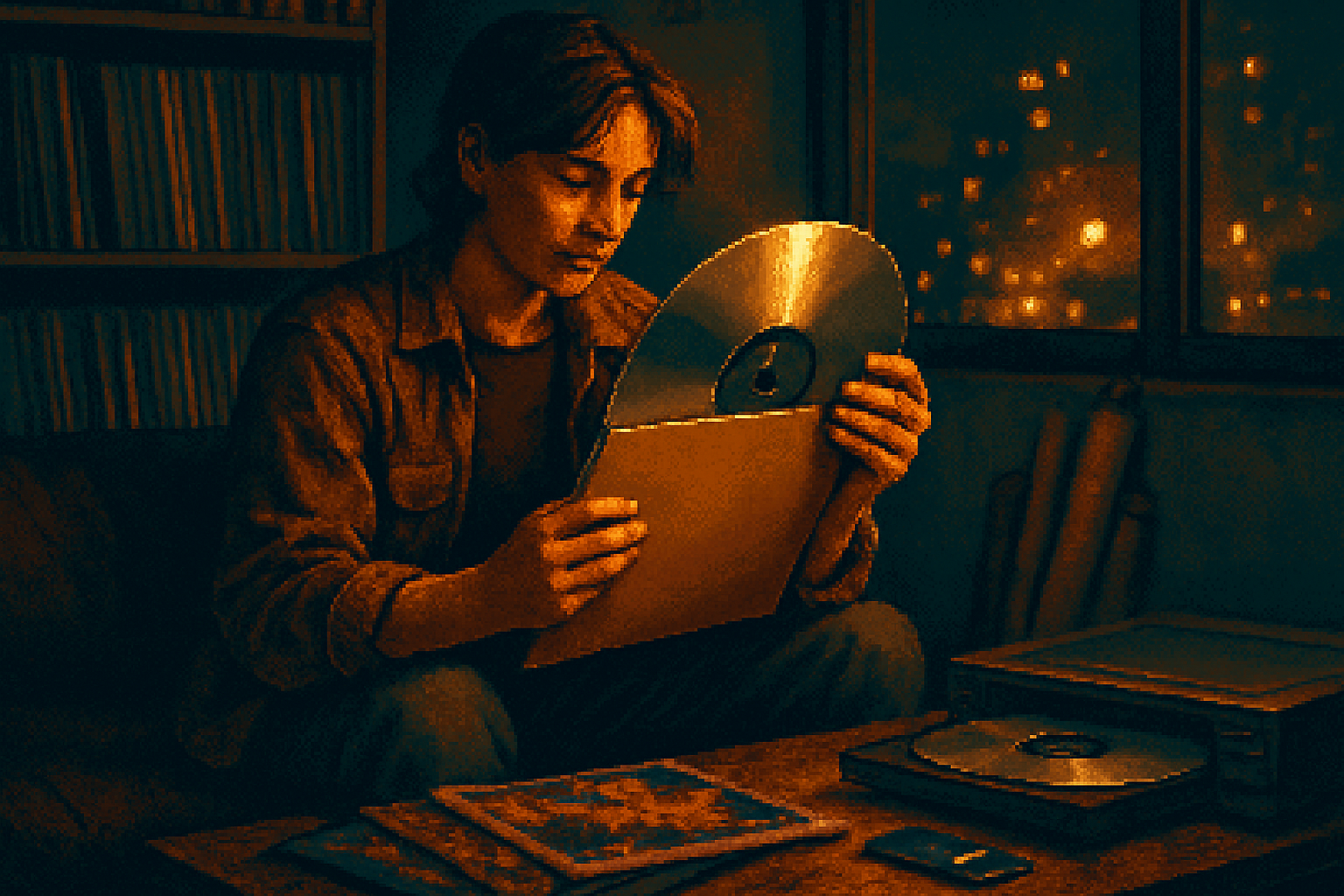
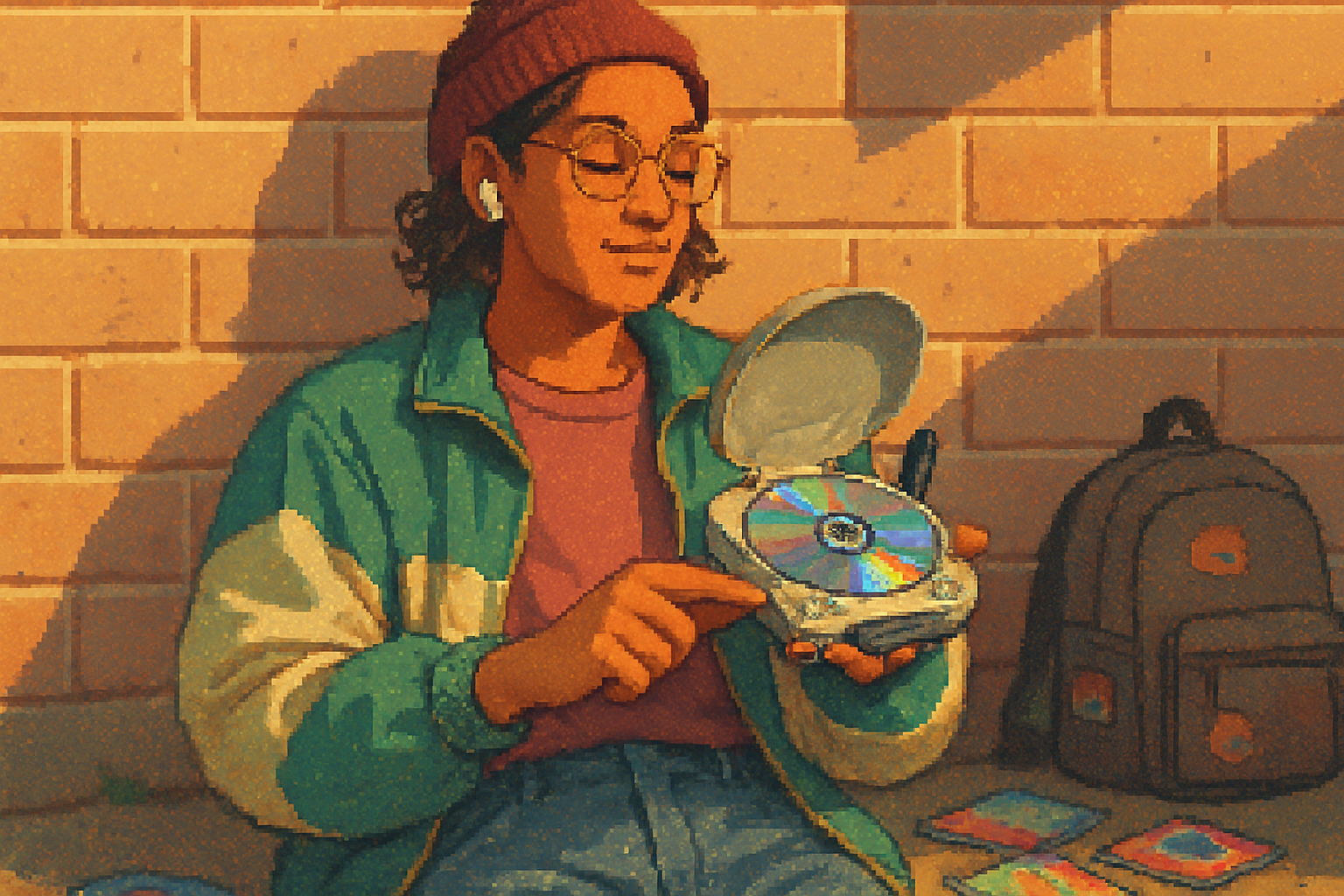
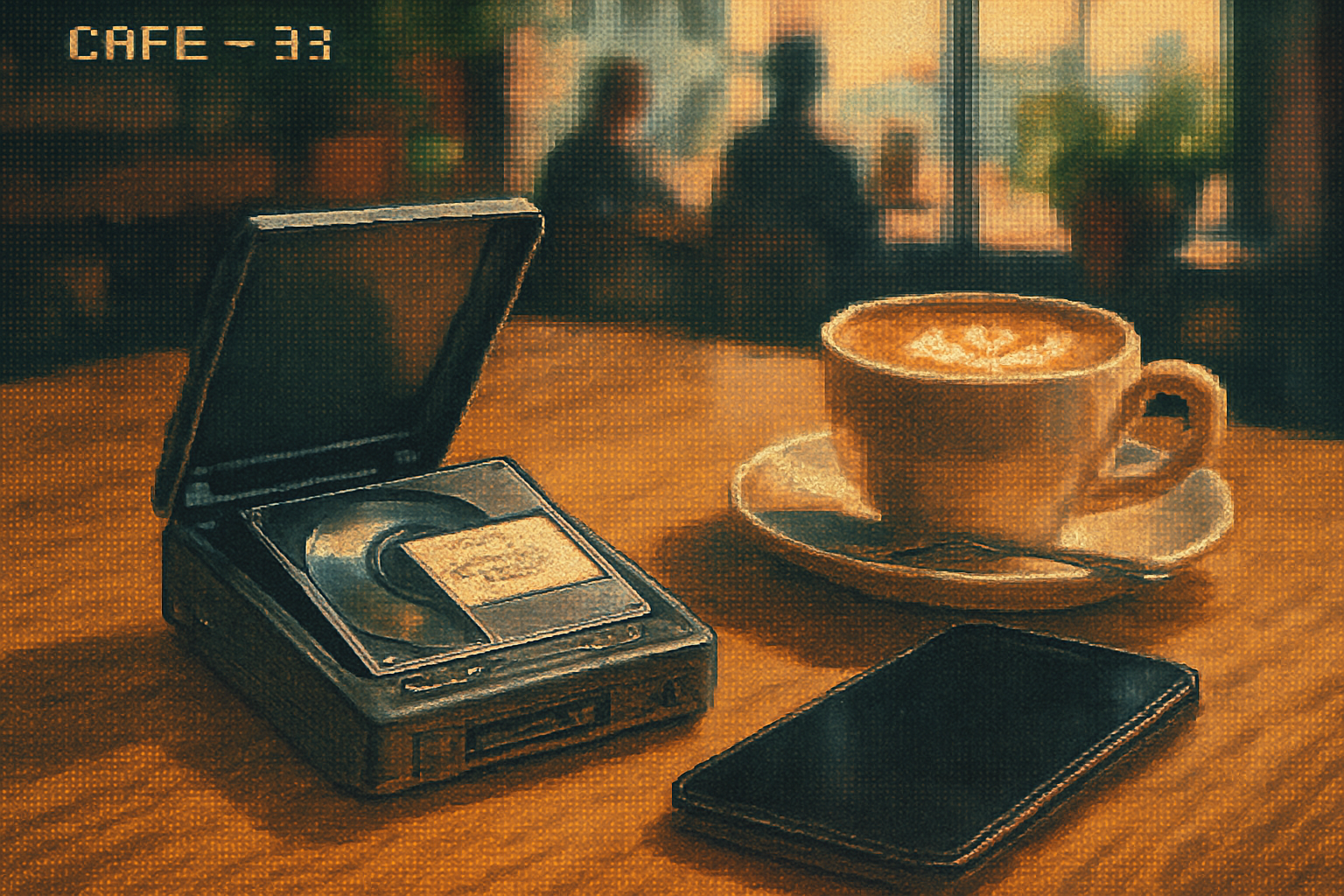
When I first saw one in 2003 it looked like a secret: a tiny, matte plastic cartridge, half the size of a CD, promising portable, scratch-proof music in a world still ferrying MP3s on thumb drives. Three decades later, a 20-something on a subway fiddles with the same shape and smiles. That image - the old and the young touching the same small artifact - is what drives the current MiniDisc renaissance.
MiniDiscs arrived with an air of practicality. Sony launched the format in 1992 as a compact, recordable alternative to cassette and CD: robust cartridges, fast seek times, and the promise of near-CD sound (via Sony’s ATRAC codec). They never conquered the world, because formats rarely behave like rational markets. But they left a footprint: tens of millions of discs and players, a scattered aftermarket, and a design that rewards tinkering.
The question now: are MiniDiscs about to become the new vinyl - culturally central, collectible, and fashionable - or are they simply the next niche for audiophile fetishists and thrift-store archaeologists?
Why nostalgia finds new formats to love
Nostalgia isn’t a lamp you turn on; it’s a gust of air that finds whatever flaps in its path. Vinyl came back not only because it sounds warm, but because it’s tactile, immutable, and dramatic. People like rituals: placing a disc, leaning close, hearing surface noise. Streaming offers infinite choice; retro formats offer finite commitment.
MiniDisc checks many of those boxes in its own quirky way:
- Tangibility with a modern twist - MDs are small, portable, and weirdly tangible - like a pocket relic you can carry with intent.
- An analog-feeling interaction with digital convenience - record, edit track markers, rearrange - without a laptop if you have the right player.
- Rarity + scarcity = collectible value - working players and blank/disc-labelled MDs are not being manufactured any more. Scarcity drives collector interest.
- Anti-streaming cred - for some, choosing an offline, owner-controlled format is an explicit pushback against algorithms and ephemeral catalogs.
If vinyl’s return was partly a rejection of the invisible, Baby Boomer-led dominance of streaming, MiniDisc’s return is a millennial/Gen Z version: small, efficient, tactical, and a little arcane.
What’s actually driving millennial and Gen Z interest?
Short answer: aesthetics, agency, and internet culture.
Longer version:
- Aesthetics and irony. The MD’s design - a small, utilitarian cartridge with a matte label - fits the current aesthetic that prizes compact practicality over polished luxury. It’s Instagram-friendly in a subdued way.
- DIY and repair culture. Younger collectors love to fix things (see - turntables, Polaroids, Game Boys). MD players are eminently serviceable: belts, switches, battery packs, and lasers can be repaired or cannibalized.
- Community and provenance. Enthusiast communities (see the r/Minidisc subreddit) swap tips, sell curated mixtapes, and surface weird, culturally specific MD releases.
- Sound and workflow. For field recording, live mixes, cassette replacement, or creating physical mixtapes, MDs still have practical advantages - durable cartridges, quick skipping, and in some Hi‑MD models, high-quality PCM recording.
Forums and marketplaces traffic confirm the trend. Enthusiasts gather on Reddit, Discogs, and eBay to trade hardware, rare discs, and advice - the same ecology that revived other formats like cassette and vinyl (r/Minidisc, Discogs).
Technological realities: ATRAC, Hi‑MD, and what actually sounds good
MiniDisc’s original codec was ATRAC - a lossy compression designed to be efficient while preserving perceived detail. ATRAC divided audiophiles into two camps: those indifferent to codec debates, and those who view ATRAC as either underrated or fatuously besmirched.
Then came Hi‑MD (2004), which finally allowed linear PCM recording on MDs, putting some models on par with CD-quality recording. Hi‑MD machines can record 44.1/16-bit PCM and thus remove many of the technical objections that used to cripple MD’s audiophile credentials.
Practical takeaway:
- If you care about fidelity, prioritize Hi‑MD-capable equipment or models that support PCM transfer.
- If you want the classical MD experience (small files, long recording using ATRAC), classic ATRAC machines are still perfectly serviceable for casual listening.
The market: collectibles, scarcity, and prices
MiniDiscs will never reach vinyl-level ubiquity. Vinyl exploded because the format offered an experience that streaming couldn’t emulate: giant art, ritualized playback, and an unignorable analogue warmth. MDs are quiet, small, and functional. Their comeback will likely be more modest.
But modest can be profitable.
- Players - Prices vary widely. Well-kept, tested portable MD players - especially Hi‑MD models - command premiums on marketplaces like eBay. Rarer professional decks and boomboxes attract collectors.
- Discs - Blank MDs (especially unopened packs) and limited label releases now fetch collector prices. The supply of unused blanks is finite; that scarcity drives value.
- Mixtapes & curated MDs - Some sellers repackage mixtapes or historical transfers on MD as curated objects. Nostalgia has currency.
Watch marketplaces to see the arc: Discogs and eBay show active listings and sales histories that can be enlightening (Discogs, search eBay for “minidisc player” or “blank minidisc”).
Practical buying and maintenance guide
If you’re attracted to MiniDisc as a hobby or practical format, here are pragmatic rules so your nostalgia doesn’t become buyer’s regret.
Before you buy:
- Know the variants. Look for “Hi‑MD” if you want PCM-quality recording and easier computer transfer. “Net MD” models may have USB transfer features.
- Check function tests. Sellers should confirm that the player reads/writes, that the display and controls work, and that battery compartments are clean.
- Ask about belts and caps. Age takes its toll - ask whether the unit has been serviced.
When you own one:
- Use tested blanks or used discs from trusted sellers. The mechanism tolerates some wear, but flaky blanks cause headaches.
- Keep it dry and cool. Humidity harms contacts and belts.
- Learn to service it. Replacing belts, cleaning optical pickups, and lubricating mechanical parts are straightforward if you like tinkering - and there are many guides and YouTube teardown videos from the community.
Where to look:
- eBay for tested units and parts (search “minidisc player tested”).
- Discogs for music MD releases and specific discs.
- Reddit’s r/Minidisc for troubleshooting and group buys.
The limits: why MiniDiscs will probably stay niche
Here’s where a little moral clarity helps: MiniDiscs are unlikely to dislodge vinyl’s cultural position. Reasons:
- Ritual scale. Vinyl’s playback involves scale and spectacle. MDs are pocket-sized and subtle; they lack the drama.
- Sound mythology. Hi‑FI lore favors analogue quirks - surface noise, warm distortion - which MD doesn’t provide.
- Market momentum. Vinyl had a powerful supply-and-demand loop - enthusiasm encouraged pressing plants to restart production. MiniDisc lacks a comparable industrial tailwind.
So the likely future? A rich, active niche. A collector’s format. A favorite tool for recordists and retro-obsessed musicians. Not a mass-market cultural juggernaut.
The delightful middle path: revival without pretense
Let’s drop grand claims and accept something healthier: revival need not mean renaissance. The best revivals are small and intense. MiniDisc’s comeback will be like a hidden bar that only a few know about - delicious to those inside, irrelevant to everyone else.
It will produce beautiful things: DIY mixtapes, lovingly repaired Walkmans, curatorially assembled MD releases, and online communities teaching one another how to keep these machines alive. That is enough.
If you want a format that says, in a single object: I choose this - and I curated it - MiniDisc makes a persuasive argument. It won’t dethrone vinyl. But it might give you a new kind of ritual: compact, tactile, and stubbornly offline.
Quick checklist for getting started
- Join r/Minidisc and lurk for a week. You’ll learn more than from ten buying guides.
- Hunt for Hi‑MD models if fidelity and transferability matter to you.
- Buy from sellers who return units tested and guaranteed.
- Keep expectations modest - charm and utility, not mass-market miracle.
Further reading and communities
- MiniDisc on Wikipedia: https://en.wikipedia.org/wiki/MiniDisc
- Discogs marketplace and listings: https://www.discogs.com/
- r/Minidisc subreddit for community tips and sales: https://www.reddit.com/r/Minidisc/
- Search eBay for current market listings: https://www.ebay.com/sch/i.html?_nkw=minidisc+player