· retrotech · 6 min read
The Revival of ICQ: Can Nostalgia Spark a Modern Messaging Renaissance?
ICQ’s faded green buddy lists are more than relics - they’re a catalog of emotional hooks that modern messaging apps can mine. This article unpacks what made ICQ compelling, why nostalgia works, and how developers can responsibly turn retro sentiment into modern product value without becoming a museum.
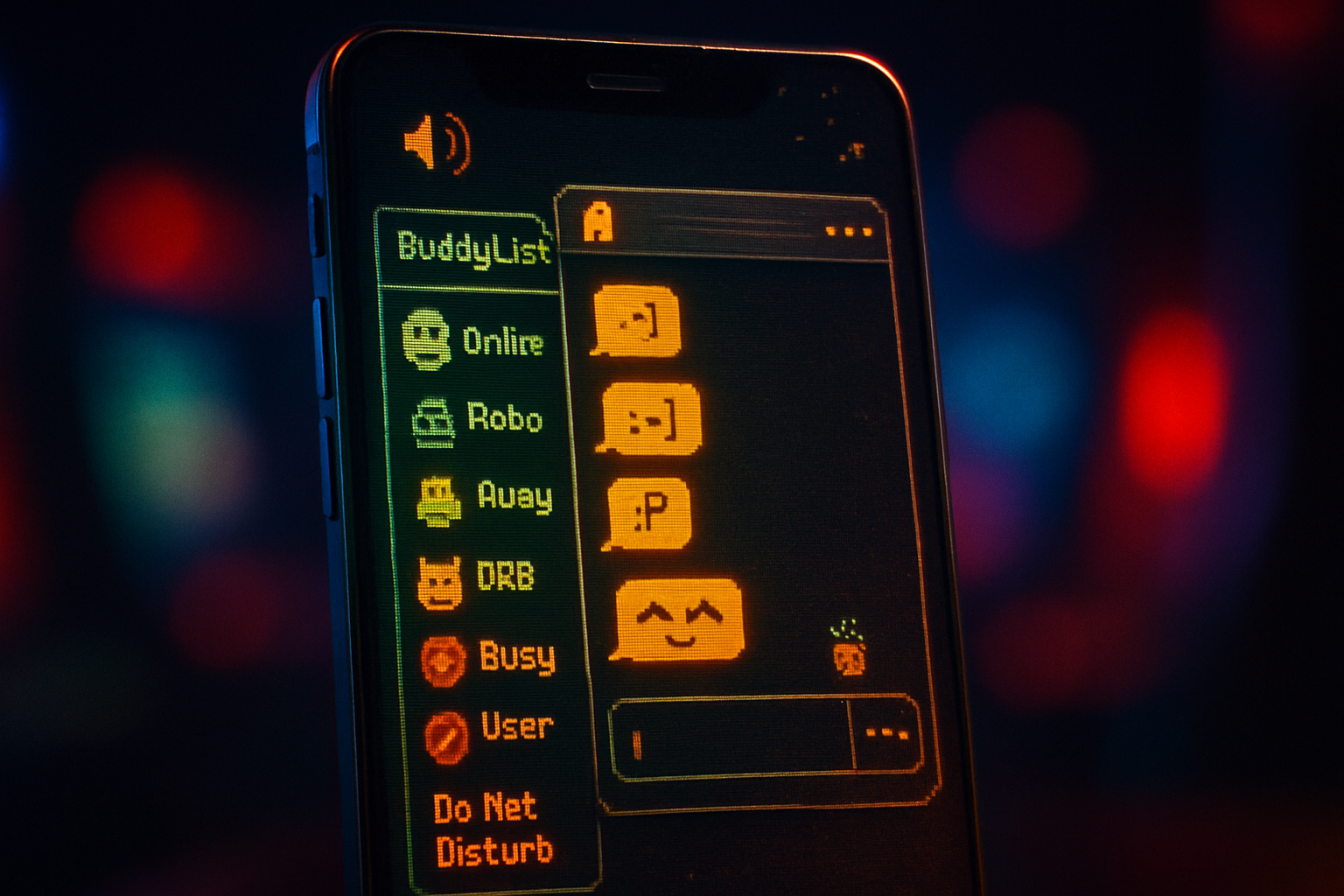
I still remember the exact sound - a tiny, cheerful whoop - and the first time I clicked a buddy’s name and watched the little window pop open. It was instant, private, oddly intimate. ICQ didn’t just make messaging possible; it made small social economies visible: who was online, who cared to be reachable, and who curated a profile like a digital calling card.
Nostalgia is not a feature. But it is torque: a force that can move users, markets, and design decisions. So can ICQ’s ghost help build something that matters today? Yes - if you know which parts are worth resurrecting, which are better left in a museum of early web kitsch, and how to translate sentiment into sustainable product design.
Why ICQ still tugged at our sleeves
ICQ was a set of tiny promises. It promised presence, predictability, personality and a public-private axis that was flexible enough for both gossip and logistics. Some concrete reasons it resonates now:
- Presence made social life legible. The buddy list turned social attention into a visible, low-friction commodity. Seeing someone “online” removed the uncertainty of waiting for a reply.
- Profiles were curated micro-identities. Users could paste ASCII art, write snappy metadata, and feel ownership of a small corner of the internet.
- Asynchronous intimacy. Messages could be instant but didn’t demand the continuous performance of a phone call.
- Playful UI afforded expression. Away messages, custom sounds, and status messages let people perform mood in tiny bursts.
If you want the short history: ICQ launched in 1996 and helped define the instant messaging category. The Wikipedia entry gives a tidy chronology and context for those who like precise dates and founders’ names: https://en.wikipedia.org/wiki/ICQ.
Nostalgia is a market force - carefully
Before you slap an 8-bit font on a dark-mode app and call it “retro authenticity,” remember why nostalgia sells in the first place: it comforts, it simplifies, it promises a return to an era in which things felt more human and less optimized against you.
A good modern precedent is vinyl records: a deliberately inferior-but-soulful medium whose revival proved people will pay for intentional friction and ritual. For an appetizing read on that comeback, see The Guardian’s coverage of vinyl’s rise: https://www.theguardian.com/music/2019/nov/18/vinyl-records-rise-revival.
Two important lessons from the vinyl story:
- The revival wasn’t about replicating the exact old experience - it was about the feelings and rituals around it.
- You need an ecosystem - product, retail, social rituals, and artists willing to play.
Messaging apps can borrow the first and must create the second.
What made ICQ compelling - and what modern apps must keep
If developers want to mine ICQ’s appeal, they should distill its mechanics into modern design primitives rather than copying its aesthetics outright.
Essential primitives to consider:
- Presence and ambient awareness - subtle cues that someone is available without demanding immediate engagement.
- Low-friction identity signals - short bios, status lines, or micro-avatars that communicate personality at a glance.
- Playful expressions - reaction mechanics, ephemeral decorations, and small rituals (like away messages) that let social norms form organically.
- Intimacy-first defaults - small-group conversations and private channels as the default social unit, not giant public feeds.
- Human-scale discoverability - gentle friend-finding experiences that reward offline relationships rather than algorithmic attention extraction.
Design translation examples:
- Presence → typing indicators, subtle online badges, and smart away handling that respects privacy.
- Profile customization → modular skins or small profile cards that users can customize (and pay to upgrade).
- Away messages → ephemeral status stories with optional expiration and privacy settings.
What not to revive (the nostalgia traps)
Nostalgia is seductive. It can also be lazy and mendacious.
- Don’t revive bad UX for the name of authenticity. Flaky connections, opaque privacy, and clumsy search are not charming.
- Don’t confuse visual retroism with product value. An 8-bit font without meaningful social mechanics is a costume party.
- Avoid exclusionary gatekeeping. The smallness that felt cozy in the 1990s can feel cliquish and hostile today unless carefully designed.
- Beware of legal and IP quagmires. Branding and trademarked assets from legacy platforms can be risky terrain.
How to build a modern, nostalgia-informed messaging app - a practical roadmap
Think of this as a short spec for turning feelings into features.
MVP (minimum lovable product) checklist:
- Core messaging - fast, reliable text/emoji, read receipts optional.
- Ambient presence - buddy list with granular privacy controls and subtle online indicators.
- Profile cards - small, editable profiles with one-click ways to share contact handles and micro-interests.
- Group-first social primitives - small, persistent groups and ephemeral rooms.
- Lightweight customization - themes, status messages, and non-invasive audiovisual cues.
UX & product decisions:
- Onboarding - seed with an import flow (contacts from phone or email) and an invite mechanic for friend circles. Make the first 10 contacts feel precious.
- Defaults - privacy-first. Users should not be public by default. Nostalgia shouldn’t come at the expense of consent.
- Moderation - community moderation primitives and simple reporting. Small groups scale badly without guardrails.
- Cross-platform - desktop and mobile sync, with web fallback for nostalgia-curious users who want to tinker.
Architecture and data:
- End-to-end encryption as baseline for private chats. Users have different reasons for nostalgia; most want safety.
- Lightweight, offline-first storage that echoes the snappy feel of older apps while being synchronized.
- Optional cloud backups for users who don’t want data loss drama.
Monetization models that respect the vibe:
- Freemium core - essential messaging free, with premium tiers for advanced customization and community hosting.
- Cosmetic monetization - paid themes, sound packs, sticker collections inspired by retro UI (avoid paywalls for core social functions).
- Community tools - paid rooms, event features, and moderation suites for creators who want to build paid small communities.
Key metrics to measure early:
- DAU/MAU for core cohorts (friends who chat weekly).
- Message density in small groups (are small groups active?).
- Invite conversion rate (how many invites turn into real connections?).
- Churn after seven, 30, and 90 days.
Community playbook: how to seed the small social economies
Nostalgia thrives in tribes, not broadcast channels. Strategies that work:
- Seed with trusted micro-communities - friend circles, alumni groups, gaming clans, and local neighborhoods.
- Run nostalgia events - themed chat nights, retro sound packs, or celebrity AMAs with figures from the era.
- Partnerships - bands, podcasters, and creators who want to lean into retro aesthetics can bring audiences.
- Rituals - suggest daily or weekly “away” templates, status prompts, and group traditions that encourage return visits.
Two product sketches: what this could look like
“BuddyList” - A minimal messaging app where the homepage is literally a customizable buddy list. Small-group threads launch from clicking names. Monetization - profile skins and premium buddy-list views. Privacy-first defaults.
“AwayRoom” - A cross between a status app and a messaging client. Users post ephemeral status cards (text, audio, sticker) visible only to selected groups. The value is intimacy, ritual, and low-pressure presence.
Final warning and the sharp truth
Nostalgia sells-but it doesn’t solve product-market fit. The people chasing the 1990s aesthetic are allergic to heavy-handed optimization and surveillance. If you want them to stay, give them the things ICQ once did best: agency, predictable presence, and room to be small and human.
If you give them that - plus modern expectations like encryption, cross-device sync, and decent moderation - you won’t be selling them a relic. You’ll be offering a better tool for the same human need: reliable, low-friction connection.
Raise the old sound as an Easter egg. But build the app so it doesn’t need to rely on it.
References
- ICQ - history and context: https://en.wikipedia.org/wiki/ICQ
- Vinyl comeback (example of nostalgia turning into a market): https://www.theguardian.com/music/2019/nov/18/vinyl-records-rise-revival