· culture · 6 min read
Fashioning the Future: How Retro-Futurism is Making a Comeback in Modern Wardrobes
Retro-futurism - the strange, shiny child of 1960s space-age optimism and 1980s cyberpunk anxiety - is back. This article explains why designers and streetwear brands are leaning into chrome, neoprene, and neon, and gives practical, stylish ways to fold retro-futuristic pieces into everyday outfits.

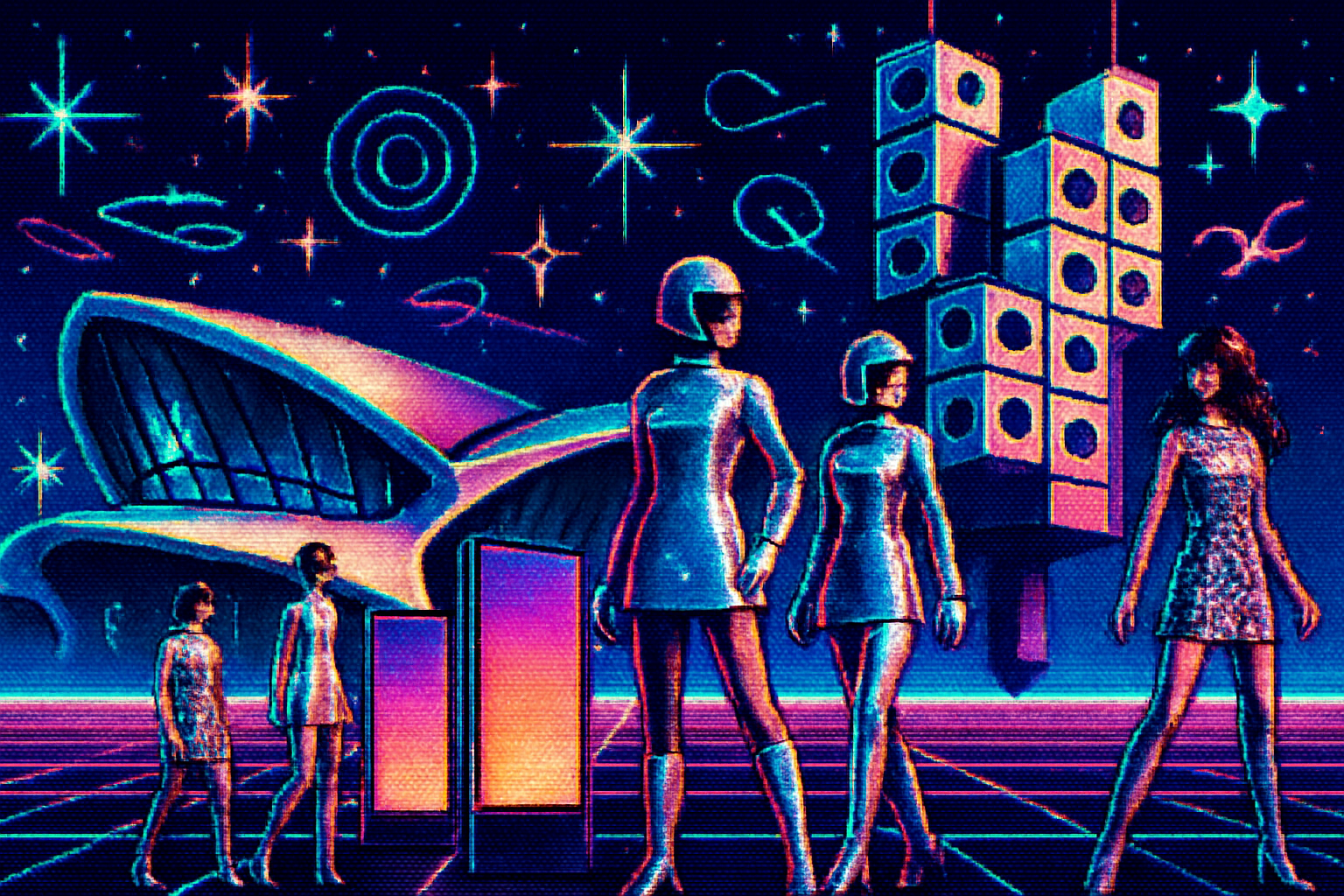
I found the silver minidress in my aunt’s attic between a box of VHS tapes and a coronation hat. It looked like something a hopeful cosmonaut might wear to a nightclub on the Moon: reflective, absurd, and oddly dignified. I wore it once. People laughed. Some admired it. Nobody called it out of place.
That moment-part archaeological discovery, part fashion epiphany-captures retro-futurism’s strange power: garments that were once earnest visions of tomorrow now read as sharply ironic, oddly wearable, and perversely modern.
What is retro-futurism, and why does it matter now?
Retro-futurism is the aesthetic you get when past visions of the future start getting stubbornly literal. Think Googie architecture, chrome helmets, and optimistic moonscapes from the 1950s and 1960s mashed up with the neon grit of 1980s cyberpunk. It’s a cultural mirror reflecting how earlier generations imagined progress - and how those imaginings keep coming back as design cues.
For a useful primer, see the overview of the movement on Wikipedia: Retro-futurism.
Why now? Two reasons, short and long:
- Short - Fashion cycles spin faster than ever. Nostalgia is a content engine; retro-futurism is novel enough to feel fresh but familiar enough to be comfortable.
- Long - Our cultural ambivalence about technology. We both worship and fear the gadget-filled future. Designers exploit that ambivalence - shiny, optimistic surfaces masking dystopian subtext.
A brief history - not the boring museum version
Fashion has flirted with the future for decades. In the 1960s, André Courrèges and Paco Rabanne turned space-age fantasies into garments: PVC, metal, and modular silhouettes meant to look like uniforms for a better tomorrow. See their contributions here: André Courrèges and Paco Rabanne.
Later, cinema did the heavy lifting. Stanley Kubrick’s 2001: A Space Odyssey gave us antiseptic futurism; Ridley Scott’s Blade Runner gave us neon noir. These images lodged in design DNA and resurface in cycles.
Contemporary houses - even the famously mercurial Balenciaga - fold those images back into runway kits: oversized silhouettes, tech fabrics, and a self-aware bleakness that reads like couture satire. For context: Balenciaga.
How retro-futurism shows up in today’s fashion
It appears at two poles: high fashion (runway drama) and streetwear (practical myth-making). The interesting part is how they feed each other.
High fashion - Dramatic takes on classic silhouettes using futuristic materials. Think sculpted outerwear, mirrored surfaces, and accessories that look like spacecraft parts. Designers translate nostalgia into concept-driven narratives - expensive, theatrical, culturally sticky.
Streetwear - Practical reinterpretation. Neoprene hoodies, metallic puffer jackets, holographic fanny packs, and chunky ‘tech’ sneakers. Streetwear democratizes the look: it turns avant-garde gestures into everyday armor.
Cross-pollination matters. Streetwear strips a runway piece of ceremony and leaves a readable, durable signifier: chrome = future, exaggerated shoulders = power, reflective tape = utilitarian chic.
Key elements of the retro-futuristic wardrobe
Learn the vocabulary before you translate it into outfits.
- Materials - Metallic lamé, chrome foil, PVC, neoprene, glossy vinyl, and reflective textiles. Mirrored sunglasses and polycarbonate visors are signature pieces.
- Colors - Lunar silver, stark whites, obsidian black, and neon accents (hot pink, acid green, electric blue). Muted pastels sometimes appear in the 60s vein.
- Silhouettes - Structured shoulders, A-line minis (60s revival), boxy outerwear, and streamlined jumpsuits. Asymmetry and modular layers nod to sci-fi utility.
- Details - Exposed zippers, rubber trims, ballistic straps, welded seams, and LED or glow accents.
How to wear retro-futurism without looking like an extra from a bad sci-fi commercial
The principle is simple: use one or two overtly futuristic elements and anchor them in the familiar.
- Start small. A metallic shoe or a mirrored bag can reframe an otherwise ordinary outfit. Let the shiny piece do the talking.
- Balance texture. Pair a glossy jacket with matte denim or brushed wool. Contrast keeps outfits credible.
- Tone down color. If your piece is chrome or neon, keep the rest neutral. This creates a deliberate, curated feel rather than costume.
- Mix eras. Combine a 60s-style mini with modern chunky trainers. The collision gives intention.
- Scale wisely. If you wear an exaggerated silhouette (huge shoulders or inflated puffer), keep bottoms clean and close to the body.
- Make it functional. Tech pockets, waterproof fabrics, and durable soles mean your look works in real life, not just on a runway.
Practical outfit blueprints (real, wearable examples)
Daytime - urban commuter:
- Matte black neoprene bomber, slim tapered trousers, reflective low-top sneakers, compact metallic crossbody. Functional, readable, slightly conspiratorial.
Weekend - casual streetwear:
- Oversized silver windbreaker, white tee, wide-leg denim, chunky lug-sole sneakers, mirrored aviators. Easy, loud, and surprisingly wearable with coffee.
Office - subtle futurism:
- Sculpted charcoal blazer with a subtle sheen, crisp white shirt, tailored trousers, understated leather shoes with polished metal hardware. Slightly menacing. In a good way.
Night - statement dressing:
- Metallic slip dress or A-line mini with structured shoulders, sheer black tights, platform boots, minimalist geometric clutch. Dramatic without trying too hard.
Gender-neutral capsule:
- High-tech trench with taped seams, breathable base layers, cropped cargo pants, and modular bag. Practical, dystopian-chic.
Styling tips by piece
- Metallic sneakers - Match with tonal socks and a neutral pant. Let the shoes pop.
- PVC trench - Line with a soft knit to avoid looking like store display. A wool scarf humanizes the look.
- Mirrored sunglasses/visors - Keep the rest of your accessories understated. These are conversation-starters.
- LED or lighted accessories - Reserve for events or nightlife. They read gimmicky in daylight.
Where to shop (and how to avoid being fleeced)
- Vintage and thrift - Best for authentic 60s and 80s pieces. Inspect hardware and linings; metal ages poorly.
- Mainstream brands - High-street labels recycle the vocabulary affordably. Expect faster wear; buy mindfully.
- Contemporary designers - If you want a definitive, well-made piece, look to specialty designers who use high-quality tech fabrics.
A caveat: that metallic garment will show wear. Metallic finishes scuff. PVC gets creased. Buy with care or accept the patina - it tells a story.
Caring for retro-futuristic garments
- Metallics - Avoid harsh folding. Store flat or on a padded hanger. Clean according to label; often spot-clean only.
- PVC/Vinyl - Keep out of prolonged heat. Wipe with damp cloth and mild soap.
- Technical fabrics - Follow care labels. Many are machine washable but air-dry only to preserve coatings.
The cultural subtext - why this trend matters beyond aesthetics
Retro-futurism isn’t just about shinier shoes. It’s stylistic anthropology. It reveals how societies rehearse hope and anxiety about technology. When designers put silver lamé next to a bomber jacket, they are staging a conversation between optimism and skepticism, between spectacle and survival.
There is moral clarity here: fetishizing progress without critique is naïve. Celebrating retro-futurism’s aesthetic while acknowledging its contradictions is smarter. Wear it knowing you look forward - and that you also know how we got here.
Quick checklist for adopting the look
- Start with one focal piece (metallic shoe, tech jacket, or mirrored sunnies).
- Anchor with neutrals and classic tailoring.
- Prioritize comfort and function.
- Mix eras to keep the look intentional, not imitative.
- Invest selectively in high-quality pieces; accept cheap experiments from trend vendors.
Final note - why you’ll keep seeing this
Fashion cycles, but images stick. The way past designers imagined a future is now a design language. It’s optimistic, a little ridiculous, and stubbornly glamorous. That is why a 1960s silver dress can feel more modern than most so-called minimalism.
Wear retro-futurism the way you wear a joke you want to keep telling: with timing, a little restraint, and relish for the absurd.
References
- Retro-futurism - Wikipedia: https://en.wikipedia.org/wiki/Retro-futurism
- André Courrèges - Wikipedia: https://en.wikipedia.org/wiki/Andr%C3%A9_Courr%C3%A8ges
- Paco Rabanne - Wikipedia: https://en.wikipedia.org/wiki/Paco_Rabanne
- 2001 - A Space Odyssey - Wikipedia:
- Blade Runner - Wikipedia: https://en.wikipedia.org/wiki/Blade_Runner
- Balenciaga - Wikipedia: https://en.wikipedia.org/wiki/Balenciaga