· retrogaming · 7 min read
Remaking Classics: Which Sega Saturn Games Deserve a Modern Revival?
A passionate, game-by-game case for modern remakes of nine Sega Saturn classics - what to fix, what to preserve, and why these titles still matter.
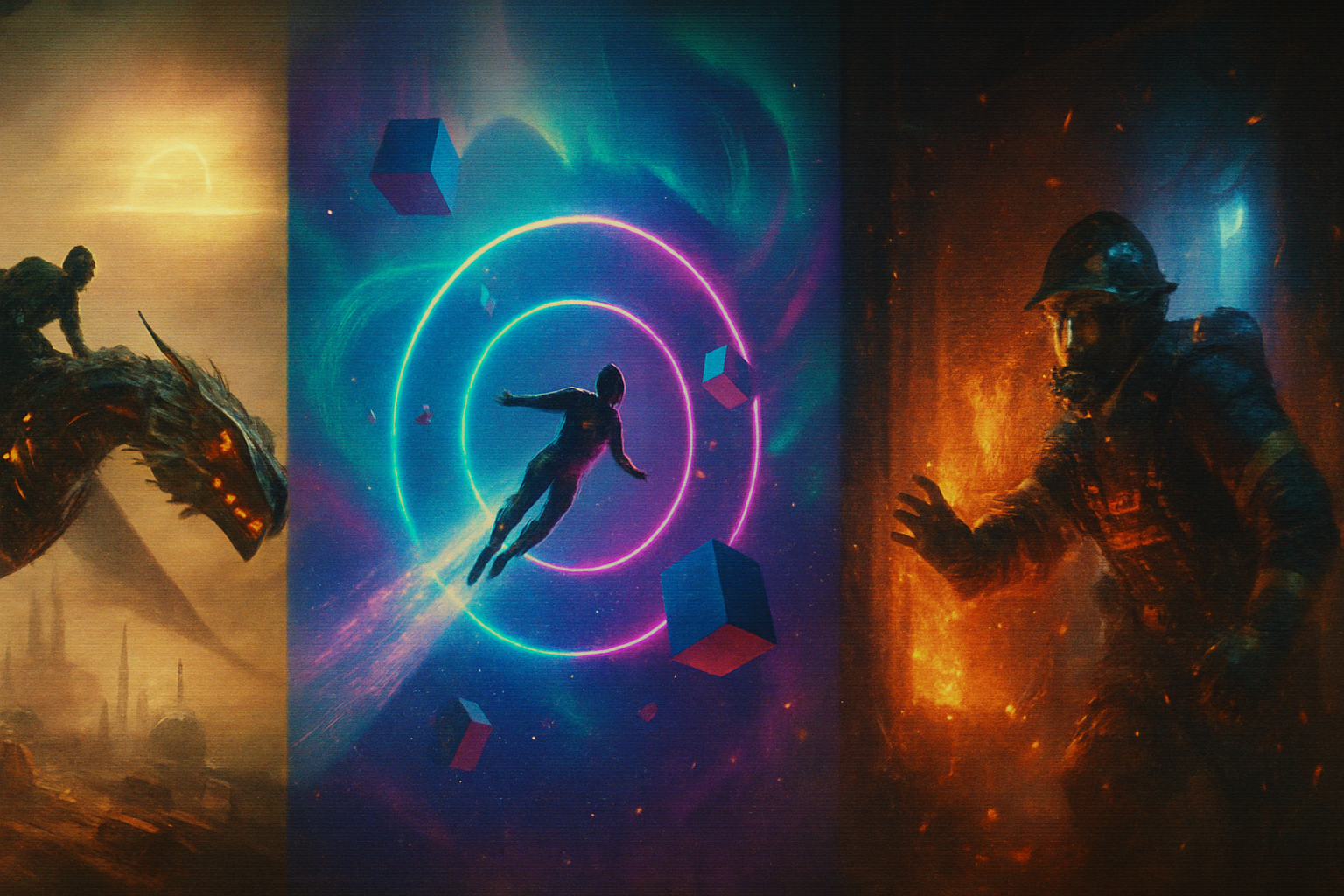
I still remember the first time I rode a dragon on a 2D plane pretending it was 3D. The Saturn spat textures like confetti, the music looped in a way that suggested budgetary exhaustion and genius in equal measure, and yet for twenty hours I believed I was somewhere new. That’s what the Saturn did best: it convinced you of wonder with limited tools. It’s also why so many of its best games scream for revival - not because they’re broken relics, but because their ideas are still startlingly good and could thrive with modern craft.
This article picks nine Sega Saturn titles that deserve contemporary remakes. For each: a short context, the core of what made the original terrific, and a concrete list of what a modern remake should do - graphically, mechanically, and narratively. I’ll be honest about feasibility: legal rights and the vagaries of source code can be nastier than any boss.
A few ground rules (my remake ethics)
- Preserve the soul, improve the scaffolding. Don’t throw out the melodies while you polish the instruments.
- Fix common frustrations - save systems, camera, input lag, balance, and the user interface.
- Expand storytelling only where it deepens player investment - new scenes that illuminate, not replace, the original intent.
Panzer Dragoon Saga (1998)
Why it matters: Panzer Dragoon Saga is the Saturn’s most mythic RPG - weird, moody, and rare. It married on-rails dragon combat with a slow-burn JRPG narrative and gave us a world that felt dangerously unfinished in the best way. It’s the holy grail of Saturn-related remakes because it’s both beloved and almost mythically scarce.
What a remake should do:
- Graphics - Full 3D environments built with volumetric fog, PBR materials, 4K textures, and cinematic lighting. Keep the surreal, rust-and-sky palette.
- Gameplay - Modernize combat with optional third-person camera, dodge/parry mechanics, skill trees for dragon and rider, and smoother transitions between exploration and combat.
- Story - Expand lore via optional quests, codex entries, and new cutscenes. Preserve the elliptical, melancholic tone; avoid turning the game into a talky, literal JRPG.
Feasibility note: Rights and master code might be complex, but the payoff would be enormous. A faithful remake that adds meaningful quality-of-life updates could turn a cult classic into a mainstream narrative sell.
Sources: Panzer Dragoon Saga
NiGHTS into Dreams (1996)
Why it matters: NiGHTS is less a game and more a lullaby for the sane: dream logic, flowing level design, and an obsession with aerial rhythm. Its core mechanic - chaining aerial maneuvers through dreamscapes - is ripe for contemporary reinvention.
What a remake should do:
- Graphics - Dreamscapes rendered with a painterly neon aesthetic and depth-of-field effects. Use particle systems and dynamic lighting to sell atmosphere.
- Gameplay - Tighten controls with modern analog sensitivity, revisualize scoring with accessible meta-goals, and add optional VR or motion modes for immersion without forcing them on purists.
- Story - Expand on the dream symbolism with optional narrative threads that clarify motivations while leaving the surreal intact.
Why now: The indie wave showed players crave short, exquisite experiences. NiGHTS can be that - but with modern tightness and accessibility.
Sources: NiGHTS into Dreams
Radiant Silvergun (1998)
Why it matters: One of the few shooters that can be called a work of art. Its weapon system is a brilliant, systemic puzzle, and its difficulty curve is merciless but fair. The core design is timeless - it just needs presentational and UX polish for a broader audience.
What a remake should do:
- Graphics - Retain the clean, mechanical art direction but upgrade to high-res models, elaborate particle effects, and widescreen support.
- Gameplay - Add online leaderboards, rewind/assist options, adjustable difficulty, and a robust training mode that teaches weapon synergies.
- Story - Keep the cryptic narrative. Add a visual codex and unlockable developer notes to satisfy modern curiosities.
Commercial case: Shmup fans are a dedicated market. With high polish and online features, a Radiant Silvergun remake could be a perennial evergreen for speedrunners and score chasers.
Sources: Radiant Silvergun
Burning Rangers (1995)
Why it matters: A firefighting action game that somehow feels like a love letter to controlled chaos. Its levels married exploration with time pressure and spectacle. There’s nothing else quite like it.
What a remake should do:
- Graphics - Photo-real smoke simulation, dynamic fire propagation, realistic lighting and heat haze - the stakes should be visceral.
- Gameplay - Expand level objectives, add co-op (both local and online), upgrade traversal options (short-range jetpacks, rope tools), and implement emergent fire behavior.
- Story - Flesh out the crew, add mission briefings, and make NPC rescues matter with branching mission outcomes.
Risks: Simulating fire is expensive. A budget-conscious approach would focus on a dozen handcrafted set-pieces rather than endless procedural burning rooms.
Sources: Burning Rangers
Shining Force III (1997–1998)
Why it matters: A deep tactical RPG series with multiple scenarios that, in the West, arrived incomplete. Chapters 2 and 3 were essentially locked behind a language barrier for many players - a grievous sin in the era of preserved games.
What a remake should do:
- Graphics - Reimagine maps and sprites in a clean HD isometric 3D style while keeping the tactical clarity.
- Gameplay - Streamline menu navigation, add undo/preview move features, and introduce a quality-of-life auto-save and faster battle animations.
- Story - Localize all scenarios properly and use the remake as an opportunity to present the entire saga as intended, with fully voiced scenes and bridging content to smooth pacing.
Why this matters: Fans have wanted the complete narrative for decades. A modern remake could finally provide closure.
Sources: Shining Force III
Dragon Force (1996)
Why it matters: Grand strategy disguised as a console fantasy romp. Massive armies, dozens of commanders, and large-scale battles that felt cinematic despite the Saturn’s limits.
What a remake should do:
- Graphics - Recreate legion battles with hundreds of troops onscreen using optimized LOD and crowd systems; implement cinematic camera angles for key clashes.
- Gameplay - Keep the strategic layer but clarify UI, add tactical pause, and allow for multiplayer campaigns.
- Story - Add richer character interactions during recruitment and provide campaign choices that meaningfully alter political maps.
Opportunity: Strategy games sell well to committed players. A remake could amplify the scale that the Saturn hinted at and make the grand strategy gratifyingly modern.
Sources: Dragon Force
Guardian Heroes (1996)
Why it matters: A beat ‘em up that thinks it is a sprawling action RPG. Branching story paths, persistent progression, and board-level skirmishes - this title was already ahead of its time.
What a remake should do:
- Graphics - High-fidelity 2.5D - sculpted character models with hand-painted backdrops.
- Gameplay - Expand online co-op and versus modes, add modern rollback netcode, refine combo systems, and offer accessibility modifiers.
- Story - Expand branching paths with more cinematic stakes and character banter; add character-specific side quests.
Commercial case: With fighting-game audiences and nostalgia players, a polished Guardian Heroes could thrive competitively and casually.
Sources: Guardian Heroes
Enemy Zero (1996)
Why it matters: A psychological sci-fi horror with limited visibility and a haunting atmosphere. It’s less about jump scares and more about dread - that slow understanding that the ship is no longer entirely yours.
What a remake should do:
- Graphics - Moody, claustrophobic ship interiors with believable lighting, sound-driven visuals, and modern particle effects.
- Gameplay - Keep the tension: sight is limited, audio cues are crucial. Add stealth mechanics, environmental puzzles, and permadeath-lite runs for high-tension modes.
- Story - Flesh out why the crew is doing what it’s doing. Keep the uncertain, paranoid tone; don’t tidy everything up.
Why this is valuable: Modern horror thrives on atmosphere and systems. Enemy Zero’s premise maps neatly onto current expectations for immersive horror.
Sources: Enemy Zero
Closing argument: Top three priorities
- Panzer Dragoon Saga - cultural impact, narrative hunger, and the near-mythic demand make this the headline act.
- Burning Rangers - unique premise and co-op potential could turn a cult favorite into a new multiplayer hit.
- Shining Force III - this is justice, not nostalgia; finishing and modernizing the trilogy is overdue.
Practical challenges and a reality check
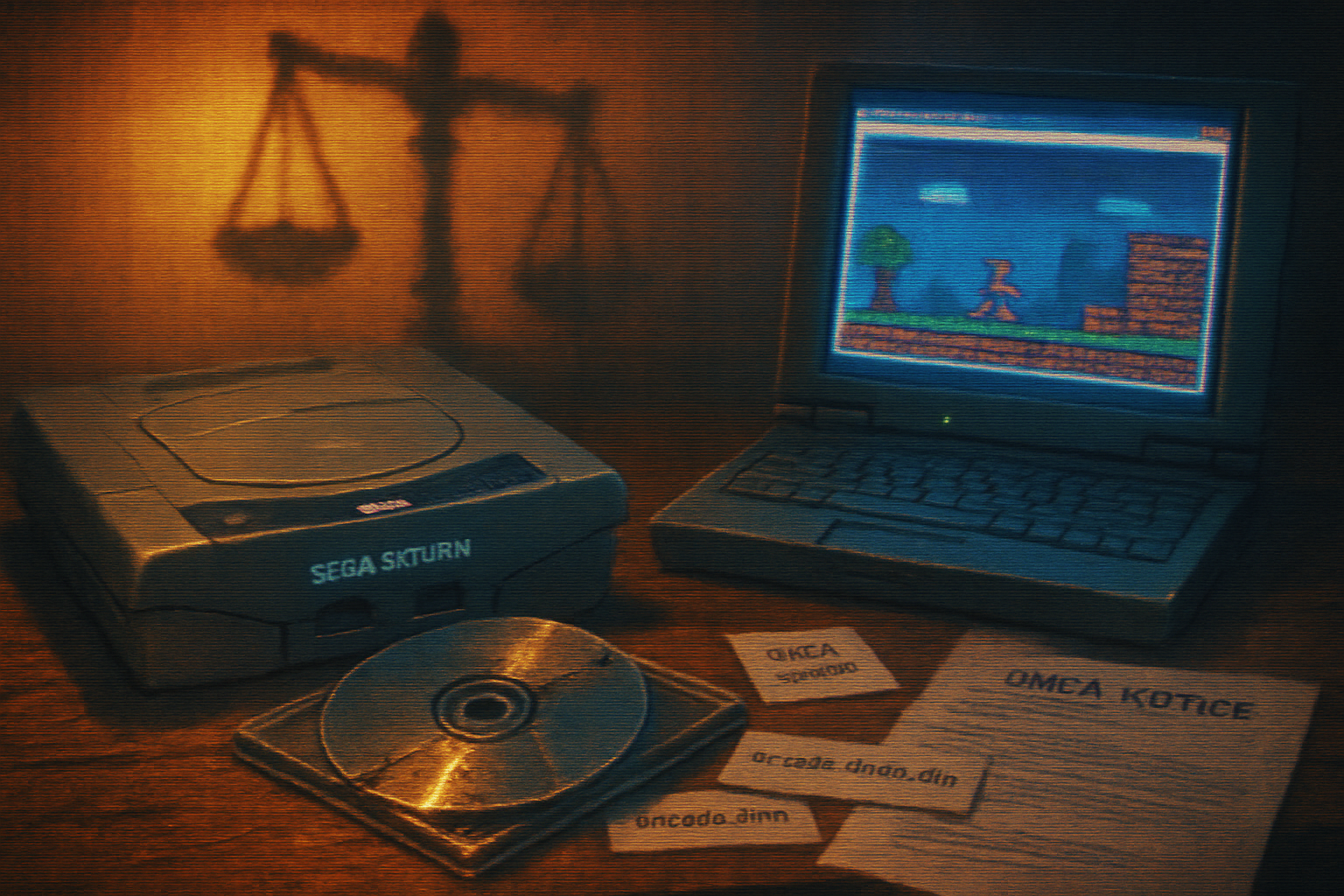
- Rights and assets - Some titles are owned by defunct studios or have fragmented IP; acquiring them can be a multi-year legal exercise.
- Source code - If the original code is lost or poorly documented, remakes often become rebuilds, not remasters.
- Expectations - Fans want reverence and improvement. Delivering both requires restraint: change what angers, preserve what enchants.
Final thought
The Saturn’s library reads like an eccentric guest list - bold, sometimes messy, and often brilliant because it refused to be boring. A remake is not just about prettier textures or 60fps. It’s about rescuing design curiosities from obscurity and asking modern players to feel that same cheap-and-true sense of wonder. Do that, and the Saturn’s ghosts won’t be nostalgia tokens; they’ll be living, breathing games again.
References