· retrogaming · 6 min read
Preserving Nostalgia: The Role of SNES Emulators in Retro Gaming
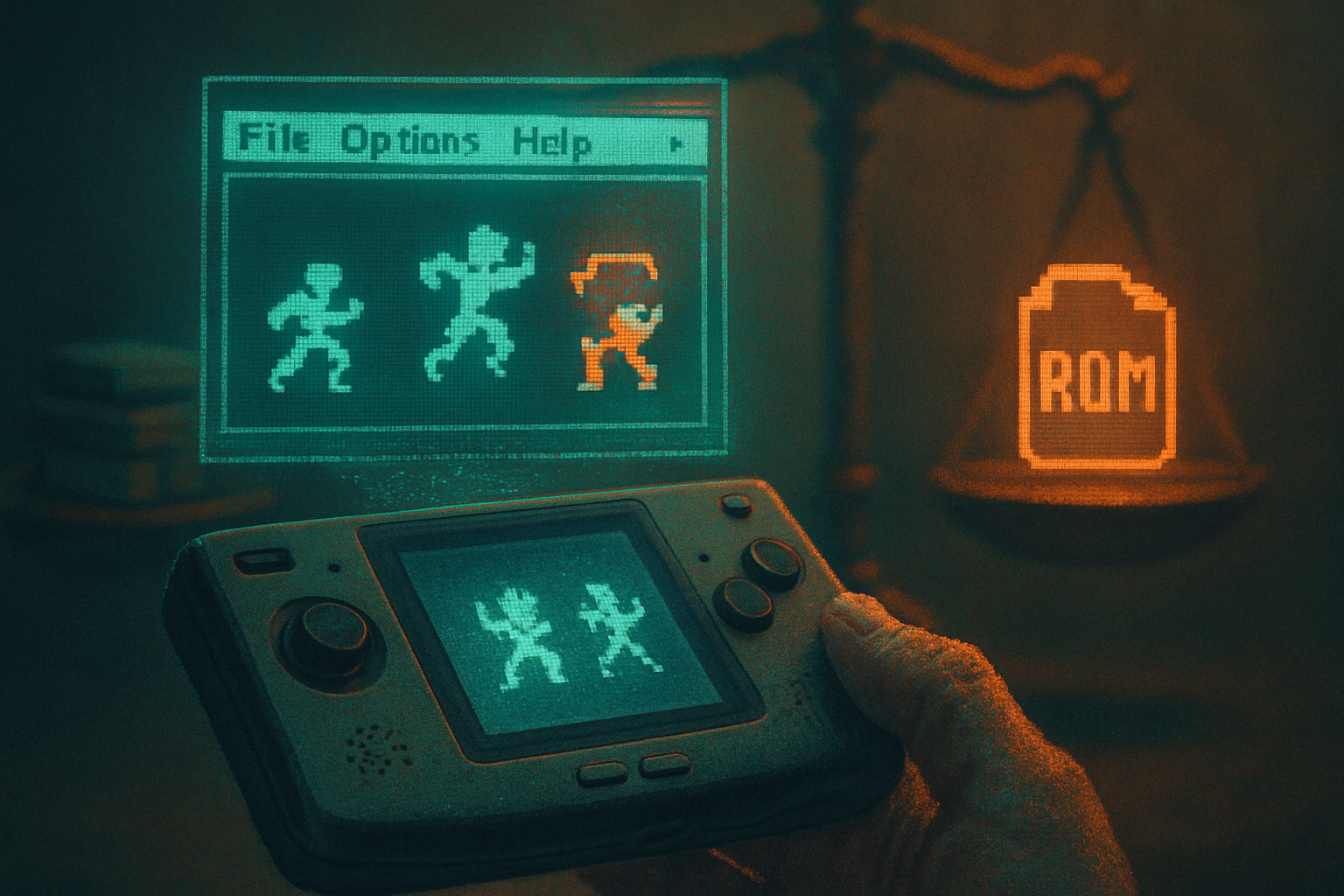
SNES emulators do more than let you play Super Mario World on a modern screen. They are tools of cultural preservation, academic access, and creative re-use - and they raise uncomfortable questions about ownership, legality, and who gets to decide what counts as history.
The cartridge that wouldn’t die
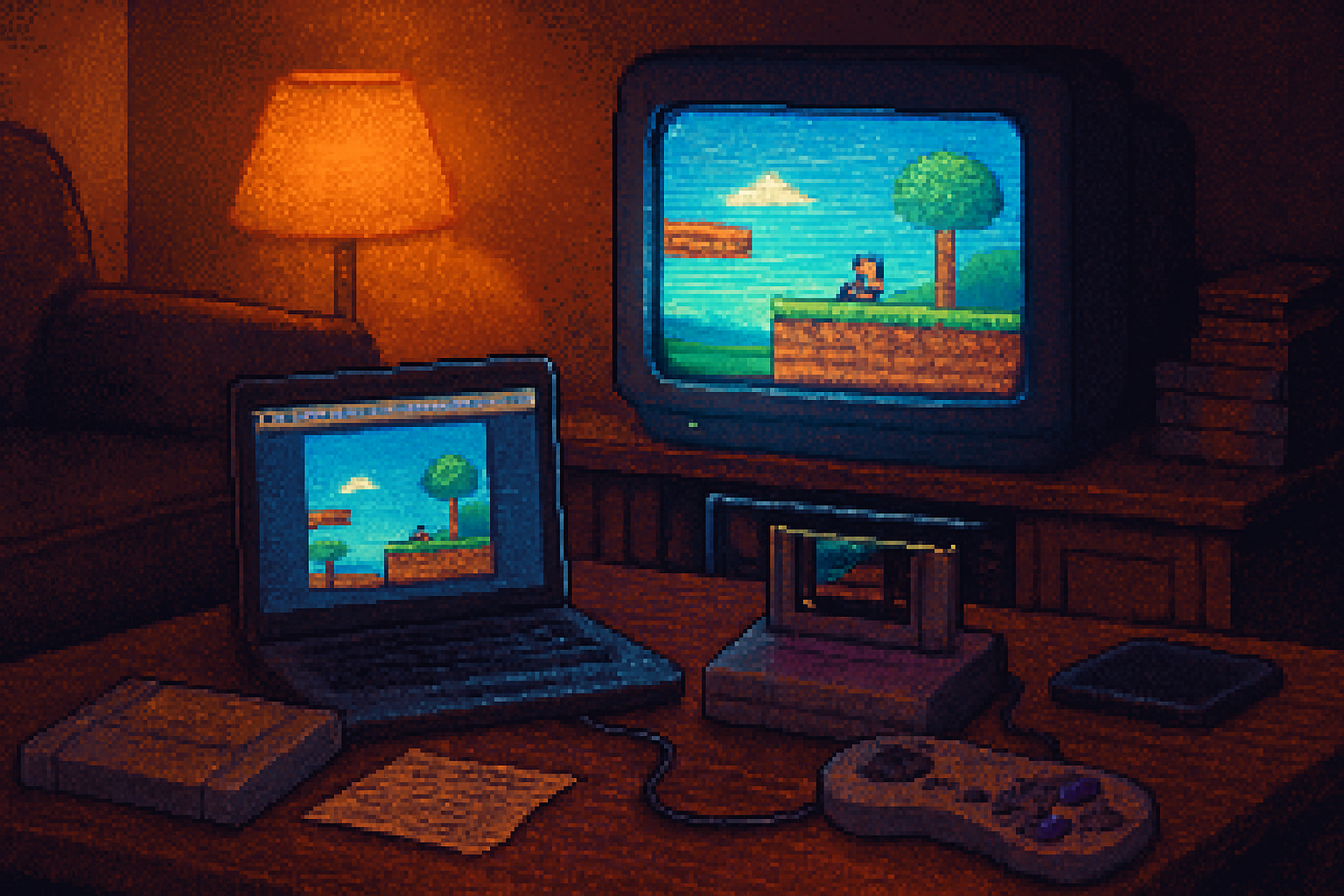
I still remember blowing dust off a Super Nintendo cartridge like a witch performing a small, ignorant ritual. The label was a little torn, the manual was long gone, and the TV was a 27” CRT that hummed with the weight of thirty Saturday mornings. Then the console died. Forever. The cartridge sat in a drawer - a physical relic whose magic depended on a box that refused to work anymore.
Fast forward a decade: a friend slid a ROM into an emulator, hit run, and there it was - the same music, the same physics, the same pixel-perfect jump. Not the console. Not the cartridge. The game. That moment is when the argument stops being abstract. Emulation rescued an experience from entropy.
Emulation: more than playing on a laptop
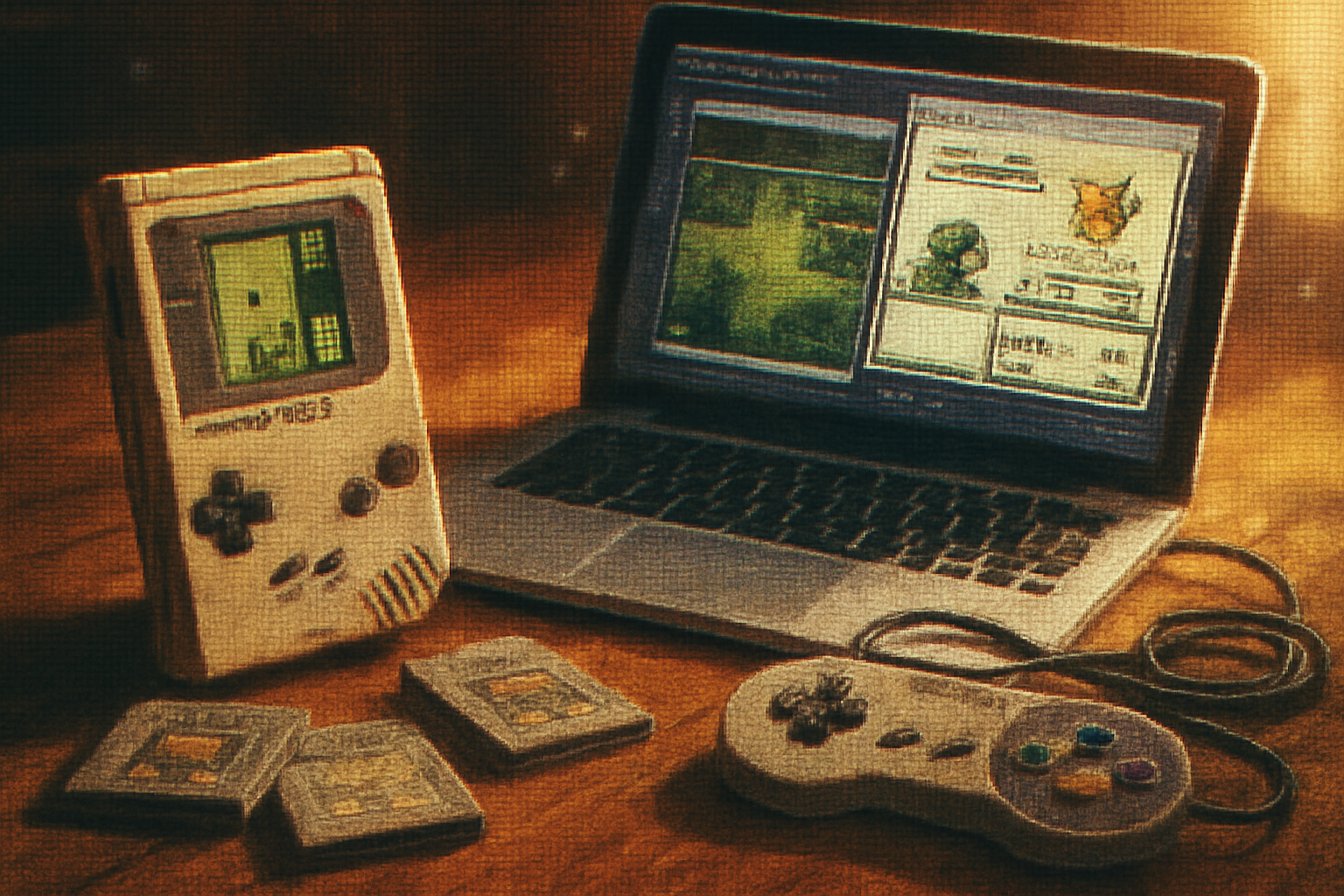
At its most basic, an emulator is software that imitates another system. A Super Nintendo emulator re-creates the SNES’s CPU, PPU (graphics), sound chip, input, and quirks inside modern hardware. But describing emulators as “software that runs ROM files” is both true and cowardly. Emulators are archival tools, research platforms, artistic canvases, and - yes - a convenient way to re-experience childhood.
Useful links:
- higan/bsnes (cycle-accurate SNES emulation): https://byuu.org/
- Snes9x (widely used SNES emulator): https://www.snes9x.com/
- ROM hacking resources: https://www.romhacking.net/
- Internet Archive (games collection and preservation work): https://archive.org/
Why emulation matters for preservation
Think of games like living museums. The original hardware decays. Cartridges lose battery-backed saves. Manuals get shredded. Stores close. Companies fold or bury old catalogs. Emulators interrupt that decay.
Key preservation roles:
- Longevity - Software survives beyond hardware failure. Cycle-accurate emulators such as higan try to recreate the original behavior exactly, vital when timing or electrical quirks affect gameplay.
- Accessibility - Emulators let researchers, students, and the curious inspect historic code, music, and assets without needing a shrine of 1990s consoles.
- Restoration - Fan translations, bug patches, and community fixes resurrect titles that were region-locked, incomplete, or abandoned.
- Cultural archiving - Speedrunning videos, academic analyses, and documentary projects rely on emulated builds to reproduce events and verify claims.
The bottom line: an emulator is a time machine. Without it, entire branches of interactive culture go extinct.
Fidelity matters: the difference between “runs” and “archive”
Not all emulators are created equal. The difference between a fast, forgiving emulator and a cycle-accurate one is the difference between nostalgia and scholarship.
- Fast-and-friendly emulators (e.g., Snes9x) prioritize playability and convenience. They run on low-spec machines, offer shaders and save states, and are great for casual replay.
- Cycle-accurate emulators (e.g., higan/bsnes) aim to reproduce the console’s electrical and timing characteristics. They demand more CPU power but are essential when you need to reproduce glitches, timing-based strategies, and original audiovisual output.
- FPGA hardware (e.g., Analogue Super Nt) sidesteps software emulation by recreating hardware behavior in silicon, offering near-authentic results with minimal latency: https://analogue.co/
For preservationists, accuracy is not pedantry. It’s the difference between preserving a painting and preserving a photocopy.
Culture, community, and creative reuse
Emulation democratizes cultural memory. When a company refuses to localize a title - or has long since abandoned its back catalogue - communities step in.
- Fan translations have made classics accessible across language barriers (see projects documented on ROMhacking.net).
- ROM hacks and mods extend life - graphical overhauls, challenge modes, quality-of-life patches, and completely new games built on old engines.
- Speedrunning and TAS (Tool-Assisted Speedrun) communities rely heavily on emulators to analyze frame-perfect techniques and to preserve runs for posterity.
This DIY culture is not merely nostalgic tinkering. It’s active scholarship and cultural stewardship. It is also a thorn in the side of the industry - in a very public, very productive way.
The legal and ethical thorns
If emulation were purely academic, there’d still be controversy. But emulation opens the can of worms labeled “who owns digital culture?”
- ROM distribution - Distributing copyrighted ROMs without permission is illegal in many jurisdictions. Large-scale piracy sites have been targets of lawsuits.
- Ownership vs. Access - If you legally own a cartridge, can you make a backup? Laws vary. Many players argue for the right to archive media they own; publishers often counter that widespread distribution threatens their IP.
- Abandonware - Some games are effectively unreachable because publishers no longer exist, or they are deemed unprofitable. Is it theft or rescue to archive and share them?
- Corporate enforcement - Companies like Nintendo have aggressively policed ROM sites and fan projects. Their stance: IP protection is essential; allowing emulation without control depletes the market for re-releases.
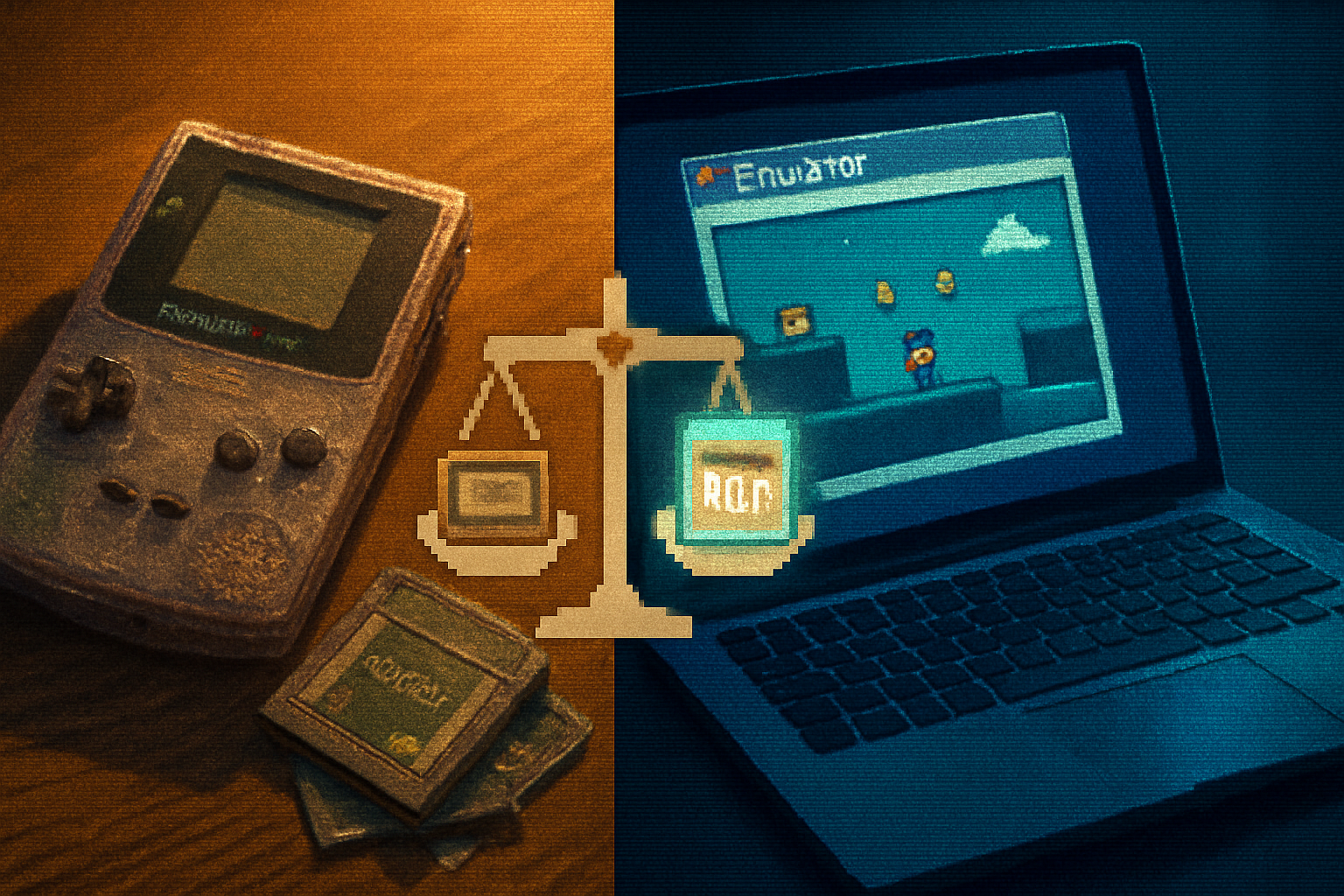
A moral case for emulation: cultural artifacts matter beyond corporate ownership. A legal case for enforcement: rights holders control distribution and can monetize re-releases. The debate has no tidy resolution - only a spectrum of reasonable and unreasonable positions.
Further reading on the legal landscape and preservation debate: https://www.wired.com/story/video-game-preservation-issues/ and general emulation overview: https://en.wikipedia.org/wiki/Video_game_emulator
Industry response: re-releases, royalties, and hardware clones
Publishers have three broad responses to preserve-or-protect tension:
- Monetize nostalgia - Classic collections on modern consoles and official digital stores provide legal access - but often curated and incomplete.
- Legal crackdowns - Pursuing ROM distributors and fan projects to protect IP and revenue.
- Hardware reimagining - FPGA-based consoles and miniaturized official hardware (e.g., SNES Classic) that mimic original experiences while retaining corporate control.
Good news: re-releases show that preservation can be profitable. Bad news: profit motives shape what gets saved. If a title is deemed unprofitable, it risks slipping into darkness regardless of cultural value.
Best practices for ethical preservation
If you care about keeping games alive and want to stay on the right side of law and ethics, consider these principles:
- Favor archival emulation and documentation over casual piracy. Preserve metadata - release dates, region, manuals, and developer credits.
- Support legitimate re-releases and museums. Buy official compilations where they exist; they fund further preservation.
- Contribute to non-profit preservation efforts rather than anonymous piracy hubs. The Internet Archive and similar projects attempt to balance legality and access: https://archive.org/
- Engage with creators. Many developers and small publishers appreciate fan interest and may greenlight re-releases if they see demand.
These are not silver bullets. But they tilt the field toward cultural preservation rather than pure profiteering or vandalism.
A modest, uncomfortable conclusion
Nostalgia is not a museum-it’s an argument. Emulation is the evidence. It proves that interactive works can and should survive the rot of hardware and corporate attention. It also forces us to ask hard questions: who owns culture, who preserves it, and at what moral and legal cost?
The conservative take: only rights-holders should distribute games. The activist take: communities should preserve at all costs. Both are right in part and wrong in part. The sensible middle ground? Encourage precise, well-documented emulation as a tool for preservation; push the industry to make archives available, not just curated cash-grabs; and recognize that, in the long run, the goal of preservation is not to replace commerce but to ensure that culture - the messy, human stuff - survives.
Preserving nostalgia is a political act disguised as leisure. If you care about the past, treat it with the seriousness it deserves. And maybe stop blowing on cartridges. It’s probably dust.