· retrogaming · 7 min read
The Controversy of Emulation: Is Playing Game Boy Color Classics Legally and Ethically Justifiable?
Emulation sits at the crossroads of nostalgia and law. This article examines whether playing Game Boy Color classics via emulation is legally defensible or ethically permissible - weighing preservation, developer rights, collectors' markets, and the hard realities of modern copyright enforcement.
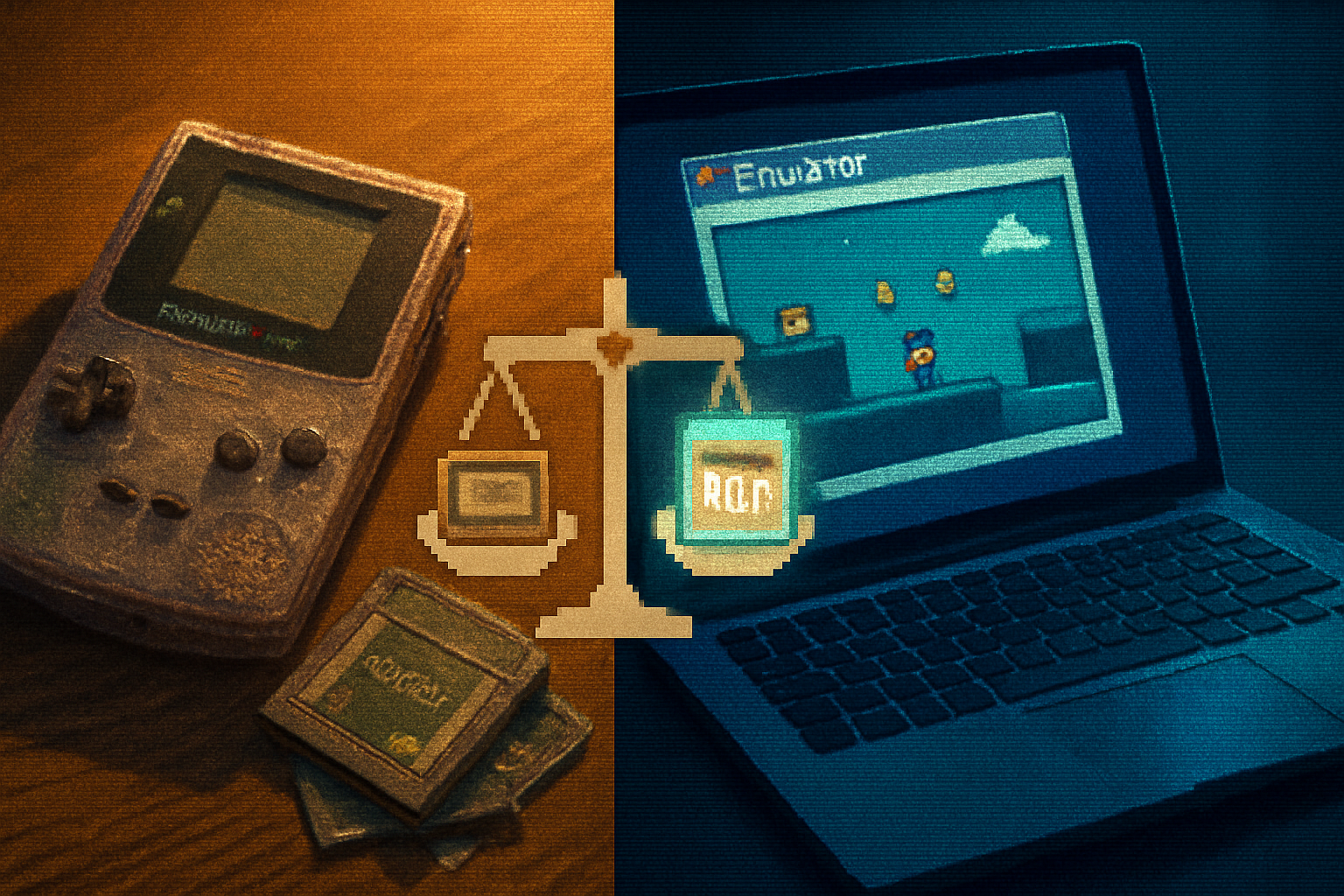
A tiny cartridge, a dead battery, and the faint glow of a 160x144 pixel screen. I remember blowing into a Game Boy Color cart at a friend’s house because someone told me that’s how you coax life back into an eight-bit relic. The anecdote is silly, but it points to a real truth: games, more than most cultural artifacts, demand the original hardware, the original media, or a convincing facsimile to be experienced as intended.
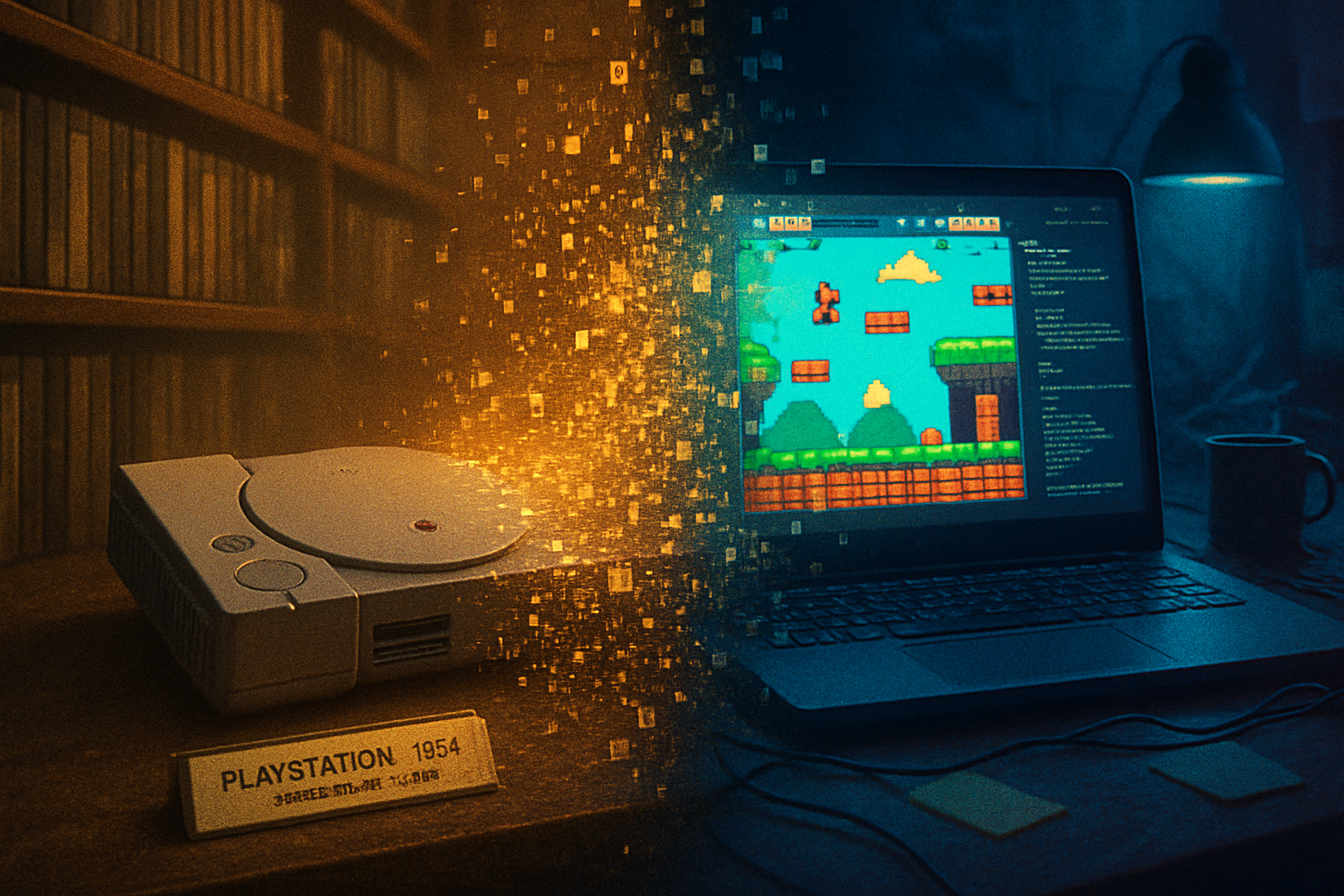
Emulation promises that facsimile. It lets a modern machine impersonate a handheld from 1998, preserving games that might otherwise be locked behind dead batteries, degrading plastic, or small print runs. It also opens the door to piracy, copyright infringement, and a moral tangle that is anything but black and white.
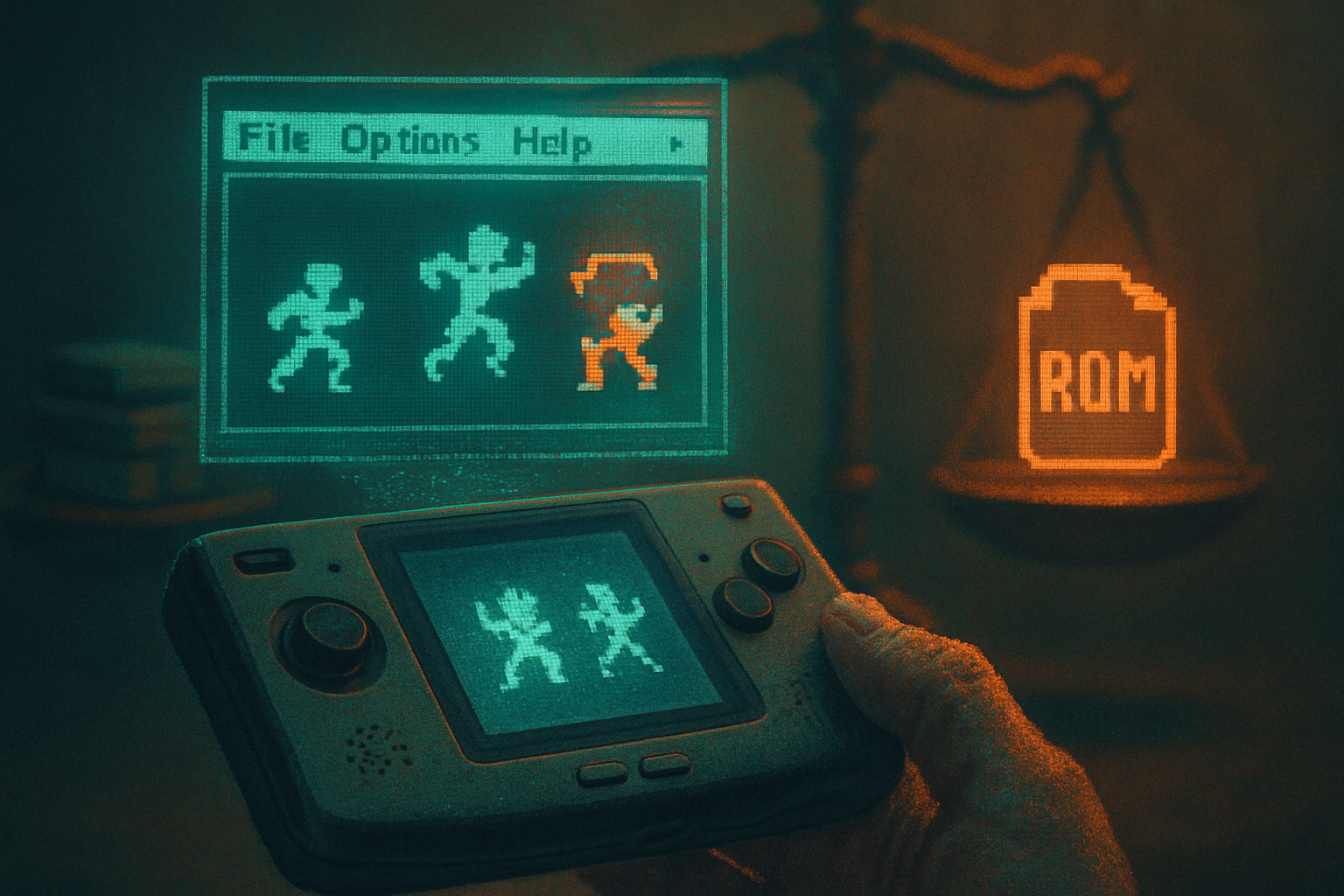
What we mean by “emulation”
- Emulation - software that reproduces the behavior of original hardware (the Game Boy Color CPU, sound, input, etc.), often allowing games to run on modern devices.
- ROMs - digital copies of a game’s cartridge data. The BIOS and sometimes firmware also come into play.
Emulators themselves - clean code that mimics hardware - are legal in most places. ROMs, however, are duplicates of copyrighted works and are typically treated differently under the law.
The legal landscape (short version, because lawbooks are dull)
- Copyright gives the rights-holder exclusive authority to reproduce and distribute their work. Most GBC-era titles are still firmly under copyright.
- The Digital Millennium Copyright Act (DMCA) adds an anti-circumvention layer - bypassing technological protection measures (TPMs) can be unlawful even if you own the copy you’re accessing.
- The Library of Congress issues limited, triennial DMCA exemptions that sometimes allow preservation copying for obsolete or abandoned formats, primarily for libraries, archives, and sometimes researchers. See the U.S. Copyright Office’s 1201 page for details: https://www.copyright.gov/1201/.
- Enforcement is uneven and aggressive when large rights-holders (Nintendo is the archetype) want results. Companies have sued ROM-hosting sites and pursued takedowns through DMCA processes - see reporting on various legal actions by major publishers [for example coverage in tech press].
In short: emulators are lawful; getting and distributing ROMs generally isn’t, unless you have a specific legal justification or fall under a narrow exception.
The ethical questions (where the popcorn and philosophy collide)
Think of ethics as the courtroom of conscience: not always binding, but often illuminating.
- Preservation vs Piracy
- Preservation argument - Video games are cultural artifacts. Many were released in tiny runs, printed media degrades, and companies sometimes refuse to reissue classics. Emulation helps historians, scholars, and curious players keep history alive.
- Piracy argument - Copying and distributing ROMs deprives rights-holders of revenue and undermines markets for legitimate re-releases. It can be a blunt instrument ending nuance in favor of convenience.
- Access and Equity
- A rare cart might command hundreds or thousands of dollars on collector markets. Does the market exclusion of poor players justify making a copy available for free?
- Counterpoint - “Because I can’t afford it” is a moral blunt force; it doesn’t automatically justify taking what someone else legally controls.
- Intent and Harm
- If someone emulates a game they already own as a personal backup, many see that as ethically defensible (and some legal systems might be forgiving). But commercial distribution of ROMs is a different animal - it’s likely to cause tangible harm.
- Authorial/Publisher Wishes
- Sometimes the rights-holder is the villain, locking games away for no good reason. Sometimes they are independent creators scraping income. The ethical calculus shifts depending on who is harmed.
Voices in the room
Developers (especially Indies) - They rely on post-launch income and licensing. Unauthorized distribution can harm them. On the other hand, re-releases and fan emulation can reinvigorate interest in older IP.
Massive publishers (e.g., Nintendo) - Historically litigious on IP. Their stance is predictable: unauthorized copies are theft. They have also provided legal ways to play classics (mini consoles, Nintendo Switch Online), though not every game is reissued.
Preservationists and archivists - They view emulation as a public good. Organizations like the Video Game History Foundation work to preserve code, documents, and hardware for posterity:
Collectors - They invest in physical artifacts. ROM dumps that undermine rarity can feel like an assault on a market and on the traditions of collecting.
Gamers - For many players it’s about access and memory. If a cartridge is unobtainably rare or the hardware has failed, emulation can feel like rescue.
Case studies and precedents (brief)
Rights-holder enforcement - Large companies have pursued takedowns and litigation against ROM-hosting sites. The practical effect is that distribution hubs get shut down, but fragments survive elsewhere.
Legal exemptions and preservation - The Library of Congress has periodically carved out narrow exemptions to allow preservation copying of abandoned or obsolete games by qualified institutions. These are limited and specific; they are not a blanket license for everyone. See the U.S. Copyright Office’s 1201 rulemaking history for details:
Practical realities (what actually happens)
- Many people emulate games for convenience and nostalgia. Many share ROMs. This is the factual baseline.
- Rights-holders often win when they choose to litigate or use takedowns. That creates a chilling effect for large-scale distribution, but not for private emulation.
- Preservation efforts succeed when supported by institutions, legislation, or the cooperation of rights-holders.
Ethical frameworks you can use to judge your own behavior
- Consequentialism - Do the harms (lost sales, undermining re-release markets) outweigh the benefits (cultural preservation, access)?
- Deontological ethics - Is copying wrong because it breaks property rules? If so, emulation is unethical regardless of outcome.
- Contextual virtue ethics - Would a reasonable, fair-minded person - one who cares about creators and culture - condone your action?
There are no perfect answers. If you’re copying a locally-owned cart for archival reasons, many people and some legal interpretations will find that defensible. If you’re uploading thousands of ROMs to a file dump, you’re closer to indefensible piracy.
Recommendations: How to make a defensible choice
Prioritize legal avenues first
- Check whether the title is available on modern platforms (Switch Online, GOG, official re-releases). Pay for them when available - it signals market demand.
Support preservation organizations
- Donate to or volunteer with institutions like the Video Game History Foundation (https://gamehistory.org/) or university archives that legally preserve games.
If you own the cartridge and only want a personal backup
- Be cautious. Backup copies are legally murky in many jurisdictions. Avoid distributing the copy, and don’t provide instructions to bypass DRM.
Don’t rationalize large-scale distribution as “preservation”
- Preservation belongs to qualified institutions under many exemptions, not to mass public uploaders. If you’re thinking of hosting a ROM archive, consider working with a recognized archive or lobbying for better legal protections.
Lobby for better law
- Copyright law hasn’t caught up with preservation needs. Supporting reform or targeted exemptions for orphaned or historically significant titles is a constructive path.
Final verdict (yes, the column where I pretend to be a judge)
Emulation itself is not a crime and can be an ethical imperative when used for preservation and study. Unlicensed distribution of copyrighted ROMs, however, is ethically fraught and legally risky. The morally cleanest route is to:
- advocate for and fund legal preservation,
- use sanctioned re-releases where they exist,
- and, if you make a personal backup of a cartridge you legally own, keep it private and principled.
Emulation is like a rescue operation on a sinking ship. Sometimes you haul survivors into lifeboats because the captain abandoned them; sometimes those lifeboats are looted and legalized as pirated loot. The hard, responsible path is to rescue what you can while still trying to repair the hull.
Further reading
- U.S. Copyright Office - Section 1201 DMCA rulemaking and exemptions: https://www.copyright.gov/1201/
- Video Game History Foundation: https://gamehistory.org/
- Electronic Frontier Foundation on emulation and digital preservation issues: https://www.eff.org/
(Notice: This article does not provide advice on how to find or download ROMs, nor does it instruct how to circumvent technological protection measures.)