· culture · 6 min read
Game Gear vs. Game Boy: A Nostalgic Rivalry Revisited
A walk down the grubby aisle of 1990s recess: Sega’s color, backlit powerhouse versus Nintendo’s humble, long-lasting brick. This is a comparative ode to why both mattered - and why one won the hearts of millions.
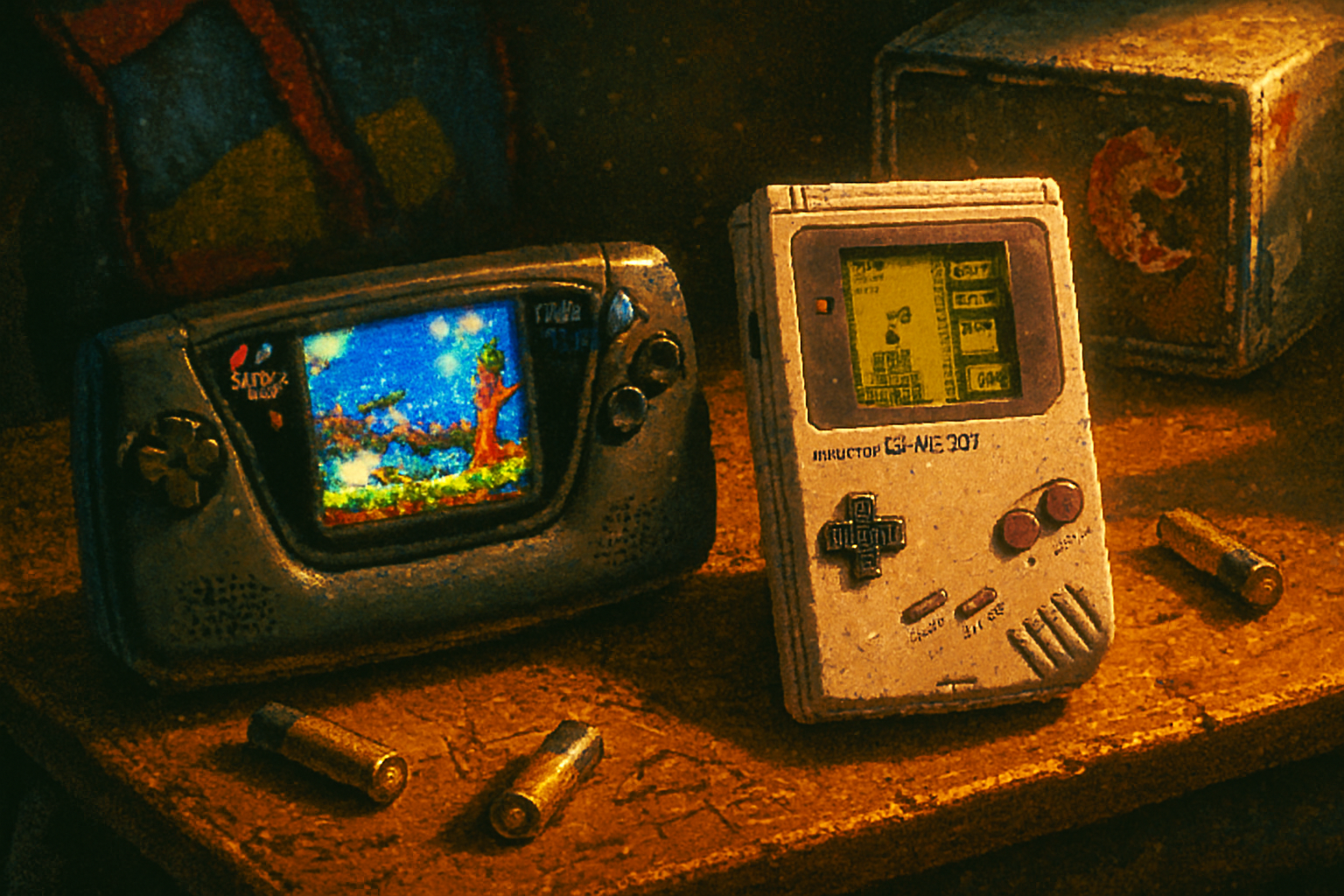
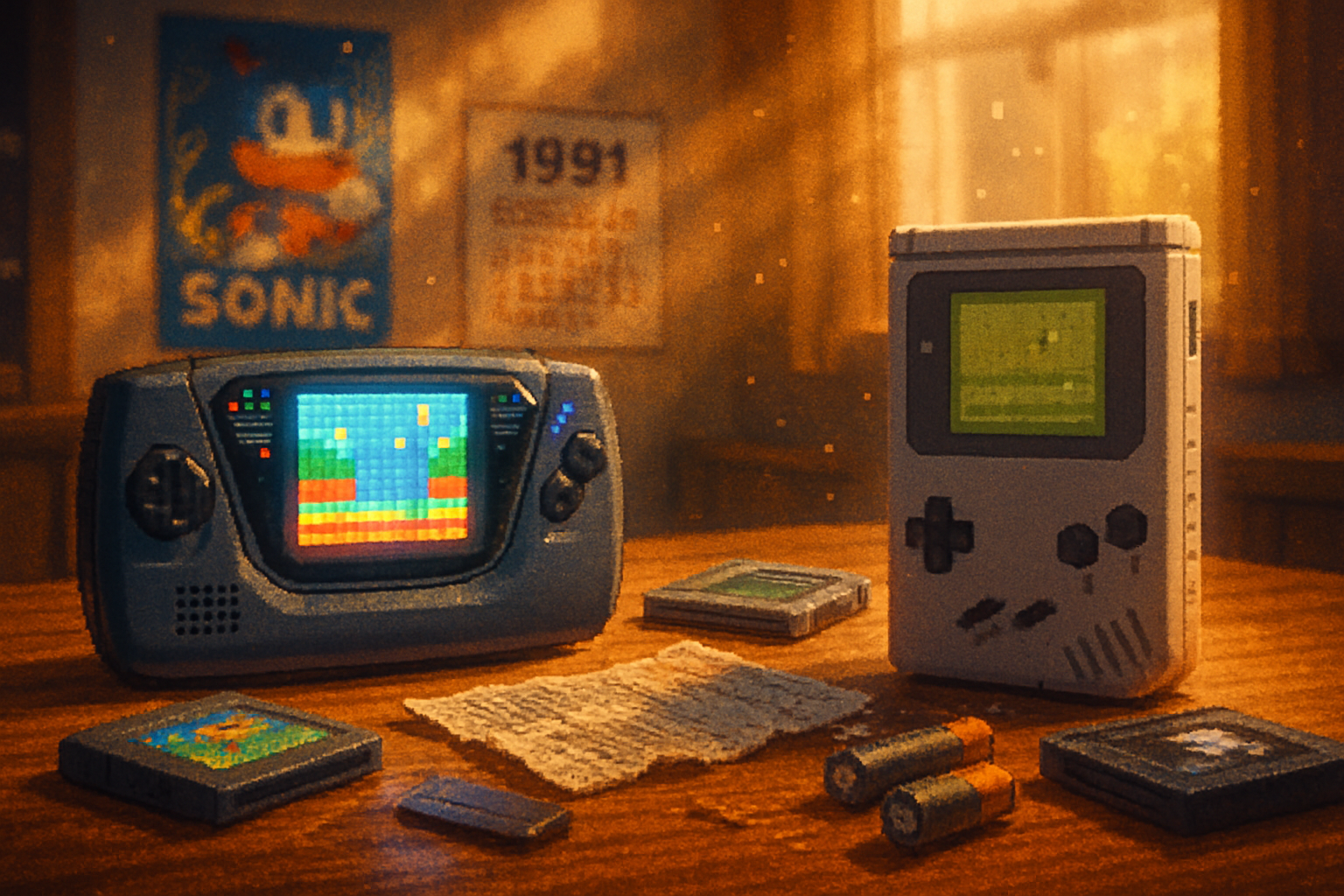
I remember a noon in 1992 when a kid in my class produced a glowing, saturated miniature TV: a Sega Game Gear showing Sonic in merciless color. It felt like magic. The next week, another friend pulled out a dented gray brick - a Game Boy playing Tetris, monochrome and relentless. That dented brick won the playground.
That scene repeated itself, in living rooms and bus stops worldwide. One machine dazzled. The other endured. And both told us different truths about what gaming people actually wanted.
Why this rivalry still matters
Because handhelds are intimate. They’re not just hardware; they fit into pockets, backpacks, and laps. They interrupt dinners and long commutes. They are companions. The Game Boy and the Game Gear were the first mass-market arguments about what a portable should be: spectacle or stamina, color or longevity, flash or library.
Quick timeline (the boring facts, but you need them)
- Nintendo released the Game Boy in 1989 source.
- Sega launched the Game Gear in 1990 (Japan) / 1991 (North America) source.
- The Game Boy family went on to dominate sales - the whole family moved well over a hundred million units worldwide - while the Game Gear sold in the low millions sources [https://en.wikipedia.org/wiki/Game_Gear).
Design & hardware: beauty versus brawn
Game Gear
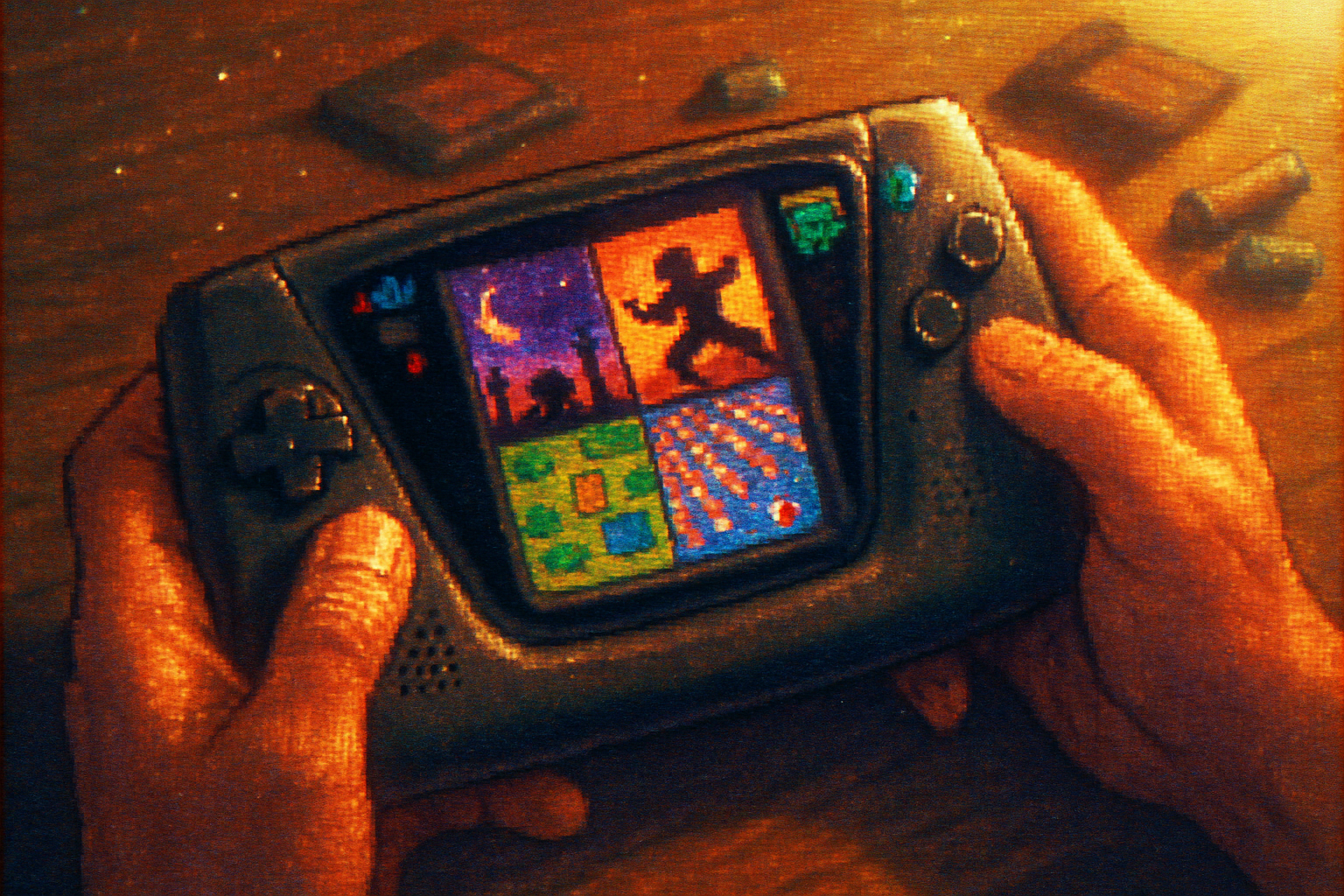
- Color, backlit screen. Finally - portable games that looked like the console versions.
- Bigger, heavier, and built like a small brick of convenience.
- Required six AA batteries. The glorious color came at a cost - battery drain.
Game Boy
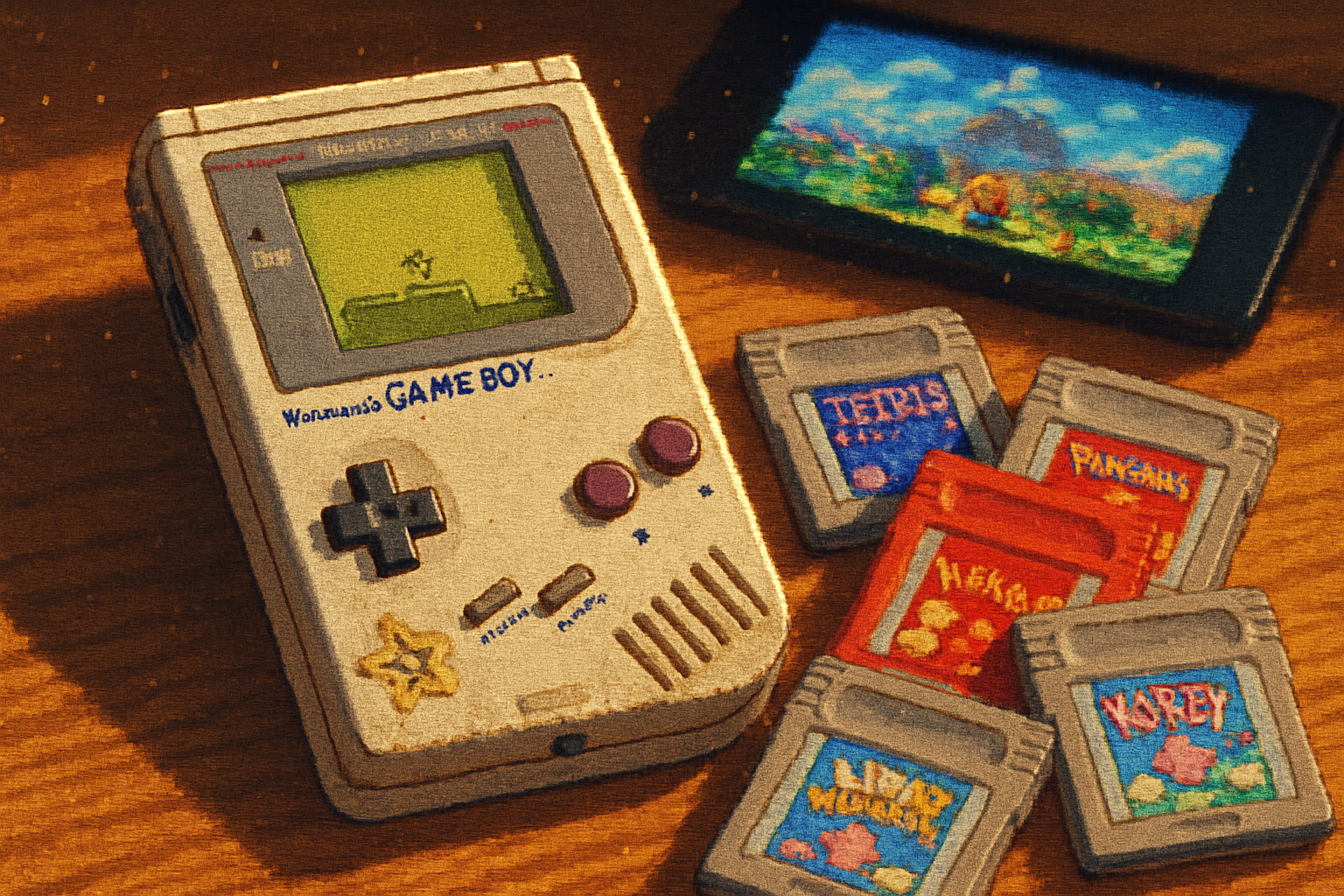
- Monochrome screen with a greenish tint. No backlight.
- Compact, light, and survivable - the device your parents would forgive the cost of.
- Four AA batteries and famously long battery life.
Short verdict: the Game Gear was a technical show-off. The Game Boy was pragmatic engineering.
Screen & battery: the decisive trade-off
If you’re asking “which looks better?”, the Game Gear wins without hesitation. The colors made Sonic and arcade ports pop. But color screens in the early ’90s were power gluttons. The Game Gear typically gave you a few hours on fresh batteries. The Game Boy, in contrast, could keep playing for many more hours - often many times what the Game Gear managed on the same trip.
In real terms: gorgeous visuals meant being tethered to an armory of AAs. Aesthetics versus endurance. The playground voted for endurance.
Game libraries and killer apps
The Game Boy’s library was modest at launch but built methodically. Then Tetris arrived as the perfect portable match: simple to learn, endlessly replayable, and ideal for short sessions. Later, the Game Boy line secured franchises that became juggernauts - most notoriously Pokémon, which transformed the platform into a cultural tsunami.
The Game Gear’s strength was in flashy ports. Sega pushed Sonic and a parade of colorful conversions from the home consoles. But many of these ports were compromises: scaled-down console experiences, not the new, tight design that handhelds demand.
Bottom line: Game Boy’s software strategy focused on gameplay suited to a handheld’s rhythm. Game Gear focused on spectacle.
Durability, ergonomics, and that unmistakable smell
The Game Boy earned a reputation for surviving drops, spilled sodas, and the odd parental temper. Its form factor fit in a kid’s hands for hours. The Game Gear, while robust, was bulkier - fine for a couch or car, less perfect for extended one-handed use.
Also: retro collectors will tell you there’s a distinct electronics-90s aroma to a warm Game Gear. It smells like nostalgia, and it smells like AA acid.
Marketing and cultural position
Sega, flush with Genesis-era swagger, leaned into a competitive, streetwise marketing posture: loud, fast, and brash. Nintendo, by contrast, leaned on reliability, family-friendliness, and a library-first approach. The Genesis-era slogan - and its aggressive tone toward Nintendo - flavored Sega’s entire approach, including handhelds.
The result: Sega positioned the Game Gear as the cooler choice; Nintendo positioned the Game Boy as the sensible one. Consumers chose sense.
Price and accessibility
Game Gear hardware was more expensive, and that price extended to accessories and the cost of constantly replacing batteries. Game Boy had a lower barrier to entry: cheaper consoles, cheaper batteries, more affordable cartridges. When you sell to kids (and their parents), price matters.
Fandom and personal anecdotes
Ask retro fans and you’ll hear two archetypal voices.
The Game Gear evangelist - “It looked like a real game. Watching Sonic run in color on the bus was worth the battery cost.” They usually show vivid memories: backlit screens in dim classrooms, late-night car rides, and the thrill of true color.
The Game Boy loyalist - “It didn’t die at the worst moment.” Stories here are practical: long flights, camping trips, the one console that survived a meltdown of both the walkman and a boombox. They still keep their Game Boys in daily rotation.
I am, personally, team dented brick. I once finished a 5-hour bus ride playing Tetris on a Game Boy while a Game Gear on the seat beside me blinked solemnly as its batteries expired. My friend was furious. I was content.
Legacy: what each machine taught the industry
- The Game Boy demonstrated that battery life and a focused software library outweigh flashy hardware in a handheld.
- The Game Gear proved that consumers want color and that handheld hardware would chase richer visuals - a lesson later adopted by every successful handheld (see - Game Boy Advance, PSP, Nintendo DS, and smartphones).
Both mattered. One won the market. The other nudged expectations.
The collector’s verdict and modern relevance
If you’re buying one now, pick based on what you want to feel.
- Buy a Game Gear if you want a showpiece - color, drama, and the cachet of Sega’s lost handheld campaign.
- Buy a Game Boy if you want endurance, friendlier prices on games, and the largest community resources for repairs and mods.
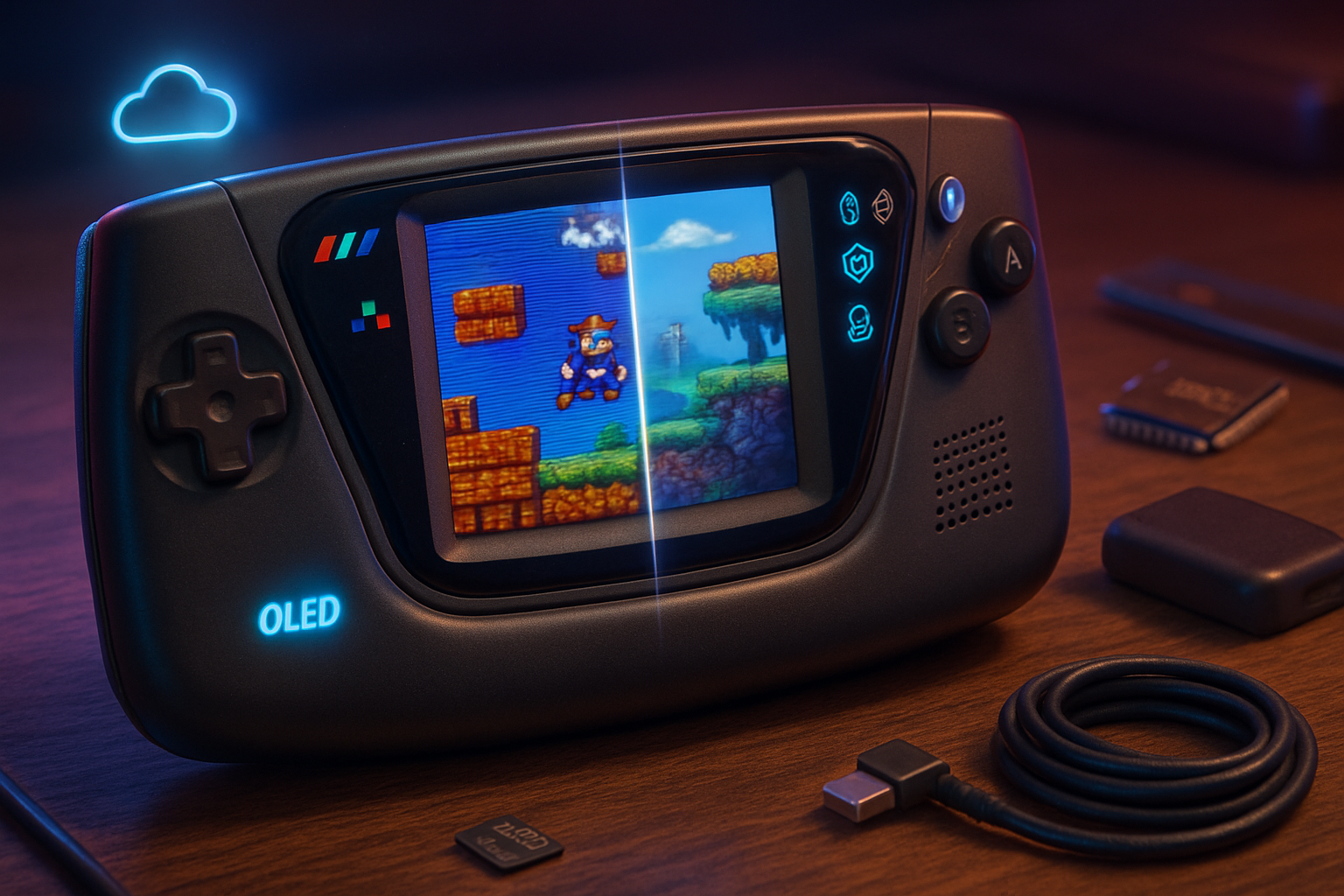
Also: emulate or mod. Both platforms have robust preservation scenes. Backlight mods for Game Boys and battery pack solutions for Game Gears turn these devices into thoroughly usable relics.
Final score: who “won”?
The Game Boy won the market. Objectively. It sold more, stuck around longer, and fist-pumped its way into decades of culture. But the Game Gear won hearts in smaller, feral pockets - the people who value a retina-burst of color over the quiet competence of long battery life.
So here is the honest, slightly cruel truth: Nintendo gave the world a dependable workhorse; Sega gave it a bright, ephemeral show pony. The workhorse carried us farther. The show pony gave us stories to tell.
If nostalgia had a taste, the Game Boy would be bread. The Game Gear would be a flamboyant dessert you ate at midnight and regretted when the battery died.