· culture · 6 min read
The Cassette Comeback: Why Gen Z is Fallin' for Analog in a Digital World
Why are teenagers buying Walkmans and swapping mixtapes in 2025? Because cassettes offer ritual, scarcity, and a tactile honesty streaming can’t deliver. This article explains the cultural, technological, and emotional reasons behind the cassette resurgence - and how it’s changing the way young people think about music and ownership.

It starts with the click.
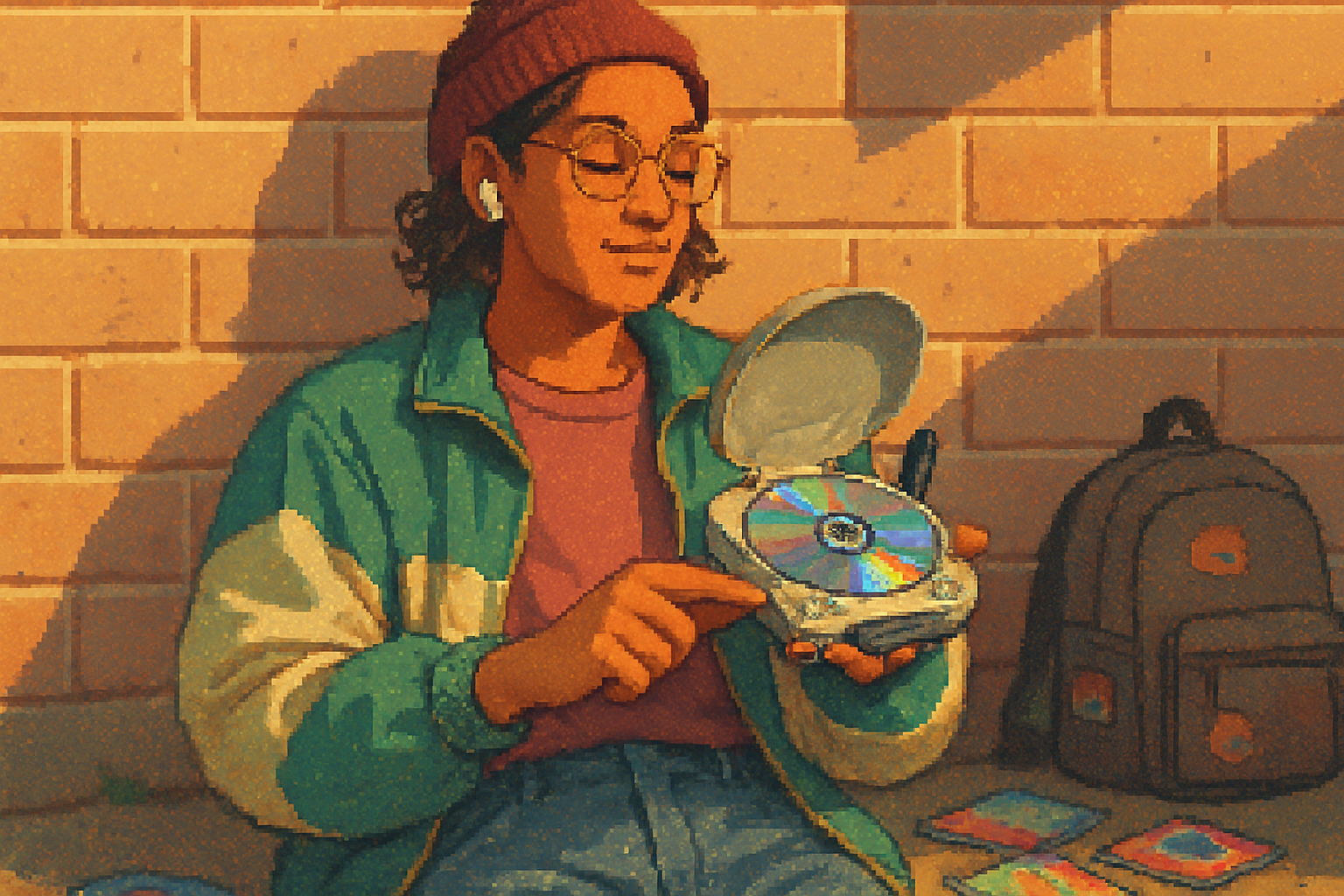
A kid in a thrift store lifts a greasy plastic rectangle to her ear, presses play, and the tape whirs like a miniature weather system. Somewhere in the background: a muffled drum, a neighbor’s dog barking at two seconds of silence, then a choked little vocal that sounds impossibly alive. She buys the Walkman and the tape. She posts it. Overnight, the comment thread is a half-century of people explaining what a B-side is like they’re performing a small, mournful summoning.
This is not an antiques fair for midlife crises. This is Gen Z, discovering-no, re-embracing-an analog format that engineers once called obsolete. The cassette’s comeback is not just about obsolete hardware nostalgia. It’s a cultural corrective: a demand for friction, ritual, and physical truth in a market designed to remove both.
The strange economics of convenience
Streaming is efficient, convenient, and chemically engineered to maximize time-on-platform. It also turns music into an endlessly extractable feed, as disposable as a headline. That’s excellent for algorithms, bad for intimacy.
Cassettes introduce deliberate inefficiency. You must rewind. You must choose. You must commit to playing a whole side. In that friction is meaning - the way a handwritten letter can feel more honest than a perfectly phrased DM. For many young listeners, that feels like a moral upgrade.
Why Gen Z? (Spoiler: it’s not only nostalgia)
- Tactile gratification - A cassette is a small object you can hold, label, swap, and scribble on. Digital files are ethereal; cassettes behave like possessions.
- Curatorial signal - Owning a rare press or a DIY tape communicates taste and effort. It’s proof you cared enough to seek it out.
- Aesthetic & identity - The grainy, hissy warmth of tape fits bedroom-pop, lo-fi hip-hop, indie rock and the whole “vintage-meets-digital” aesthetic popular on social feeds.
- Economies of access - Pressing cassettes is cheap. For small labels and bedroom artists it’s an affordable physical format for limited runs and merch.
- Ritual & slowness - The constraints of a tape make listening a ceremony, not background consumption.
These reasons matter differently to different people. For some it’s pure style; for others it’s an active rejection of monetized attention economies.
A brief history - cassette’s arc and comeback
The compact cassette was introduced in the 1960s, bloomed in the 1970s–1980s as the mixtape medium, and was largely written off with the rise of CDs and MP3s. But formats don’t fully die. They retreat, and then get repurposed.
Two cultural forces helped the revival: DIY micro-labels and a generation that equates digital ubiquity with inauthenticity. Events like Cassette Store Day - a deliberately analog cousin to Record Store Day - helped create ritual and release moments around the format (Cassette Store Day - Wikipedia). The cassette’s affordability and accessibility allowed small-scale pressings to flourish while vinyl became price-gouged and logistically demanding.
For a useful primer on the format’s origins and lifecycle see the compact cassette entry (Compact Cassette - Wikipedia).
What cassette culture looks like in practice
- Bedroom artists press small runs (often 50–300 copies) as tour merch or Bandcamp extras.
- Indie labels curate tactile packages - hand-numbered j-cards, unique artwork, stickers - items made for fandom, not mass distribution.
- Collectors swap tapes, trade mixtapes on message boards or in real life, and follow limited drops like they’re sneaker releases.
- Events and popups center listening parties, tape-swaps, and live dubbing sessions.
These micro-communities build social capital. They reward curiosity and effort - two things algorithms don’t measure well.
Sound, not sorcery: why tape “sounds” different
Tape imparts specific artifacts: saturation, compression, and hiss. These are often treated as imperfections, but musicians love them. Tape saturation can glue a mix together in a pleasing way that’s hard to replicate with plugins. The physical medium imposes limits - headroom, frequency response, wow and flutter - that producers sometimes exploit to achieve a vintage or intimate vibe.
That said: “analog warmth” is partly myth, partly physics. Engineers can imitate tape with plugins; but they can’t replicate the ritual of pressing play on a device that was designed before smartphones existed.
Who’s embracing cassettes - and why labels care
Artists and labels love cassettes for different reasons:
- Artists - cheap, quick, intimate releases; a way to deliver something physical without the cost of vinyl.
- Labels - merch revenue, a collectible item to reward superfans, and a method to drum up press and scarcity.
Cassette runs are often loss-leading: a $6 tape might cost $2–$4 to press and $2–$6 to ship. The margins aren’t massive, but the marketing value and fan goodwill often justify the expense.
Practical guide: getting into cassettes without sounding like a museum docent
If you want to participate, here’s how to avoid the rookie moves.
- Where to buy
- Local record shops, independent label sites, Bandcamp, and Cassette Store Day releases. Thrift stores and flea markets can produce treasure.
- Hardware basics
- Walkman vs. boombox vs. deck - Walkmans (portable players) are cheap and charming; decks (home units) usually deliver better sound and maintenance options.
- Belt life - Old gear uses rubber belts that degrade. Replacement belts are cheap and worthwhile.
- Tape types and speeds
- C-60 and C-90 are common (60/90 minutes total). Type I (ferric), Type II (chrome), and Type IV (metal) have different tonal characteristics.
- Maintenance
- Clean heads with isopropyl alcohol; demagnetize heads occasionally; store tapes vertically in a dry place.
- Digitizing
- If you want both worlds, record your tape through a decent preamp and a USB interface. Digitizing preserves a performance but doesn’t replace the ritual of playback.
- Beware of baked tapes
- Old tapes can suffer sticky-shed syndrome. Reputable sellers will note condition; if you find an ancient gem, consider a professional bake job first.
The downsides (because nostalgia is not a defense)
- Environmental cost - Cassettes are plastic. Pressing thousands of collectible cassettes is not a sustainability triumph.
- Fragility - Tape demagnetizes, stretches, and degrades. Ownership is a promise to care.
- Fetishization risk - Collecting can slip into gatekeeping. Buying obscure pressings does not equal moral superiority.
Is this just a hipster phase? Or something deeper?
Every retro revival invites the same question: is it fashion, or a structural shift? Vinyl’s renaissance survived initial skepticism and became a mainstream niche with real economic impact. Cassettes are still comparatively small, but their advantages for DIY creators give them staying power.
More importantly, the cassette’s comeback signals a broader cultural move: a desire for media that resists frictionless extraction. Gen Z didn’t invent nostalgia; they weaponized it into a critique. Buying a cassette is a small revolt against disposability: an admission that some experiences deserve containers.
Final side A / side B thought
In a world that optimizes for convenience, parents of attention economy addicts stare at tiny rectangles of plastic and see pointless retro affectation. But the kid with the Walkman knows something the market doesn’t care to sell: that some pleasures require effort, that obsession benefits from scarcity, and that music isn’t only information - sometimes it’s a ritual.
Call it quaint. Call it inconvenient. Call it analog theater. The cassette comeback is less about the superiority of magnetic tape and more about reclaiming the right to listen slowly, deliberately, and with a little grime on your hands.
If trends continue, cassettes won’t replace streaming - they’ll remain a countercultural companion: the mixtape to the playlist, the handwritten letter to email, the single match to the floodlight.