· retrotech · 7 min read
The Great Debate: Atari ST vs. Commodore Amiga - Who Really Won?
A spirited comparative dive into the Atari ST and the Commodore Amiga - their strengths, flaws, ecosystems, and cultural legacies. Was one objectively superior, or did they win different battles? Read on, reminisce, and weigh in.
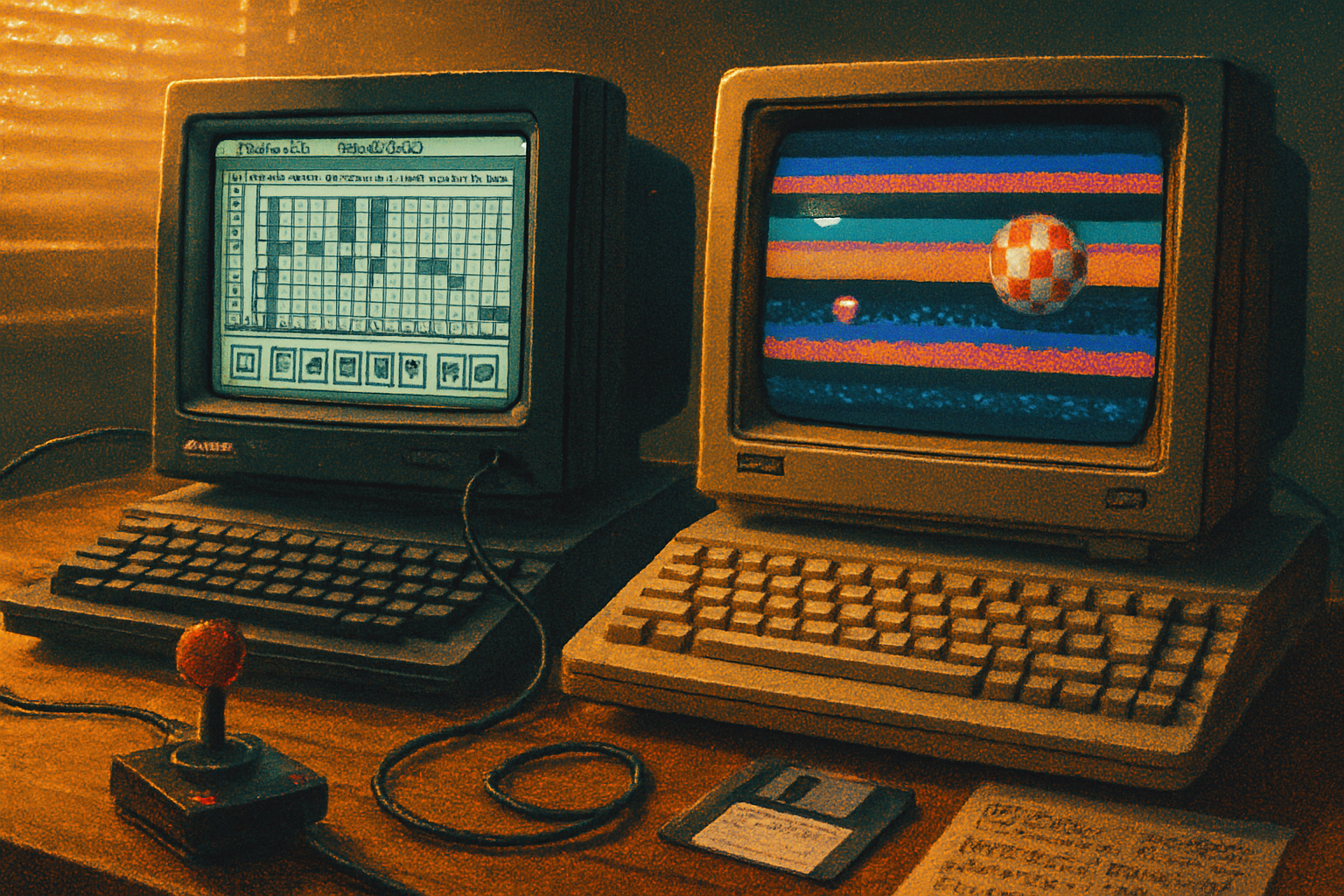
I still remember the smell of warm plastic and ozone in the back of my local computer shop, where two machines sat side-by-side like rival princes: a matte-black Atari ST and a squat beige Amiga 500. Each promised the future. Each came with a different set of compromises. Each had loyal followers who would angrily explain, with the zeal of converts, why their machine was The One.
That retail counter is a useful way to start this argument: real-world choices were decided by price, available software, accessories, and - crucially - what you wanted to do. This article walks through the battlefield: hardware, graphics, sound, software libraries, developer ecosystems, cultural impact, and legacy. By the end I’ll give my verdict. Spoiler: “won” depends on what you cared about.
Two short origin stories
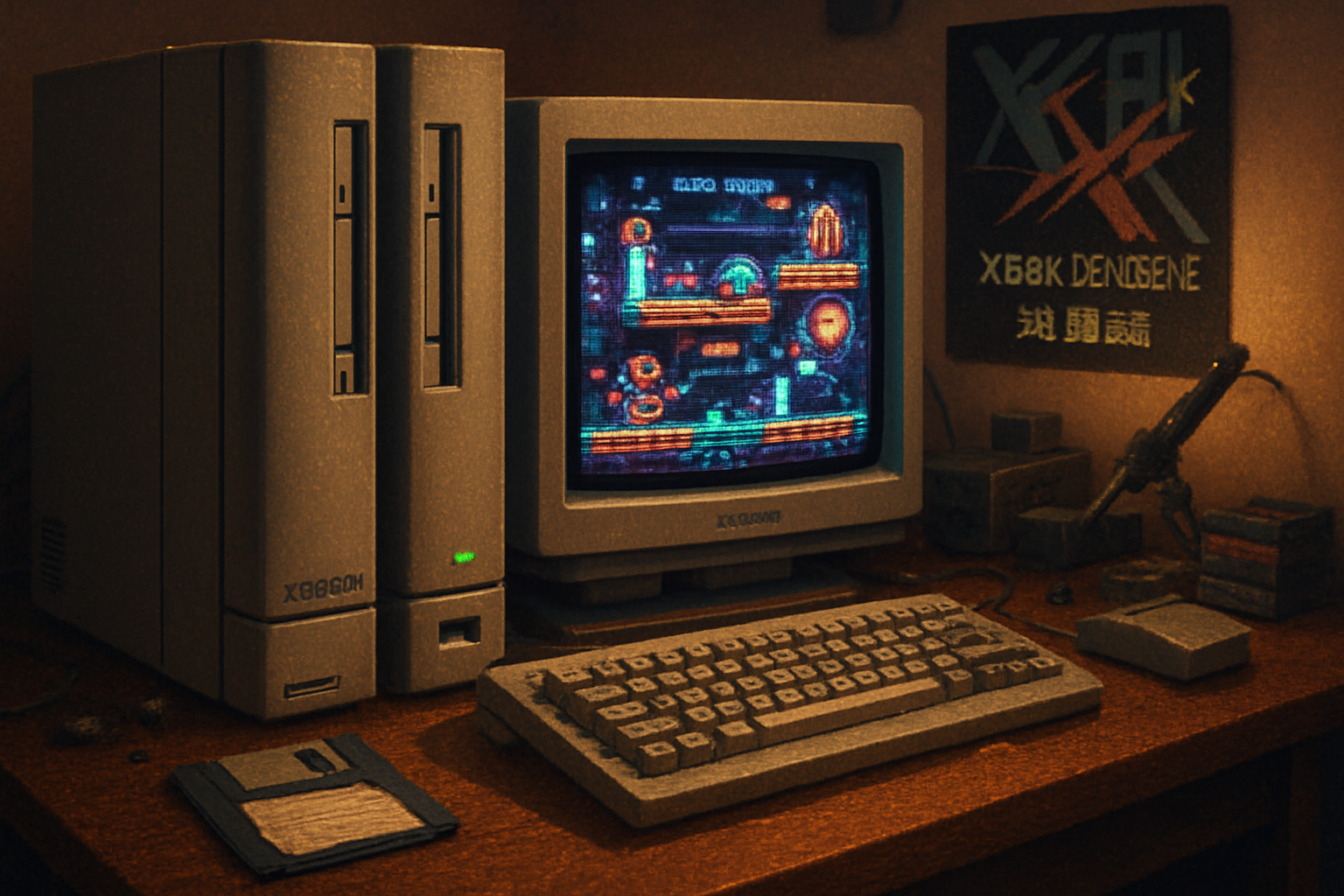
- The Atari ST (1985, Motorola 68000) was conceived as a powerful, relatively affordable personal computer with a clean GUI, aimed at both home and small business users. It struck a particular chord with musicians thanks to built-in MIDI ports.
- The Commodore Amiga (also 1985, Motorola 68000) was designed from the ground up around custom co-processors for graphics and audio. It was, in certain technical dimensions, a small multimedia powerhouse.
For quick context, see the Wikipedia pages: Atari ST and Commodore Amiga.
Raw hardware: clever design vs. custom muscle
At a glance:
- CPU - both used the Motorola 68000 family - a common starting point that made direct comparisons meaningful.
- Graphics - Amiga had custom chips (Agnus, Denise, Paula) that handled blitting, sprites, and multiple bitplanes in ways the ST’s more straightforward video circuitry couldn’t match.
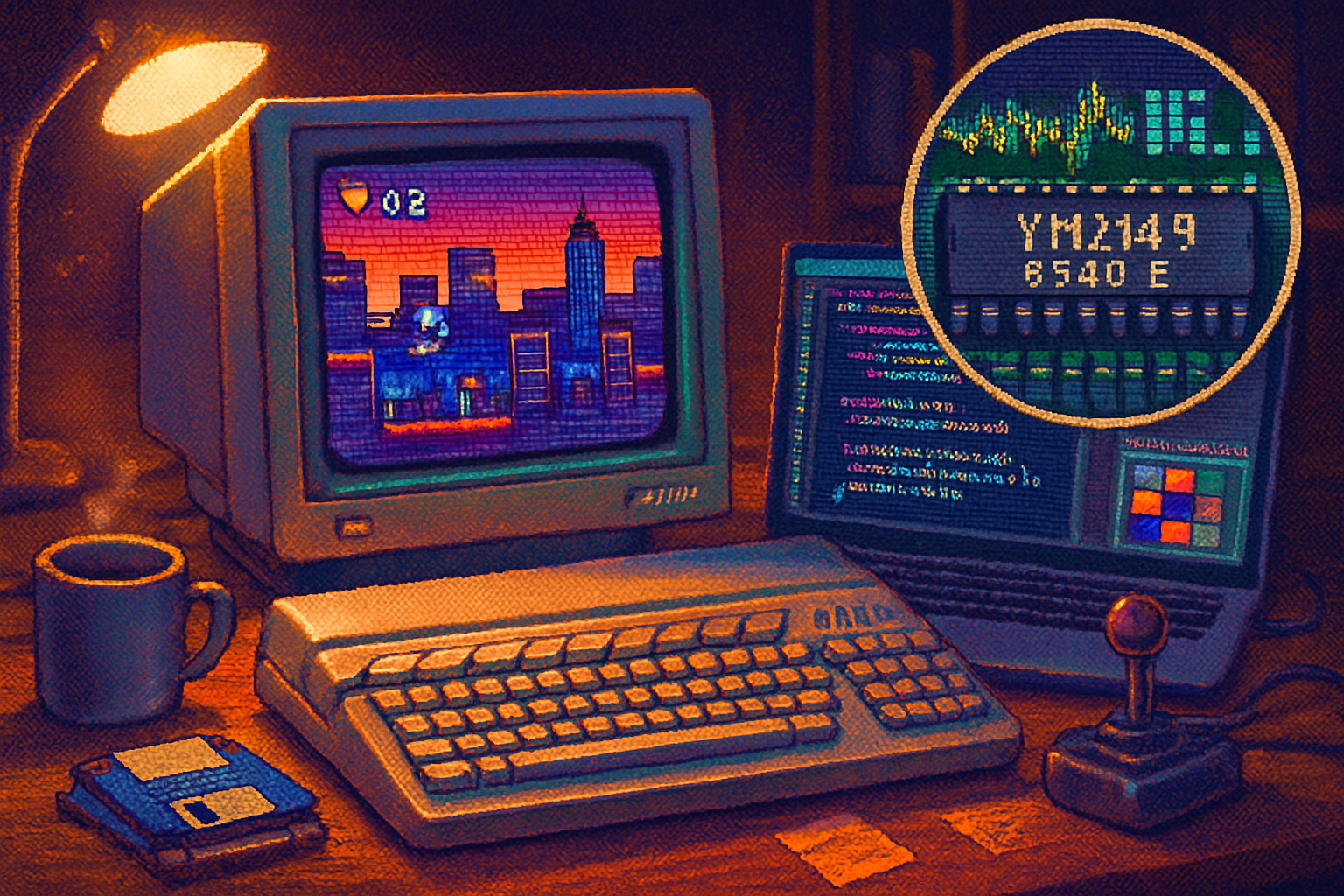
- Sound - the Amiga’s Paula chip delivered four hardware audio channels and superior PCM sampling; the ST used a Yamaha YM2149 PSG which was competent but not on the same level.
Analogy: If the ST was a well-tuned sedan - reliable, affordable - the Amiga was a sports coupe with racing suspension: more complicated, more entertaining, and more expensive to exploit fully.
Graphics and demos: the Amiga ran rings around the ST
The Amiga’s custom chips delivered effects that were simply impossible (or prohibitively CPU-intensive) on the ST: smooth hardware sprites, copper lists, HAM mode for near-photographic colors, and blitters for fast block moves. The result: more sophisticated games and a demos scene that pushed aesthetics and technical showmanship.
- The Amiga demos are still breathtaking - see the
- The ST could compete in resolution and some software trickery, but often at the cost of CPU cycles.
If you judged purely by visual sophistication and the ability to make the machine sing without frantic CPU juggling, Amiga won this round.
Sound and music: estate of the ST, cathedral of the Amiga - with a twist
- Amiga - four-channel PCM - great for sampled drums and rich soundtracks.
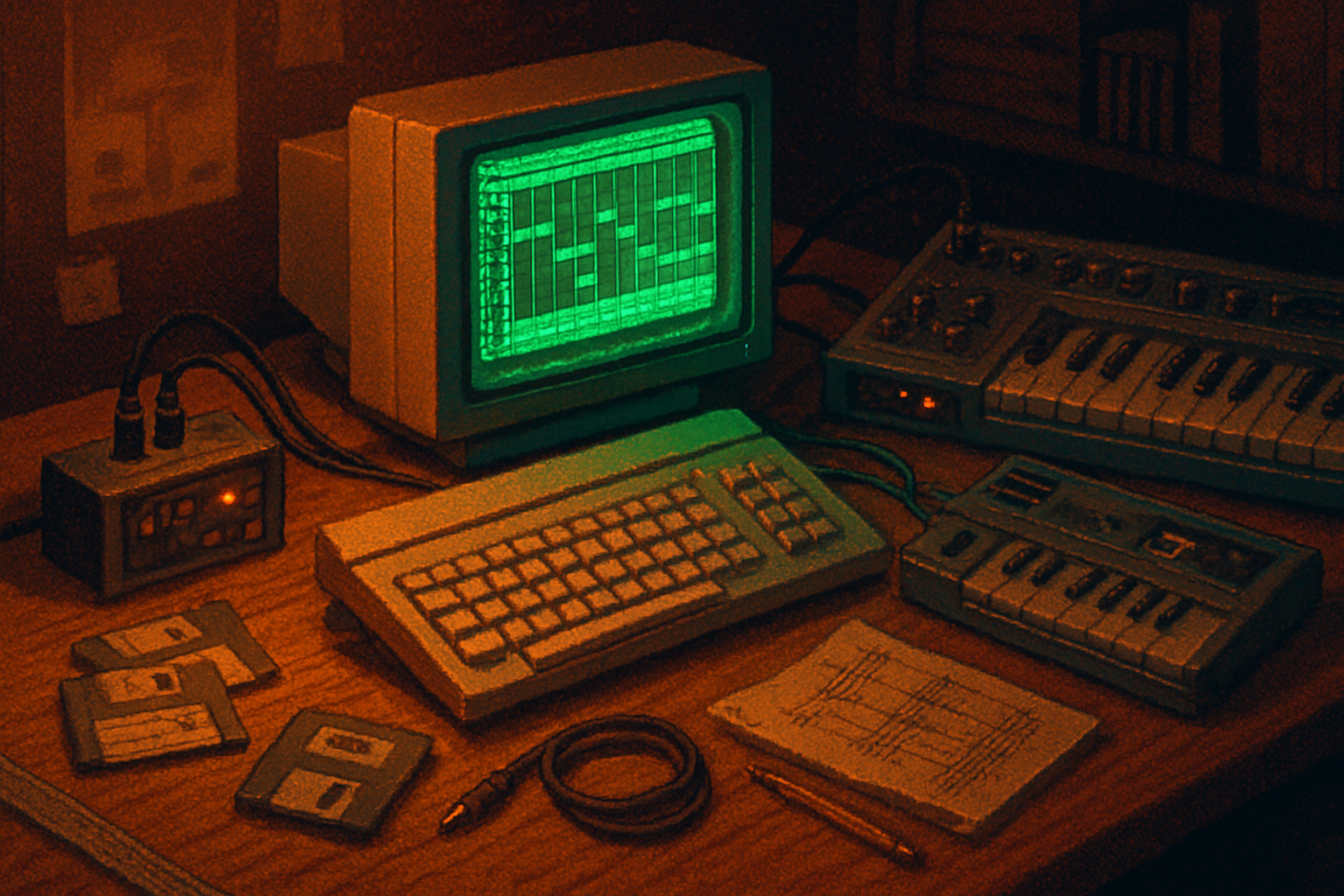
- ST - Yamaha PSG but with the microphone of destiny: built-in MIDI ports. That one feature made the ST the de facto home-studio machine of late-80s and early-90s Europe. Sequencers like Notator and CUBASE (yes, Cubase began on the Atari ST) cemented the platform’s musical legacy.
Here’s the twist: for hands-on composers and MIDI-based sequencing, the ST felt like oxygen. For immersive sampled audio inside games and demos, Amiga had the edge. One won clubs, the other won studios.
Operating systems and UX: GEM vs. Workbench
- Atari ST shipped with GEM - a simple, fast GUI. It booted quickly and was very usable for productivity tasks.
- Amiga ran AmigaOS/Workbench - functionally richer and more multitasking oriented (preemptive in later versions) but sometimes slower to boot or more complex to configure.
The ST’s interface was minimal and snappy. The Amiga offered power if you were willing to wrestle with a more sophisticated environment. For office users, the ST’s clarity often proved decisive.
Games and software libraries: breadth vs. spectacle
- Games - Amiga tended to have higher production values: better graphics, richer audio, and a larger share of visually impressive titles.
- Productivity - ST had strong CAD, desktop publishing, and - crucially - MIDI software.
- Ports and exclusives - both machines had exclusives. The Amiga dominated certain genres (platformers, adventure games with rich audio), the ST anchored markets like music production and some European-focused titles.
A market analogy: Amiga took center stage for spectacle; ST took niche leadership in content creation.
The demos and the subculture: Amiga’s cultural crown
The Amiga demo scene was a cultural phenomenon. Programmers, pixel artists, and musicians collaborated to produce “demos” - non-commercial, technical-art pieces that showcased exactly what the hardware could do. Many believe this culture directly seeded modern digital art and game-tech practices.
The ST had a scene too, but it read like a valiant smaller rival: clever and competent, but often acknowledging the Amiga’s superior bandwidth for audiovisual fireworks.
Price, availability, and regional politics
Here’s where the record gets messy. Commodore’s business practices (pricing volatility, inconsistent support) hurt the Amiga’s market momentum, especially in the U.S. The Atari ST - more affordable in many markets and backed by Atari’s existing dealer network - found strong footholds in Europe.
Regional reality shaped nostalgia: in Britain and Germany you’d hear orchestral hymns to the ST’s MIDI virtues; in demo circles and game studios the Amiga inspired near-religious devotion.
Developers and tooling: which machine was friendlier?
- The ST’s simplicity made it easier for some developers to get productive quickly.
- The Amiga’s custom chips required deeper knowledge but rewarded that investment with better results.
Many developers cut their teeth on both, and the portability of 68000 assembly encouraged cross-pollination. Still: the Amiga’s steeper initial learning curve translated into richer payoffs in graphics and sound.
Longevity and legacy: who influenced the future?
- Amiga’s multimedia-first design anticipated modern ideas about integrated audio/video co-processing. Its demo scene influenced visual programming and real-time graphics techniques.
- ST’s MIDI legacy lives on in music production workflows; Cubase’s origin on the ST ties its DNA to professional music software history.
In other words: Amiga seeded multimedia artistry and the culture of visual-tech play; ST seeded modern digital music production on accessible hardware.
The decisive factors - a checklist
If you’re trying to pick a winner, ask what matters most:
- Want the best-looking games and demos? Amiga.
- Want immediate, affordable desktop/MIDI production? ST.
- Want to tinker with low-level hardware for a visual payoff? Amiga rewards you.
- Want a quick, effective GUI for work and music sequencing? ST.
Winner by checklist? There is none. Winner by cultural long shadow? There is an argument: Amiga left a bigger mark on graphics/audio culture; ST left a deeper mark on music technology.
A final verdict - who really won?
If “winning” means objectively superior hardware for multimedia and commercial games, the Commodore Amiga leaned across the finish line. Its custom chips and the creative community they inspired produced a body of work that still turns heads in demos and indie retrospectives.
But if “winning” means broad influence in specific industries (electronic music production), market accessibility in key regions, and a straightforward user experience for creators, the Atari ST won battles that mattered to professionals and hobbyists alike.
So: neither machine annihilated the other. The Amiga won the spectacle; the ST won certain hearts and professions. Their legacies entwined, producing much of what made the late-80s and early-90s so fertile for digital creativity.
Museum piece or living platform?
Both platforms live today in emulators, FPGA recreations, hardware restorations, and active communities. If you want to revisit them:
- WinUAE (Amiga) and Steem/Steem SSE (ST) are good emulators.
- Modern projects like MiSTer FPGA and community hardware keep the machines tactile and joyful.
References:
- Atari ST - https://en.wikipedia.org/wiki/Atari_ST
- Commodore Amiga - https://en.wikipedia.org/wiki/Amiga
- Demoscene - https://en.wikipedia.org/wiki/Demoscene
- Cubase origins - https://en.wikipedia.org/wiki/Cubase
So tell me: which side were you on?
Were you a cubase-toting ST sequencer, or an Amiga demo-hacker with a floppy full of samples? Drop your stories, your favorite titles, and the single most persuasive reason your machine “won.” Let the nostalgia pit fights begin - politely, please. I like my teeth.