· culture · 6 min read
The DIY VCR Revival: How Creatives Are Reusing Tape Technology
A grassroots movement is turning dusty VCRs and spools of tape into instruments, installations, and collage material. Learn practical steps for digitizing tapes, building tape-loop instruments, making kinetic sculptures from VCR guts, and doing it responsibly - with sustainability and safety front of mind.
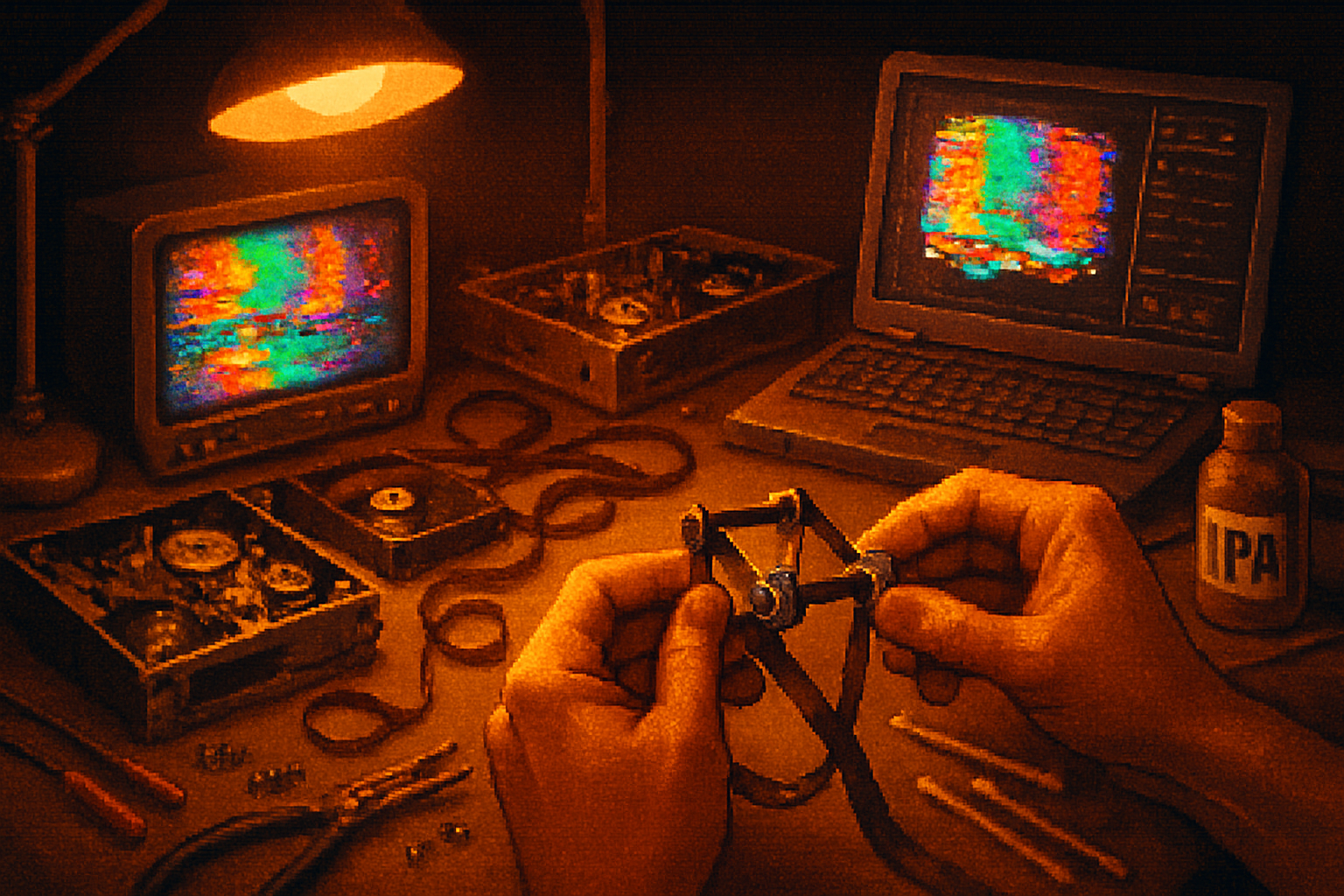
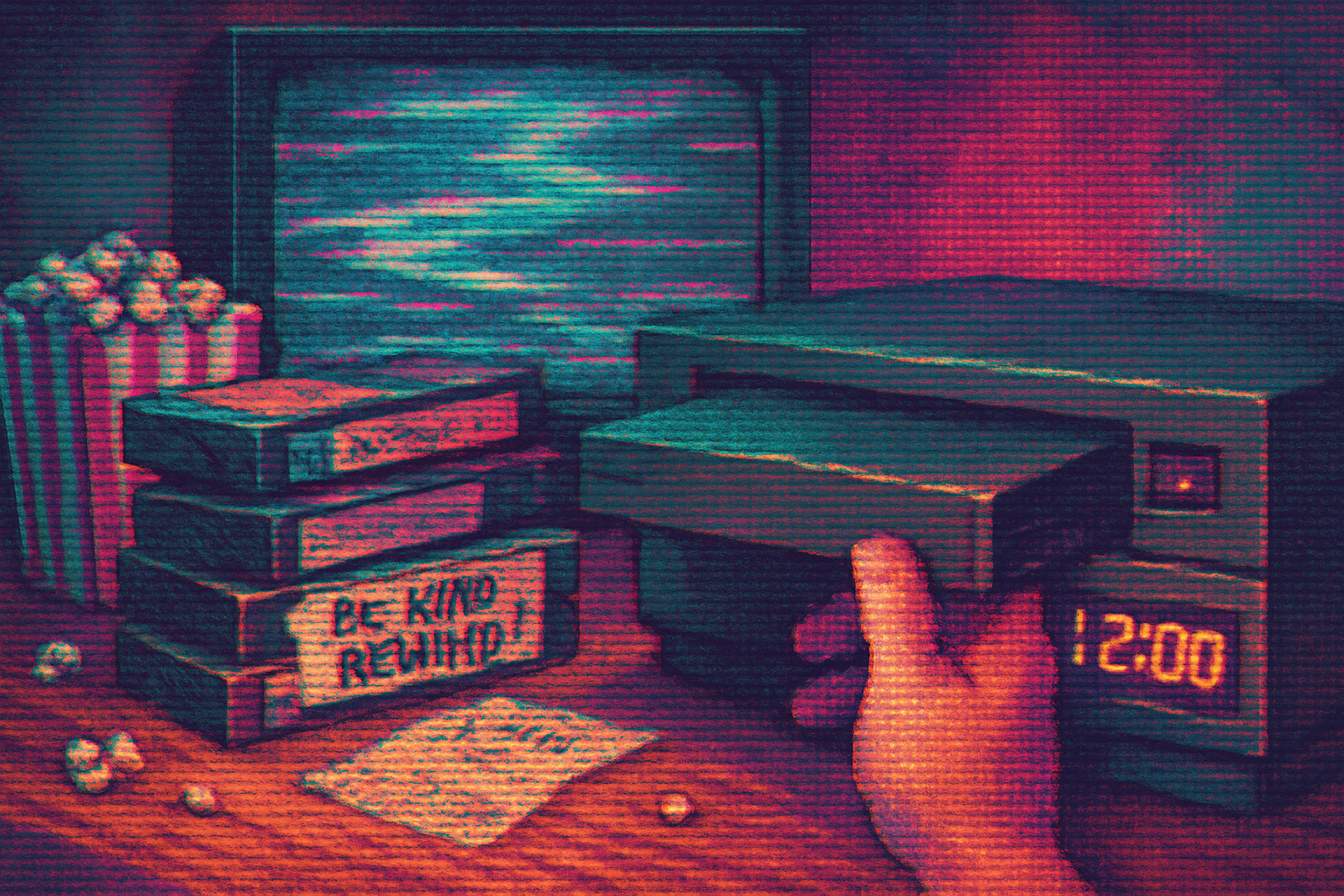
I found the box in the back corner of a church thrift sale: five clunky VCRs stacked like relics from another faith, and a cardboard crate of unlabeled VHS tapes - wedding fuzz, a child’s birthday, grainy travel footage, and an odd amount of shopping-channel recordings. Someone had thrown that archive away. Someone else saw possibility.
That sight - abandoned technology waiting to be reimagined - has become a small cultural movement. Musicians, visual artists, DIY tinkerers, and upcyclers are turning VCRs and magnetic tape into instruments, installation pieces, and raw material. The work is equal parts nostalgia, low-fi aesthetics, and a moral itch about waste: why let a machine that still hums be landfill fodder when its motors, tape heads, and brown ribbon can be art?
Below: practical workflows, creative prompts, safety notes, and the environmental thinking to make your own VCR revival project honest and useful.
Why VCRs, still?
- VCRs are mechanical - not just circuits. They have motors, rollers, solenoids, and a weird mechanical poetry that translates to movement and sound.
- Magnetic tape is a unique material - glossy, fragile, and visually striking when removed from its shell. It records time in a way streaming never will.
- The aesthetic is in demand. The VHS artifacting, tracking errors, and physical wear are now stylistic choices in music videos, album art, and contemporary galleries.
Read more about the format and tape history on Wikipedia’s VHS and tape-loop pages: VHS • Tape loop.
Quick ethical checklist before you salvage
- Data/privacy - tapes may contain personal footage. Treat them as private unless explicitly public. Consider contacting original owners if identifiable.
- Legality - do not distribute copyrighted content you digitize.
- E-waste responsibility - if you cannibalize a VCR, recycle any unusable electronics. The EPA has guidance on e-waste disposal:
Safety first (do this, not that)
Do:
- Unplug devices before opening them. Remove batteries from any accessories.
- Work in a well-lit, ventilated area. Use gloves when handling old tape - it can be dusty and degrade.
- Use isopropyl alcohol (90%+) and lint-free swabs for head cleaning.
Don’t:
- Don’t open CRT televisions or monitors; CRTs hold lethal charges long after unplugging. If your project uses an old TV, stick to external repairs or use the TV only while closed and disconnected from service work.
- Don’t work on mains-powered parts while the device is plugged in. If you’re not comfortable with mains-voltage electronics, don’t attempt them.
Project 1 - Digitize & Resurrect: From tape to timeless file
Why: preservation, remixing, and making footage usable in modern work.
What you need:
- A working VCR (ideally one that plays consistently).
- Composite (RCA) or S-Video output on the VCR and a USB capture device (RCA-to-USB dongles are cheap).
- A laptop with recording software (OBS Studio) or FFmpeg for command-line captures.
- Cables and, if necessary, a power filter (surge protector).
Steps, condensed:
- Clean the VCR heads gently with isopropyl alcohol and a cotton swab. Don’t over-rotate the drum by hand.
- Connect VCR output to the USB capture device and attach it to your computer.
- Open OBS (or your capture software), select the capture device, set the resolution to the VCR’s output (NTSC/PAL), and monitor levels.
- Play the tape and record. For best quality, capture in 720×480 (NTSC) or the appropriate standard and convert later in FFmpeg if needed.
- Backup files in lossless or high-bitrate formats before compressing or editing.
Tips:
- If tracking keeps drifting, engage the VCR’s tracking control (sometimes on a remote). For persistent issues, record multiple passes and edit together.
- For very degraded tapes, consider baking (a controversial archival trick for binders on some tape types). Research thoroughly before trying.
Project 2 - Tape-loops and sound instruments
Tape physically stores sound. Pulling a ribbon into a loop and running it past a head creates repeating, decaying textures musicians love.
What you need:
- A clean spool of magnetic tape (salvaged from cassette or VHS), splicing tape, and two small pulleys or doll heads as guides.
- A motor or a modified VCR capstan motor to drive the loop, or you can simply feed the loop by hand over a playback head from a donor VCR.
- Small tape heads can be salvaged from VCRs or old cassette players; community forums sell heads cheaply.
Basic steps:
- Remove tape carefully and flatten it. Use a strip of splicing tape to make a continuous loop.
- Thread the loop over two guides a comfortable distance apart to create tension.
- Arrange a tape head where the loop passes and connect that head to an amplifier or audio interface.
- Adjust tension and speed to shape pitch and decay.
Creative prompts:
- Build multiple loops at different lengths to create phasing patterns.
- Combine loops with contact mics and small speakers to feed back into the loop for unpredictable textures.
Project 3 - Mechanical reuse: kinetic sculptures and installations
VCRs are compact mechanical toolboxes: stepper motors, belts, gears, solenoids, and rollers. Use them.
Ideas:
- Motor-driven tape cascades - feed ribbon through a strobe-lit path so the tape flutters like tiny flags.
- Automata - repurpose stepper motors for slow, human-scaled motion in mixed-media sculptures.
- Glitch projector - feed VHS through a damaged head or tracking mechanism to intentionally corrupt the image as an installation.
Practical notes:
- Salvage the motors and test them on low-voltage bench power supplies first.
- Replace old rubber belts (available from specialty suppliers) if you want reliable continuous motion.
Project 4 - Material art: collages, fashion, and texture
Magnetic tape is gorgeous in collage: translucent brown, reflective, and delicate. It works on paper, canvas, and as woven textures.
Use cases:
- Weave strips into a textile-like panel and back it with archival glue.
- Use short lengths as painterly strokes - the tape catches light in ways paint doesn’t.
- Jewelry & accessories - laminate tape between clear resin sheets for pendants and pins.
Conservation tip: magnetic tape degrades. Seal your artworks behind UV-filtering glass and avoid direct sunlight.
Where to source parts and community resources
- Thrift stores, estate sales, flea markets - the obvious troves.
- Online marketplaces (eBay) for specific parts like heads, belts, and replacement rollers.
- Local maker spaces and audio-visual archives - they often have spare gear and knowledge.
- Online communities - Reddit’s r/ObsoleteTechnology, r/diyaudio and forums dedicated to tape restoration.
The sustainability angle: less glamour, more responsibility
There’s a poetic argument for reusing technology: a VCR kept out of a landfill is a small victory against the torrent of e-waste. But reclamation isn’t inherently virtuous. A few rules:
- Prioritize repair over cannibalization when possible.
- Reuse parts to extend life, then recycle responsibly what you can’t use. See EPA guidance above.
- Consider the carbon cost of shipping bulky units to you - local salvage is just as valuable.
Like all revival movements, the VCR renaissance risks becoming fetishistic nostalgia - expensive collectors buying machine ghosts while the culture that made and used them is abandoned. Keep your practice rooted in access: teach what you learn, donate working players to community centers, and publish instructions.
Final provocations: what tape teaches us
Magnetic tape is stubbornly material. It resists the instant, the infinite, and the ethereal convenience of streaming. Working with tape forces slowness - the physical act of threading, the hum of a motor, the irreversibility of a splice. It’s an antidote to the white noise of perpetual upgrade.
If you take anything away, let it be this: reclaiming VCRs isn’t just about retro chic. It’s an exercise in noticing the physical consequences of technological obsolescence, and in practicing a slower, more accountable creativity. Dust off the VCR. Clean the heads. Make sound that can’t be downloaded - at least, not the same way.
References and further reading
- Wikipedia: VHS • Tape loop • Glitch art
- U.S. Environmental Protection Agency: Electronics donation and recycling