· culture · 8 min read
The Rise of 35mm Point-and-Shoot: A Love Letter to Analog Nostalgia
Why are young people embracing tiny, plastic-bodied 35mm point-and-shoot cameras in a 4K smartphone era? This long-form exploration looks at the aesthetic, cultural, and practical reasons behind the film revival, with candid interviews from influencers and enthusiasts who share how these small cameras reshaped their creative lives.
Introduction
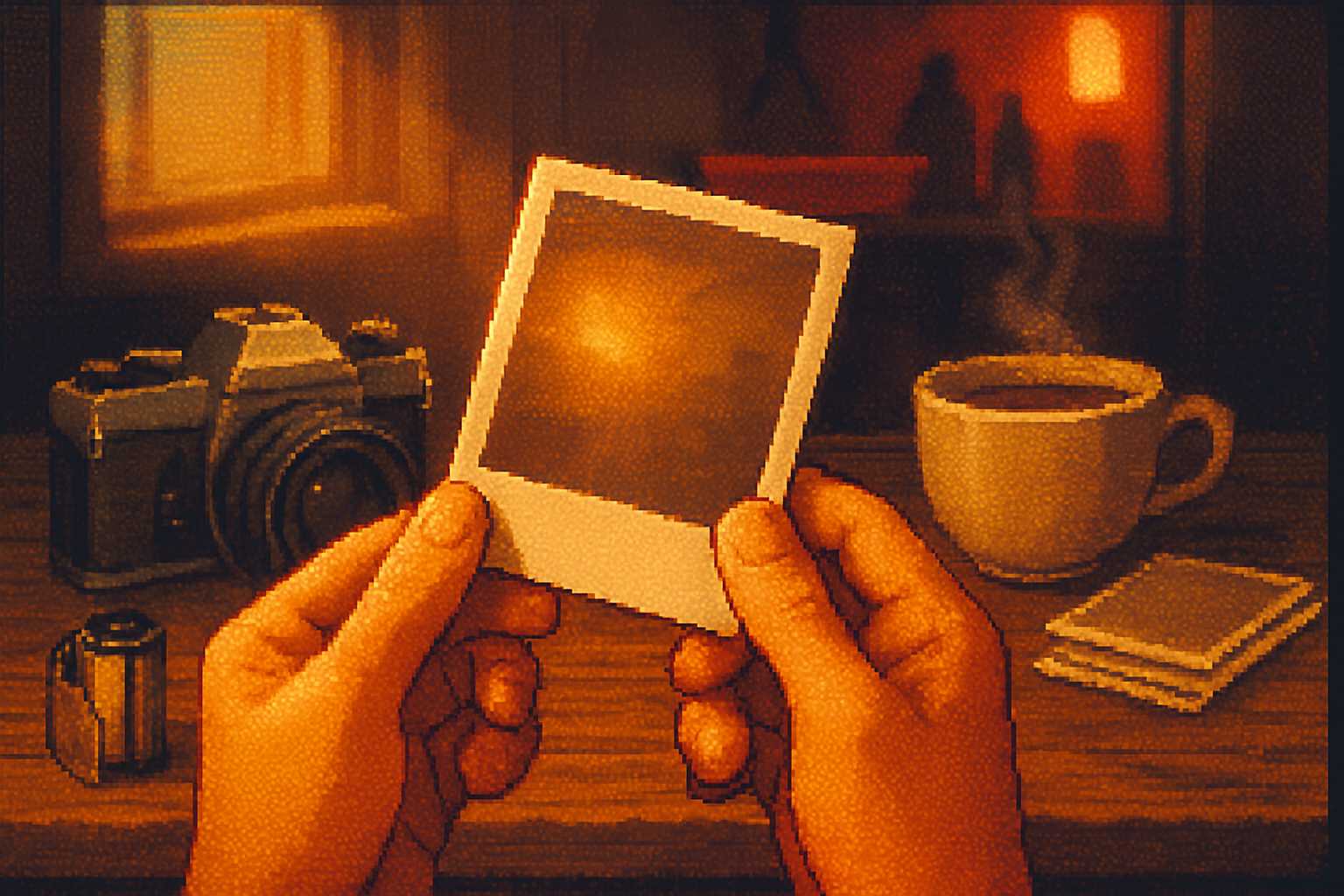
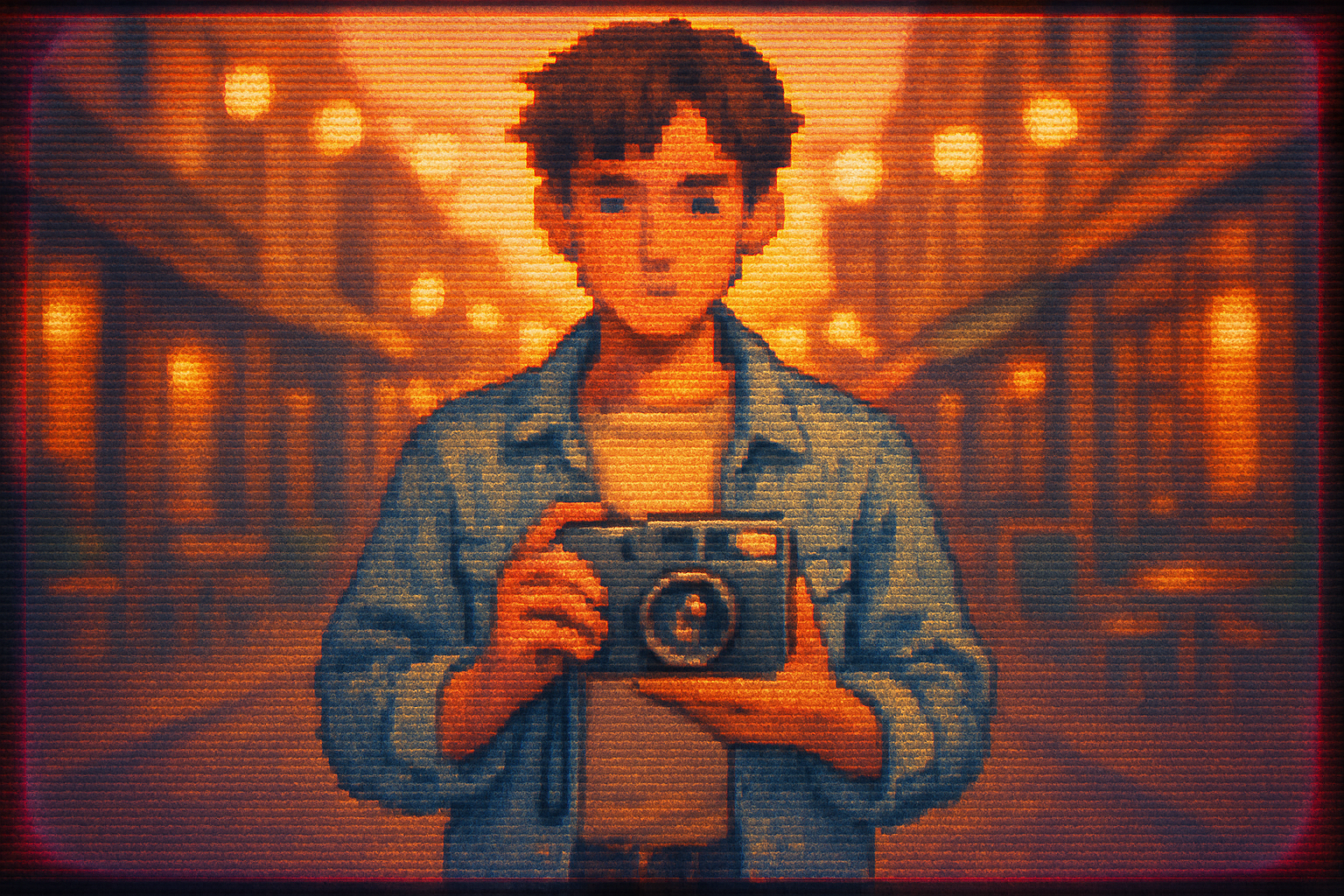
There is a tiny revolution happening in pockets and backpacks across cities: the unmistakable click-and-wind of a 35mm point-and-shoot. Once dismissed as disposable or amateur gear, these compact cameras have become talismans for people - especially younger generations - who crave a slower, tactile, and unpredictable approach to making pictures.
This essay explores why the point-and-shoot is back in vogue, what it offers that digital often cannot, and how a new generation is rewriting the rules of image-making with plastic bodies and fixed lenses. Along the way you’ll find personal interviews with creators who adopted 35mm P&S cameras as creative tools, practical tips for getting started, and resources to help you explore analog photography responsibly.
A short history: humble origins, enduring charm
Point-and-shoot 35mm cameras grew out of mid-20th-century consumer demand for simplicity. Compact, light, and automated, they let people point the camera at life and capture it with minimal fuss. Models like the Olympus XA, Canon Sure Shot (Autoboy/Prima) series, Nikon L35AF, and later the cult-classic Yashica T4 and Contax T2/T3 became known for their excellent optics and pocketable convenience.
Over the last decade demand for film and film cameras has climbed again. Photography-focused outlets and manufacturers have covered the phenomenon extensively - see coverage in The Guardian and specialty sites like Lomography and Film Photography Project for deeper context (The Guardian, Lomography, Film Photography Project).
Why younger generations are drawn to 35mm point-and-shoots
Several overlapping reasons explain the resurgence:
- Tactility and ritual - The winding of film, the limit of 24 or 36 frames, and the wait for development create a ritual that encourages deliberation.
- Aesthetic unpredictability - Light leaks, grain, color shifts with different films, and the occasional misexposure produce images with character that are hard to replicate with presets.
- Slow creativity - A limited frame-count and no immediate preview forces more careful composition and a mindful relationship with subject and moment.
- Nostalgia and authenticity - Analog photos evoke a tangible sense of time and memory; for younger people raised in a digital-first culture, that feels novel and authentic.
- Tangible curation - Film demands editing before the shot, and physical prints or contact sheets make archiving and sharing different and more deliberate.
- Social signaling & aesthetic culture - Film photography aligns with vintage fashion, zine culture, and a broader interest in analog practices (vinyl records, film cameras, printed zines).
Industry coverage suggests these aren’t isolated quirks: manufacturers, labs, and photo retailers have reported increased interest and sales across film stocks and cameras (PetaPixel, DPReview).
Interviews: voices from the community
The following interviews were conducted with creators and enthusiasts who live with point-and-shoots. Their stories illuminate why these cameras matter beyond nostalgia.
Alex Rivera - film influencer and educator (@analog.alex)
“I started with a DSLR because I thought more megapixels meant better pictures. A friend gave me an old Olympus XA and suddenly I cared less about technical specs and more about whether the frame felt honest. The XA forced me to learn to see; you can’t rely on a 100x zoom to ‘fix’ composition.”
“On TikTok and Instagram, people love the look of film - but once they try it they keep coming back for the process. Scanning negatives at 2 a.m. with a cold cup of coffee is stupidly satisfying.”
Why the point-and-shoot? “They’re light, they don’t demand a lens change, and they have personality. People ask me if they’re ‘cheating’ because the exposure is automated, but that’s freeing: fewer technical worries, more chance to connect with light and subject.”
Mina Park - street photographer (student)
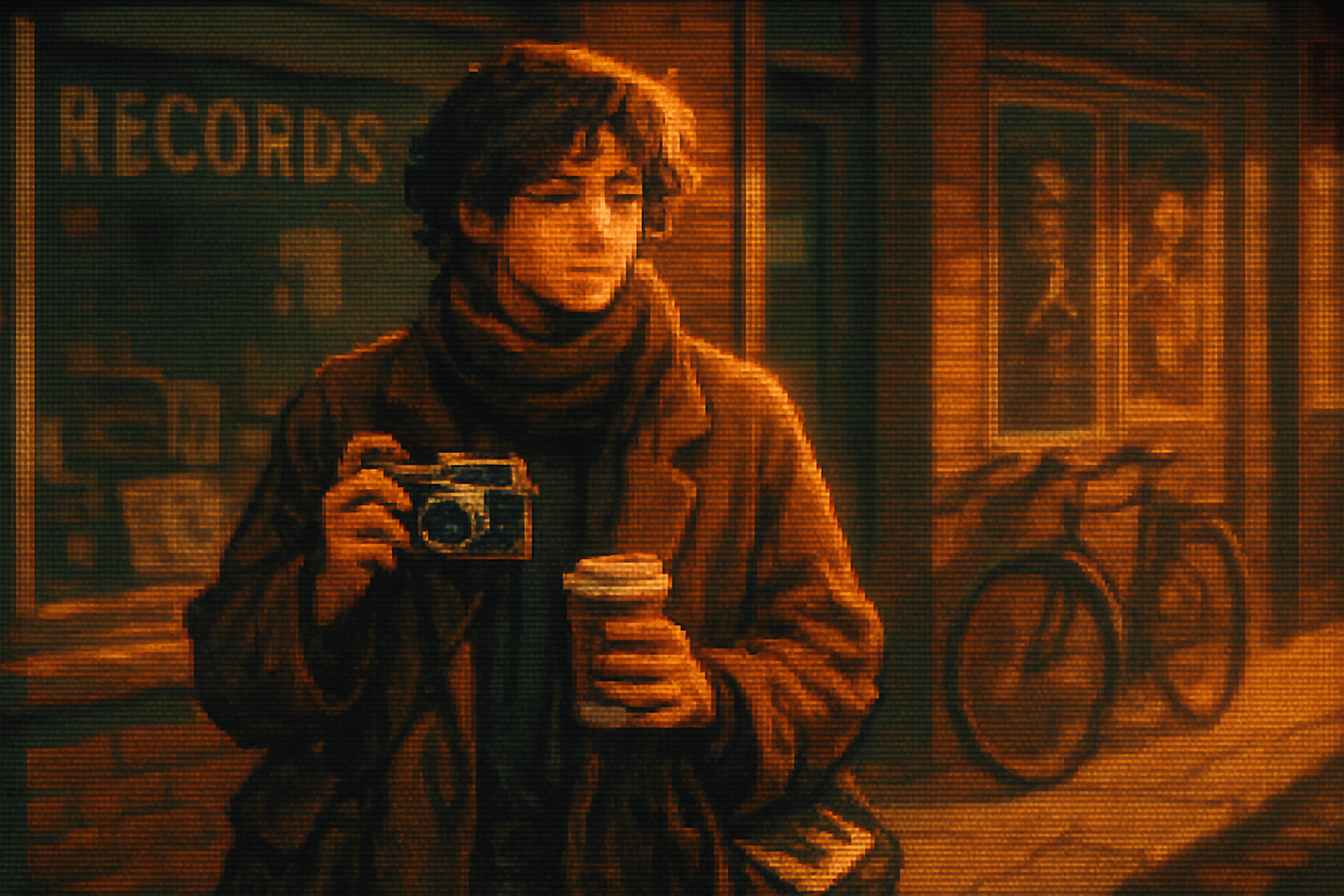
“I shoot with a Konica Big Mini and a Nikon L35 on different days. As a student, I can’t afford heavy gear, and these cameras disappear into my jacket. They make candid portraiture easier - people relax when you don’t have a big rig in their face.”
“There are stories in footage limits. On a 36-exposure roll, you learn to ask: ‘Is this picture worth a frame?’ That discipline has made me a better photographer, even when I’m shooting digital.”
Jonas Merkel - hobbyist and film lab volunteer
“I volunteer at a local lab, and the volume of ‘first timers’ bringing in rolls has surprised me. Students, young parents, people who never shot film before - they come with expired Kodak Gold and come out wide-eyed. The lab community is a big part of the revival: people learn together, swap tips, and that social element keeps them engaged.”
The unique aesthetics of 35mm P&S
Point-and-shoots impart a distinct look:
- Lens character - Many compact cameras have surprisingly good fixed lenses with gentle vignetting, soft corners, and pleasing rendering.
- Color and grain - Film stocks (e.g., Kodak Portra, Kodak Gold, Fuji Superia, Ilford HP5) each bring characteristic color palettes and grain structures.
- Artifacts - Light leaks, frame spacing quirks, and edge marks become part of the image language.
For visual inspiration, browse platforms and communities dedicated to film photography such as Lomography, Flickr’s film groups, and Reddit’s r/Analog.
Practical starter guide: how to begin with a 35mm point-and-shoot
Choose a camera - look for models known for reliability and lens quality. Recommended P&S options for beginners include:
- Canon Sure Shot / Autoboy / Prima series - common, affordable, battery-powered autofocus
- Olympus XA - rangefinder-like control in a compact body
- Minolta Freedom / Riva - robust and widespread
- Nikon L35AF / Canon Canonet / Konica Big Mini - excellent optics
- Yashica T4 / Contax T2 (higher-priced but legendary results)
Select film - start with a forgiving color film like Kodak Gold or Fuji Superia for snapshots, or Kodak Portra if you want more neutral tones and latitude. For black-and-white, Ilford HP5 is versatile.
Learn the basics - exposure, ISO (film speed), and how your chosen camera meters. Point-and-shoots often auto-expose, but learn how backlighting and strong contrast affect results.
Shoot with intention - limit your frames per roll, slow down, and try to pre-visualize each shot.
Processing and scanning - find a reputable local lab or use mail-in services (Film Photography Project offers options). Labs can process C-41 (color) and black-and-white; ask for scans if you want digital files.
Archive and print - consider printing favorites. Prints and contact sheets build a physical archive that’s different from endless cloud folders.
DIY processing and cross-processing (brief)
If you want to try developing at home, C-41 kits and black-and-white chemistry are available from suppliers like Kodak and Ilford. Home developing can be rewarding but requires careful reading of instructions and safety precautions.
Cross-processing (developing slide film in C-41 chemistry or vice versa) can yield dramatic color shifts and is embraced by the creative community for its unpredictable results.
Sustainability and realities to consider
Analog photography isn’t inherently eco-friendly: film manufacturing and chemical processing have environmental footprints. If sustainability is a priority, consider:
- Supporting labs that follow proper chemical disposal practices
- Minimizing waste by using film economically
- Buying used cameras instead of new plastic gadgets
Also be aware of cost: film, processing, and scanning add recurring expenses. For many users the cost is part of the discipline and ritual.
The social networks and economies of film
Film’s revival is amplified by communities - in-person and online. Local labs and meetups, Instagram and TikTok creators, film swaps, zine fests, and small shops create an ecosystem where knowledge, gear, and film change hands. Companies such as Kodak, Fuji, and Ilford plus independent resinates like Lomography and boutique labs have responded with new and reissued stocks, re-manufactured cameras, and restoration services.
For resources:
- Film Photography Project - community, tutorials, and labs: https://filmphotographyproject.com/
- Lomography - creative films, cameras, and inspiration: https://www.lomography.com/
- Ilford and Kodak product pages for film stock details: https://www.ilfordphoto.com/ and https://www.kodak.com/
How shooting point-and-shoots can improve your photography (even digitally)
Several interviewees reported that shooting film changed how they approached digital work:
- More careful composition and pre-visualization
- Greater acceptance of imperfection as aesthetic
- Stronger commitment to storytelling and human connection over technical perfection
Shooting with constraints - whether a fixed lens, a limited frame count, or manual focus - can force more creative problem-solving.
A final note on nostalgia and creation
Nostalgia alone doesn’t explain the analog revival. The resurgence of point-and-shoot 35mm cameras taps into deeper cultural currents: a desire for craft and ritual, a reaction to algorithmic image economies, and an embrace of imperfection as a form of honesty. For many, these tiny cameras are less about rejecting the present and more about reclaiming time, attention, and the joy of making tangible things.
If you feel an itch to try film, borrow a camera, buy a roll, and see what happens. The images you make will be imperfect, often surprising, and very likely cherished.
Further reading and communities
- “How the film camera is making a comeback” - The Guardian: https://www.theguardian.com/technology/2021/jul/17/film-cameras-comeback-analogue-photography
- Lomography - gear, articles, and community projects: https://www.lomography.com/
- Film Photography Project - tutorials, labs and mail-in processing: https://filmphotographyproject.com/
- Industry coverage and trend pieces on the film revival: https://petapixel.com/ and https://www.dpreview.com/